Side-by-Side IQ Profile: Siberian Husky vs. Coton de Tuléar
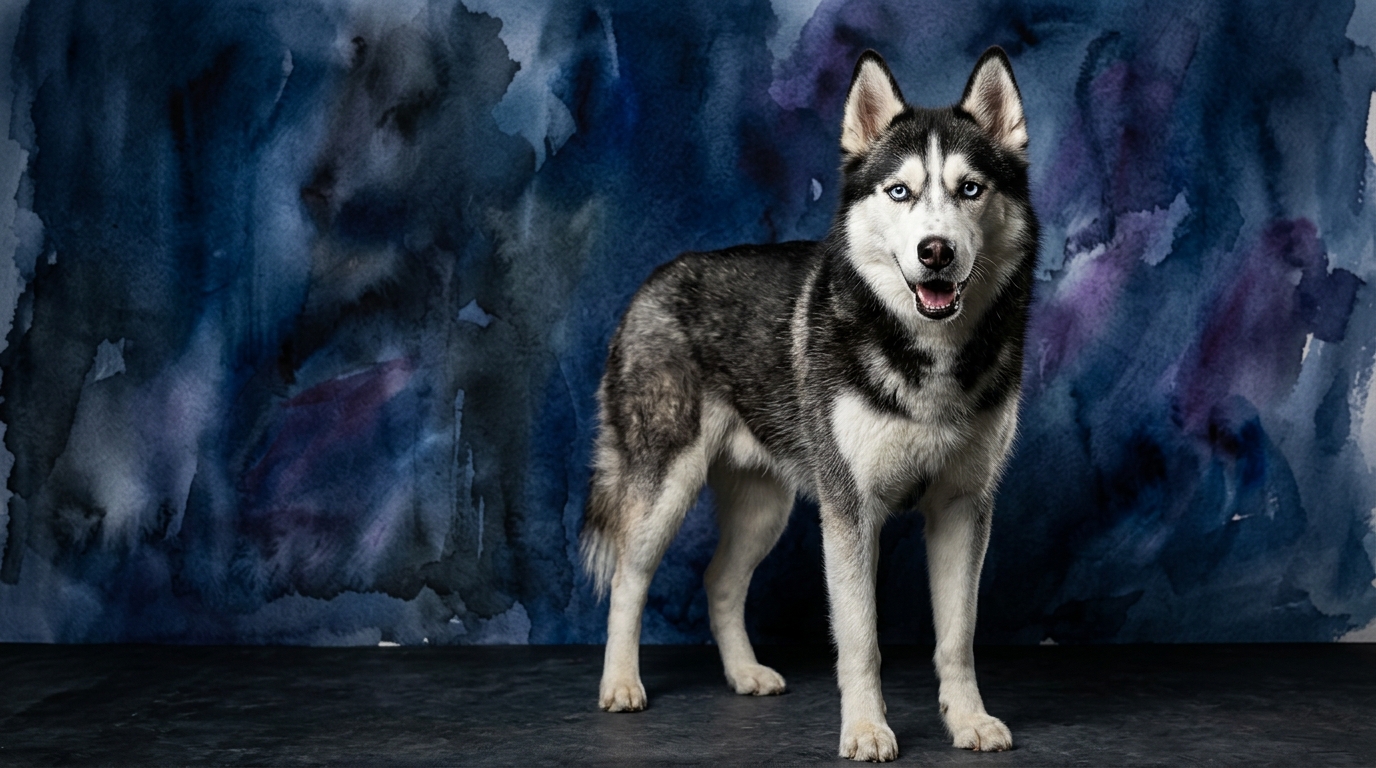
The Siberian Husky, a Working group dog, registers a Coren rank of #45, indicating a respectable capacity for obedience learning. Its cognitive blueprint includes a problem-solving score of 4/5, reflecting a resourceful mind adept at navigating challenges. Training speed is rated 2/5, suggesting an independent streak that requires patient, consistent guidance. Social intelligence stands at 3/5, portraying a dog that forms bonds but retains a degree of aloofness. A powerful instinctive drive of 5/5 underscores its deep-seated need for purpose and activity, complemented by a 4/5 memory, allowing it to recall complex routes and commands.
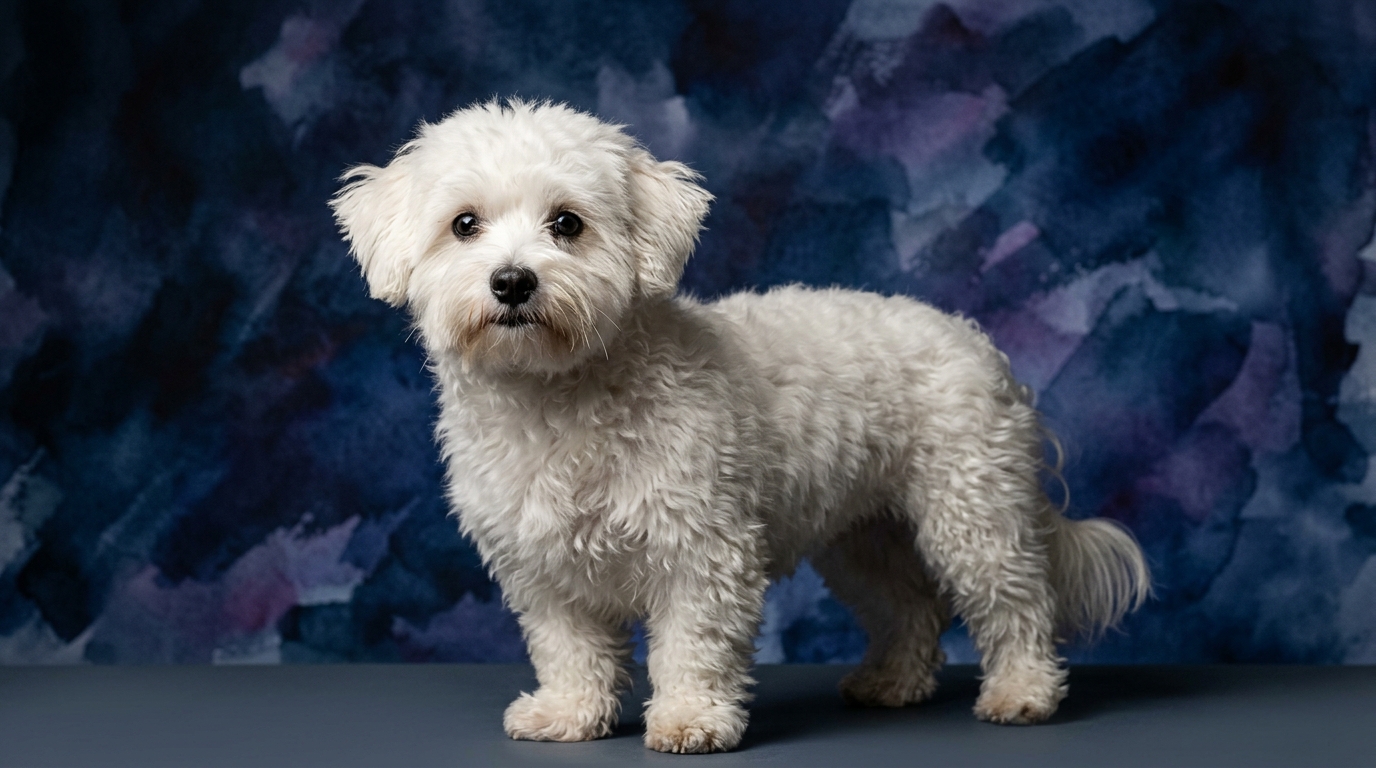
In contrast, the Coton de Tuléar, a Non-Sporting breed, is not Coren-ranked, which points to a different emphasis in its cognitive makeup, prioritizing companionship over traditional obedience trials. Its problem-solving score is 3/5, indicating a capable but less independently inventive mind. Training speed is a balanced 3/5, suggesting a responsive learner with positive reinforcement. Social intelligence also scores 3/5, highlighting its strong desire for connection and interaction. An instinctive drive of 3/5 denotes a moderate need for engagement, while its memory is rated 3/5, sufficient for daily routines and familiar faces.
Where the Siberian Husky Wins Cognitively
The Siberian Husky's cognitive strengths are deeply rooted in its heritage as an endurance sled dog. Its 4/5 problem-solving ability manifests in clever ways, such as devising strategies to open latches, scale fences, or navigate complex environments to reach a desired outcome, often surprising owners with their ingenuity for escape. This isn't about rote learning, but about actively assessing and overcoming physical or environmental obstacles.
Their 4/5 memory is equally impressive, enabling them to retain vast spatial information and intricate sequences of commands over extended periods, crucial for long-distance sledding or complex agility courses. This allows them to remember specific trail markers or multi-step routines, even after long breaks. Furthermore, the Husky’s formidable 5/5 instinctive drive, while challenging in a domestic setting, represents a powerful mental engine for purpose-driven tasks. This inherent motivation for physical exertion and exploration, often manifesting as an unyielding desire to run or pull, means their minds are stimulated by challenging activities that tap into these deep-seated urges, rewarding owners who can provide appropriate outlets for this robust mental energy.
Where the Coton de Tuléar Wins Cognitively
The Coton de Tuléar's cognitive advantages shine in the realm of domestic harmony and social interaction. While its 3/5 problem-solving score might not rival the Husky's escape artistry, it adeptly applies its intelligence to understand household dynamics, learning complex social cues and family routines. This breed excels at adapting to its human environment, figuring out how to elicit attention or comfort through nuanced behaviors.
Their 3/5 training speed, while not exceptional, is often more consistent and cooperative than the Husky's, as Cotons typically possess a stronger desire to please their owners and less independent drive to override commands. This makes them responsive to positive reinforcement and eager to participate in interactive learning sessions. The Coton's 3/5 social intelligence, while matching the Husky numerically, manifests differently; it's expressed through a profound capacity for emotional attunement and a strong preference for close companionship, making them highly responsive to human emotions and excellent at maintaining family cohesion. Their memory, also 3/5, is reliable for remembering people, specific routines, and beloved toys, contributing to their stable and affectionate presence in a home.
Which is Easier to Train and Why
When considering ease of training, the Coton de Tuléar generally presents a more straightforward path for the average owner. Its training speed of 3/5, coupled with a moderate instinctive drive of 3/5, means they are typically more amenable to instruction. Cotons often possess an inherent eagerness to please and thrive on positive interaction, making them responsive to rewards and praise. Their focus is often directed towards their owner, fostering a cooperative learning environment without the strong independent urges seen in other breeds.
The Siberian Husky, with a training speed of 2/5 and an instinctive drive of 5/5, presents a different training dynamic. While capable of learning, their independence and powerful drive for running and exploration can often override their desire to comply with commands. This means training requires exceptional patience, consistency, and a deep understanding of their motivations. Huskies often need to understand the 'why' behind a command or find the reward incredibly compelling to commit fully. Their problem-solving acumen can even be applied to figuring out how to bypass training expectations, making them a fascinating but more challenging student.
Which Suits Active Owners vs. Relaxed Owners
The Siberian Husky is undeniably suited for active owners who relish outdoor adventures and can commit to a rigorous routine. Their 5/5 instinctive drive and 4/5 problem-solving ability demand significant physical and mental exertion. These dogs thrive when given a 'job' – whether it's running miles alongside a bike, participating in canine sports like canicross, or engaging in complex puzzle games that challenge their resourceful minds. An owner who can provide consistent, high-energy outlets for their natural urges will find a fulfilling partnership with a Husky, preventing boredom-induced behaviors.
Conversely, the Coton de Tuléar is an excellent match for more relaxed owners seeking a devoted companion without the intense exercise demands. While they enjoy daily walks and playful interactions, their 3/5 instinctive drive and moderate activity needs mean they are content with less strenuous engagement. Cotons thrive on companionship and thrive in homes where they can be integral family members, participating in everyday activities. Their social intelligence makes them adaptable to various home environments, provided they receive consistent affection and mild mental stimulation through interactive play or short training sessions.
The Verdict
Choose a Siberian Husky if you seek an independent, robust companion for adventurous outdoor pursuits and are prepared to engage their sharp problem-solving skills and potent instinctive drives with consistent, stimulating challenges.
Opt for a Coton de Tuléar if you desire a responsive, affectionate companion who thrives on close family interaction, enjoys moderate activity, and adapts readily to a more relaxed home environment with positive, consistent training.
🧠 Find Your Pet's IQ Score
Our Pet IQ Lab assessment covers 25+ tests across 5 cognitive dimensions — personalized to your breed.
Take the Full IQ Test →Frequently Asked Questions
Does the Coren rank difference mean one breed is definitively smarter?
Not exactly. The Coren ranking primarily measures 'working and obedience intelligence,' which reflects a dog's ability to learn and execute human commands quickly. While the Siberian Husky's rank of #45 indicates a good capacity for obedience, the Coton de Tuléar not being ranked doesn't mean it lacks other forms of intelligence, like adaptive problem-solving within a home or social acumen.
How does 'instinctive drive' impact daily life for these breeds?
For the Siberian Husky, a 5/5 instinctive drive means a strong urge to run, explore, and potentially hunt, requiring extensive physical outlets and secure containment to prevent wandering. The Coton de Tuléar's 3/5 drive implies a more moderate need for engagement, manifesting as enjoyment in play and walks without the same intense urge for independent, high-endurance activities.
Can a Coton de Tuléar learn complex tricks, despite its moderate problem-solving score?
Absolutely. While their problem-solving score is 3/5, Coton de Tuléars are very capable of learning a wide array of tricks, especially when training is fun, positive, and leverages their social intelligence. Their willingness to engage with their owners often makes them enthusiastic participants in trick training, even if they don't independently devise solutions to complex puzzles.