Side-by-Side IQ Profile: Siberian Husky vs. Glen of Imaal Terrier
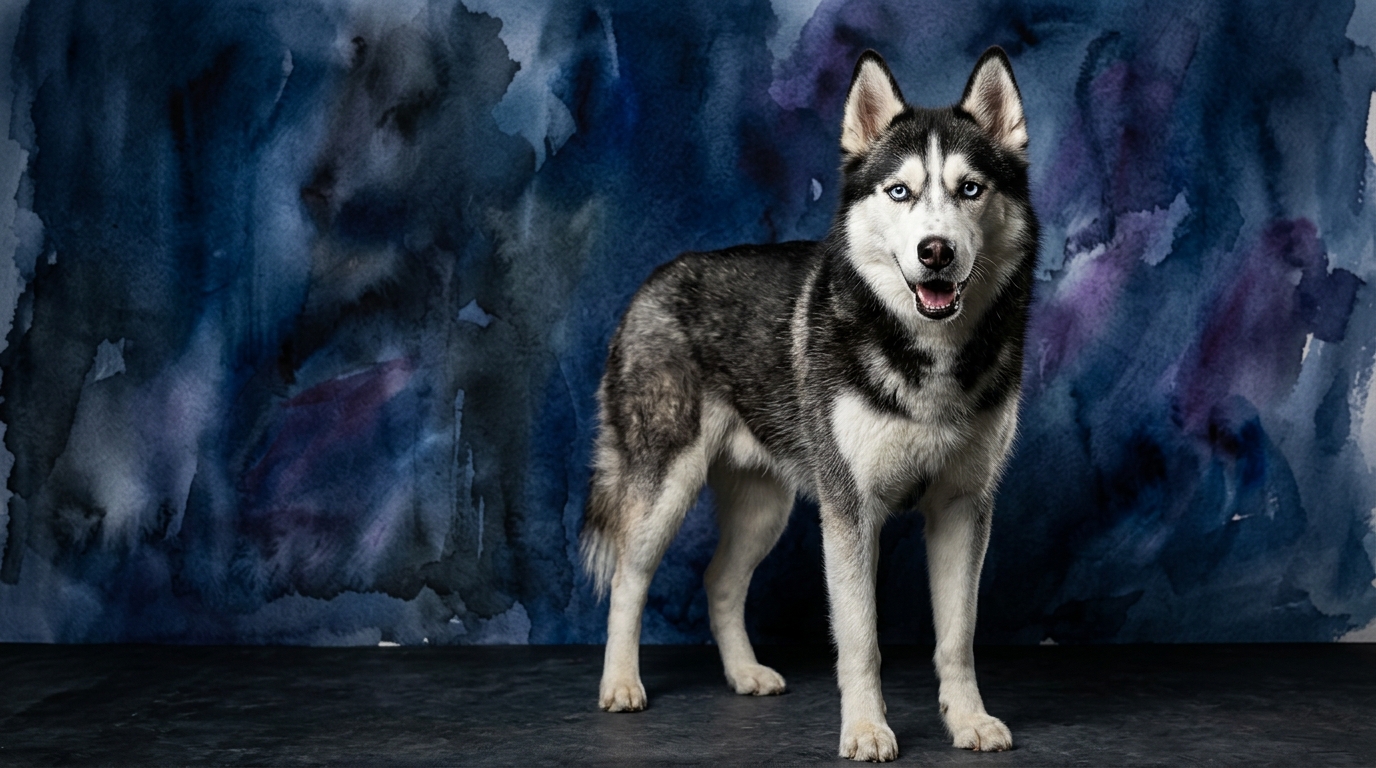
The Siberian Husky, a Working group dog, registers a Coren rank of #45, placing it in the average working intelligence category. Our Cosmic Pet Pet IQ Lab data reveals a formidable Problem Solving score of 4/5, indicative of their ingenuity in navigating challenges, often including finding ways to escape. Their Instinctive Drive is exceptionally high at 5/5, reflecting their deep-seated urge to pull and explore, while Memory also scores well at 4/5, allowing them to retain complex information over time. However, their Training Speed is a modest 2/5, pointing to an independent streak that can make conventional training a patient endeavor, and Social Intelligence sits at 3/5, suggesting they are capable of forming bonds but maintain a degree of self-reliance.
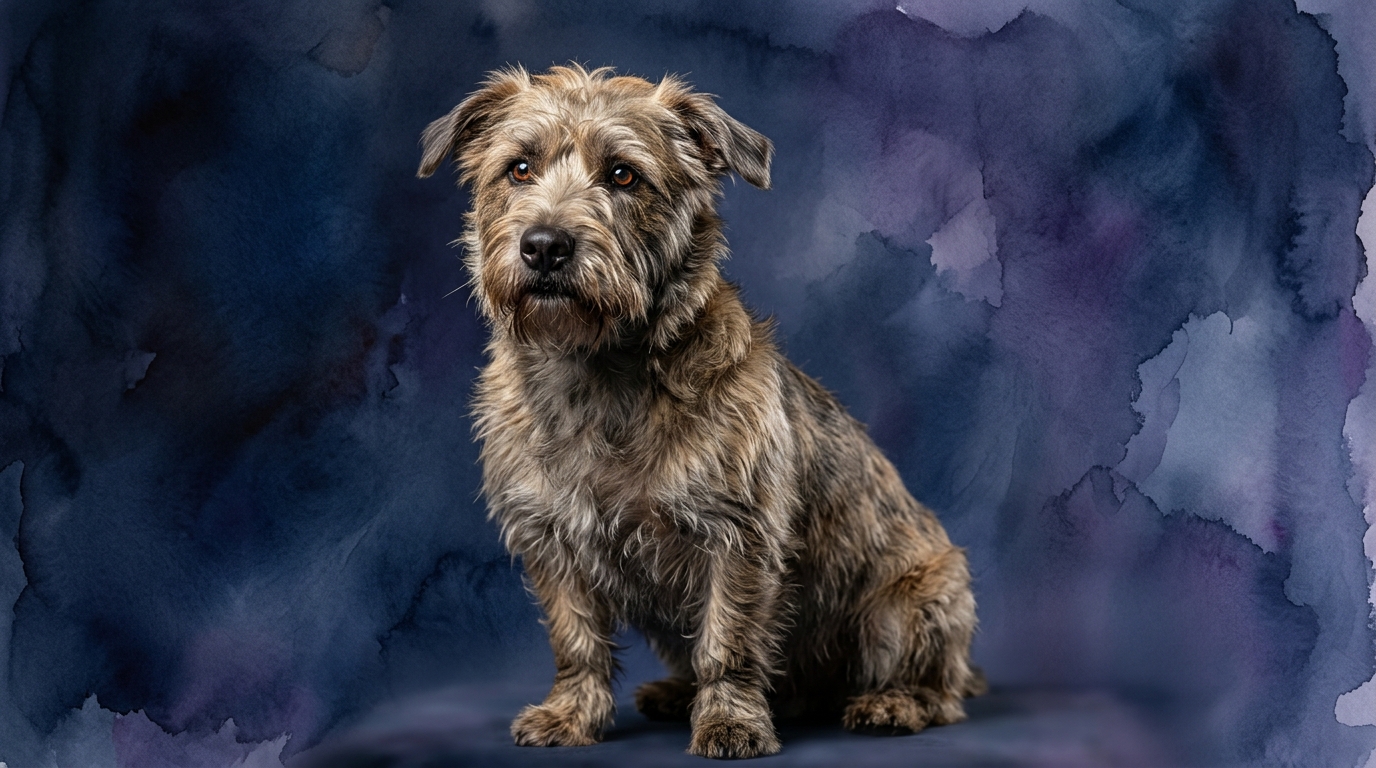
In contrast, the Glen of Imaal Terrier, a Terrier group dog, does not have a Coren ranking, but our IQ Lab provides a detailed look into its mind. This breed displays a balanced Problem Solving ability at 3/5, demonstrating practical intelligence for its original task of badger hunting. Its Training Speed is a steady 3/5, indicating a willingness to learn, though still possessing the characteristic terrier tenacity. Social Intelligence is also 3/5, showing they can connect with their human families while retaining their independent spirit. Instinctive Drive is rated at 3/5, reflecting a focused prey drive rather than the broad exploratory drive of the Husky, and Memory is 3/5, sufficient for retaining commands and routines.
Comparing these dimensions directly, the Siberian Husky excels in raw problem-solving capacity, an innate drive to work, and robust memory. These traits stem from centuries of selective breeding for endurance and navigation in harsh environments. Their cognitive prowess isn't necessarily about compliance but about effective action and self-preservation in challenging scenarios.
The Glen of Imaal Terrier, on the other hand, presents a more uniformly moderate profile across all cognitive dimensions. Their intelligence is geared towards persistence and focused determination, crucial for their historical role as badger and fox hunters. While not exhibiting the same high scores in individual categories as the Husky, their balanced intellect makes them capable learners who apply their skills with a characteristic terrier grit.
Where the Siberian Husky Wins Cognitively
The Siberian Husky's cognitive strengths are most apparent in its superior Problem Solving (4/5) and Instinctive Drive (5/5). These dogs are not just physically capable; they are highly resourceful thinkers, adept at figuring out complex situations, whether it's opening gates, navigating challenging terrain, or even strategizing how to get what they want. Their strong memory (4/5) further enhances this, allowing them to recall successful strategies and apply them in new contexts.
Their incredible instinctive drive, honed over generations for pulling sleds and covering vast distances, translates into an enduring mental fortitude. This isn't just about physical stamina; it's a profound mental resilience and focus on a task once engaged. When given a purpose that aligns with their natural inclinations, such as participating in dog sports like canicross or skijoring, their cognitive engagement is unparalleled, demonstrating a deep satisfaction in utilizing their inherent abilities.
Where the Glen of Imaal Terrier Wins Cognitively
While the Glen of Imaal Terrier's individual cognitive scores may not reach the Husky's peaks, their balanced intellect offers a unique set of advantages, particularly in Training Speed (3/5) compared to the Husky's 2/5. This suggests they are generally more receptive to structured learning and less prone to the independent-mindedness that can characterize the Husky.
The Glen's cognitive strength lies in its focused determination and practical application of intelligence. Their Instinctive Drive (3/5), while lower than the Husky's, is highly specific to their terrier heritage: a persistent, unyielding drive to pursue and dig. This translates into a dog that, once motivated, can be incredibly tenacious in solving a specific problem, such as scent work or earthdog trials, where sustained effort and focused attention are paramount. Their moderate social intelligence allows for a strong bond with their handler, which can be leveraged in training scenarios.
Which is Easier to Train and Why
When it comes to ease of training, the Glen of Imaal Terrier generally presents a more straightforward path than the Siberian Husky. The Glen's Training Speed of 3/5, coupled with its balanced social intelligence and instinctive drive, means it is often more amenable to consistent, positive reinforcement methods. While still possessing terrier stubbornness, their drive is more focused and can be channeled effectively into specific tasks, making them responsive to handlers who understand their motivations.
The Siberian Husky's Training Speed of 2/5 highlights a significant challenge for many owners. Their high problem-solving skills and overwhelming instinctive drive mean they are often more interested in pursuing their own agendas than in adhering to human commands. They bore easily with repetitive drills and possess a strong independent streak, making them less inclined to simply obey. Training a Husky requires immense patience, creativity, and a deep understanding of their unique motivations, often relying on high-value rewards and making training feel like a game rather than a chore. Their memory (4/5) means they learn quickly, but their willingness to *perform* what they've learned is often conditional on their own perceived benefit or interest in the moment.
Which Suits Active Owners vs. Relaxed Owners
The choice between these two breeds largely depends on an owner's lifestyle and their capacity to meet specific cognitive and physical needs. The Siberian Husky is unequivocally suited for highly active owners. Their 5/5 instinctive drive demands extensive physical exercise – daily runs, hikes, or sledding activities are essential to prevent boredom and destructive behaviors. Beyond physical activity, their high problem-solving capacity means they also require significant mental stimulation through puzzle toys, training challenges, and opportunities to explore. A relaxed or sedentary owner would quickly find a Husky's needs overwhelming, potentially leading to an unhappy and disruptive companion.
The Glen of Imaal Terrier, while still an active terrier, is a better fit for moderately active owners. Their 3/5 instinctive drive suggests they need regular exercise, including daily walks and opportunities to engage in mentally stimulating activities like scent games or structured play. They enjoy having a job to do, even if it's just patrolling the yard, but they do not demand the same intensity or sheer volume of activity as a Husky. Their more balanced cognitive profile means they can also appreciate quieter moments at home, making them a more adaptable companion for those who seek a capable yet less demanding canine partner.
The Verdict
Choose the Siberian Husky if you are an incredibly active individual or family seeking a highly independent, problem-solving companion for endurance activities and intellectual challenges.
Opt for the Glen of Imaal Terrier if you desire a persistent, balanced, and moderately active companion who enjoys focused tasks and offers a more manageable training experience.
🧠 Find Your Pet's IQ Score
Our Pet IQ Lab assessment covers 25+ tests across 5 cognitive dimensions — personalized to your breed.
Take the Full IQ Test →Frequently Asked Questions
Are Siberian Huskies truly difficult to train?
Siberian Huskies are often considered challenging to train due to their strong independence (Training Speed 2/5) and high instinctive drive (5/5). They are intelligent problem-solvers but prefer to follow their own instincts, requiring consistent, patient, and creative training methods focused on motivation rather than strict obedience.
What kind of mental stimulation does a Glen of Imaal Terrier need?
Glen of Imaal Terriers thrive on mental stimulation that engages their natural terrier instincts, such as scent work, earthdog trials, or puzzle toys. Their 3/5 problem-solving and instinctive drive mean they enjoy tasks that require focus and persistence, keeping their minds engaged and preventing boredom.
How does the 'instinctive drive' differ between these two breeds?
The Siberian Husky's 5/5 instinctive drive is broad and powerful, focused on endurance, pulling, and exploration over vast distances, often leading to a strong wanderlust. The Glen of Imaal Terrier's 3/5 instinctive drive is more focused and specialized, primarily centered on digging, hunting small prey, and persistent pursuit, reflecting its badger-hunting heritage.