Side-by-Side Cognitive Profile: Husky vs. Swissy
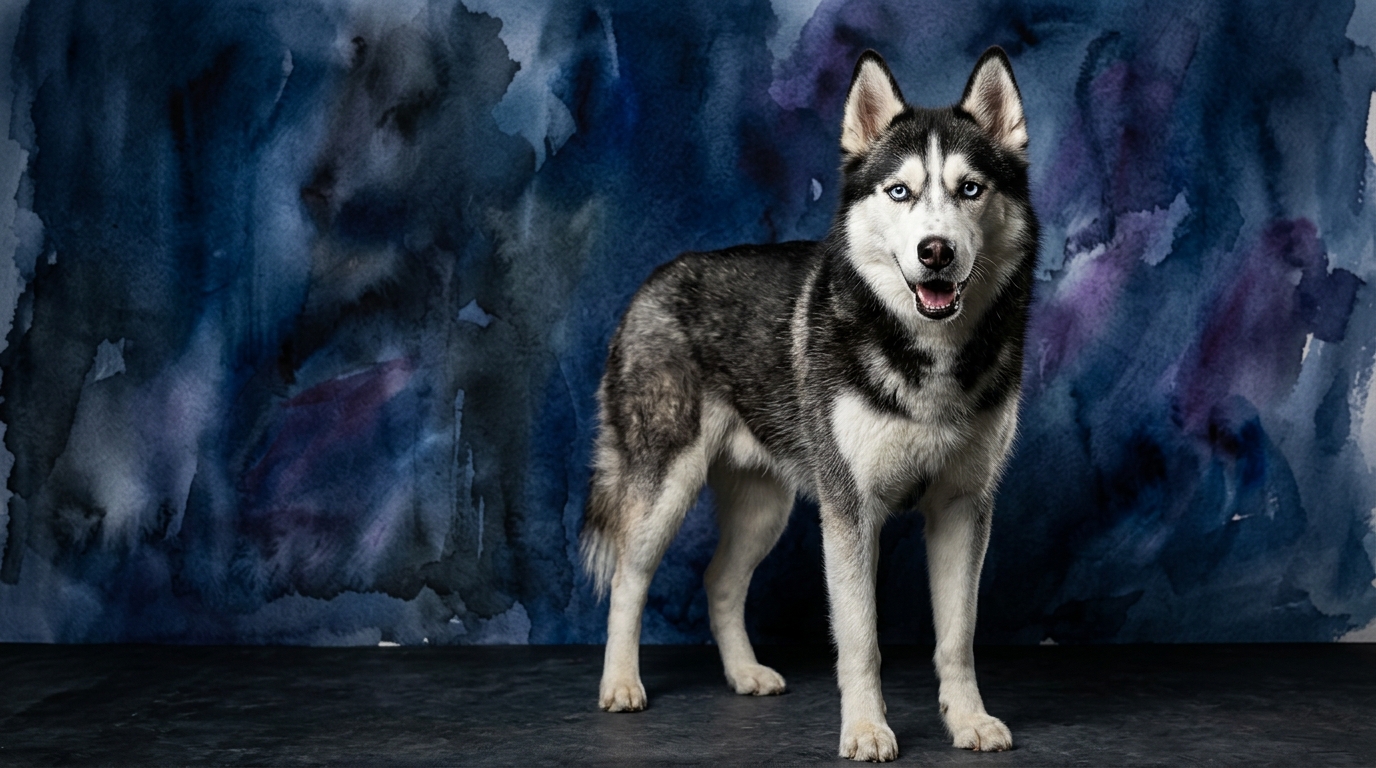
The Cosmic Pet Pet IQ Lab employs five key dimensions to map a breed's cognitive landscape, and applying this to the Siberian Husky and Greater Swiss Mountain Dog reveals their unique strengths. The Siberian Husky, ranked #45 by Coren, exhibits a problem Solving score of 4/5, indicating a sharp, often self-serving intellect capable of devising ingenious solutions to obstacles like escaping enclosures or acquiring forbidden treats. Their training Speed, however, stands at 2/5, reflecting an independent streak and a tendency to prioritize their own motivations over human directives. Social Intelligence is rated 3/5, suggesting they understand pack dynamics but aren't necessarily driven by a strong desire to please individual humans. A powerful Instinctive Drive of 5/5 highlights their profound urge to run, pull, and hunt, deeply rooted in their sled dog heritage, while their Memory at 4/5 allows them to recall complex routes and past experiences with remarkable accuracy.
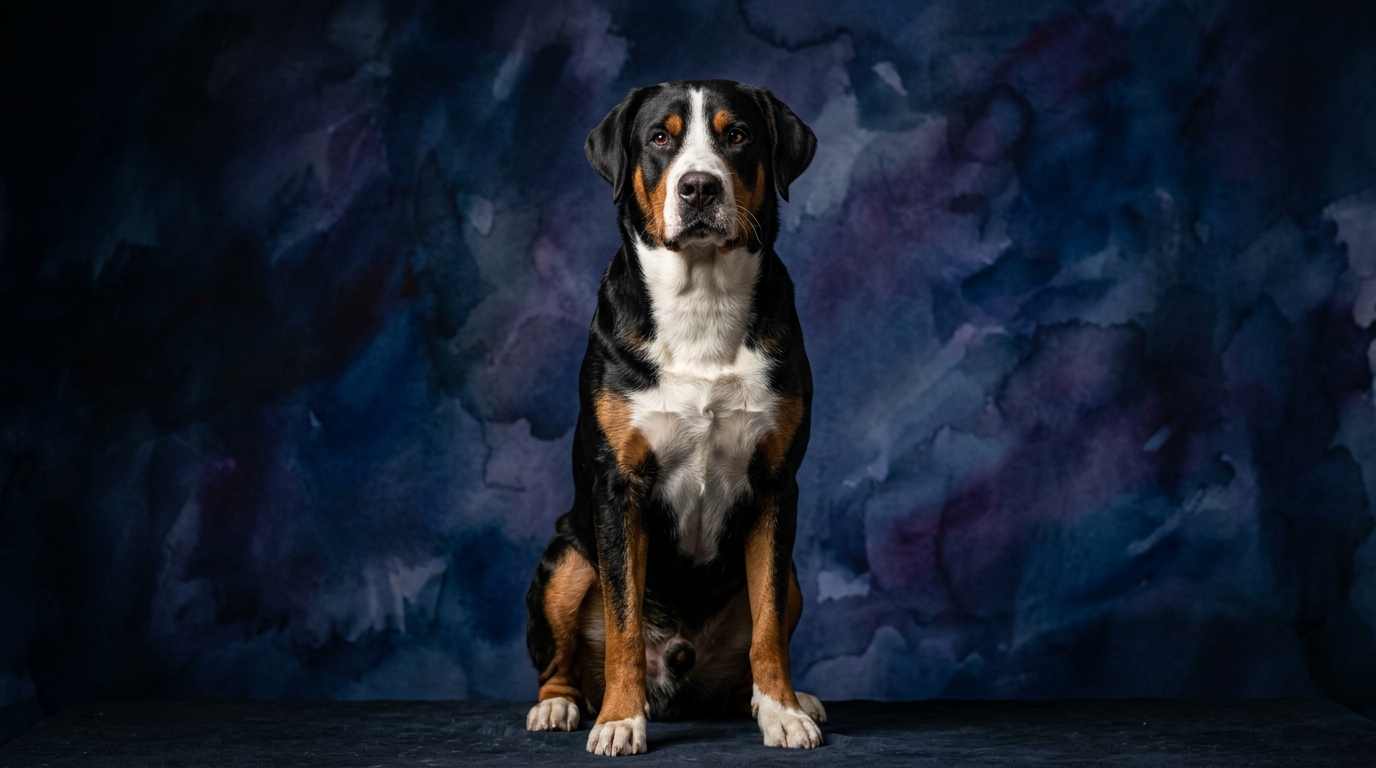
In contrast, the Greater Swiss Mountain Dog, currently not Coren-ranked, presents a more balanced, albeit different, cognitive blueprint. Their problem Solving capability scores 3/5, meaning they are competent at navigating challenges but may not display the same level of cunning or independent innovation as a Husky. Training Speed is 3/5, indicating a more amenable and responsive nature, generally willing to learn and cooperate with their human companions. Like the Husky, their Social Intelligence is 3/5, signifying a solid understanding of family dynamics and a loyal disposition without being overly effusive. Their Instinctive Drive is 3/5, encompassing a natural inclination towards guarding and companionship, but without the intense, singular focus seen in the Husky. Finally, their Memory rating of 3/5 suggests a reliable capacity to retain commands and routines, forming a consistent foundation for interaction.
Where the Siberian Husky's Cognition Shines
The Siberian Husky truly excels in areas requiring autonomous thought and raw, instinct-driven performance. Their superior problem-solving (4/5) is not merely about intelligence, but about applying that intellect to achieve their own objectives, whether that's figuring out how to open a gate or outsmarting a food puzzle. This cognitive strength, coupled with their exceptional memory (4/5), makes them formidable navigators and escape artists, recalling past successes and adjusting strategies accordingly. Owners often describe their Huskies as 'clever' or 'resourceful' precisely because of this independent cognitive application. Furthermore, their instinctive drive (5/5) is unparalleled for endurance and sustained physical effort, making them mentally and physically wired for activities that involve covering vast distances or pulling loads, a cognitive specialization that few breeds match.
Where the Greater Swiss Mountain Dog's Cognition Holds an Edge
While the Husky showcases independent brilliance, the Greater Swiss Mountain Dog's cognitive profile offers a different, equally valuable advantage: a more balanced and consistently cooperative mindset. Their training speed (3/5) is notably higher than the Husky's, indicating a greater inherent desire to engage with and respond to human instruction. This isn't necessarily about raw intellectual capacity, but about a cognitive predisposition towards partnership and biddability. Their problem-solving (3/5) is sufficient for everyday tasks, but it's often directed towards understanding and fulfilling human expectations rather than pursuing independent agendas. This steadiness across cognitive domains means they are less likely to employ their intellect for mischievous purposes, providing a more predictable and generally easier-to-manage companion for many households.
Trainability: Husky's Independence vs. Swissy's Cooperation
When it comes to training, the Greater Swiss Mountain Dog (training speed 3/5) generally presents a more straightforward experience than the Siberian Husky (training speed 2/5). The Husky's lower score stems from their highly independent nature and powerful instinctive drives. They are not unintelligent; rather, they are often more interested in their own pursuits—like exploring or chasing small animals—than in performing repetitive commands for human approval. Their problem-solving ability can even work against traditional training, as they might cleverly figure out how to avoid an unwanted task or manipulate a situation to their advantage. This requires a trainer to be exceptionally engaging, consistent, and patient, often needing to make training feel like a game or a self-serving activity for the Husky.
In contrast, the Greater Swiss Mountain Dog, with its moderate training speed, tends to be more eager to please and receptive to direction. Their instinctive drive (3/5) is more geared towards companionship and guarding, fostering a desire to work alongside their human family. They respond well to positive reinforcement and clear communication, generally showing a willingness to learn and retain commands. While they are powerful dogs, their cognitive makeup makes them more inclined to form a cooperative bond and follow leadership, making the training process feel less like a negotiation and more like a shared activity.
Matching Cognitive Profiles to Owner Lifestyles
The distinct cognitive profiles of these breeds mean they thrive with different types of owners. The Siberian Husky, with its high problem-solving, intense instinctive drive, and moderate training speed, is best suited for highly active, experienced owners who embrace outdoor adventure and mental challenges. An owner who understands and can channel their Husky's powerful urge to run and explore, providing consistent, engaging mental stimulation and secure boundaries, will find a rewarding partnership. They need an owner who appreciates a clever, independent spirit and is prepared for a dog that will consistently test limits and require creative management.
The Greater Swiss Mountain Dog, offering a more balanced cognitive spread—moderate problem-solving, training speed, and instinctive drive—is an excellent fit for owners seeking a loyal, sturdy companion with a more predictable temperament. While still requiring regular exercise, their needs are generally less intense than a Husky's. They suit owners who appreciate a devoted family member, perhaps with a large yard, who desires a dog that is eager to participate in family life and is more readily trainable. They are ideal for those who value a steady presence and cooperative nature over extreme independence or athletic demands.
The Verdict
Choose the Siberian Husky for an exhilarating partnership built on managing incredible athletic and mental drive, ideal for experienced owners ready for a persistent, clever companion who thrives on challenge.
Choose the Greater Swiss Mountain Dog for a steadfast, devoted family member who offers a balanced blend of strength, loyalty, and a moderate, trainable temperament, seeking to be an integral part of home life.
🧠 Find Your Pet's IQ Score
Our Pet IQ Lab assessment covers 25+ tests across 5 cognitive dimensions — personalized to your breed.
Take the Full IQ Test →Frequently Asked Questions
Are Siberian Huskies difficult to live with due to their IQ?
Huskies possess a unique cognitive profile, including high problem-solving and instinctive drive, which can make them challenging without consistent training and ample mental and physical stimulation. Their cleverness often manifests as finding ways to satisfy their own desires, such as escaping or getting into mischief, requiring vigilant and creative management from their owners.
How does the Greater Swiss Mountain Dog's social intelligence compare in daily life?
While rated 3/5 like the Husky, the Greater Swiss Mountain Dog's social intelligence often translates into a more overtly loyal and family-focused demeanor, seeking to be part of the household activities and showing a strong desire to please their people. They tend to bond deeply with their families, often acting as gentle guardians and affectionate companions, making them excellent family dogs.
Can a Greater Swiss Mountain Dog excel in dog sports like a Husky?
While a Greater Swiss Mountain Dog might not possess the same raw endurance or problem-solving ingenuity for complex, independent tasks as a Husky, their balanced cognitive profile and biddability make them excellent candidates for obedience, drafting, and even some agility. Their strength and steady nature allow them to excel in activities that value cooperation, power, and a willingness to work alongside their human partner.