Side-by-Side Cognitive Profile: Siberian Husky vs. Japanese Chin
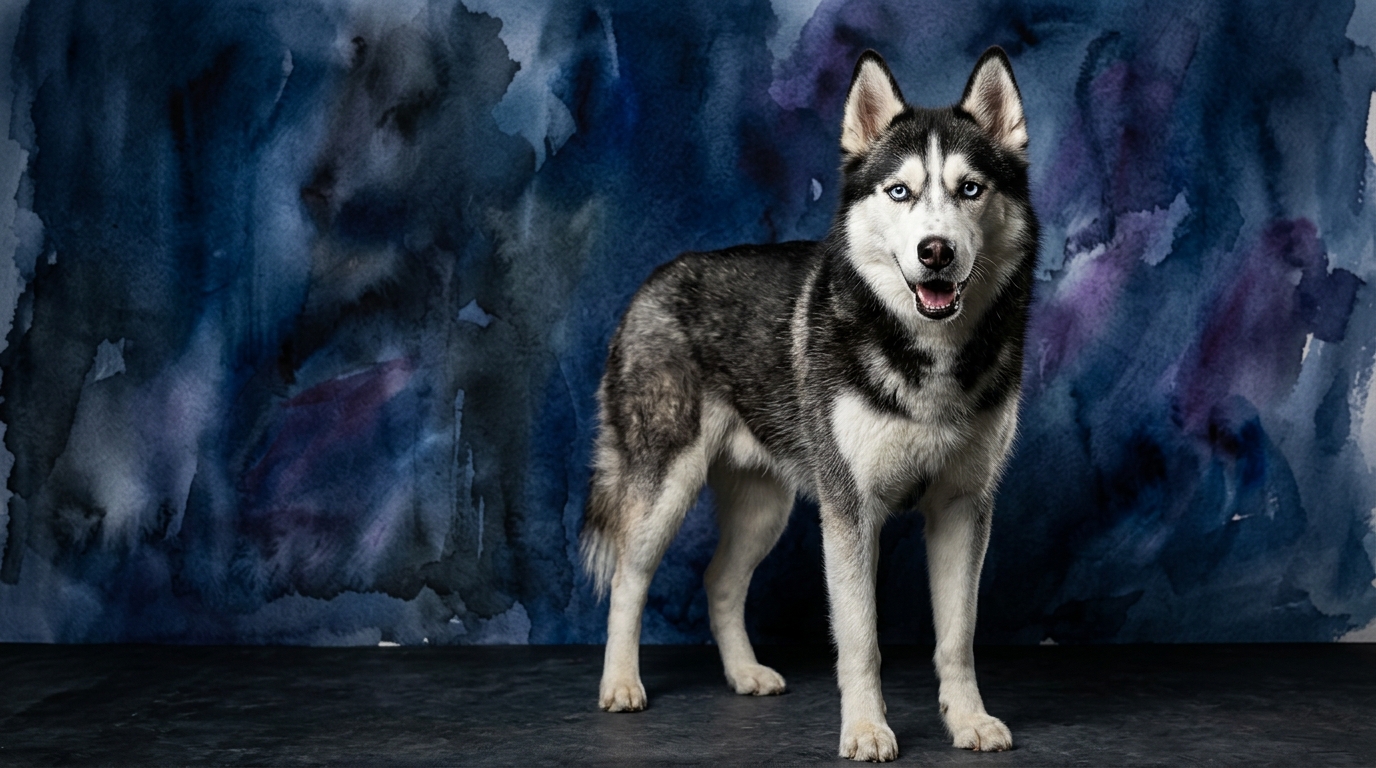
Siberian Husky (Coren Rank #45): This working breed's cognitive architecture reflects its heritage as an endurance sled dog. Its Problem Solving (4/5) is robust, often manifesting as independent thought and resourcefulness in overcoming obstacles or navigating complex terrains. However, Training Speed (2/5) is moderate, often due to an independent spirit prioritizing its own agenda. Social Intelligence (3/5) is geared towards pack dynamics, showing loyalty within its group but not always seeking constant human validation. The Instinctive Drive (5/5) is exceptionally high, encompassing powerful prey drive, wanderlust, and a strong urge to run. Its Memory (4/5) is robust, allowing recall of complex routes and learned behaviors, crucial for its working tasks.
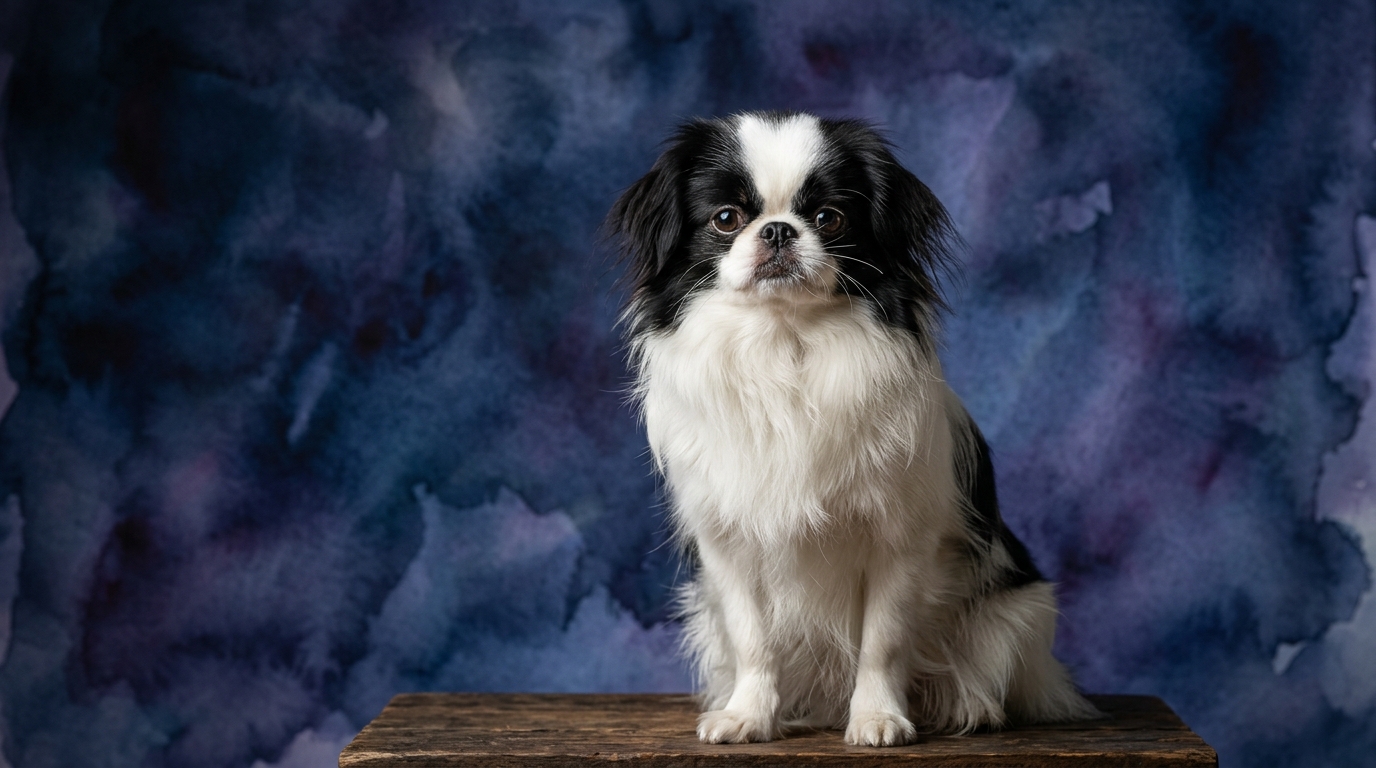
Japanese Chin (Not Coren-Ranked): As a cherished companion, the Japanese Chin's cognitive strengths lie in different areas. Its Problem Solving (3/5) is moderate, sufficient for navigating a home environment and understanding human routines, less focused on independent survival. Training Speed (3/5) is also moderate; they are generally eager to please and pick up commands with consistent, positive reinforcement, though they retain a charming, independent streak. Their Social Intelligence (3/5) is finely tuned for human interaction, making them adept at reading moods and seeking connection. The Instinctive Drive (3/5) is significantly lower, with less inclination for chasing, digging, or wandering. Their Memory (3/5) is solid, allowing them to remember routines, people, and learned tricks, contributing to their adaptability as house pets.
Where the Siberian Husky Excels Cognitively
The Siberian Husky's cognitive advantages are deeply rooted in its ancestral purpose: endurance and survival. Its superior Problem Solving (4/5) allows for remarkable ingenuity, whether figuring out how to open a gate or strategically maneuvering a sled team, reflecting intelligent adaptation. Coupled with an exceptional Instinctive Drive (5/5), manifest in their powerful desire to run and explore, Huskies possess an innate understanding of their environment. Their strong Memory (4/5), particularly for spatial information and learned sequences, would have been vital for recalling trails and tasks over long distances. These traits make them masters of navigating and interacting with the physical world on their own terms.
Where the Japanese Chin Excels Cognitively
The Japanese Chin's cognitive strengths shine in companionship and domestic harmony. While their Training Speed (3/5) is moderate, it surpasses the Husky's (2/5), indicating a greater willingness to engage with human-led instruction and a quicker grasp of desired behaviors. This often stems from their highly developed Social Intelligence (3/5), specifically oriented towards human connection, making them adept at reading moods. Their lower Instinctive Drive (3/5) is a cognitive advantage in a home setting, meaning less internal compulsion for demanding physical outlets or independent exploration. This fosters a dog that is generally more pliable for household training and attuned to its human family.
Which Breed is Easier to Train and Why
When evaluating ease of training, the Japanese Chin generally presents a more straightforward experience. The Chin's Training Speed (3/5), combined with a natural inclination to please and a lower Instinctive Drive (3/5), means they are often more receptive to learning basic commands and house rules. They typically respond well to positive reinforcement, eager to earn praise and treats, and are less likely to be distracted by external stimuli. House-training tends to be less of a battle, and recall is often more reliable due to their desire to stay close.
The Siberian Husky, conversely, with its Training Speed (2/5), often requires an experienced, patient, and firm hand. Their formidable Instinctive Drive (5/5) for running and exploring means they are easily distracted and highly motivated by their own internal compass. A Husky might understand a command quickly but choose to ignore it if something more interesting presents itself. Their Problem Solving (4/5) can even be used to circumvent training efforts. Leash training and recall are particularly challenging due to their powerful wanderlust, requiring extensive, consistent effort and secure containment.
Which Suits Active Owners vs. Relaxed Owners
The choice between these breeds hinges significantly on an owner's lifestyle. The Siberian Husky, with its exceptional Instinctive Drive (5/5) for physical activity and exploration, coupled with its robust Problem Solving (4/5), is ideal for highly active and experienced owners. These dogs thrive with regular, intense exercise like running or hiking, and consistent, engaging training to channel their independent nature. A sedentary owner would likely find a Husky's energy and drive overwhelming, potentially leading to behavioral issues from boredom.
In contrast, the Japanese Chin, with its moderate Instinctive Drive (3/5) and focus on human companionship through Social Intelligence (3/5), is perfectly suited for more relaxed owners. While they enjoy gentle walks and playtime, their exercise needs are modest, making them excellent apartment dwellers. Their cognitive profile lends itself to a calm home environment, where social engagement and moderate problem-solving are applied to family interaction. Owners appreciating a devoted lap dog that doesn't demand extensive outdoor adventures will find the Japanese Chin delightful.
The Verdict
Choose the Siberian Husky if you are an experienced, highly active owner who thrives on outdoor adventures and is prepared for a cognitively complex, independent companion requiring significant physical and mental engagement. Their robust problem-solving and powerful instinctive drives demand an owner who can consistently channel their energy and intelligence.
Opt for the Japanese Chin if you seek a devoted, gentle companion for a more relaxed lifestyle, appreciating a dog with moderate energy and a strong desire for human connection. Their amenable training speed and lower instinctive drives make them a charming and adaptable pet for those who prioritize indoor companionship and gentle interaction.
🧠 Find Your Pet's IQ Score
Our Pet IQ Lab assessment covers 25+ tests across 5 cognitive dimensions — personalized to your breed.
Take the Full IQ Test →Frequently Asked Questions
Do Siberian Huskies learn quickly?
Siberian Huskies often grasp new commands and tasks rapidly due to their problem-solving abilities and memory. However, their independent nature and strong instinctive drives mean they may choose not to comply, making consistent training and motivation key to reliable obedience.
Are Japanese Chins good apartment dogs?
Yes, Japanese Chins are generally excellent apartment dogs. Their moderate energy levels and lower instinctive drives mean they don't require vast spaces or extensive outdoor exercise, thriving instead on indoor companionship and gentle play with their human family.
How do a Husky's and Chin's social intelligence differ?
While both score 3/5, a Husky's social intelligence is often geared towards pack dynamics and independent interaction within a group, whereas a Chin's is finely tuned for close human companionship, excelling at reading subtle cues and seeking intimate connection with their primary caregivers.