Side-by-Side IQ Profile: Deconstructing Canine Cognition
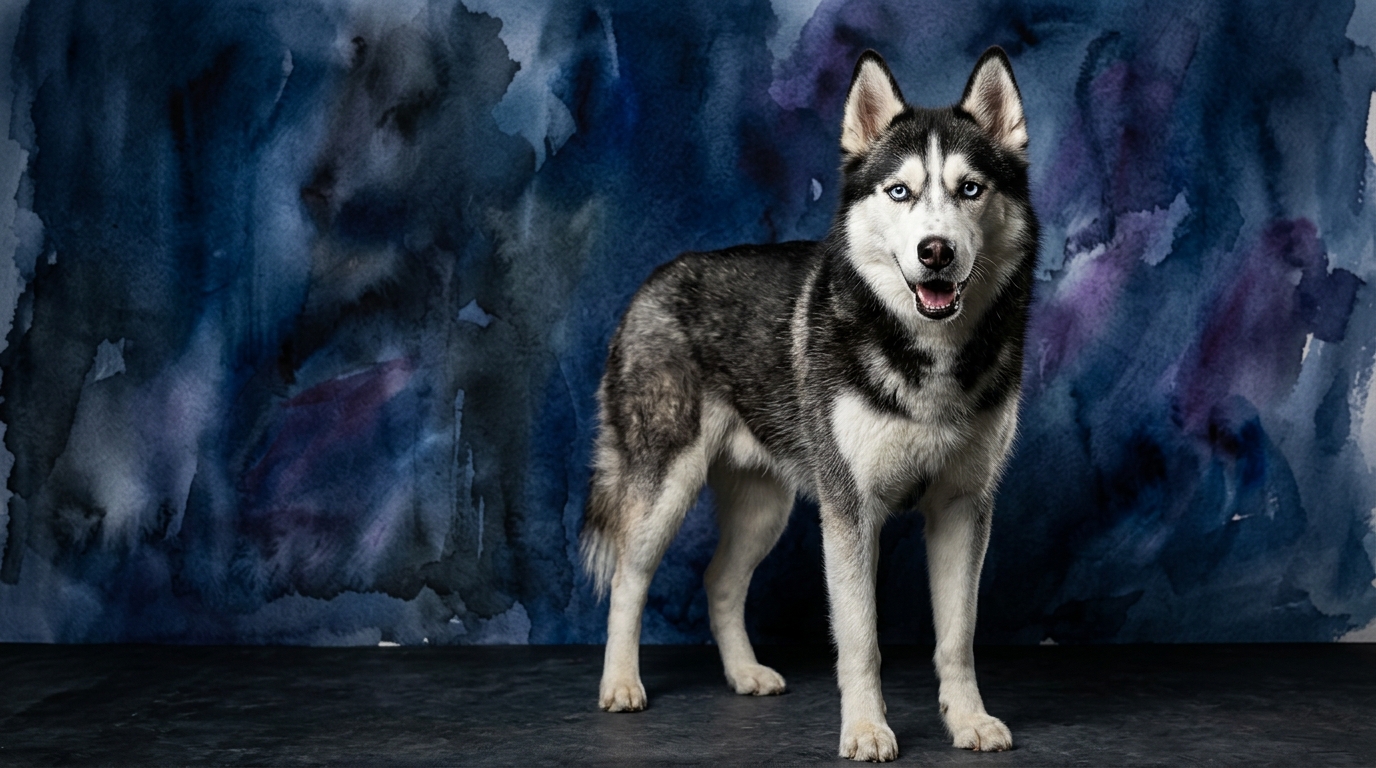
The Cosmic Pet IQ Lab assesses canine intelligence across five critical dimensions, offering a detailed look at how the Siberian Husky and Keeshond approach the world. For the Siberian Husky, a Working group dog, problem-solving registers at a robust 4/5. This reflects their inherent resourcefulness and ability to navigate complex environments or situations, often finding creative solutions to achieve their goals. However, their training speed is a modest 2/5, indicating they may take more repetitions and patience to grasp new commands. Social intelligence for the Husky stands at 3/5, meaning they are aware of social cues but maintain a degree of independence. Their instinctive drive is exceptionally high at 5/5, manifesting as a powerful urge to run, pull, and explore, driven by their ancestral role. Memory is a respectable 4/5, allowing them to recall learned tasks and routines effectively, though this can sometimes extend to remembering past 'escapes' or clever tricks.
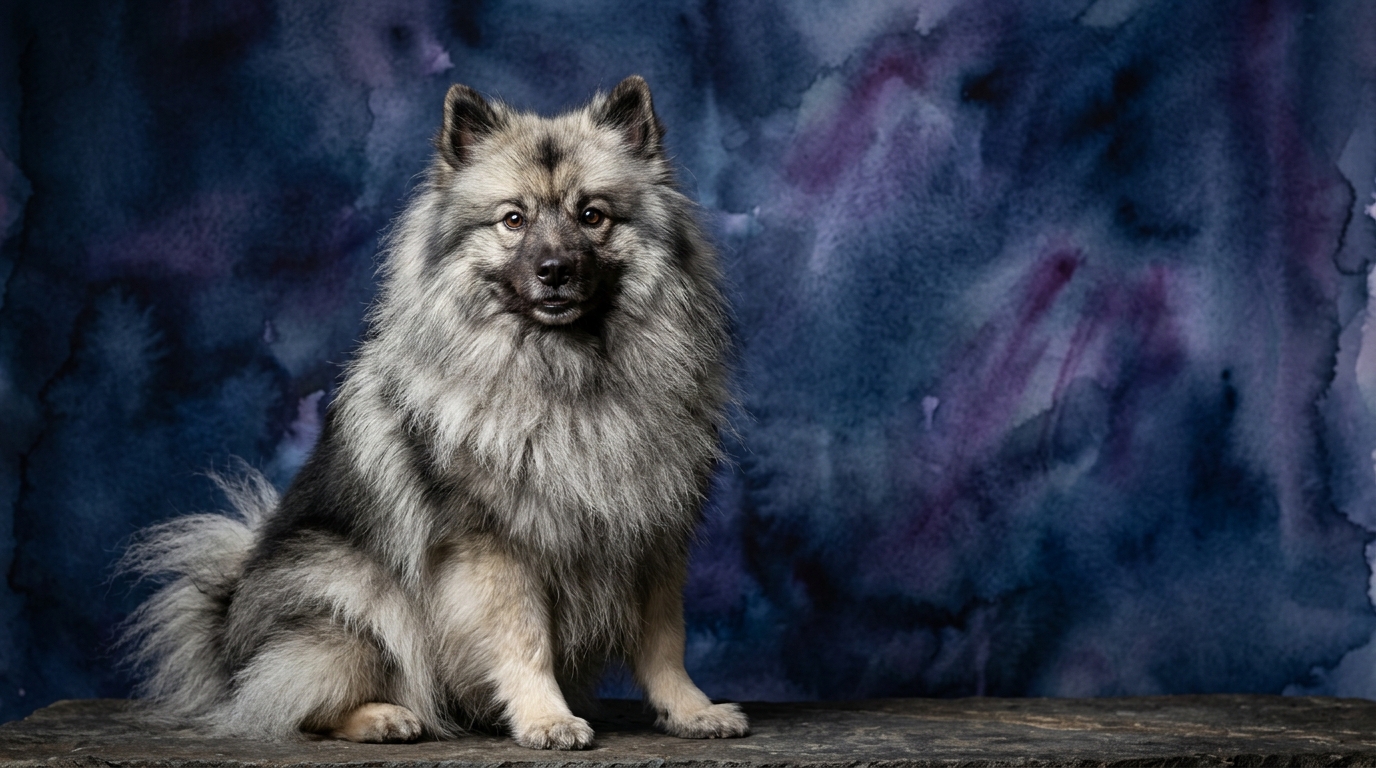
Shifting focus to the Keeshond, a Non-Sporting group dog, we observe a distinct cognitive blueprint. Their problem-solving ability also scores 4/5, demonstrating a similar capacity for cleverness and navigating challenges. A significant difference emerges in training speed, where the Keeshond excels with a 4/5 rating, suggesting they are quick learners who readily absorb new commands and routines. Social intelligence is rated 3/5, similar to the Husky, implying they are attuned to human emotions but can be reserved with strangers. Their instinctive drive is moderate at 3/5, less intense than the Husky's, with a balanced expression of natural urges. Where the Keeshond truly shines is in memory, achieving a perfect 5/5. This exceptional recall underpins their trainability and allows them to retain complex sequences and experiences with remarkable clarity, contributing significantly to their higher Coren ranking.
Where the Siberian Husky Wins Cognitively
The Siberian Husky's cognitive strengths are deeply rooted in their heritage as endurance sled dogs, particularly evident in their instinctive drive and resourceful problem-solving. Their 5/5 instinctive drive isn't merely about physical energy; it’s a powerful internal compass that guides them through challenging environments, enabling them to make decisions autonomously when pulling a sled or navigating vast landscapes. This drive translates into an innate ability to assess and react to their surroundings with minimal human prompting, a crucial trait for survival and performance in demanding conditions. They excel in tasks requiring sustained focus on a goal, like following a scent trail over long distances or finding a way around an obstacle in their path.
Their 4/5 problem-solving score, combined with this strong drive, means Huskies often display a clever independence. They might figure out how to open gates, unlatch crates, or find novel routes to forbidden areas. This isn't defiance as much as it is a demonstration of their capacity to analyze a situation and devise a solution, even if it's not the one their human intended. This cognitive agility, particularly in dynamic, outdoor settings, gives them an edge in scenarios where self-reliance and environmental awareness are paramount. They might not be the quickest to learn a 'stay' command, but they are exceptionally adept at navigating complex physical challenges and making independent decisions in the moment.
Where the Keeshond Wins Cognitively
The Keeshond's cognitive advantages are largely attributed to their superior training speed and exceptional memory, qualities that position them high on Coren's ranking. With a training speed of 4/5 and a memory score of 5/5, Keeshonden are remarkably adept at acquiring and retaining new information. This means they can learn complex commands, multi-step routines, and intricate tricks with fewer repetitions than many other breeds. Their strong memory ensures that once a lesson is learned, it is not easily forgotten, leading to consistent performance over time. This makes them particularly suitable for advanced obedience, rally, or trick training where precision and recall are vital.
Beyond formal training, the Keeshond's cognitive prowess also manifests in their nuanced social intelligence and ability to adapt to human household dynamics. While their social intelligence is rated 3/5, similar to the Husky, their eagerness to please and strong memory for positive interactions contribute to a highly cooperative nature. They are often described as being very attuned to their owners' moods and routines, quickly learning what is expected of them within a home environment. This combination of quick learning, lasting memory, and a desire for companionship allows them to integrate seamlessly into family life, making them highly responsive and emotionally intelligent companions in a domestic setting.
Which Is Easier to Train and Why
When it comes to ease of training, the Keeshond clearly holds an advantage over the Siberian Husky. The Keeshond's 4/5 training speed and perfect 5/5 memory score translate into a dog that is eager to learn and retains lessons remarkably well. They are generally responsive to commands, thrive on positive reinforcement, and quickly understand what is being asked of them. Their historical role as companion and watchdogs meant they needed to be attentive to their human families and surroundings, fostering a cooperative temperament. This inherent desire to please, coupled with their cognitive strengths, makes them a joy to train, capable of mastering a wide repertoire of commands and behaviors with relative ease and consistency.
In contrast, the Siberian Husky presents a more significant training challenge, reflected in their 2/5 training speed and formidable 5/5 instinctive drive. Huskies are independent thinkers, bred to make decisions far from human guidance, which often means they prioritize their own instincts—like the urge to run or chase—over human commands. Their attention can be easily diverted by environmental stimuli, requiring trainers to be exceptionally engaging and consistent. While they possess a 4/5 memory, this can sometimes work against their owners, as they remember what they can get away with just as well as what they've been taught. Training a Husky demands immense patience, creativity, and a deep understanding of their unique motivational drives to overcome their natural independence and strong prey instincts. This behavioral difference is a key factor in their respective Coren ranks, with the Keeshond's cooperative nature contributing to its #16 placement, while the Husky's independent spirit places it at #45.
Which Suits Active Owners vs. Relaxed Owners
The distinct cognitive and physical profiles of these breeds mean they are suited for very different owner lifestyles. The Siberian Husky, with its 5/5 instinctive drive and history as a working sled dog, thrives with active owners who can provide ample physical and mental stimulation. These dogs require daily, rigorous exercise that goes beyond a simple walk; they need opportunities to run, explore, and engage their problem-solving skills in dynamic environments. Owners who enjoy activities like running, hiking, biking, or even dog sports that mimic their natural pulling instincts will find a Husky to be a willing and enthusiastic partner. Their independent nature also means they appreciate owners who understand the need for consistent, engaging training that respects their drive while channeling it constructively.
Conversely, the Keeshond is an excellent fit for owners seeking a more relaxed yet still engaged companion. While they benefit from regular walks and playtime, their instinctive drive of 3/5 means their exercise requirements are generally less intense than a Husky's. Keeshonden are more content with being close to their human families, enjoying indoor activities, and participating in shorter, but mentally stimulating, training sessions. Their strong memory and eagerness to learn make them suitable for owners who enjoy teaching tricks or participating in lower-impact dog sports like obedience or rally. They adapt well to various living situations, from apartments to houses with yards, as long as they receive consistent attention and mental engagement, making them ideal for owners who prefer companionship over extreme athleticism.
The Verdict
Choose a Siberian Husky if you are an active, experienced owner prepared for a highly driven, independent companion who thrives on challenging physical and mental engagement, appreciating their clever problem-solving in dynamic environments.
Opt for a Keeshond if you seek a cooperative, intelligent companion eager to learn and please, with exceptional memory for training, suitable for a moderately active household that values close companionship and mental stimulation over intense physical demands.
🧠 Find Your Pet's IQ Score
Our Pet IQ Lab assessment covers 25+ tests across 5 cognitive dimensions — personalized to your breed.
Take the Full IQ Test →Frequently Asked Questions
Does the Siberian Husky's high instinctive drive make them difficult to live with?
The Husky's 5/5 instinctive drive, including a strong prey drive and urge to run, requires significant management. While it can be challenging for inexperienced owners, with consistent training, secure containment, and ample outlets for their energy, this drive can be channeled into positive activities like sledding or hiking, making them wonderful companions.
How does the Keeshond's memory impact their daily behavior?
The Keeshond's 5/5 memory score means they remember commands, routines, and experiences exceptionally well. This makes them highly predictable and reliable once trained, but it also means they remember negative experiences, so positive reinforcement and consistent training methods are crucial for fostering good habits and a strong bond.
Are Siberian Huskies truly less intelligent than Keeshonden, given their Coren ranks?
Coren's rank primarily reflects 'working and obedience intelligence' or trainability. While the Keeshond (#16) is quicker to learn and more obedient than the Husky (#45), the Husky's 4/5 problem-solving and 5/5 instinctive drive highlight a different, equally valid form of intelligence centered on independence, resourcefulness, and adaptability in challenging environments. It's a difference in cognitive strengths, not overall capacity.