Side-by-Side Cognitive Profiles
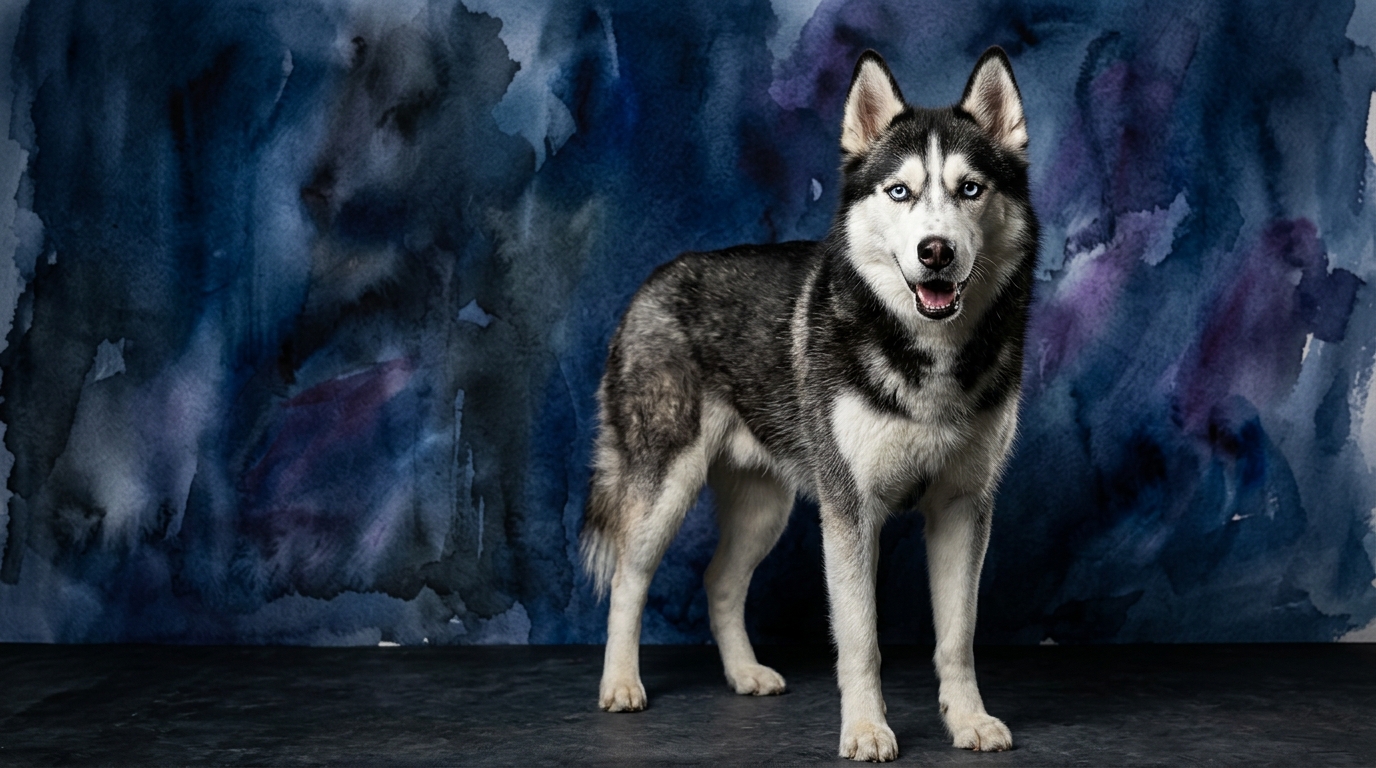
**Siberian Husky**: This working breed, Coren-ranked #45, exhibits a robust independent mind. Their Problem Solving is rated 4/5, reflecting their resourcefulness in navigating complex environments and their knack for escaping enclosures or finding novel solutions to perceived obstacles. Training Speed stands at 2/5; their independent nature means they often weigh commands against their own agenda, requiring highly engaging and consistent methods. Social Intelligence is 3/5, indicating they are capable of forming strong pack bonds but are not typically driven by a desire for constant human approval. Instinctive Drive is a powerful 5/5, encompassing a strong wanderlust, prey drive, and an intrinsic need for sustained physical exertion, often expressed through pulling. Their Memory is 4/5, allowing them to recall routes, routines, and experiences with considerable detail.
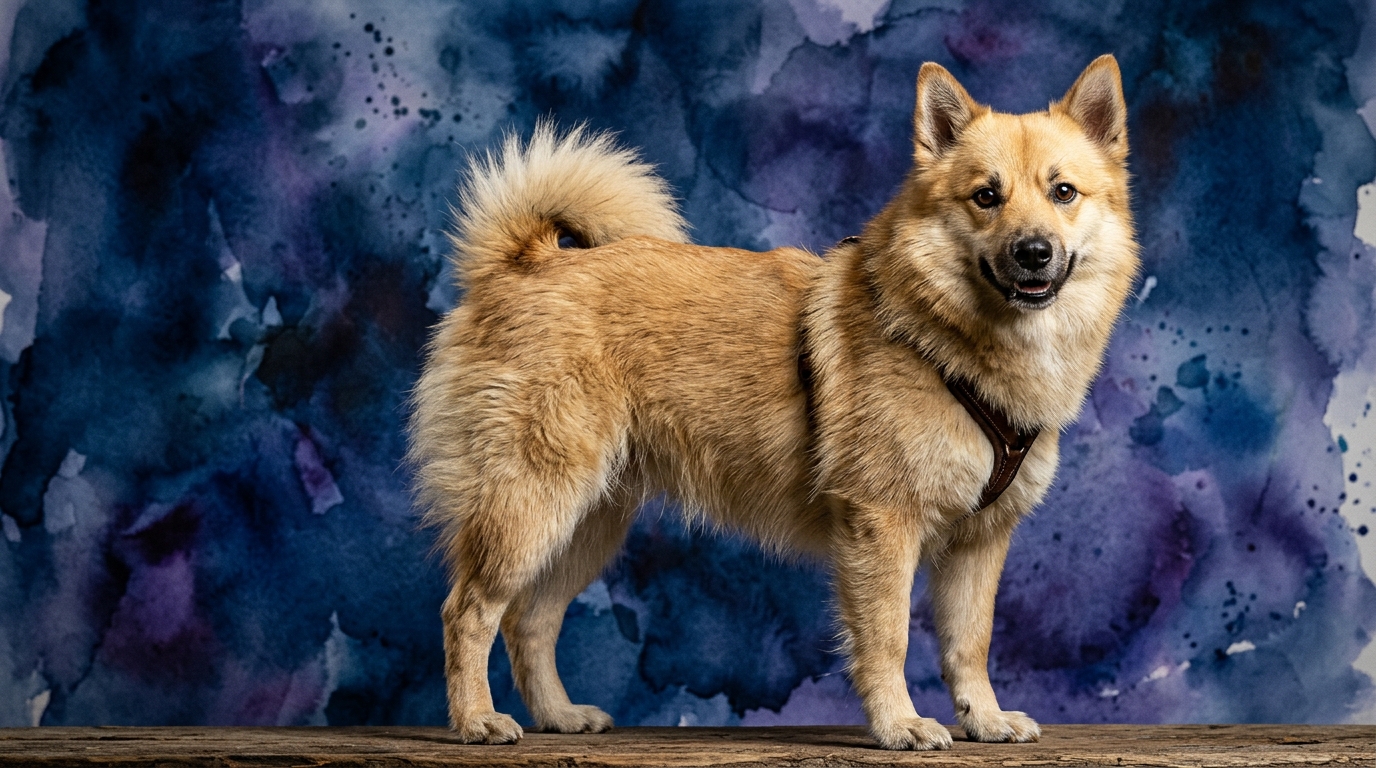
**Norwegian Buhund**: As a herding breed, the Buhund, while not Coren-ranked, presents a different cognitive blueprint. Their Problem Solving is 3/5; they are capable of independent thought but generally prefer to work collaboratively with their human, often looking for guidance rather than devising their own solutions to complex issues. Training Speed is 3/5, indicating a moderate pace of learning, often spurred by an eagerness to please and a desire for engagement. Social Intelligence is 3/5, characterized by strong family bonds, vigilance, and responsiveness to human social cues, making them attentive companions. Instinctive Drive is 3/5, manifesting as a manageable herding instinct and a moderate prey drive, generally less intense than that of the Husky. Their Memory is 3/5, sufficient for retaining commands, routines, and recognizing individuals, though perhaps not with the Husky's extensive environmental recall.
Where the Siberian Husky Excels Cognitively
The Siberian Husky's cognitive advantages are deeply rooted in their history as endurance sled dogs, where independent decision-making was paramount for survival. Their Problem Solving, rated 4/5, shines in scenarios demanding ingenuity and self-reliance; Huskies are adept at figuring out how to bypass obstacles, open gates, or navigate unfamiliar terrain without direct human instruction. This translates into a remarkable spatial awareness and adaptive thinking crucial for their original role. Furthermore, their Instinctive Drive, a perfect 5/5, isn't just about physical stamina but also a powerful, inherent motivation for sustained activity and exploration. This intrinsic drive enables them to maintain focus and effort over long distances and challenges, a cognitive strength in its own right. Their Memory, at 4/5, supports this by allowing them to retain complex routes and environmental details, informing their independent actions and choices in varied settings.
Where the Norwegian Buhund Excels Cognitively
The Norwegian Buhund's cognitive strengths stem from its heritage as a watchful and cooperative herding dog. While their Problem Solving is rated 3/5, their approach often involves seeking human input, making them less prone to the independent, sometimes destructive, "escape artist" tendencies seen in Huskies. Their real advantage lies in their Training Speed, rated 3/5, which, combined with their Social Intelligence (3/5), translates into a greater willingness to engage with human instruction. Buhunds generally exhibit a more focused attentiveness during training sessions, eager to understand and execute commands. This cooperative inclination means they are often quicker to grasp new concepts when taught by a human, making them highly receptive partners in structured activities. Their vigilance, a facet of their social intelligence, means they are attuned to their environment and their family, allowing them to be responsive and engaged companions.
Which is Easier to Train and Why
When considering ease of training, the Norwegian Buhund generally presents a more straightforward experience than the Siberian Husky. The Buhund's herding background instilled a desire to work alongside humans, making them naturally more attentive and responsive to commands. They tend to be eager to please and find satisfaction in cooperative tasks, which translates into a quicker grasp of new instructions and a higher likelihood of consistent performance. Their vigilance and focus on their human companions mean they are less easily distracted during training sessions. In contrast, the Siberian Husky's independent working dog heritage often means they evaluate commands based on their own perceived self-interest or immediate desires. Their strong instinctive drives—such as a powerful prey drive and an inherent wanderlust—can easily override a handler's directives, leading to selective hearing or outright disobedience if not sufficiently motivated. Training a Husky demands exceptional patience, creativity, and consistency, often requiring methods that make training feel like a game or a challenge rather than rote obedience.
Which Suits Active Owners vs. Relaxed Owners
Neither the Siberian Husky nor the Norwegian Buhund is suited for truly "relaxed" owners who prefer minimal engagement. Both breeds require significant physical and mental stimulation, but their needs differ in intensity and type. The Siberian Husky unequivocally suits highly active owners who are prepared for extreme levels of physical exertion. These dogs thrive on sustained running, sledding, or long-distance hiking, and without an outlet for their immense energy and instinctive drives, they can become bored and destructive. They need owners who embrace an adventurous lifestyle and can provide extensive purpose-driven exercise. The Norwegian Buhund, while also active, might be a better fit for active owners who prefer more structured activities and interactive engagement. They excel in dog sports like agility, obedience, and herding, enjoying mental and physical challenges alongside their human. While they need daily exercise, their energy is generally more manageable and less prone to the extreme wanderlust often seen in Huskies, making them adaptable to varied activity levels within an active family setting.
The Verdict
Choose a Siberian Husky if you are an adventurous, highly active individual or family prepared to commit to extensive daily exercise, embrace their independent spirit, and appreciate a resourceful, sometimes challenging, companion.
Opt for a Norwegian Buhund if you seek an engaging, cooperative, and attentive companion for dog sports, consistent training, and an active family life, valuing their loyalty and watchful nature.
🧠 Find Your Pet's IQ Score
Our Pet IQ Lab assessment covers 25+ tests across 5 cognitive dimensions — personalized to your breed.
Take the Full IQ Test →Frequently Asked Questions
Are Siberian Huskies good family dogs?
Yes, Siberian Huskies are generally good family dogs and can be very affectionate with their human "pack," often enjoying the company of children and other dogs. However, their independent nature means they aren't always seeking constant interaction, and their strong prey drive requires careful management around smaller pets.
What kind of activities do Norwegian Buhunds excel at?
Norwegian Buhunds thrive in activities that engage their cooperative nature and athleticism, such as agility, obedience, rally, and herding trials. They enjoy having a job to do alongside their human, making them excellent partners for various dog sports and training endeavors.
Do Siberian Huskies need a lot of mental stimulation?
Absolutely. Beyond their significant physical needs, Huskies require substantial mental engagement to prevent boredom, which can lead to destructive behaviors like digging, chewing, or escaping. Puzzle toys, varied training, and exploring new environments are crucial for their cognitive well-being.