Side-by-Side Cognitive Profiles
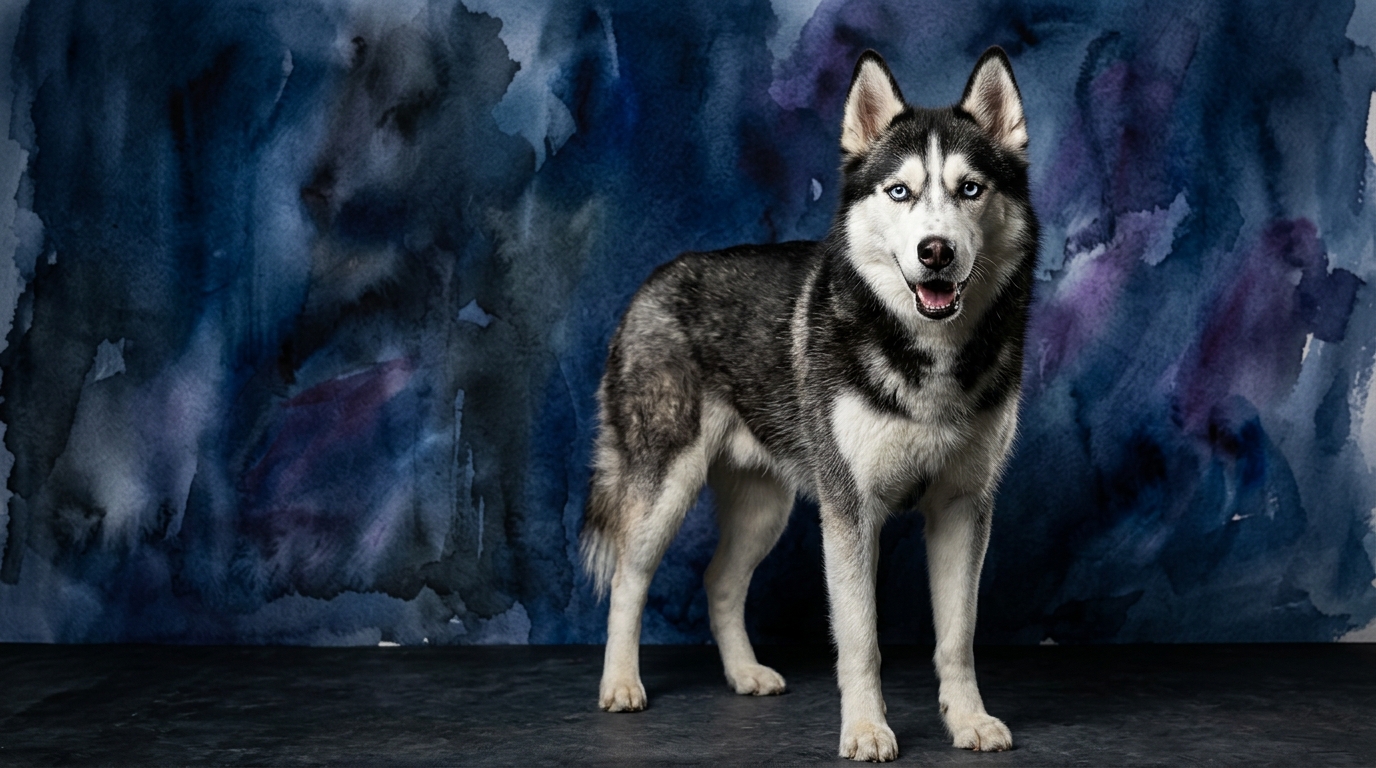
Siberian Huskies, recognized by Stanley Coren as ranking #45 in working intelligence, demonstrate a Problem Solving aptitude of 4/5, often creatively overcoming obstacles like latches or fences to achieve their goals. Their Training Speed is 2/5, reflecting an independence that demands patient, innovative methods, while their Social Intelligence stands at 3/5, friendly but often prioritizing canine interaction or personal objectives. A potent Instinctive Drive of 5/5 fuels their desire to run and explore, complemented by a Memory score of 4/5, allowing them to retain complex spatial and experiential information.
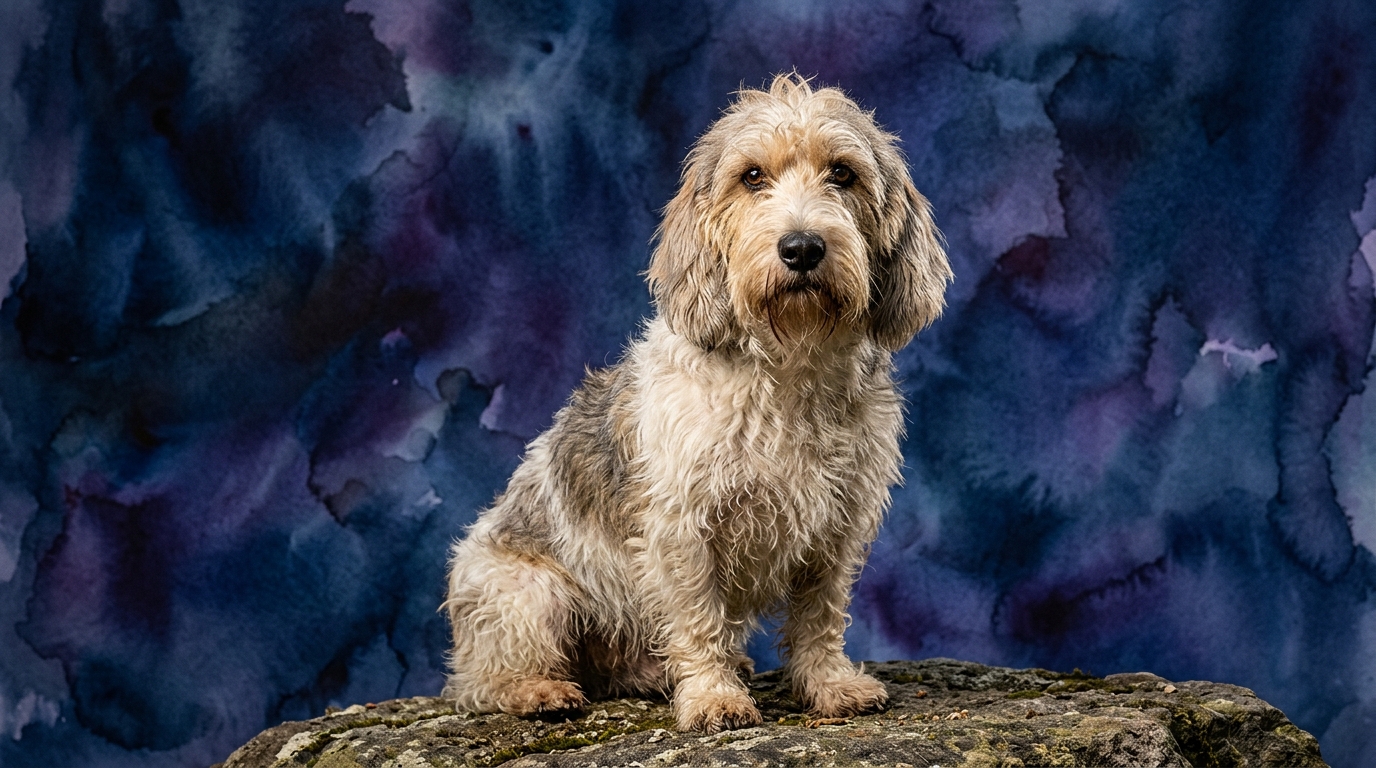
The Petit Basset Griffon Vendéen (PBGV), not included in Coren's ranking, presents a distinct cognitive profile: Problem Solving at 3/5, particularly strong in olfactory challenges, and a Training Speed of 3/5, indicating a more amenable, though still scent-distracted, learning process. Their Social Intelligence is 3/5, manifesting as a cheerful, companionable nature, while an Instinctive Drive of 3/5 centers primarily on tracking scents. Their Memory is rated 3/5, sufficient for routines and commands, but perhaps less intricate than their working dog counterparts.
Where the Siberian Husky Cognitively Excels
The Siberian Husky’s Problem Solving score of 4/5 isn't merely theoretical; it's a testament to their heritage as resilient survivalists. These dogs demonstrate a cunning ability to strategize and execute complex actions, whether it's figuring out how to open a gate, unlatch a crate, or navigate intricate terrain to return home. Their mental agility in assessing and manipulating their environment points to a cognitive flexibility developed for independence in challenging conditions.
An Instinctive Drive of 5/5 in the Husky is a profound cognitive commitment to purpose. This isn't just physical energy; it's a deep-seated mental motivation to engage in activities like pulling or covering vast distances. This drive means they possess an internal compass and a relentless focus when pursuing an objective, making them unparalleled in endurance-based tasks that demand sustained mental and physical engagement.
With a Memory score of 4/5, Huskies exhibit a robust capacity for recall, particularly concerning spatial awareness and past experiences. They can remember intricate routes, the location of resources, and the outcomes of previous interactions with remarkable clarity. While this doesn't always translate to immediate obedience, it signifies a sophisticated ability to store and retrieve information, crucial for navigating their world.
Where the Petit Basset Griffon Vendéen Shows Cognitive Strengths
The Petit Basset Griffon Vendéen’s Training Speed of 3/5, while not exceptional, positions them as generally more receptive to conventional training methods compared to the Husky’s 2/5. Their desire for human companionship often translates into a willingness to engage in training sessions, especially when positive reinforcement is applied. They tend to form associations between commands and rewards more readily, making the initial stages of obedience training a somewhat smoother process, provided environmental distractions are minimized.
While both breeds score 3/5 in Social Intelligence, the PBGV's expression often aligns more closely with a domestic companion's ideal. Their gregarious nature means they actively seek out and thrive on human interaction, displaying a cheerful enthusiasm for family life. This direct engagement contrasts with the Husky's more independent social approach, where interaction might be sought but often on their own terms, making the PBGV's social cognition feel more outwardly affectionate and participatory.
Perhaps the most unique cognitive strength of the PBGV lies in their specialized scent-based problem-solving. While their general problem-solving is 3/5, their olfactory intelligence is extraordinary. They possess an innate ability to decipher complex scent puzzles, tracking faint trails and distinguishing between myriad odors with remarkable accuracy. This specific cognitive skill, honed over generations for hunting, allows them to navigate and understand their world primarily through an intricate tapestry of smells, a feat of sensory processing.
Trainability: A Tale of Two Temperaments
When assessing trainability, the Petit Basset Griffon Vendéen generally presents a more straightforward path for the average owner. Their 3/5 Training Speed indicates they are responsive to consistent, positive reinforcement, and their desire to be involved with their human family often motivates them to learn. However, their profound scent drive means that outdoor training can become a test of wills, as a compelling odor can instantly hijack their attention, requiring owners to be exceptionally engaging and patient.
Conversely, training a Siberian Husky, with a Training Speed of 2/5, demands a different level of commitment and ingenuity. Huskies learn quickly but often possess a strong independent streak, evaluating whether a command aligns with their current desires or instincts. Their high instinctive drive means they are easily tempted by opportunities to run or chase. Effective Husky training relies on understanding their motivations, employing varied and stimulating methods, and consistent reinforcement to cultivate a cooperative relationship, rather than relying solely on rote obedience.
Matching Canine Cognition to Owner Lifestyles
For owners seeking a highly active lifestyle companion, the Siberian Husky is an undeniable match. Their 5/5 Instinctive Drive translates into a profound daily requirement for strenuous physical activity and mental engagement. These are dogs built for endurance, demanding hours of running, hiking, or structured pulling activities. An owner who cannot consistently meet these needs will likely encounter a Husky who channels their unmet energy into destructive behaviors or attempts to escape and explore independently, utilizing their 4/5 problem-solving skills to do so.
The Petit Basset Griffon Vendéen, while certainly not a couch potato, is better suited for owners who appreciate moderate activity levels. Their 3/5 Instinctive Drive requires daily walks and opportunities for scent work, which provides vital mental stimulation. They enjoy exploring their environment with their nose, but after a good outing, they are content to settle down and enjoy family time. This balance of activity and relaxation makes them a suitable choice for individuals or families who are active but not necessarily seeking an extreme endurance partner.
The Verdict
Choose a Siberian Husky if you are an experienced, highly active individual or family who thrives on outdoor adventures, appreciates a highly independent and intelligent companion, and is prepared for dedicated, consistent training and management of their strong drives.
Choose a Petit Basset Griffon Vendéen if you seek a cheerful, affectionate, and moderately active companion who enjoys being part of family life, possesses a good sense of humor, and you are prepared to manage their vocal tendencies and strong scent drive with engaging activities.
🧠 Find Your Pet's IQ Score
Our Pet IQ Lab assessment covers 25+ tests across 5 cognitive dimensions — personalized to your breed.
Take the Full IQ Test →Frequently Asked Questions
Is a Siberian Husky difficult to train?
Siberian Huskies possess a lower training speed due to their independent nature and strong drives. While they learn quickly, they often choose whether to comply based on their own assessment of the situation, requiring patient, consistent, and highly motivating training methods from their human companions.
Do PBGVs have a strong prey drive?
Petit Basset Griffon Vendéens have a strong instinctive drive, primarily focused on scent. This means they are highly prone to following interesting smells, which can override commands, but their general prey drive for chasing visible small animals is typically less intense than a Siberian Husky's.
Which breed is better with children, based on social intelligence?
Both breeds score similarly in social intelligence, but their expression differs. PBGVs are generally gregarious and enjoy family interaction, often being playful with children, while Huskies can be friendly but more independent. Supervision is always recommended with any dog and children, but a well-socialized PBGV might integrate more readily into a bustling family environment.