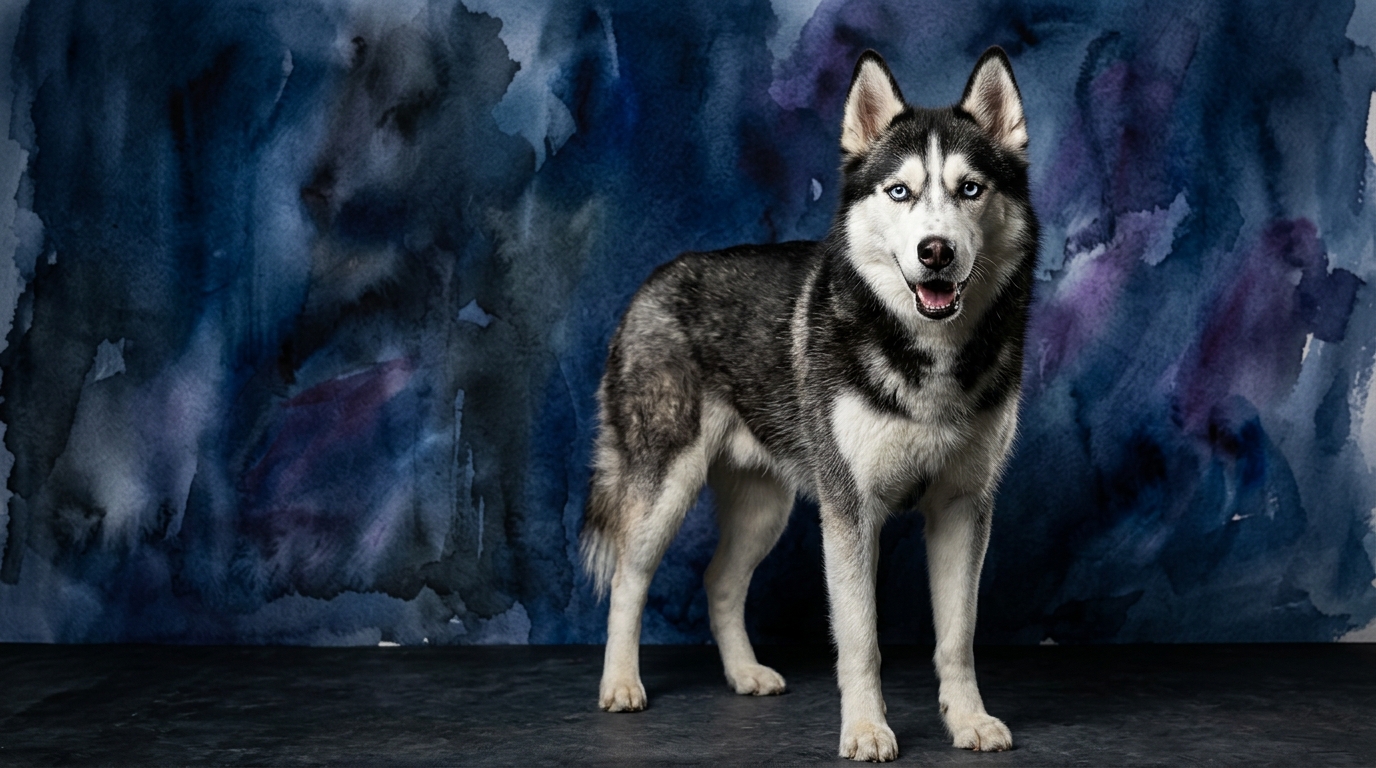
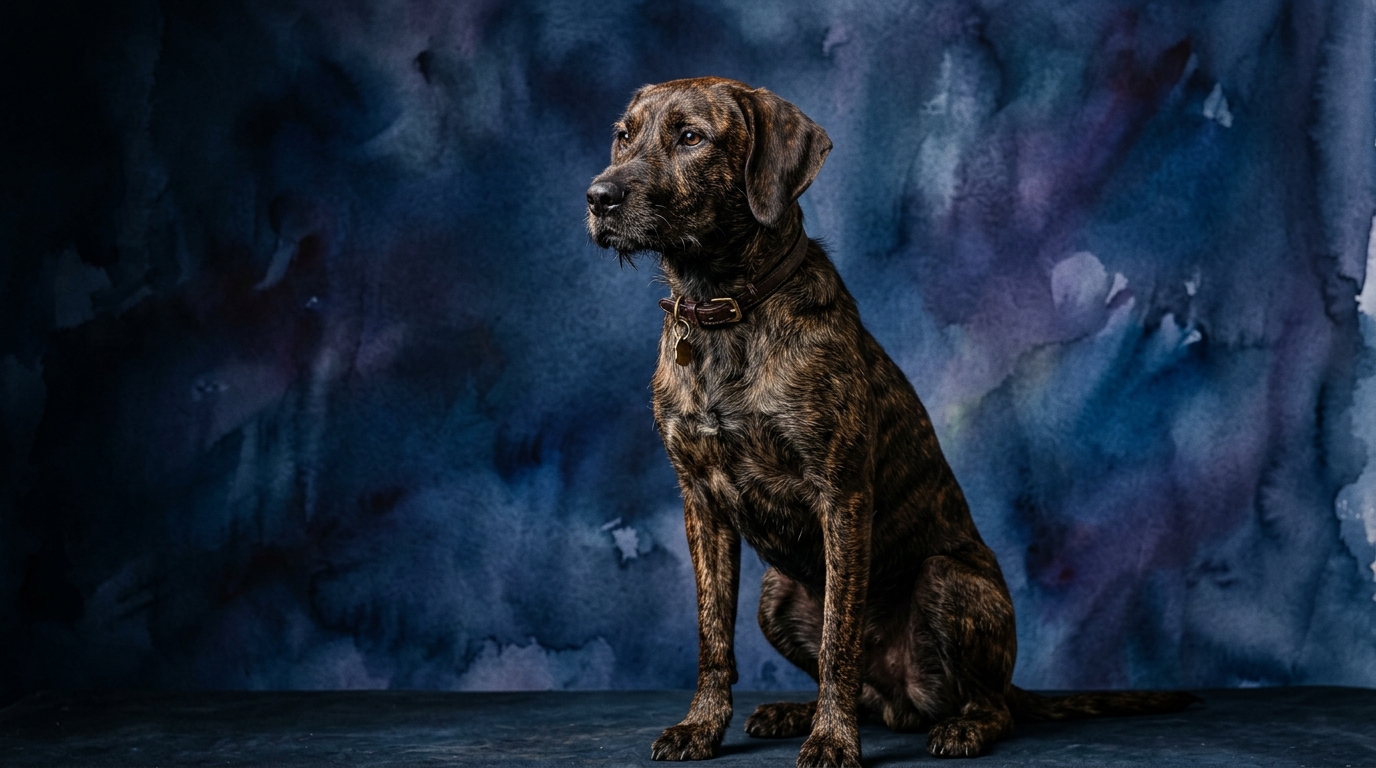
Side-by-Side Cognitive Profile
At The Cosmic Pet Pet IQ Lab, we delve into the nuanced cognitive dimensions that define each breed. The Siberian Husky, a Working group dog, holds a Coren rank of #45, while the Plott Hound, a dedicated Hound, is not Coren-ranked, likely due to its highly specialized skill set. Let's explore their individual IQ metrics:
**Siberian Husky (Working, Coren #45)**: This breed showcases a robust intellectual profile. Their **Problem Solving (4/5)** exhibits strong aptitude for figuring out physical obstacles like enclosures or complex routes, often involving strategic thinking for self-preservation or achieving a goal. **Training Speed (2/5)** indicates they grasp concepts quickly, yet their independent nature means they often choose when to comply, requiring highly engaging and consistent motivation. Their **Social Intelligence (3/5)** means they understand pack dynamics and communicate well with other dogs; with humans, they can be affectionate but also somewhat aloof, reading intentions without always seeking to please. An incredibly strong **Instinctive Drive (5/5)** means they possess a powerful prey drive and an inherent urge to run and pull, deeply ingrained for covering vast distances or pursuing small animals. Finally, their **Memory (4/5)** is excellent for routes, locations, and past interactions, contributing to their reputation for remembering escape paths and resource spots.
**Plott Hound (Hound, Not Coren-ranked)**: The Plott Hound's intelligence is distinctly specialized. Their **Problem Solving (3/5)** excels at scent-based deduction, deciphering complex trails and navigating obstacles purely by smell to locate quarry, rather than abstract or mechanical puzzles. **Training Speed (3/5)** shows they learn commands at a moderate pace, particularly when leveraging their strong scent drive; they are generally eager to please but can be easily distracted by compelling smells. Their **Social Intelligence (3/5)** means they form strong bonds with family and coexist well with other dogs, often amiable and responsive to their primary handler's emotional cues. The **Instinctive Drive (3/5)** is primarily focused on tracking and baying, a specialized dedication to following a scent trail with intense focus, distinct from general predatory pursuit. Their **Memory (3/5)** is good for scent patterns and effective tracking routes, remembering specific scent signatures and relevant hunting locations.
Where the Siberian Husky Wins Cognitively
The Siberian Husky displays a cognitive advantage in **complex problem-solving**, with a 4/5 rating reflecting their ability to analyze physical obstacles and formulate multi-step solutions to escape or access resources. This involves strategic thinking beyond simple instinct. Their **superior spatial memory and navigation** (4/5) are crucial, allowing them to recall vast routes and physical layouts, a trait honed by their sled dog heritage. This enables them to remember escape paths or the location of hidden items with notable precision, showcasing a broader adaptability in novel environments compared to the Plott Hound's specialized focus.
Where the Plott Hound Wins Cognitively
The Plott Hound's cognitive strength lies in its **unparalleled scent-based problem-solving and persistence**. Rated 3/5 for problem-solving, they uniquely excel at deciphering intricate scent trails, filtering distractions to locate quarry. This specialized olfactory deduction is a distinct advantage. Their **focused instinctive drive** (3/5) is intensely directed towards tracking; this singular dedication allows them to maintain unwavering concentration on a scent, making them relentless in pursuit. This specialized collaborative intelligence, honed for working in tandem with a handler during a hunt, highlights a different kind of cognitive excellence.
Which Is Easier to Train and Why
The **Siberian Husky's (Training Speed 2/5)** challenge stems from their profound independence. They grasp concepts swiftly but possess a strong will, often choosing when to comply. Training requires highly motivating rewards, engaging methods to combat boredom, and an owner prepared to earn compliance. Their powerful instinctive drive for exploration also makes reliable recall a significant hurdle. Conversely, the **Plott Hound (Training Speed 3/5)** offers a moderate training speed, often eager to please when training leverages their scent drive. While generally more compliant, their intense olfactory focus can easily divert their attention, demanding consistent redirection and patience to maintain focus.
Which Suits Active Owners vs. Relaxed Owners
A **Siberian Husky** is unequivocally for **highly active owners**. Their 5/5 instinctive drive for endurance running demands several hours of vigorous daily exercise, like long runs or hiking. A relaxed owner will face destructive behaviors, escape attempts, and excessive vocalization from pent-up energy. They thrive with owners integrating them into an adventurous lifestyle, providing constant physical and mental stimulation. **Plott Hounds** also require **active owners**, though their energy is geared towards sustained tracking. They need regular, long walks or runs with opportunities for scent work. While their endurance needs differ from a Husky's, they are not suited for a relaxed lifestyle, needing consistent engagement to satisfy their working instincts.
The Verdict
Opt for a Siberian Husky if you thrive on a challenge, desire a companion for extreme endurance activities, and are prepared to engage a highly independent, problem-solving mind that requires consistent mental and physical outlets.
Select a Plott Hound if you seek a dedicated, scent-driven companion for long treks, enjoy engaging in scent work or tracking sports, and appreciate a dog that balances affection with a focused, persistent nature.
🧠 Find Your Pet's IQ Score
Our Pet IQ Lab assessment covers 25+ tests across 5 cognitive dimensions — personalized to your breed.
Take the Full IQ Test →Frequently Asked Questions
Is a Siberian Husky difficult to train?
Huskies are not difficult to train because they lack understanding, but because of their independent nature and strong self-determination. They grasp commands quickly but often choose whether to obey, requiring engaging, consistent training and strong motivation to ensure compliance.
Do Plott Hounds make good family pets?
Yes, Plott Hounds can be devoted family pets, known for their loyalty and affectionate nature with their human pack. However, their strong scent drive and need for regular exercise mean they thrive in active homes that can meet their physical and mental stimulation requirements.
Which breed is better for a first-time dog owner?
Neither breed is typically recommended for first-time dog owners due to their specific needs. Both require experienced handling, consistent training, and significant commitment to exercise and mental engagement. A Plott Hound might be slightly more manageable than a Husky's extreme independence, but both demand dedication.