Side-by-Side IQ Profile: Unpacking Canine Minds
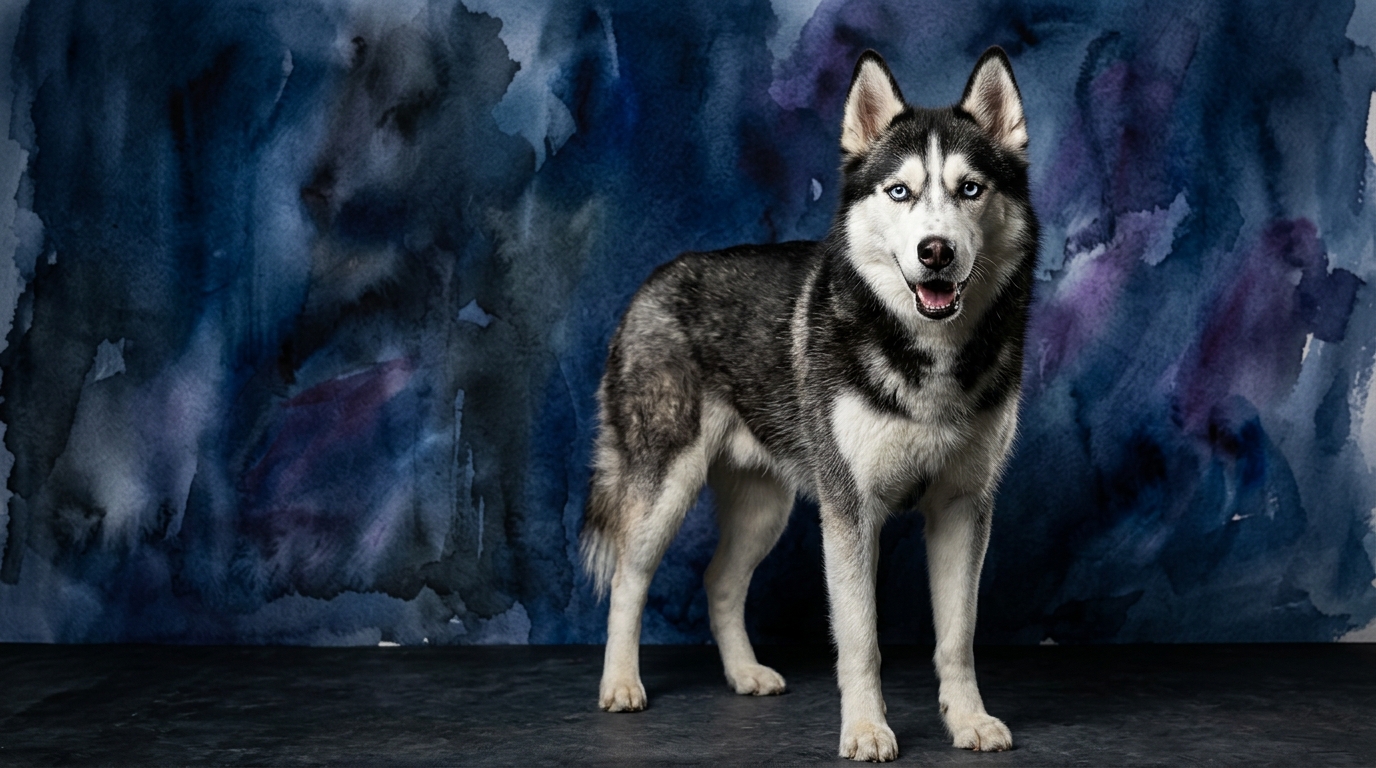
The Siberian Husky, a Coren rank #45 Working group dog, exhibits a complex cognitive profile deeply shaped by its heritage as a long-distance sled dog. Their problem Solving at 4/5 reflects an exceptional capacity for autonomous decision-making in challenging environments, often requiring them to navigate vast, featureless snowy terrains and overcome obstacles independently. Training Speed, however, stands at 2/5, indicating not a lack of learning ability but rather a profound independence and a strong will to prioritize their own agenda over human commands, making consistent compliance a unique challenge. Social Intelligence is 3/5, suggesting they form strong bonds with their pack, whether canine or human, but often maintain an independent streak and may not constantly seek close human partnership. An Instinctive Drive of 5/5 underscores their powerful, intrinsic urge to pull, run, and explore, a deep-seated motivation that defines much of their behavior and energy requirements. Finally, Memory at 4/5 is crucial for recalling complex routes, past experiences, and learned patterns, a vital trait for navigating unfamiliar landscapes and performing repetitive tasks over long distances.
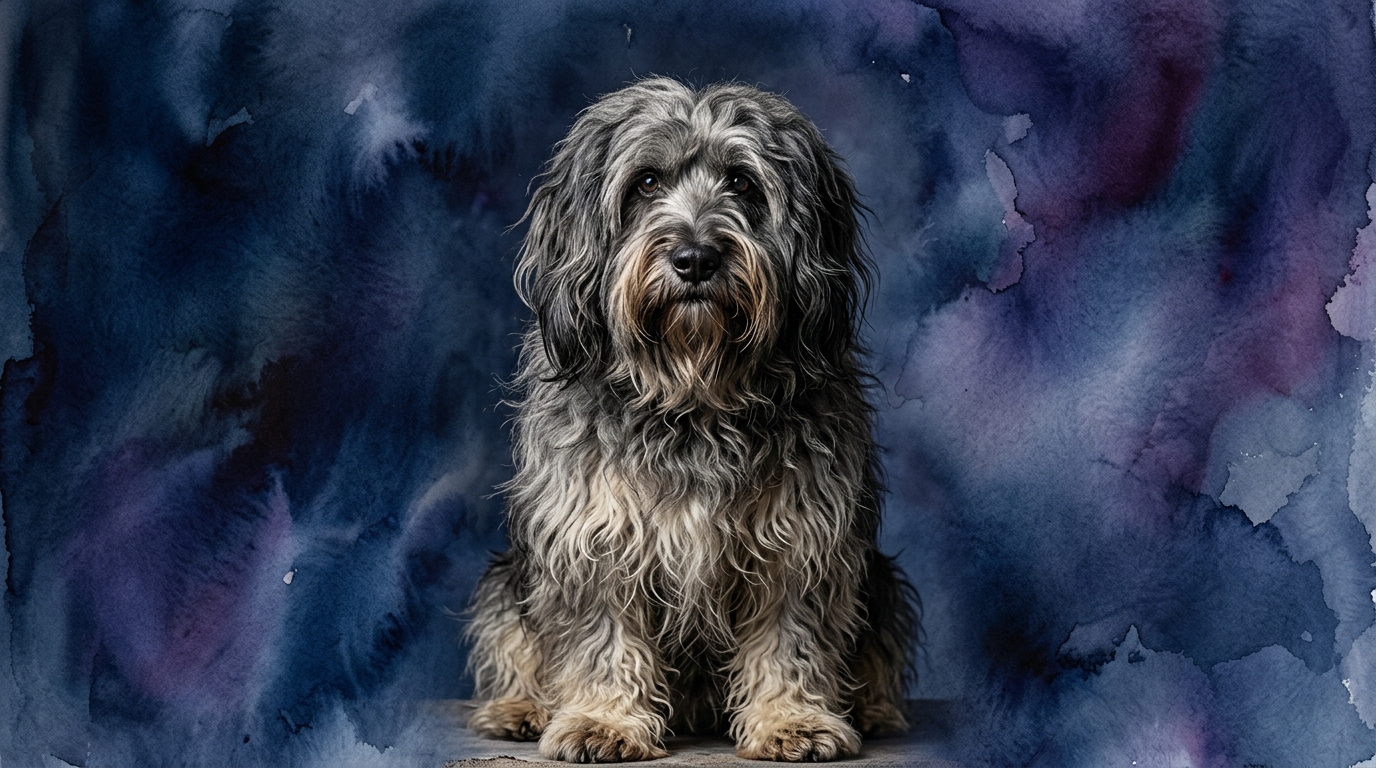
The Polish Lowland Sheepdog (PLSD), a Herding group dog not specifically Coren-ranked, presents a more balanced, albeit less extreme, cognitive makeup, perfectly tailored to its role as a watchful guardian and herder. Their problem Solving at 3/5 indicates a practical intelligence for managing livestock and responding to real-world scenarios, demonstrating an aptitude for moderate challenges rather than abstract or novel situations. Training Speed is 3/5, suggesting a moderate willingness to learn and comply, making them generally more receptive to instruction and eager to work alongside their handler compared to the Husky's independent nature. Social Intelligence also sits at 3/5, pointing to a capacity for forming solid family bonds while often maintaining a watchful, sometimes reserved, demeanor towards strangers, reflecting their protective instincts. Their Instinctive Drive is 3/5, encompassing a moderate urge to herd, guard, and patrol their territory, without the overwhelming physical demands of a sled dog, but still requiring purposeful engagement. Memory is 3/5, sufficient for recalling learned commands, routines, and for tracking their charges, supporting their role as a reliable working companion.
Where the Siberian Husky’s Mind Shines Brightest
The Siberian Husky's cognitive strengths are profoundly rooted in their ancestral role, demanding unparalleled self-reliance and environmental awareness, which manifest in their superior problem-solving and instinctive drive. Their 4/5 problem-solving ability is evident in their capacity for making independent, often life-saving, decisions when faced with challenging terrain or adverse weather during sledding, frequently without direct human guidance. This isn't about solving simple puzzles; it’s about autonomous assessment of conditions, identifying safe paths, and navigating complex environments efficiently. Furthermore, their 5/5 instinctive drive isn't merely about physical exertion; it’s a powerful internal compass and boundless determination that fuels their sustained focus and resilience during strenuous tasks. This drive, combined with a 4/5 memory, enables them to recall intricate routes and adapt to changing environments, demonstrating remarkable spatial awareness and cognitive mapping skills essential for their historical purpose, allowing them to perform complex, self-directed work for extended periods.
The Cognitive Edge of the Polish Lowland Sheepdog
While the Siberian Husky excels in autonomous problem-solving and raw endurance, the Polish Lowland Sheepdog's cognitive strengths lie in a more nuanced blend of adaptability and cooperative intelligence, perfectly suited for their herding and guarding roles. Their 3/5 problem-solving and 3/5 training speed, while not top-tier, represent a highly practical intelligence that allows them to learn and apply commands effectively in real-world scenarios, such as managing a flock or responding to owner cues during daily life. This moderate trainability, combined with their 3/5 social intelligence, means they are generally more inclined to work *with* their human companions, understanding and responding to social cues in a way that often contrasts with the Husky's independent streak. Their 3/5 instinctive drive, focused on watchful protection and herding, translates into a cognitive readiness to observe, assess, and react appropriately to their environment, demonstrating a proactive intelligence geared towards family and territory management rather than pure endurance or independent exploration. They excel at understanding social hierarchies and their role within the family unit.
Navigating Trainability: Husky vs. PLSD
When evaluating which breed is generally easier to train for the average owner, the Polish Lowland Sheepdog (PLSD) presents a more straightforward path due to its 3/5 training speed and a more cooperative nature. PLSDs, stemming from a herding background, are typically attentive to their handlers and possess a natural inclination to follow direction, making them more receptive to traditional command-based training. They are motivated by working alongside their humans and understanding their role within the family unit, which translates into a higher desire to please and a quicker acquisition of new behaviors. Their moderate instinctive drive means fewer overwhelming internal distractions, allowing them to focus better on the task at hand and respond consistently to cues, making them generally more biddable and responsive to training efforts.
The Siberian Husky, with a training speed of 2/5, offers a significantly different experience. This lower score does not signify a lack of learning ability; Huskies possess a 4/5 problem-solving capacity and learn commands rapidly. Rather, it highlights their profound independence and often selective obedience, where their strong will and 5/5 instinctive drive for exploration, running, and autonomous decision-making frequently override their desire to comply. They may understand exactly what you want but choose to do something else if it aligns more with their innate drives or if a more enticing distraction presents itself. Training a Husky demands exceptional patience, creativity, and a deep understanding of their motivations, often requiring highly engaging and reward-based methods to keep their interest and encourage compliance. Their training is less about teaching new behaviors and more about convincing them that consistently following your lead is beneficial and more rewarding than their independent pursuits.
Matching Lifestyles: Active Owners vs. Relaxed Owners
The Siberian Husky is undeniably a companion for the highly active and experienced owner. Their 5/5 instinctive drive for physical exertion and exploration, coupled with their 4/5 problem-solving ability, means they require immense daily physical activity and consistent mental challenges to thrive. An owner who enjoys long runs, hiking, biking, or even dog sports like skijoring or canicross will find a willing and enthusiastic partner in a Husky. Without sufficient outlets for their prodigious energy and independent thought, Huskies can become restless, destructive, or develop escape artist tendencies, utilizing their problem-solving skills to overcome fences or barriers. They thrive in environments where their innate drives are channeled productively, ideally with consistent, engaging training that respects their self-reliant spirit and provides ample opportunity for independent exploration within safe boundaries.
The Polish Lowland Sheepdog, while certainly not a couch potato, is better suited for owners who enjoy regular, but not extreme, activity and appreciate a dog with a watchful temperament. Their 3/5 instinctive drive means they need daily walks, playtime, and mental enrichment to prevent boredom, but they won't demand the same marathon-level exercise as a Husky. PLSDs benefit from structured activities like obedience, agility, or even herding trials, which engage their moderate problem-solving and social intelligence, providing mental and physical stimulation without requiring an extreme athletic commitment. Owners who value a loyal, protective family member who enjoys being involved in daily household routines and can transition from active play to relaxed companionship will find the PLSD a rewarding fit. They require consistent socialization and training to manage their protective instincts, ensuring they are confident and well-adjusted without being overly suspicious of newcomers.
The Verdict
Choose a Siberian Husky if you are an exceptionally active, experienced dog owner seeking an independent, resilient companion for demanding outdoor adventures and are prepared for a consistent, creative training approach that respects their strong will.
Opt for a Polish Lowland Sheepdog if you desire a loyal, watchful family dog with moderate energy needs, a cooperative spirit for training, and appreciate a breed that can transition between playful activity and relaxed, protective companionship.
🧠 Find Your Pet's IQ Score
Our Pet IQ Lab assessment covers 25+ tests across 5 cognitive dimensions — personalized to your breed.
Take the Full IQ Test →Frequently Asked Questions
Do Siberian Huskies struggle with learning new commands?
Siberian Huskies possess a 4/5 problem-solving ability and 4/5 memory, meaning they learn new commands quite quickly and retain them well. Their 2/5 training speed score reflects their independent nature and preference for self-direction, rather than a lack of cognitive capacity to understand instructions. The challenge lies in motivating them to consistently comply, as their strong instinctive drives often take precedence over human requests.
What kind of mental stimulation is best for a Polish Lowland Sheepdog?
Polish Lowland Sheepdogs benefit from mental stimulation that engages their 3/5 problem-solving and 3/5 instinctive drive for herding and guarding. Activities like puzzle toys, scent work, obedience training, and agility courses are excellent choices. They enjoy having a 'job,' even if it's just supervising the family or learning new tricks, so consistent training and interactive play keep their minds engaged and prevent boredom.
How do the social intelligence scores of these two breeds compare in a family setting?
Both breeds have a social intelligence score of 3/5, but this manifests differently in a family setting. The Siberian Husky forms strong bonds with its family but often maintains a level of independence, sometimes preferring the company of other dogs or engaging in self-directed activities. The Polish Lowland Sheepdog also forms deep family attachments but tends to be more watchful and protective of its human companions, often reserving its affection for its immediate family and being more reserved with strangers, reflecting its herding and guarding heritage.