Side-by-Side IQ Profile: Siberian Husky vs. Scottish Terrier
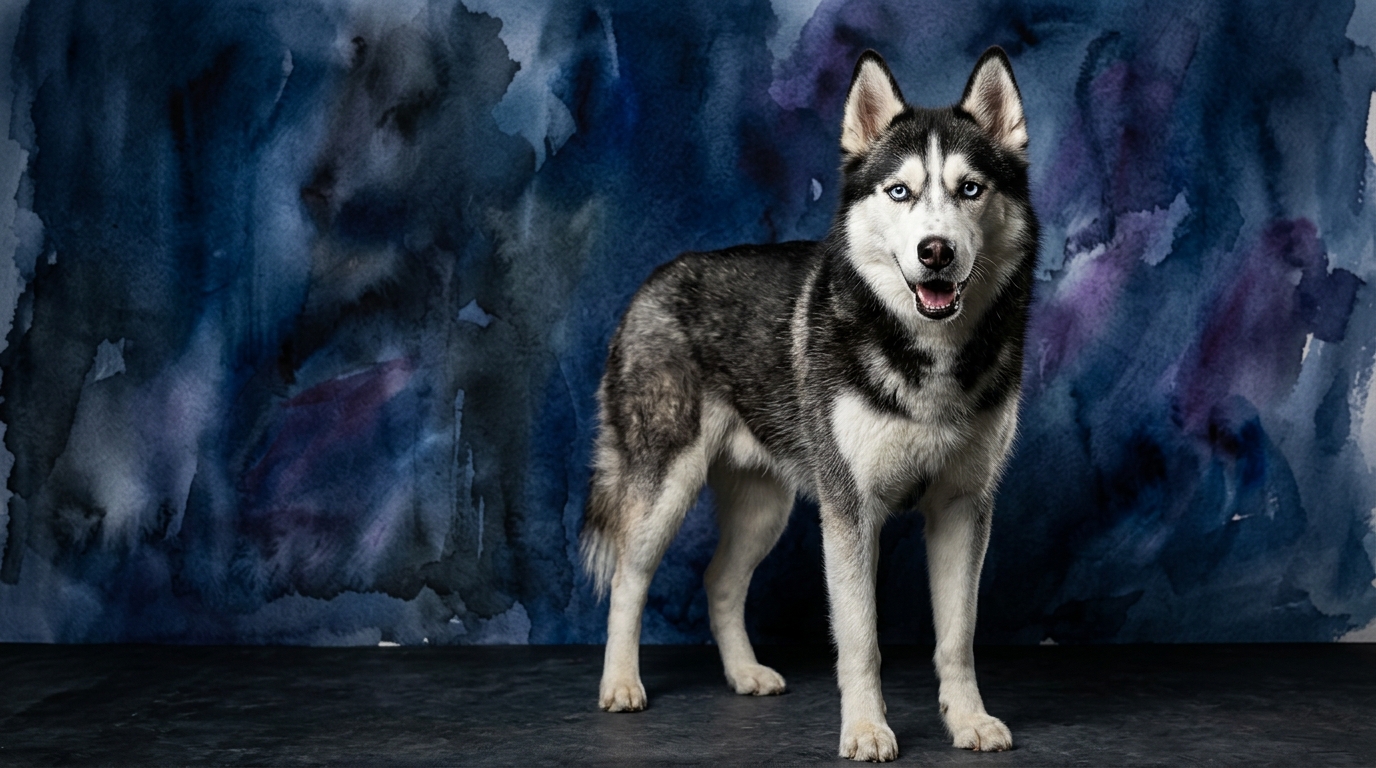
The Cosmic Pet Pet IQ Lab provides a unique lens through which to compare the cognitive strengths of these two distinct breeds. The Siberian Husky, ranking #45 on the Coren intelligence scale, showcases a profile honed for endurance and independent decision-making.
**Siberian Husky Cognitive Profile (Coren Rank #45):** Problem Solving 4/5, Training Speed 2/5, Social Intelligence 3/5, Instinctive Drive 5/5, Memory 4/5. Their strong problem-solving skills manifest in navigating complex environments and strategizing to achieve goals, a remnant of their need to make independent decisions on long sledding journeys. However, their independent nature translates to a slower training speed, as they often prioritize their own motivations over human directives. Socially, they form strong bonds within their pack and family, understanding group dynamics. Their exceptionally high instinctive drive is primarily expressed as an urge to run, explore, and pull, deeply ingrained from their sledding heritage. Huskies also possess a robust memory, particularly for routes, locations, and past successful strategies, aiding their navigational and problem-solving prowess.
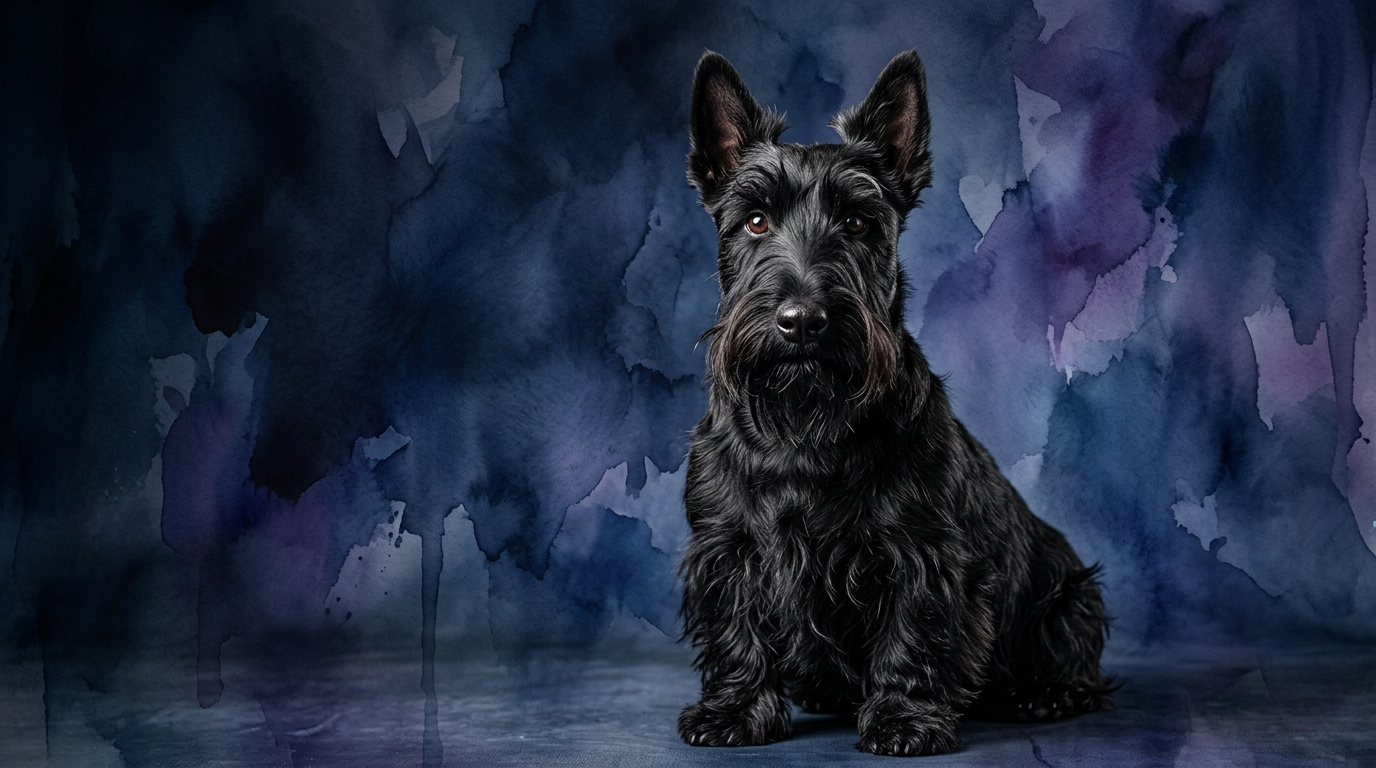
The Scottish Terrier, with a Coren rank of #65, presents a cognitive makeup geared towards tenacity and focused pursuit, reflecting its origins as a working earth dog.
**Scottish Terrier Cognitive Profile (Coren Rank #65):** Problem Solving 3/5, Training Speed 3/5, Social Intelligence 3/5, Instinctive Drive 3/5, Memory 3/5. Scotties display a moderate capacity for problem-solving, often employing persistence and cleverness to overcome obstacles, especially when it involves investigating or acquiring something of interest. Their training speed is moderate, meaning they can learn commands efficiently with consistent, engaging methods, though their independent streak requires patience. Socially, they are discerning, forming deep attachments to their chosen family while maintaining a strong sense of self. Their instinctive drive is moderate, primarily focused on their terrier purpose of digging, chasing, and exploring. Scotties also have a solid memory for routines, commands, and favored locations, contributing to their ability to navigate their world and respond to learned behaviors.
Where the Siberian Husky Excels Cognitively
The Siberian Husky undeniably shines in areas demanding independent thought and endurance. Their **problem-solving (4/5)** ability is particularly strong when it comes to spatial reasoning and resource acquisition; they are adept at figuring out how to open gates, navigate complex trails, or even strategize to reach an interesting scent. This aptitude stems directly from their ancestral role where making autonomous decisions in challenging environments was crucial for survival and performance. Coupled with their robust **memory (4/5)**, Huskies can recall intricate routes and past successful escape tactics or foraging strategies over extended periods. For example, a Husky might remember a weak spot in a fence they exploited weeks ago and apply that learned solution to a new barrier. Their exceptionally high **instinctive drive (5/5)**, focused on running and pulling, is a cognitive advantage for tasks requiring sustained physical and mental effort over long distances, making them unmatched in endurance-based challenges.
Where the Scottish Terrier Excels Cognitively
The Scottish Terrier, while differing in overall Coren ranking, demonstrates distinct cognitive strengths. Notably, their **training speed (3/5)** is superior to the Husky’s 2/5, indicating a greater efficiency in learning new commands and routines when presented with consistent, positive reinforcement. This suggests they are often more receptive to structured learning. Their **problem-solving (3/5)**, while moderate, is characterized by a tenacious and focused application of wit, particularly when pursuing a goal. A Scottie might tirelessly work to unearth a perceived rodent or meticulously manipulate a puzzle toy to extract a treat, showcasing a persistent and clever approach to specific challenges. Their moderate **instinctive drive (3/5)**, though less encompassing than the Husky's, is intensely concentrated on their terrier purpose, leading to focused and ingenious strategies for 'hunting' or investigating, making them particularly adept at tasks requiring precision and sustained effort within their specific interests.
Trainability: Husky vs. Scottie
Based on The Cosmic Pet Pet IQ Lab data, the Scottish Terrier (Training Speed 3/5) generally presents as an easier dog to train compared to the Siberian Husky (Training Speed 2/5). This difference is largely attributable to the Husky's pronounced independent nature and exceptionally high **instinctive drive (5/5)**, which often prioritizes their own exploration and running impulses over human directives. Huskies were bred to make decisions autonomously on long sledding journeys, and this deep-seated independence means they can be less inclined to follow commands if they perceive a more interesting alternative, often requiring immense motivation to stay focused on training tasks.
In contrast, while the Scottish Terrier also possesses an independent streak and occasional stubbornness typical of terriers, their **instinctive drive (3/5)** is more manageable and their **training speed (3/5)** is higher. They are often more focused on their immediate environment and human interaction during training sessions, provided the methods are stimulating and consistent. A Scottish Terrier is more likely to engage in repetitive training for a reward, whereas a Husky might decide the reward isn't worth diverting from an exciting scent trail or the urge to run. Effective training for a Husky requires immense patience, creativity, and understanding of their motivational drivers, often making it a more challenging and prolonged endeavor compared to the more receptive, though still independent, Scottie.
Suitability for Active vs. Relaxed Owners
The choice between these breeds significantly hinges on an owner's lifestyle and commitment to activity. The Siberian Husky, with its profound **instinctive drive (5/5)** and robust **problem-solving (4/5)** abilities, is undeniably suited for highly active owners. These dogs require extensive daily exercise, including long runs, hikes, or engaging in dog sports like agility or canicross, to satisfy their innate urge to move and explore. A relaxed or sedentary owner would struggle immensely to meet a Husky's physical and mental stimulation needs, potentially leading to destructive behaviors born of boredom and pent-up energy. Their memory (4/5) and problem-solving skills mean they will actively seek ways to entertain themselves, often to an owner's detriment, if not adequately engaged.
The Scottish Terrier, while not a couch potato, has a more moderate **instinctive drive (3/5)** and can adapt to slightly less demanding activity levels. They still require regular walks, playtime, and mental challenges to prevent boredom, but their needs are typically satisfied with consistent daily activity rather than the intense, endurance-based exercise a Husky demands. Owners who enjoy moderate daily walks, engaging in puzzle toys, or short, focused training sessions would find a Scottish Terrier a suitable companion. While they appreciate activity, their need for constant, high-octane engagement is lower, making them a better fit for owners who might prefer a more relaxed pace but are still committed to daily interaction and stimulation.
The Verdict
Choose a Siberian Husky if you are a highly active individual or family deeply committed to providing extensive daily exercise, mental challenges, and consistent, patient training for an independent, endurance-driven companion.
Opt for a Scottish Terrier if you appreciate a tenacious, witty, and loyal companion who thrives on moderate daily activity, engaging mental games, and consistent, rewarding training, fitting a slightly less intense but still committed lifestyle.
🧠 Find Your Pet's IQ Score
Our Pet IQ Lab assessment covers 25+ tests across 5 cognitive dimensions — personalized to your breed.
Take the Full IQ Test →Frequently Asked Questions
Is a Siberian Husky difficult to live with due to its intelligence?
A Siberian Husky's problem-solving ability and high instinctive drive mean they require significant mental and physical engagement to thrive. Without proper outlets, their cleverness can lead to escape attempts or destructive behaviors, making them challenging for unprepared owners.
Do Scottish Terriers need a lot of mental stimulation?
Yes, Scottish Terriers benefit greatly from mental stimulation, despite their moderate instinctive drive. Puzzle toys, short training sessions, and opportunities to 'hunt' (e.g., scent work) keep their minds engaged and prevent boredom-related behaviors.
Which breed is better for a first-time dog owner?
Generally, the Scottish Terrier might be a more manageable choice for a first-time owner due to its higher training speed and less overwhelming instinctive drive compared to the Siberian Husky's intense needs for exercise and experienced, consistent handling.