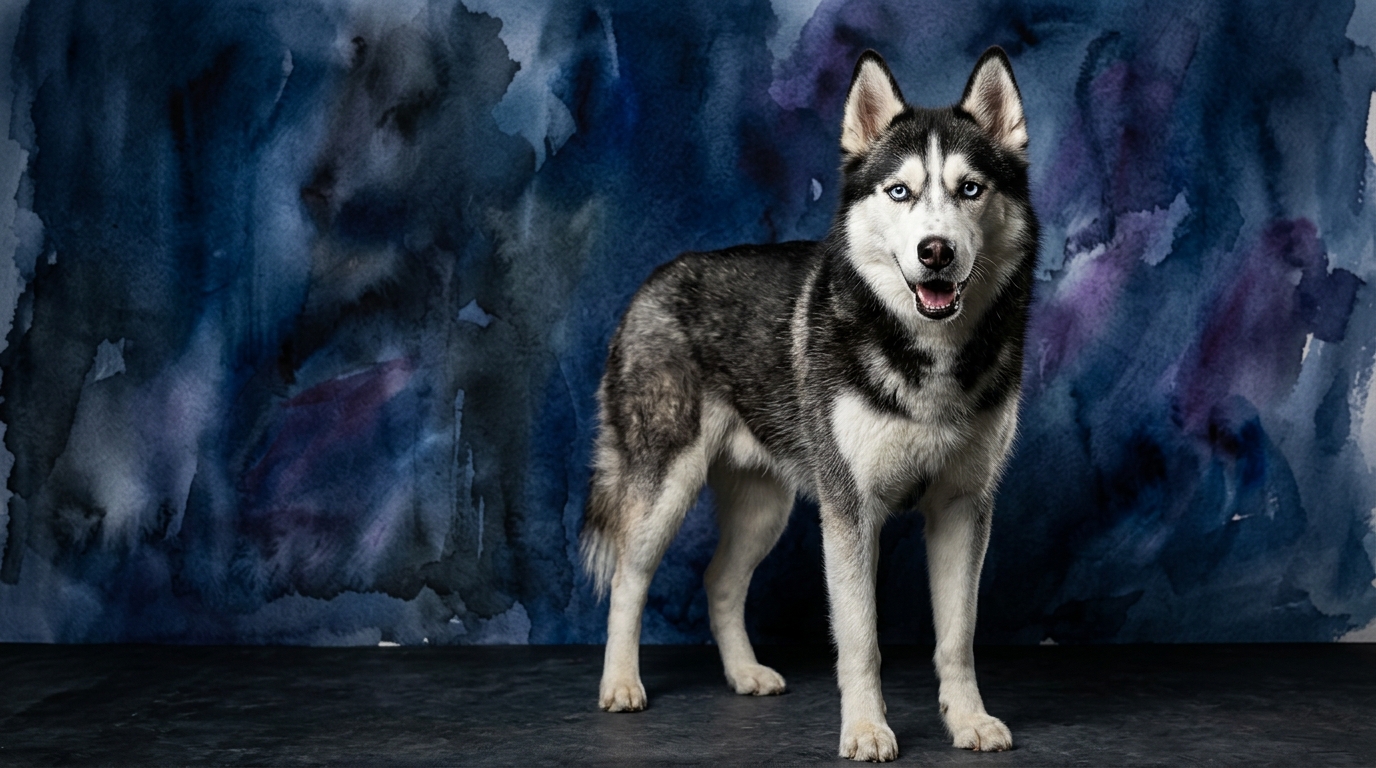
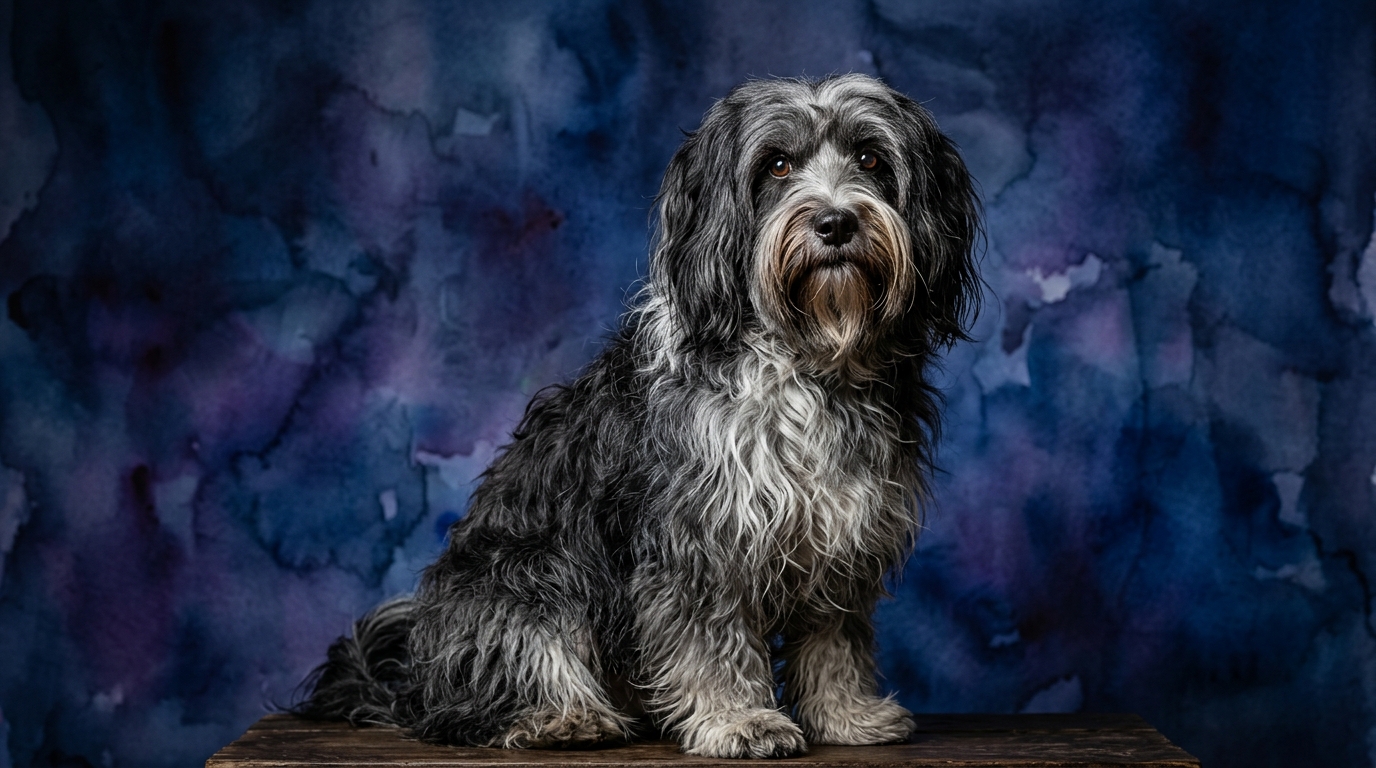
Side-by-Side Cognitive Profiles: Siberian Husky vs. Tibetan Terrier
The Cosmic Pet Pet IQ Lab provides a unique lens through which to examine the cognitive landscapes of different breeds. For the Siberian Husky, a Working group dog with a Coren ranking of #45, its profile reveals a compelling blend of capabilities. They score 4/5 in Problem Solving, indicating a strong capacity to independently navigate challenges and devise solutions. Their Training Speed is 2/5, suggesting a more deliberate and often self-directed approach to learning human commands. Social Intelligence sits at 3/5, reflecting a moderate understanding of group dynamics, while Instinctive Drive is a robust 5/5, underscoring their deep-seated urge for activity and exploration. Finally, their Memory is rated 4/5, showing a notable ability to recall experiences and learned behaviors over time.
In contrast, the Tibetan Terrier, a Non-Sporting group dog ranked #63 by Coren, presents a more balanced, though no less capable, cognitive blueprint. Their Problem Solving ability is rated 3/5, indicating a solid capacity for figuring things out, but perhaps with less independent flair than a Husky. Training Speed is 3/5, suggesting a more receptive and consistent learning pace. Like the Husky, their Social Intelligence is 3/5, signifying a similar moderate awareness of social cues. Instinctive Drive is 3/5, a well-rounded level that supports engagement without overwhelming intensity. Their Memory also registers at 3/5, providing a reliable foundation for retaining learned information and routines.
Where the Siberian Husky’s Cognition Shines
The Siberian Husky’s cognitive strengths are deeply rooted in its heritage as a long-distance sled dog, where independence and resourcefulness were paramount. Their 4/5 Problem Solving score means they excel at figuring out complex situations, whether it's unlatching a gate, finding a clever escape route from a yard, or navigating unfamiliar terrain during a hike. This isn't about blind obedience but about assessing a situation and acting autonomously. Owners often observe this in their ability to 'think through' an obstacle rather than waiting for direction.
Furthermore, their 5/5 Instinctive Drive is a profound cognitive asset for their original purpose. This powerful internal motivation fuels their incredible endurance, their desire to run, and their keen interest in the environment. While challenging to manage in a domestic setting, this drive represents a highly developed set of inherited behaviors that allowed them to survive and thrive in harsh conditions. Their 4/5 Memory complements this, enabling them to retain knowledge of trails, past hunting successes, or even the weak points in a fence, making them persistent and effective at achieving their self-determined goals.
Where the Tibetan Terrier’s Cognition Excels
The Tibetan Terrier's cognitive profile, while different from the Husky's, offers distinct advantages, particularly in a companion role. Their 3/5 Training Speed, which is higher than the Husky's 2/5, indicates a greater willingness and capacity to learn and internalize human commands efficiently. This means they are often more amenable to structured training sessions, picking up new cues and routines with a steady, reliable pace. This responsiveness is a significant cognitive win for owners seeking a dog that integrates smoothly into family life with consistent guidance.
Their balanced cognitive scores across the board – 3/5 for Problem Solving, Social Intelligence, Instinctive Drive, and Memory – signify an adaptable and versatile mind. Rather than excelling in one extreme, the Tibetan Terrier possesses a well-rounded set of cognitive tools. This balance allows them to navigate diverse social situations, adapt to varying environments, and engage with their human companions without the singular, intense focus of a specialized working breed. Their cognitive strength lies in their generalist approach, making them resilient and flexible learners in a variety of contexts.
Ease of Training: A Tale of Two Cognitive Approaches
When it comes to training, the cognitive differences between these two breeds become particularly apparent. The Tibetan Terrier, with its 3/5 Training Speed, generally presents a more straightforward training experience. They tend to be more focused on their human companions during lessons, eager to engage and understand what is expected. Their moderate Instinctive Drive (3/5) means they are less likely to be distracted by external stimuli or their own deep-seated urges, allowing for more consistent attention during learning. This responsiveness makes positive reinforcement highly effective, as they quickly connect actions with rewards and human approval.
Conversely, the Siberian Husky, with a Training Speed of 2/5, often requires a more patient, creative, and persistent approach. Their formidable 5/5 Instinctive Drive, particularly for running and exploring, means they frequently prioritize their own impulses over human directives. A Husky might understand a command perfectly (thanks to their 4/5 memory) but choose not to execute it if something more interesting, like a scent trail or an open gate, presents itself. Their strong Problem Solving (4/5) can also manifest as 'selective hearing,' where they cognitively assess whether complying with a command aligns with their current desires, demanding a robust understanding of motivation and consistent high-value rewards from their trainer.
Matching Breeds to Lifestyles: Active Explorers vs. Adaptable Companions
The cognitive and temperamental differences between the Siberian Husky and the Tibetan Terrier naturally align them with distinct owner lifestyles. The Siberian Husky, driven by a 5/5 Instinctive Drive and 4/5 Problem Solving, thrives with active owners who can meet their substantial needs for physical exertion and mental engagement. This means daily, vigorous exercise – long runs, extensive hikes, or engaging in dog sports like skijoring or canicross – is not just desirable but essential for their well-being. Owners prepared for a dog that will independently explore and test boundaries will find a rewarding partnership, but those seeking a low-maintenance exercise routine will likely find themselves overwhelmed.
The Tibetan Terrier, with its balanced 3/5 scores across most cognitive dimensions, is better suited for owners who appreciate a dog with good energy but without the extreme demands of a working breed. They enjoy regular walks, playful sessions in the yard, and engaging in family activities, adapting well to both active outings and quieter evenings at home. While they are not suited for entirely sedentary lifestyles, their adaptable nature means they can flourish with owners who provide consistent, moderate exercise and plenty of social interaction, making them a fit for various home environments, from apartments to houses with yards, provided their needs are met.
The Verdict
Choose the Siberian Husky if your lifestyle is defined by adventure, if you are an experienced dog owner prepared to channel a powerful independent spirit with extensive exercise and consistent, creative training, and if you seek a partner for strenuous outdoor activities.
Opt for the Tibetan Terrier if you desire a versatile, adaptable companion who learns steadily, integrates smoothly into family life, and offers a balanced blend of playful energy and calm presence without the intense exercise and management demands of a high-drive working breed.
🧠 Find Your Pet's IQ Score
Our Pet IQ Lab assessment covers 25+ tests across 5 cognitive dimensions — personalized to your breed.
Take the Full IQ Test →Frequently Asked Questions
Are Siberian Huskies truly 'stubborn' or is there a cognitive explanation for their training challenges?
The Husky's perceived 'stubbornness' is more accurately understood as independent thought and a strong instinctive drive. Their 2/5 Training Speed reflects a tendency to evaluate commands rather than simply comply, coupled with a 5/5 drive that often prioritizes their own exploration or desires. This isn't defiance, but a cognitive blueprint geared towards autonomous decision-making in their historical role.
Do Tibetan Terriers get bored easily without constant mental stimulation, given their balanced drives?
Tibetan Terriers, with their balanced 3/5 scores across cognitive dimensions, appreciate mental engagement but don't typically require the intense, constant stimulation of some high-drive breeds. They thrive on interaction with their family, moderate puzzle toys, and learning new tricks, benefiting from consistent engagement rather than relentless novelty to stay content.
How does memory specifically impact the training experience for both Siberian Huskies and Tibetan Terriers?
For Huskies, their 4/5 memory means they recall training very well, but also remember past 'successful' non-compliance or escape routes, requiring trainers to be consistent and prevent unwanted learning. Tibetan Terriers, with a 3/5 memory, reliably retain commands and routines, making consistent positive reinforcement effective as they build a solid foundation of desired behaviors.