Side-by-Side IQ Profile
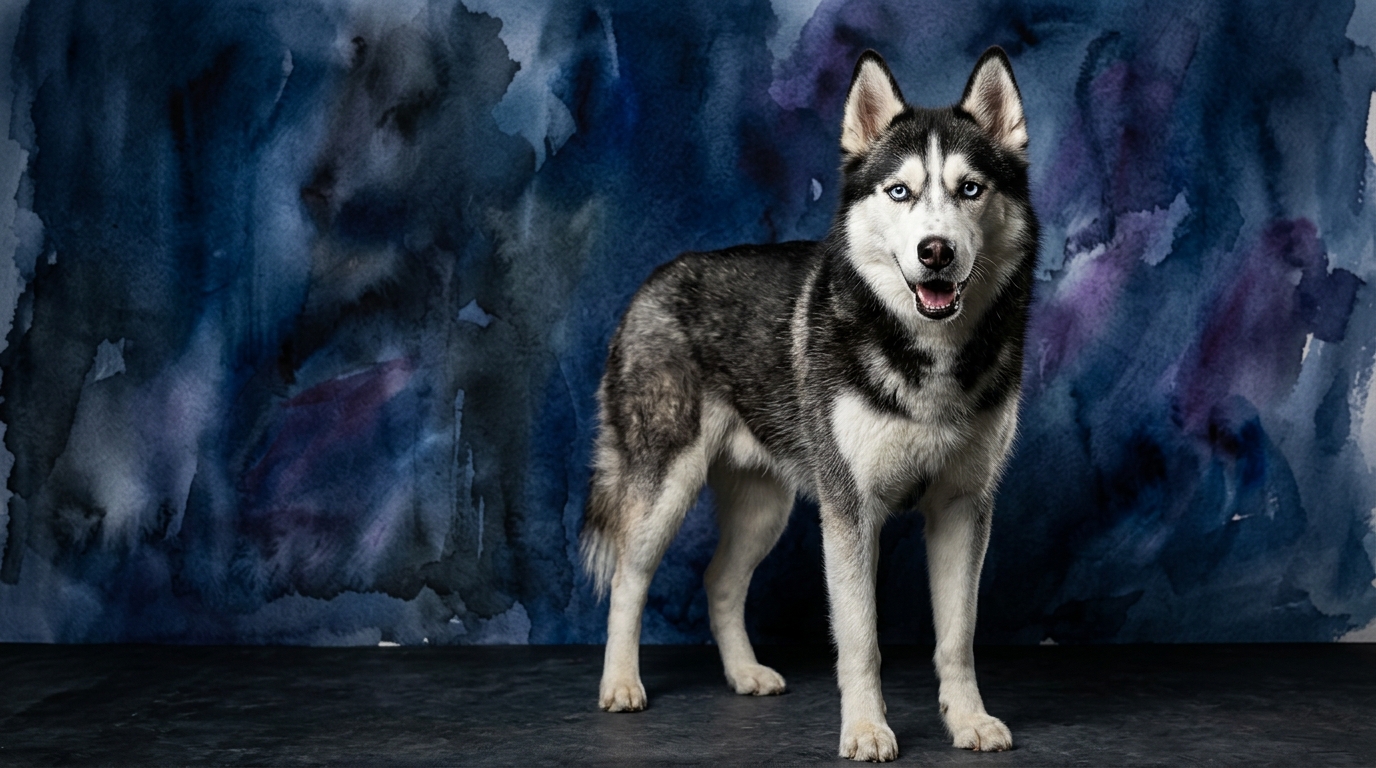
The Cosmic Pet Pet IQ Lab provides a nuanced look into the cognitive architecture of our canine companions. For the Siberian Husky, their Problem Solving is rated at 4/5, indicating a strong capacity for independent thought and navigating complex situations, often to achieve their own objectives. Their Training Speed, however, stands at 2/5, suggesting a more deliberate and often selective approach to learning human-initiated commands. Social Intelligence for the Husky is 3/5, meaning they are capable of forming bonds but frequently maintain a degree of independence, not always prioritizing human approval. An Instinctive Drive of 5/5 is a defining characteristic, fueling their powerful urge to run, explore, and engage with their environment. Their Memory, rated 4/5, allows them to retain complex information about their surroundings and past experiences, which can be both a benefit and a challenge for owners.
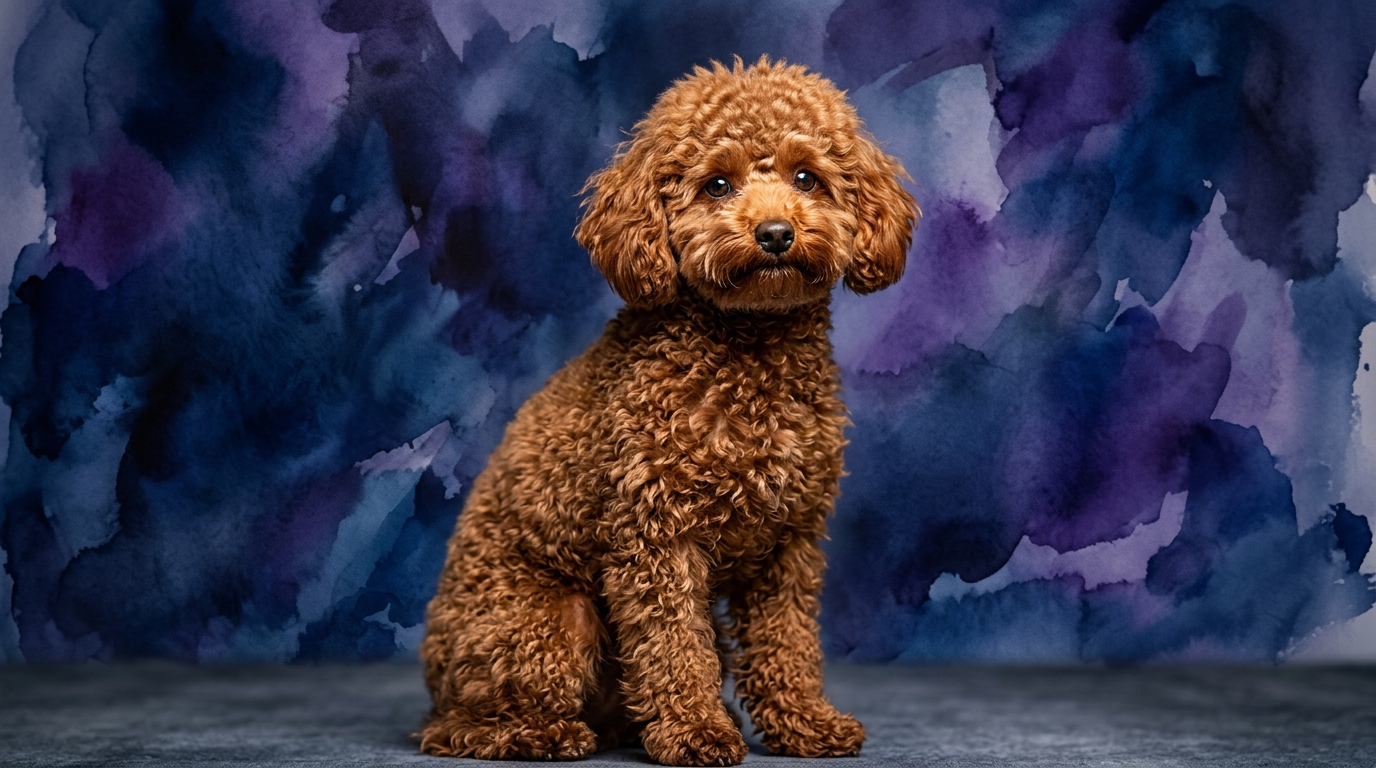
In stark contrast, the Toy Poodle’s Problem Solving capability is a remarkable 5/5, reflecting their exceptional ability to grasp intricate concepts and adapt quickly to novel scenarios, often excelling in tasks requiring sequential thought. Their Training Speed is also 5/5, allowing them to pick up new commands and behaviors with remarkable alacrity, making them highly responsive partners in learning. The Toy Poodle shares a Social Intelligence rating of 3/5 with the Husky, but this is often amplified by their biddability, making them appear more attuned to human cues due to their desire to engage. Their Instinctive Drive is a moderate 3/5, typically manifesting as a keen desire for play and interactive engagement rather than the intense, focused drives of working breeds. Finally, their Memory is an outstanding 5/5, enabling them to recall a vast repertoire of commands, tricks, and past experiences with impressive accuracy and consistency.
Where the Siberian Husky Wins Cognitively
The Siberian Husky's cognitive strengths are deeply rooted in their heritage as endurance sled dogs. Their 4/5 problem-solving ability, coupled with a 5/5 instinctive drive, means they excel at independent navigation and resourcefulness in challenging environments. This is not about solving puzzles for treats, but rather discerning the most efficient path through varied terrain, identifying weaknesses in barriers, or locating resources autonomously. Their high instinctive drive translates into an unparalleled stamina and focus on tasks requiring sustained physical and mental effort, such as long-distance running or scent tracking. This innate drive allows them to operate effectively even without constant human direction, making them incredibly self-reliant. A Husky's memory (4/5) also supports this, enabling them to recall complex routes or past successful escape strategies, a testament to their capacity for practical, self-directed learning.
While their training speed might be lower, the Husky’s cognitive wins lie in their robust mental fortitude and ability to make independent decisions under pressure. They are not easily deterred by obstacles and possess a persistence that is a direct reflection of their working lineage. This mental toughness allows them to push through discomfort and maintain focus on an objective, whether it's pulling a sled or exploring a new trail. Their social intelligence, while not geared towards constant people-pleasing, fosters a cooperative spirit within their pack, allowing them to work effectively with other dogs in a team, a cognitive skill often overlooked in individual intelligence assessments.
Where the Toy Poodle Wins Cognitively
The Toy Poodle's cognitive superiority shines in areas of rapid acquisition and flexible application of learned behaviors. Their 5/5 problem-solving and 5/5 training speed are a powerful combination, allowing them to quickly understand and execute complex multi-step commands. This translates into exceptional performance in dog sports like agility, obedience, and freestyle, where they must interpret signals, remember sequences, and adapt their movements on the fly. Their memory (5/5) is a cornerstone of this, enabling them to store and retrieve a vast library of commands and experiences, leading to highly consistent performance over time. A Toy Poodle can often learn a new trick in a handful of repetitions, demonstrating a remarkable capacity for association and retention.
Beyond formal training, the Toy Poodle's cognitive strengths make them highly adaptable companions in diverse home environments. Their ability to quickly learn household routines, understand subtle human cues, and adjust their behavior based on past feedback is a testament to their flexible intellect. While their instinctive drive (3/5) is not as intense as the Husky's, it is channeled effectively into engaging with their human companions through play and interactive learning. This mental agility allows them to thrive on varied mental stimulation, easily transitioning between different types of enrichment activities, from puzzle toys to learning new vocabulary. Their cognitive makeup makes them exceptionally receptive students, eager to engage in mental challenges presented by their owners.
Which is Easier to Train and Why
Based on the Cosmic Pet Pet IQ Lab data, the Toy Poodle (Training Speed 5/5) is unequivocally easier to train than the Siberian Husky (Training Speed 2/5). This significant difference stems from fundamental behavioral predispositions. Toy Poodles possess a strong desire to engage with and please their human companions, coupled with an innate ability to quickly form associations between commands and actions. They are highly biddable, meaning they are eager to comply and thrive on positive reinforcement, making the training process a rewarding and efficient experience for both dog and owner. Their exceptional memory further solidifies learned behaviors, leading to greater consistency.
Siberian Huskies, conversely, often approach training with a more independent and pragmatic mindset. Their lower training speed isn't a reflection of a lack of intelligence, but rather a strong sense of self-will and a tendency to evaluate whether a command aligns with their own interests. They can be highly motivated by their powerful instinctive drives, such as running or exploring, which can sometimes override the desire to follow human directives. Training a Husky requires immense patience, creativity, and a deep understanding of their motivations, often necessitating methods that make compliance more appealing than their natural inclinations. They learn, but often at their own pace and on their own terms, presenting a unique challenge for first-time dog owners.
Which Suits Active Owners vs. Relaxed Owners
The Siberian Husky is an ideal match for highly active owners who embrace an adventurous, outdoors-oriented lifestyle. Their 5/5 instinctive drive demands significant physical output, making them perfect companions for long-distance running, hiking, or even skijoring. Owners who can provide consistent, vigorous exercise, coupled with ample opportunities for exploration and independent problem-solving (like navigating new trails), will find a Husky to be a fulfilling partner. This breed thrives when given a job or an outlet for their immense energy and mental fortitude. A relaxed owner who cannot meet these demands will likely find themselves with a frustrated Husky, potentially leading to undesirable behaviors like destructive chewing or attempts to escape.
The Toy Poodle, with its exceptional training speed and problem-solving abilities, is incredibly versatile and can suit a wider range of active and moderately relaxed owners. While they are not built for extreme endurance like the Husky, they thrive on mental engagement and varied activities. An active owner can excel with a Toy Poodle in dog sports, trick training, or extended walks, as their quick learning makes them eager participants. Even a more relaxed owner can provide sufficient mental stimulation through puzzle toys, regular training sessions for new tricks, and moderate daily exercise. The key for a Toy Poodle is consistent mental engagement and companionship, rather than purely physical exertion, making them adaptable to various activity levels as long as their sharp minds are kept busy.
The Verdict
Choose a Siberian Husky if you are an experienced, highly active individual or family seeking a resilient, independent, and physically driven companion for outdoor adventures.
Opt for a Toy Poodle if you desire a highly trainable, mentally agile, and responsive companion eager to learn, suitable for a range of activities from competitive dog sports to engaged companionship.
🧠 Find Your Pet's IQ Score
Our Pet IQ Lab assessment covers 25+ tests across 5 cognitive dimensions — personalized to your breed.
Take the Full IQ Test →Frequently Asked Questions
Are Siberian Huskies difficult to live with due to their independence?
Siberian Huskies are not inherently difficult, but their strong independence and high instinctive drive mean they require consistent, experienced handling and ample outlets for their energy. Without appropriate stimulation and training tailored to their unique motivations, their self-directed problem-solving can manifest as behaviors like escaping or selective hearing.
Do Toy Poodles require extensive grooming because of their coat?
Yes, Toy Poodles do require consistent grooming due to their non-shedding, continuously growing coat. Regular brushing, professional clipping every 4-6 weeks, and occasional baths are essential to prevent matting and maintain their coat health, regardless of whether they are kept in a show clip or a simple pet cut.
Can Toy Poodles be good watchdogs despite their small size?
Toy Poodles can indeed be effective watchdogs, as their keen senses and alert nature often lead them to bark at unfamiliar sights or sounds. While their size prevents them from being guard dogs in a physical sense, their vocalizations can certainly alert owners to potential intruders, making them excellent early warning systems for the household.