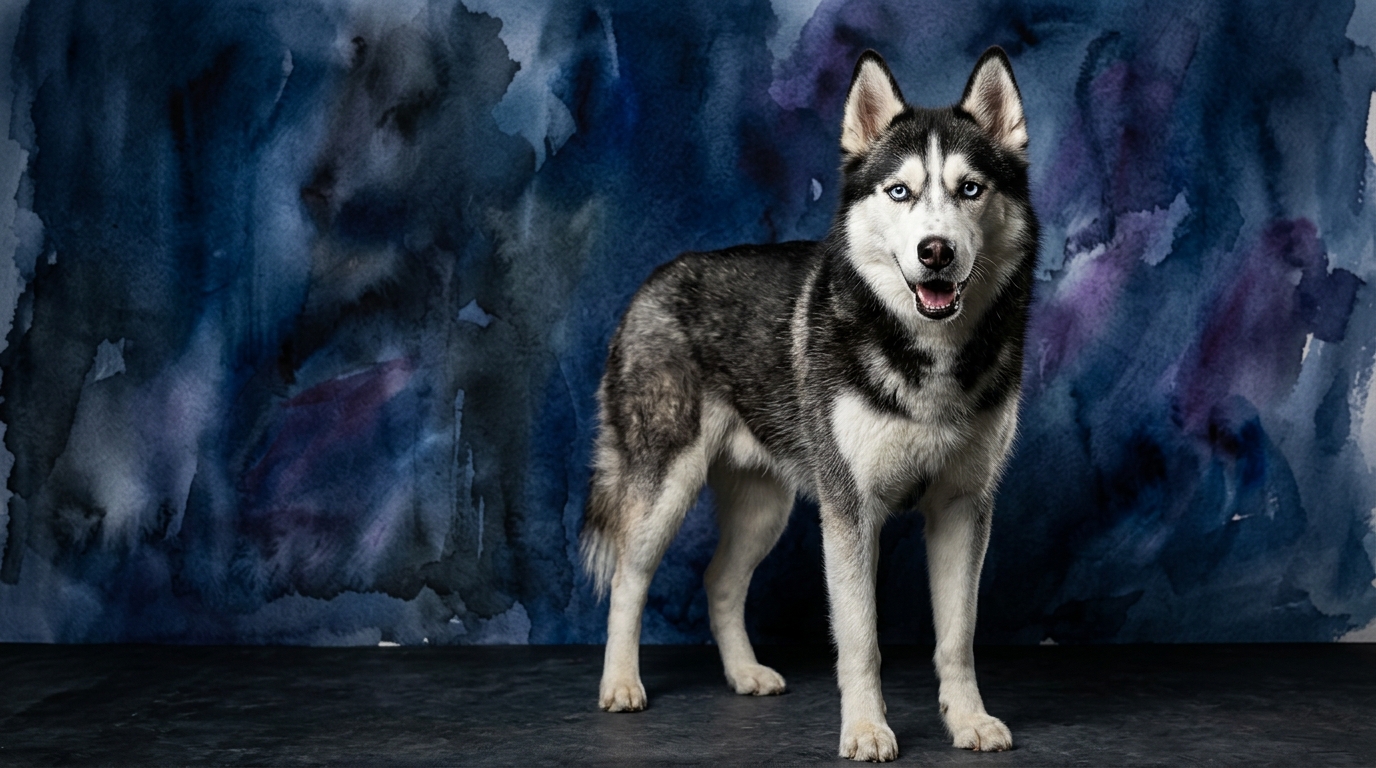
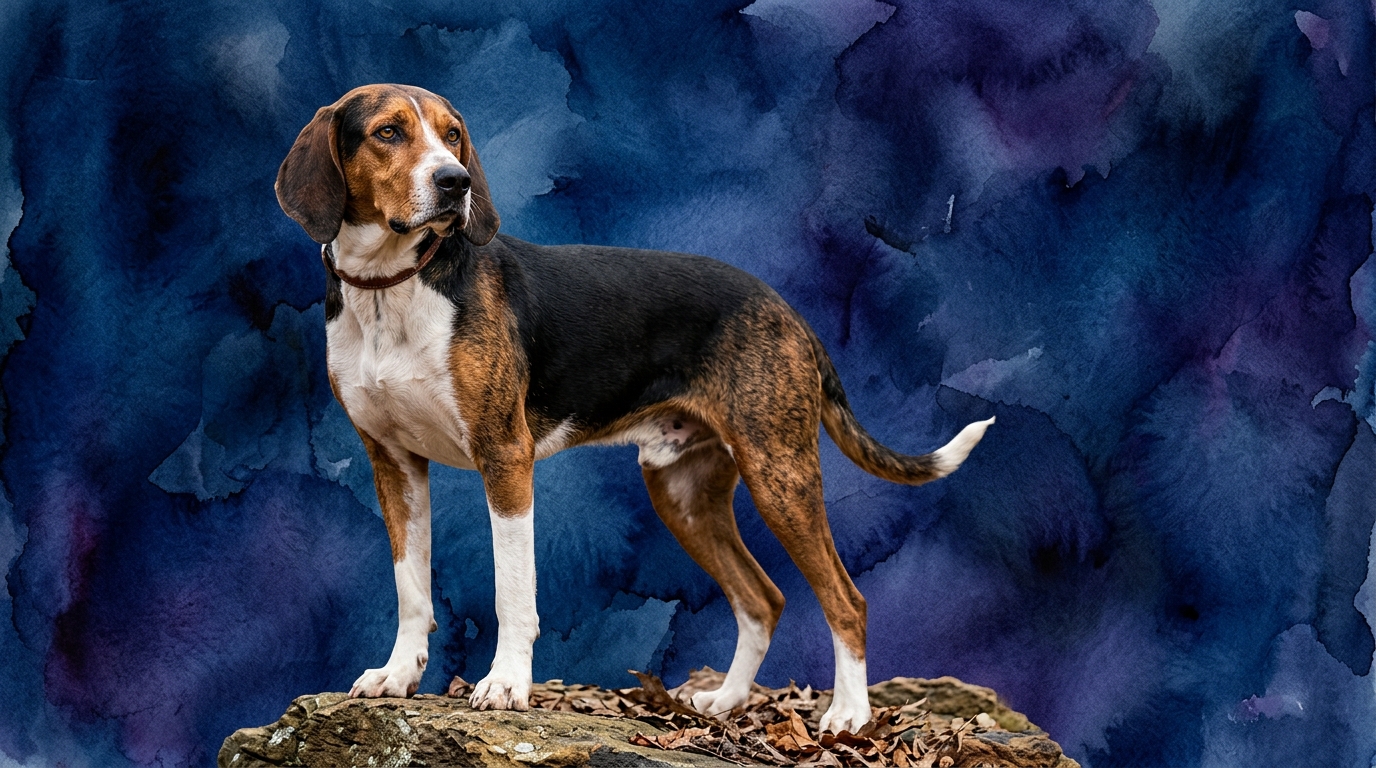
Side-by-Side Cognitive Profile
The Cosmic Pet Pet IQ Lab employs five key dimensions to assess canine intelligence, offering a nuanced view beyond simplistic labels. For the Siberian Husky, ranked #45 by Coren, their cognitive makeup is strongly influenced by their heritage as endurance sled dogs. Their Problem Solving score of 4/5 reflects an impressive capacity to navigate complex environments and devise independent solutions, crucial for survival in harsh conditions. However, their Training Speed is a moderate 2/5; while they grasp concepts quickly, their independent spirit often means they choose whether to comply based on their own motivations. Social Intelligence stands at 3/5, indicating they form strong pack bonds but might be less attuned to subtle human emotional shifts than some companion breeds. Their Instinctive Drive is a profound 5/5, dictating a powerful urge to run, pull, and explore, which underpins much of their cognitive focus. Finally, their Memory is a robust 4/5, essential for recalling routes and past experiences.
The Treeing Walker Coonhound, not Coren-ranked, showcases a distinct set of cognitive strengths tailored to their specialized hunting role. Their Problem Solving is rated 3/5, primarily focused on deciphering intricate scent trails and strategically cornering prey. This isn't about abstract puzzles, but highly specialized sensory and spatial reasoning. Their Training Speed is 3/5; they are generally eager to please and respond well to positive reinforcement, especially when scent work is involved, though distractions can challenge their focus. Social Intelligence also scores 3/5, reflecting their amiable nature and cooperative spirit within a hunting pack or human family. Their Instinctive Drive is 3/5, intensely channeled towards tracking, vocalizing, and 'treeing' quarry, rather than the broad endurance drive of a Husky. Their Memory is 3/5, effective for recalling specific scents, successful hunting strategies, and basic commands, but perhaps not the extensive route memory of a sled dog.
Where the Siberian Husky Excels Cognitively
Siberian Huskies demonstrate a superior aptitude for independent problem-solving and environmental navigation. Their 4/5 problem-solving score is not about obedience, but about their inherent ability to assess situations and devise solutions without direct human instruction, a trait honed by their history of traversing vast, unpredictable landscapes. This might manifest as ingeniously figuring out how to open a gate, unlatch a crate, or exploit a weakness in a fence, all driven by their powerful instinctive desire for exploration and movement (instinctive drive 5/5). Their memory (4/5) further enhances this, allowing them to recall successful escape routes or efficient travel paths, making them exceptionally adept at adapting to changing conditions and remembering lessons learned from past experiences, even if those lessons involve outwitting their humans.
Where the Treeing Walker Coonhound Excels Cognitively
The Treeing Walker Coonhound's cognitive strengths are deeply rooted in their specialized sensory processing and an unwavering focus on a singular, instinctual task. While not evaluated by Coren’s metrics, their olfactory intelligence is profoundly developed. Their 3/5 problem-solving ability is entirely dedicated to unraveling complex scent puzzles, following faint trails over varied terrain, and making critical discriminations between scents. Their training speed of 3/5, while average in general obedience contexts, truly shines when the task involves scent work, where they can demonstrate remarkable persistence and an almost obsessive attention to detail. This specialized cognitive ability allows them to 'read' an environment through scent in a way few other breeds can, making them masters of their unique domain and formidable partners in tracking.
Training Dynamics: A Tale of Two Drives
When it comes to ease of training for the average owner, the Treeing Walker Coonhound generally presents a more straightforward experience, largely due to their moderate training speed (3/5) and a more pronounced desire to engage cooperatively with their handler. They are often highly motivated by food or the reward of scent work, and they respond well to consistent positive reinforcement. While their focus can be momentarily hijacked by a compelling scent, they typically aim to please and collaborate. In contrast, the Siberian Husky, with a training speed of 2/5, learns quickly but often chooses whether to comply based on their own assessment of the situation or their independent motivations. Their profound instinctive drive (5/5) means they are often more interested in exploring or running than performing repetitive commands, requiring a trainer to be exceptionally engaging, patient, and consistent to maintain their attention and secure their cooperation. Huskies are not 'stubborn' in a negative sense, but rather 'selective' in their obedience, making formal training a more nuanced and sometimes challenging endeavor for those accustomed to more biddable breeds.
Matching Breeds to Lifestyles: Active vs. Relaxed Owners
For active owners who thrive on outdoor adventures and seek a partner for endurance activities, the Siberian Husky is an exceptional match. Their profound instinctive drive (5/5) for movement and their natural inclination for covering long distances make them ideal companions for running, hiking, or even skijoring. They require substantial physical and mental exertion to be content, and an owner who can consistently provide outlets for their problem-solving (4/5) and exploratory nature will find a deeply satisfied companion. Their independent spirit means they enjoy being alongside their human, but not necessarily always at their heels, making them perfect for those who appreciate a cooperative but not clingy partner.
Conversely, while the Treeing Walker Coonhound certainly isn't a sedentary breed, their activity requirements are more focused on bursts of intense, scent-driven work rather than sustained, long-distance endurance. A relaxed owner, perhaps one who enjoys shorter, frequent walks with opportunities for extended sniff-fests or engaging in scent games, could find a good fit. Their social intelligence (3/5) allows them to settle comfortably into a family routine, provided their specific needs for scent work and moderate exercise are met. They are suitable for owners who appreciate a generally amiable home life after a good 'hunt' (or scent game) and can provide a securely fenced yard to prevent them from following compelling trails.
The Verdict
Opt for a Siberian Husky if you are an experienced dog owner seeking an independent, highly active companion who thrives on challenging physical and mental engagement, and you appreciate a dog with a strong will and clever problem-solving abilities.
Select a Treeing Walker Coonhound if you value a dedicated companion with an extraordinary sense of smell, are prepared to channel their tracking instincts, and desire a generally amiable dog that responds well to consistent, positive training.
🧠 Find Your Pet's IQ Score
Our Pet IQ Lab assessment covers 25+ tests across 5 cognitive dimensions — personalized to your breed.
Take the Full IQ Test →Frequently Asked Questions
Are Siberian Huskies difficult to train?
Huskies learn quickly, but their independent nature and strong instinctive drives mean they often choose when to comply. Training requires patience, consistency, and highly engaging methods to convince them that following commands is more rewarding than pursuing their own interests.
Do Treeing Walker Coonhounds make good family pets?
Yes, Treeing Walker Coonhounds are typically affectionate and good-natured, making them suitable family pets. They enjoy being part of the family unit and are generally sociable, though their strong scent drive means they need secure environments and consistent training to prevent them from following a compelling trail.
Which breed requires more exercise?
The Siberian Husky generally requires more strenuous and sustained exercise due to their powerful instinctive drive for running and endurance. Treeing Walker Coonhounds also need regular exercise, particularly opportunities for scent work and exploring, but their needs are typically less demanding in terms of sheer distance or duration compared to a Husky.