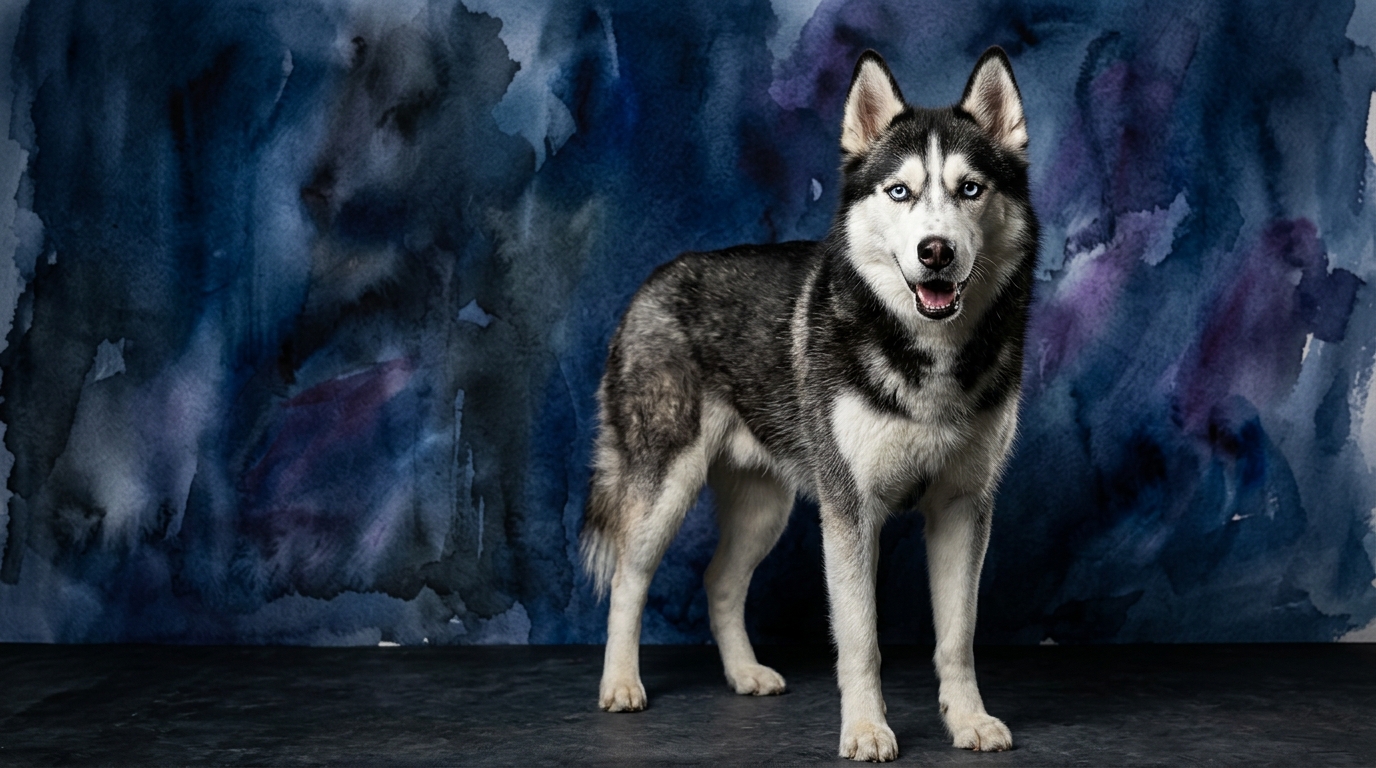
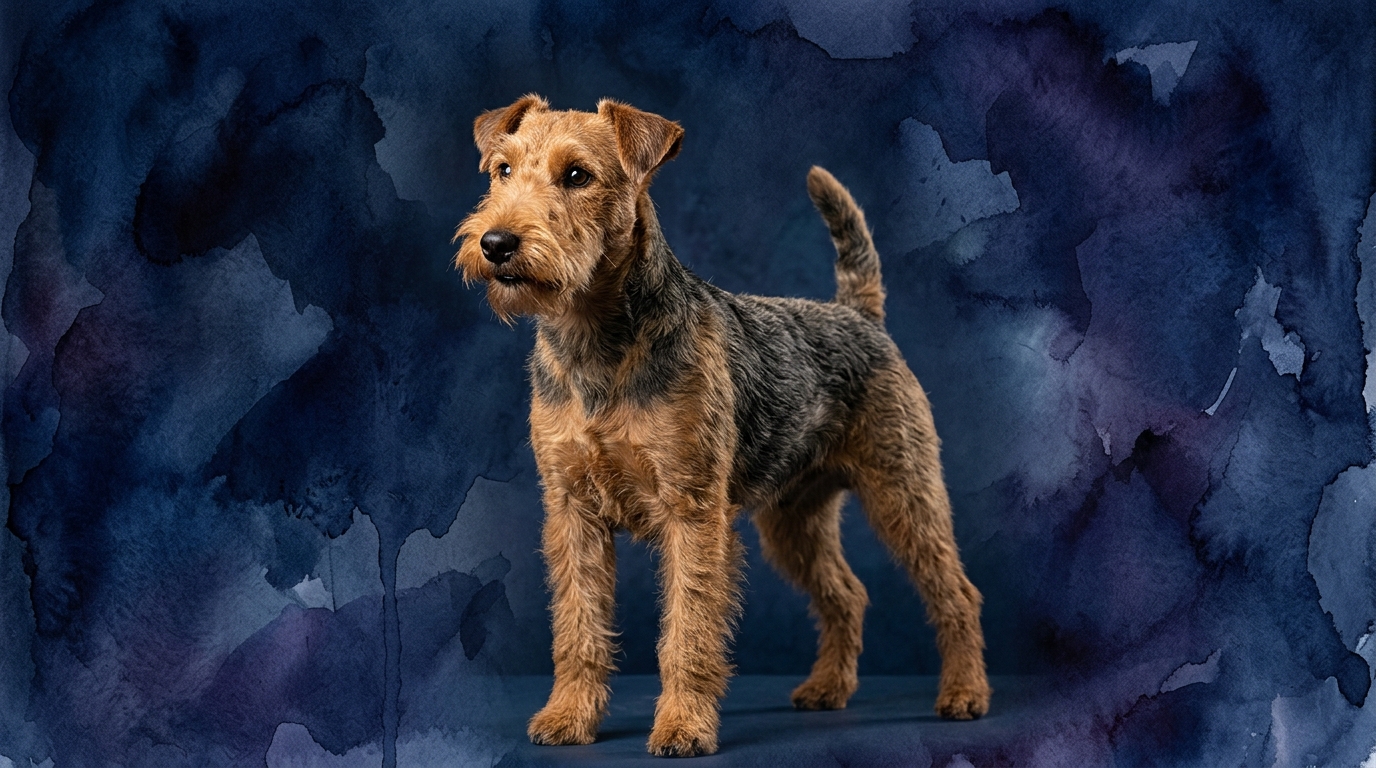
Side-by-Side IQ Profile: Siberian Husky vs. Welsh Terrier
The Cosmic Pet Pet IQ Lab employs five key dimensions to assess a breed's cognitive makeup, offering a nuanced view beyond simple labels. Let's delve into how the Siberian Husky and Welsh Terrier stack up:
Siberian Husky (Working Group, Coren Rank #45): Problem Solving (4/5): Huskies display a strong capacity for independent thought, often devising ingenious ways to achieve goals, whether it's escaping an enclosure or finding hidden treats. Their solutions can be creative and self-serving, requiring owners to stay a step ahead. Training Speed (2/5): While capable of understanding commands, their independent spirit and low desire to please can make them slow to comply consistently. Repetition and high-value rewards are essential, but owners should anticipate a longer journey to reliable obedience. Social Intelligence (3/5): Generally good-natured with both humans and other dogs, they understand social cues but prioritize their own desires. They are not typically driven by a need for constant human approval, interacting more as peers than eager subordinates. Instinctive Drive (5/5): Possesses an exceptionally strong prey drive and an innate urge to run and explore. This profound instinct for movement and hunting is deeply ingrained, shaping much of their behavior and cognitive focus. Memory (4/5): Exhibits a good memory for routines, locations, and past experiences, both positive and negative. They remember training cues, but also retain knowledge of escape routes or where food was last found, contributing to their cleverness.
Welsh Terrier (Terrier Group, Not Coren-ranked): Problem Solving (3/5): Capable of figuring out puzzles and navigating obstacles, often with a persistent, tenacious approach. Their problem-solving is practical and goal-oriented, typically focused on achieving a desired outcome like reaching a burrow or a toy. Training Speed (3/5): Responds reasonably well to training, showing a willingness to learn when motivated. Their terrier stubbornness can emerge, but consistent, positive reinforcement helps them grasp concepts at an average pace. Social Intelligence (3/5): Generally sociable with family, they can be reserved with strangers and sometimes opinionated with other dogs. They read human emotions adequately but are more focused on their immediate environment and their own agenda. Instinctive Drive (3/5): Possesses a moderate to strong prey drive, reflecting their history as hunting dogs. While not as overwhelming as the Husky's running drive, their instinct to chase and dig is a significant part of their cognitive makeup. Memory (3/5): Holds onto learned commands and experiences at an average rate. They remember routines and past interactions, which supports their training, but they don't typically display the same level of environmental recall as a Husky.
Where the Siberian Husky Wins Cognitively
The Siberian Husky's cognitive profile shines particularly bright in areas demanding independent thought and environmental awareness. Their Problem Solving score of 4/5 indicates a breed that doesn't just react but actively strategizes. This manifests in their legendary ability to open latches, scale fences, or devise complex routes to freedom, often outsmarting human efforts to contain them. Unlike many breeds that look to their owner for solutions, a Husky is more likely to assess a situation and formulate its own plan, a trait born from centuries of working semi-independently on vast, open trails. This depth of self-directed problem-solving is a clear cognitive advantage. Furthermore, their Instinctive Drive, rated 5/5, isn't just about physical activity; it's a deeply ingrained cognitive program. Their minds are wired for endurance, navigation, and the pursuit of a distant goal, making them exceptional at tasks requiring sustained focus on a physical objective. This drive translates into a mental stamina for exploration and a profound connection to their environment. Coupled with a strong Memory (4/5), Huskies can recall intricate details of their surroundings, remembering where they buried a toy months ago or the layout of an escape route they once discovered. This combination of autonomous problem-solving, profound instinctual focus, and robust memory makes the Siberian Husky a master of navigating and manipulating its physical world.
Where the Welsh Terrier Wins Cognitively
While the Siberian Husky excels in autonomous problem-solving, the Welsh Terrier demonstrates distinct cognitive strengths, particularly in its approachability to structured learning. With a Training Speed score of 3/5 compared to the Husky's 2/5, the Welsh Terrier typically shows a more consistent willingness to engage with training exercises and absorb new commands at a steadier pace. Their terrier tenacity, often perceived as stubbornness, can actually translate into persistent effort during training sessions once they understand the expectation and are properly motivated. They are less likely to become bored or decide a task isn't worth their effort compared to a Husky, who might simply opt out if the reward isn't compelling enough or if a more interesting distraction arises. This breed’s cognitive framework is geared towards a partnership in focused tasks, historically hunting vermin alongside humans, which requires a degree of cooperation and responsiveness. Their Instinctive Drive, rated 3/5, while present, is more manageable and less overwhelming than the Husky's intense desire to run. This means their cognitive energy is less consumed by an irresistible urge to roam, allowing for greater mental availability for owner-directed activities. The Welsh Terrier's social intelligence, while rated similarly at 3/5, often manifests as a more direct and engaged interaction with their primary caregivers during training, making them more amenable to collaborative learning experiences.
Which is Easier to Train and Why?
When evaluating ease of training, the Welsh Terrier generally holds an advantage over the Siberian Husky. The core difference lies in their respective motivations and historical roles. The Welsh Terrier's Training Speed score of 3/5 reflects a breed that, while possessing a typical terrier independent streak, is often eager to please its primary human and engage in cooperative activities. Their cognitive makeup is oriented towards working with a handler, albeit with their own opinions. They respond well to consistent, positive reinforcement, and their innate desire to chase and dig can often be channeled into engaging training games. For instance, teaching a Welsh Terrier to 'find it' with a toy can be a highly rewarding experience, leveraging their natural instincts for a directed task. In contrast, the Siberian Husky's Training Speed is rated at a challenging 2/5. This isn't due to a lack of understanding; Huskies are profoundly capable of grasping concepts. However, their independent problem-solving (4/5) and powerful instinctive drives (5/5) mean they frequently prioritize their own agenda over human directives. A Husky might perfectly understand 'come' but choose not to respond if they perceive a more enticing opportunity, like exploring a new scent or chasing a squirrel. Their social intelligence (3/5) also means they are less driven by a need for constant human approval. This requires a trainer to be exceptionally patient, creative, and consistent, often employing high-value rewards and making training feel like a collaborative game rather than a command-and-obey scenario. Therefore, for an owner seeking a more straightforward and less demanding training journey, the Welsh Terrier typically presents fewer cognitive hurdles.
Which Suits Active Owners vs. Relaxed Owners?
The choice between a Siberian Husky and a Welsh Terrier largely depends on an owner's lifestyle and how they prefer to engage with their canine companion. Active owners, particularly those who thrive on outdoor adventures and can provide consistent, high-intensity exercise, will find the Siberian Husky an unparalleled match. Their immense Instinctive Drive (5/5) for running and exploration means they require significant physical and mental outlets. A Husky thrives on long runs, hiking, or even dog sports like canicross or skijoring. Their problem-solving minds also benefit from complex environments, making them ideal partners for owners who enjoy navigating new trails or engaging in scent work over vast areas. This breed demands an owner who is not only active but also cognitively engaged in managing their independent spirit and ensuring their boundless energy is channeled constructively. Conversely, the Welsh Terrier, while certainly not a couch potato, is better suited for owners who are active but perhaps not seeking a marathon runner. Their Instinctive Drive (3/5) for chasing and digging can be satisfied with brisk walks, active playtime in a securely fenced yard, and engaging puzzle toys. They enjoy structured activities and thrive on consistent routines, making them a good fit for owners who can appreciate a dog that can keep up but doesn't require extreme endurance. A Welsh Terrier owner might enjoy daily walks, agility classes, or backyard games, and while they need mental stimulation, it doesn't necessarily need to involve vast distances or complex escape artistry. For those with a more relaxed lifestyle who still want an engaged, spirited companion without the overwhelming demands of a working sled dog, the Welsh Terrier presents a more harmonious fit.
The Verdict
Opt for the Siberian Husky if you are an experienced, highly active individual or family prepared for a cognitively independent dog with immense endurance and a clever, self-directed approach to problem-solving.
Select the Welsh Terrier if you desire a spirited, tenacious companion that is generally more responsive to training and thrives on consistent engagement, suitable for active but not extreme lifestyles.
🧠 Find Your Pet's IQ Score
Our Pet IQ Lab assessment covers 25+ tests across 5 cognitive dimensions — personalized to your breed.
Take the Full IQ Test →Frequently Asked Questions
Are Siberian Huskies difficult to train?
Siberian Huskies are not difficult to train because they lack intelligence, but rather due to their strong independent streak and powerful instinctive drives. They understand commands but often choose to prioritize their own desires over immediate compliance, requiring patient and consistent training.
Do Welsh Terriers need a lot of mental stimulation?
Yes, Welsh Terriers require consistent mental stimulation to prevent boredom and destructive behaviors. Their problem-solving abilities and instinctive drive benefit from interactive toys, training sessions, and varied daily routines, keeping their tenacious minds engaged.
Which breed is better for first-time dog owners?
Given their more manageable training speed and less overwhelming instinctive drives, the Welsh Terrier is generally a more suitable choice for first-time dog owners. Siberian Huskies demand significant experience in managing their unique cognitive independence and high energy levels.