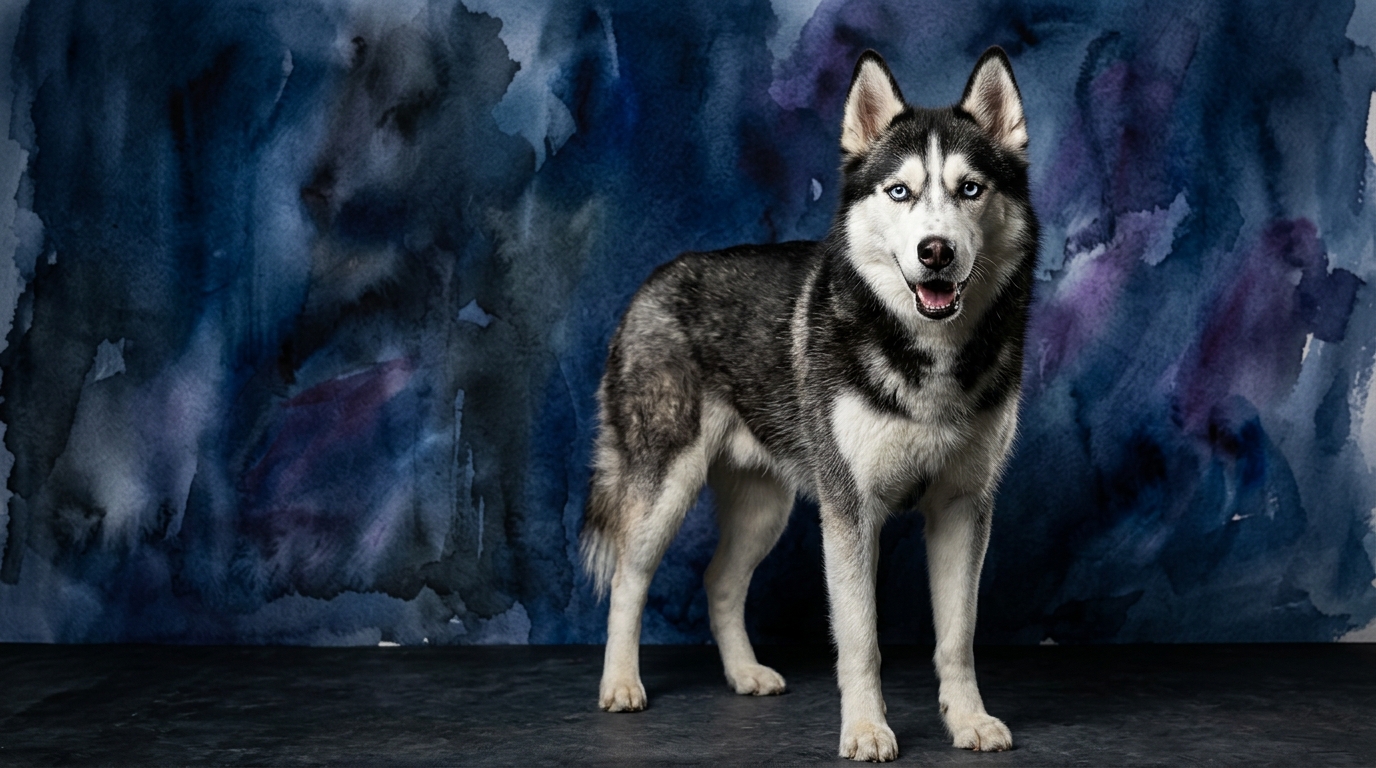
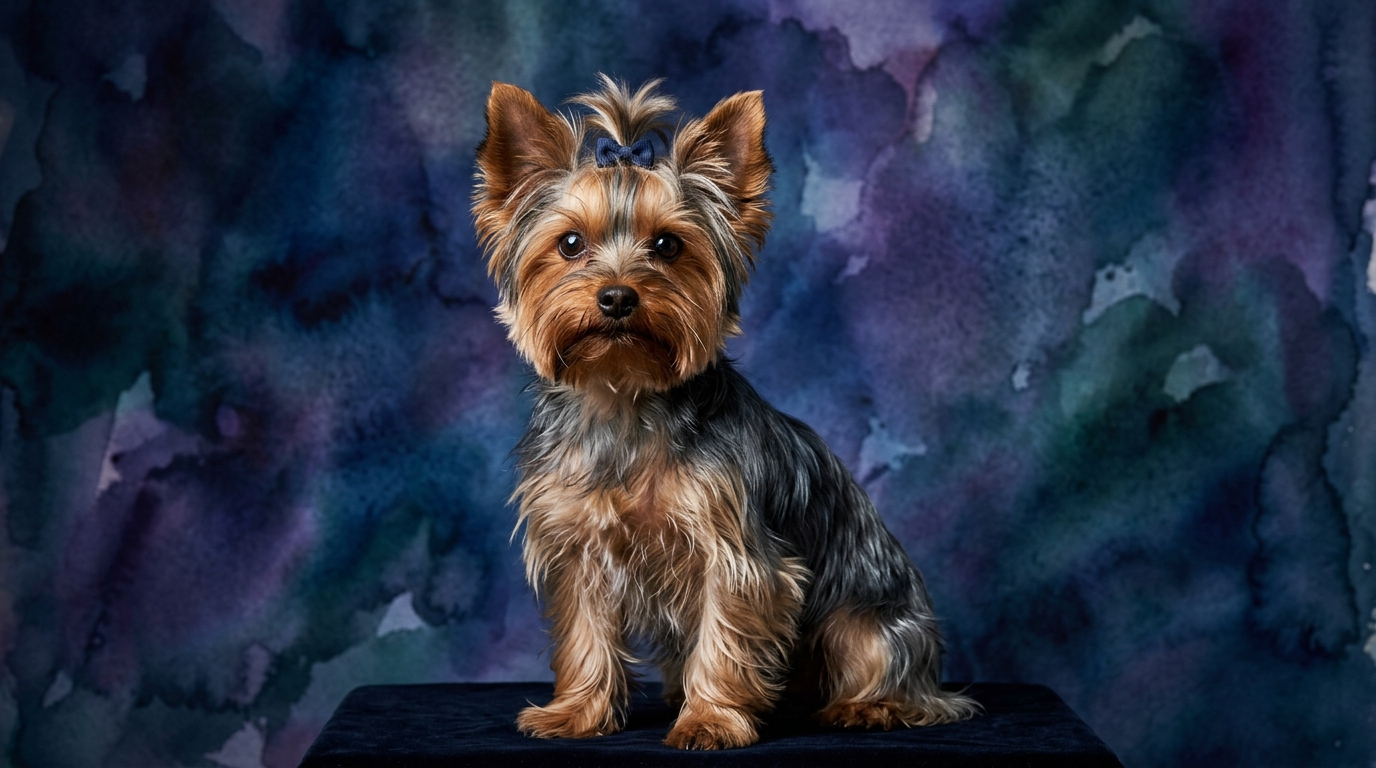
Side-by-Side IQ Profile: Husky vs. Yorkie
The Cosmic Pet Pet IQ Lab assesses canine intelligence across five key dimensions, providing a granular view of how breeds process the world. For the Siberian Husky, a Working group dog with a Coren rank of #45, the profile highlights strengths in problem-solving (4/5) and an exceptional instinctive drive (5/5). They also demonstrate solid memory (4/5) but are less adept in training speed (2/5) and social intelligence (3/5) compared to some other breeds. These scores reflect their heritage as independent, task-oriented working dogs.
In contrast, the Yorkshire Terrier, a Terrier group dog ranking #27 on the Coren scale, presents a different cognitive landscape. Yorkies excel in training speed (4/5) and social intelligence (4/5), indicating a strong ability to learn quickly from humans and form complex social bonds. Their memory is also robust (4/5), and their instinctive drive (4/5) is notable for a smaller companion breed, often manifesting as a tenacious 'terrier spirit.' Their problem-solving ability, while respectable, is slightly lower than the Husky's (3/5).
Where the Siberian Husky Wins Cognitively
The Siberian Husky’s primary cognitive advantage lies in its profound problem-solving abilities and unparalleled instinctive drive. With a 4/5 in problem-solving, Huskies are adept at navigating complex environments, figuring out how to open gates, scale fences, or even cooperatively work with pack mates to achieve goals. This isn't about solving abstract puzzles for human amusement, but rather applying ingenuity to overcome obstacles in their path, particularly when motivated by curiosity or a desire to explore.
Their perfect 5/5 score in instinctive drive is a testament to their heritage. This isn't merely about energy; it's a deep-seated, intrinsic motivation to perform tasks, endure challenges, and follow their innate urges, such as pulling, running, or exploring vast territories. This drive fuels their problem-solving, pushing them to persist in mental and physical challenges that might deter other breeds. They possess an internal compass for purpose, making them remarkable in activities requiring sustained effort and self-direction.
Where the Yorkshire Terrier Wins Cognitively
The Yorkshire Terrier shines brightest in areas directly related to companionship and domestic integration. Their 4/5 score in training speed signifies a quick grasp of commands and routines. Yorkies are generally eager to please their human companions and respond well to consistent, positive reinforcement, making them relatively straightforward to teach basic obedience and house rules. This rapid learning curve allows them to adapt swiftly to various living situations and human expectations.
Furthermore, the Yorkshire Terrier's 4/5 in social intelligence is a significant cognitive asset. This dimension reflects their capacity to understand and respond to human emotions, social cues, and family dynamics. They often form deep, intuitive bonds with their owners, anticipating needs and offering comfort. This social acumen makes them highly attuned companions, capable of nuanced interactions and a strong sense of belonging within a human household, distinguishing them as perceptive members of the family unit.
Which is Easier to Train and Why?
Based on The Cosmic Pet Pet IQ Lab's data, the Yorkshire Terrier is demonstrably easier to train than the Siberian Husky. The Yorkie's 4/5 training speed indicates they typically require fewer repetitions to learn new commands and are more receptive to instruction. This is often observed in their quicker acquisition of house-training, leash manners, and basic obedience cues. Their higher social intelligence (4/5) further contributes to their trainability, as they are more inclined to seek human approval and understand social structures within the home, which translates into a willingness to cooperate.
Conversely, the Siberian Husky's 2/5 training speed suggests a more challenging training journey. Huskies possess a strong independent streak and their exceptional instinctive drive (5/5) means they are often more motivated by their own desires—like running or exploring—than by human commands. They require an owner with immense patience, consistency, and a deep understanding of positive reinforcement to make training effective. While they are capable of learning, their attention span for repetitive tasks can be short, and they may choose to 'opt out' if they don't see immediate value or if a more compelling instinct takes over. Their lower social intelligence (3/5) means they might not be as finely tuned to human desires for compliance, sometimes appearing aloof or stubborn.
Suitability for Active vs. Relaxed Owners
The cognitive profiles of these two breeds offer clear guidance for matching them with appropriate lifestyles. The Siberian Husky, with its superior problem-solving (4/5) and paramount instinctive drive (5/5), is an ideal companion for highly active owners. These dogs thrive when given a 'job' or regular, vigorous exercise that engages both their bodies and minds. Owners who enjoy long runs, hiking, dog sports like canicross, or even sledding (where appropriate) will find a Husky to be a willing and capable partner. Their cognitive strengths are best utilized in environments that demand physical endurance, mental engagement through exploration, and opportunities to make independent decisions within safe boundaries. A relaxed owner might find a Husky's immense drive and need for mental stimulation overwhelming, potentially leading to boredom-induced destructive behaviors.
The Yorkshire Terrier, in contrast, is better suited for owners who prefer a more relaxed or moderately active lifestyle, though they certainly enjoy playtime and walks. Their high training speed (4/5) and social intelligence (4/5) mean they are content with being central figures in family life, engaging in interactive play, learning tricks, and enjoying close companionship. While they possess a respectable instinctive drive (4/5), it's typically channeled into terrier-like pursuits such as chasing small toys or exploring the backyard, rather than extensive endurance activities. Owners seeking a responsive, affectionate, and easily managed companion for apartment living or a less demanding outdoor routine will find the Yorkie's cognitive makeup aligns perfectly with their needs, thriving on social interaction and mental stimulation through training and play rather than sheer physical exertion.
The Verdict: When to Choose Each Breed
When making a choice between these two distinct breeds, consider the cognitive strengths and how they align with your lifestyle. The Siberian Husky is the choice for an owner who can commit to providing extensive daily physical exercise, mental challenges that tap into their problem-solving and instinctive drive, and who appreciates an independent yet loyal companion.
Conversely, the Yorkshire Terrier is the ideal companion for an owner seeking a highly trainable, socially astute, and affectionate dog that thrives on close human interaction and can adapt well to various living situations, including smaller homes, provided they receive consistent mental engagement and moderate activity.
The Verdict
Choose the Siberian Husky if you are an active, experienced owner capable of providing consistent mental and physical challenges to satisfy their profound instinctive drive and problem-solving nature.
Opt for the Yorkshire Terrier if you desire a highly trainable, socially intelligent companion eager to engage in family life and thrives on close human connection and moderate activity.
🧠 Find Your Pet's IQ Score
Our Pet IQ Lab assessment covers 25+ tests across 5 cognitive dimensions — personalized to your breed.
Take the Full IQ Test →Frequently Asked Questions
Is a Siberian Husky good for a first-time dog owner?
Due to their 2/5 training speed and strong instinctive drive, Siberian Huskies can be challenging for first-time dog owners. They require consistent training, significant exercise, and an understanding of their independent nature, which can be overwhelming without prior experience.
Do Yorkshire Terriers bark a lot due to their instinctive drive?
Yorkshire Terriers do have a notable instinctive drive (4/5) which, combined with their terrier heritage, can manifest as alert barking. They are often quick to announce perceived intruders or unusual sounds, though their high social intelligence and trainability mean this can often be managed with consistent training.
Which breed is better for apartment living based on their IQ profile?
Based on their IQ profiles, the Yorkshire Terrier is generally better suited for apartment living. Their cognitive strengths in training speed and social intelligence allow them to adapt well to indoor life with adequate mental stimulation and moderate exercise, whereas a Husky's intense instinctive drive and problem-solving skills require much more space and physical outlets.