Side-by-Side Cognitive Profiles
In The Cosmic Pet Pet IQ Lab, both the Skye Terrier and the Miniature Pinscher consistently score 3/5 across all five cognitive dimensions. This identical numerical assessment, however, belies the rich tapestry of how these abilities are expressed through the lens of each breed's distinct heritage and personality. Understanding these nuances is key to appreciating their individual cognitive strengths.
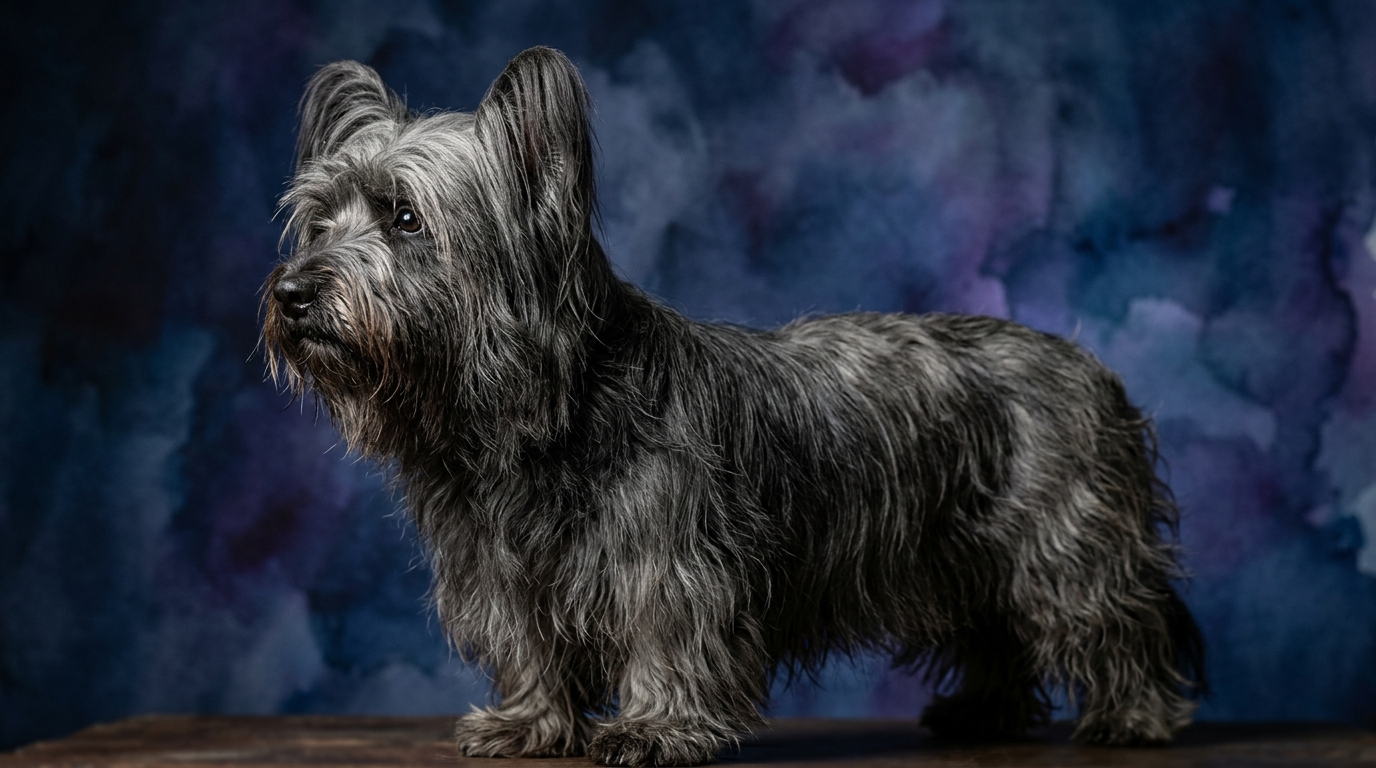
For the Skye Terrier, a breed rooted in the rugged terrains of Scotland, their **Problem Solving (3/5)** often manifests as a tenacious, self-directed effort. This isn't about solving complex human-designed puzzles, but rather demonstrating persistent ingenuity in achieving their own goals, such as finding a way to investigate an interesting scent or patiently working at a toy. Their **Training Speed (3/5)** reflects their capacity to learn, though their independent Terrier spirit means that consistency and a strong bond are crucial for compliance. They absorb commands, but their willingness to perform is tied to their own motivation and trust in their handler. The Skye's **Social Intelligence (3/5)** is characterized by a deep, discerning loyalty to their chosen family, often exhibiting a reserved demeanor towards strangers. They are adept at reading the emotions and intentions of their inner circle, offering profound companionship. Their **Instinctive Drive (3/5)** is deeply rooted in their working heritage, showing as a keen prey drive, a natural inclination to dig, and alert watchfulness. Finally, their **Memory (3/5)** is solid, enabling them to recall routines, people, and past experiences, which influences their future interactions and benefits from a stable environment.
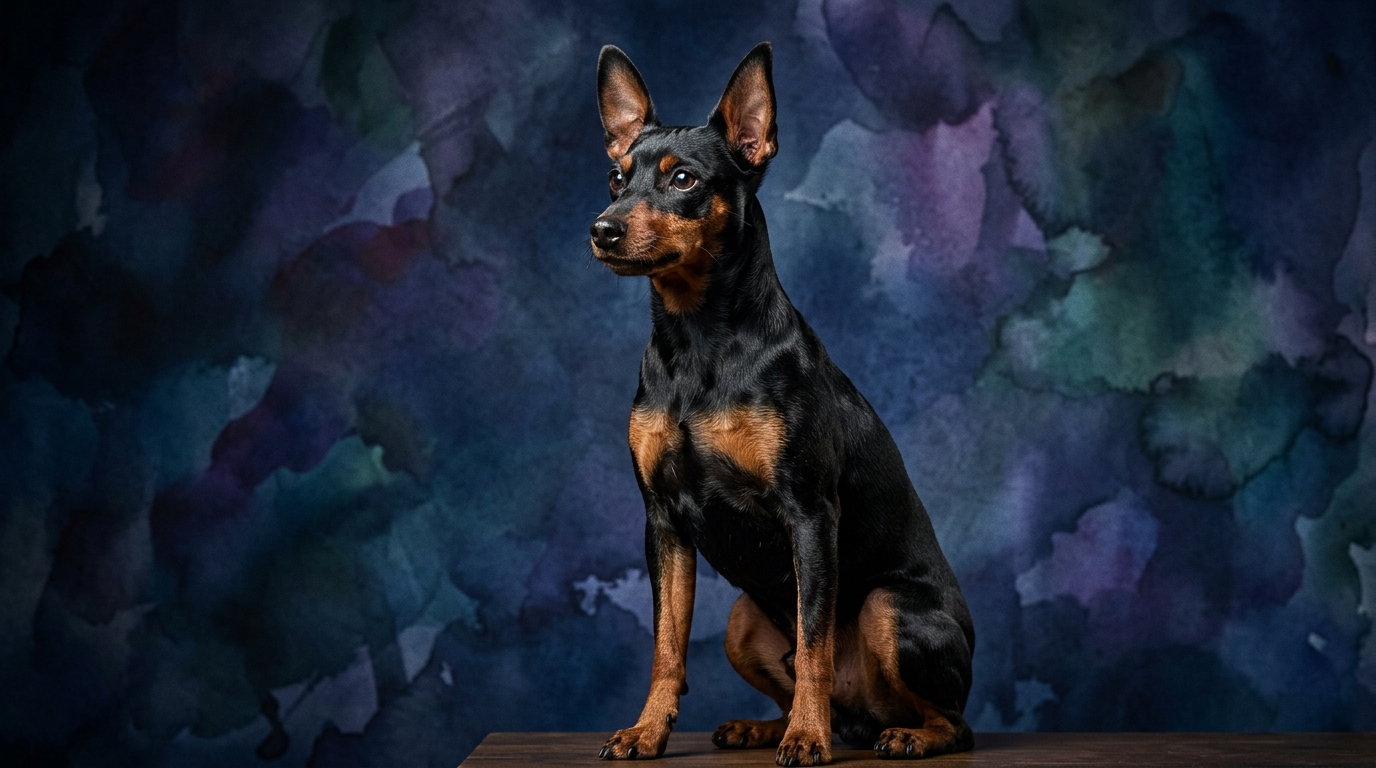
The Miniature Pinscher, often dubbed the 'King of Toys,' brings a vibrant energy to their cognitive profile. Their **Problem Solving (3/5)** is typically applied to their immediate environment, focusing on practical solutions like navigating obstacles to reach a favorite person or finding clever ways to gain attention. Their solutions are often quick and direct, driven by confidence. When it comes to **Training Speed (3/5)**, Min Pins learn rapidly, but their bold and sometimes stubborn nature demands consistent training and clear leadership. They grasp concepts quickly, yet their compliance can be influenced by their strong will, making early and continuous guidance essential. Their **Social Intelligence (3/5)** is lively and engaging, as they are often eager to interact with their family and quick to interpret human cues for attention or play. They also possess a protective streak, making them alert to strangers and adept at discerning potential threats. The Min Pin’s **Instinctive Drive (3/5)** is primarily expressed through strong alertness and a vigilant watchdog tendency, coupled with a confident, energetic disposition. They exhibit a keen awareness of their surroundings and a desire to patrol their territory, often voiced through barking. Their **Memory (3/5)** is robust, allowing them to remember routines, people, and specific events, particularly those related to their family or personal boundaries, ensuring both positive and negative experiences leave a lasting impression.
Where Skye Terrier Wins Cognitively
Despite identical 3/5 scores, the Skye Terrier's cognitive strengths often lie in their unique application of these abilities. Their **Problem Solving (3/5)**, for instance, exhibits a remarkable tenacity in self-directed tasks. Unlike some breeds that might wait for cues, a Skye Terrier will persistently work to achieve a goal they've identified, such as carefully extracting a hidden treat from a complex toy or meticulously digging to explore an intriguing scent. This particular manifestation of problem-solving is less about quick human-prompted responses and more about sustained, independent effort driven by their inherent Terrier determination.
Furthermore, the Skye Terrier's **Social Intelligence (3/5)** shines through its profound, discerning loyalty. While they may be reserved with strangers, their ability to read and understand the subtle emotional shifts and intentions of their chosen family members is exceptional. This focused social acuity creates an incredibly deep and nuanced bond, where their understanding of their inner circle is almost intuitive, offering a form of companionship that is both quiet and intensely devoted. This isn't a broad, outgoing sociability, but a deeply concentrated emotional intelligence directed towards those they trust.
Where Miniature Pinscher Wins Cognitively
The Miniature Pinscher, with its vibrant personality, presents its cognitive strengths in distinct ways. Their **Problem Solving (3/5)** often excels in agile environmental manipulation. Min Pins are quick to figure out how to navigate their home for optimal comfort, attention, or access to desired items, such as strategically placing themselves for sunbeams or finding ways to get a favored toy. This form of problem-solving is characterized by its speed, adaptability, and the breed's confident 'can-do' attitude, making them adept at quickly assessing and influencing their immediate surroundings.
The Min Pin's **Instinctive Drive (3/5)**, combined with their **Social Intelligence (3/5)**, creates a highly effective and vocal alertness. They are exceptionally quick to notice any anomaly or stranger and vocally communicate this to their owners. This isn't mere barking; it's an active assessment and communication of their environment, demonstrating a keen awareness and protective instinct that makes them highly capable miniature sentinels. Their social intelligence allows them to interpret situations, and their drive compels them to act as a vigilant, albeit tiny, guardian.
Which is Easier to Train and Why
When considering ease of training, both Skye Terriers and Miniature Pinschers share a 3/5 Training Speed score, indicating neither is inherently 'easier' in terms of raw learning capacity. However, the *approach* required for each differs significantly due to their temperaments. The Miniature Pinscher, with its bold confidence and eagerness to engage, can appear to learn commands more quickly when motivated by consistent positive reinforcement and clear, firm boundaries. Their desire for attention often makes them responsive, though their independent streak requires unwavering consistency from their handler.
Conversely, the Skye Terrier, while equally capable of learning, demands a different kind of patience. Their independent and sometimes stubborn Terrier spirit means that training often requires more creativity and a deeper understanding of their motivations. A Skye Terrier might understand a command perfectly but choose not to execute it if they don't perceive sufficient value or if their own objectives conflict. Neither breed is a 'set it and forget it' student; the Min Pin benefits from direct, confident guidance, while the Skye Terrier thrives with a nuanced, relationship-focused training strategy that respects their independent nature.
Which Suits Active Owners vs. Relaxed Owners
Matching a dog's energy level to an owner's lifestyle is crucial, even with breeds scoring identically in instinctive drive. The Skye Terrier, despite their resilient nature, generally suits owners who appreciate a companion with a distinctive personality and are willing to provide consistent, thoughtful engagement without needing an intense exercise regimen. Their 3/5 instinctive drive means they enjoy regular, moderate activity, such as walks in varied environments that allow for sniffing and exploration, satisfying their natural curiosity and prey drive. They are not suited for highly active owners seeking a jogging partner, nor for entirely relaxed owners who offer minimal interaction. They thrive with those who can provide calm, consistent training and mental stimulation.
The Miniature Pinscher, with its vibrant energy and confident disposition, generally suits more active owners. Their 3/5 instinctive drive, coupled with their lively personality, means they genuinely enjoy regular play, short bursts of activity, and opportunities to 'patrol' their home and yard. They are well-suited for owners who enjoy interactive games, consistent training, and who can provide clear, confident leadership to channel their spirited nature. While adaptable to apartment living, Min Pins are not content to be couch potatoes and benefit immensely from owners who can match their enthusiasm for life and provide consistent physical and mental outlets to keep them engaged and well-behaved.
The Verdict
Opt for a Skye Terrier if you appreciate a deeply loyal, independent companion with a reserved but profound social intelligence, and are prepared for a dog whose problem-solving is often self-directed and tenacious, requiring a patient, understanding approach to training.
Select a Miniature Pinscher if you desire an energetic, confident, and highly alert companion who applies their problem-solving skills to their immediate environment, and you are ready to provide consistent leadership and engage with their spirited nature.
🧠 Find Your Pet's IQ Score
Our Pet IQ Lab assessment covers 25+ tests across 5 cognitive dimensions — personalized to your breed.
Take the Full IQ Test →Frequently Asked Questions
Are Skye Terriers good family dogs?
Skye Terriers are typically devoted to their families, forming strong bonds. Their reserved social intelligence means they may be wary of strangers or young, boisterous children, but with proper socialization and respectful interaction, they are loyal and loving companions.
Do Miniature Pinschers bark a lot?
Miniature Pinschers have a 3/5 instinctive drive that includes a strong watchdog tendency, often leading them to bark at perceived threats or new sounds. While this makes them excellent alert systems, consistent training and socialization from an early age can help manage excessive barking.
How much exercise does a Skye Terrier need?
A Skye Terrier, despite its moderate 3/5 instinctive drive, benefits from daily walks and opportunities for mental stimulation. They are not high-endurance dogs but enjoy exploring and sniffing, which provides both physical and cognitive engagement, keeping them content and balanced.