Side-by-Side Cognitive Profiles
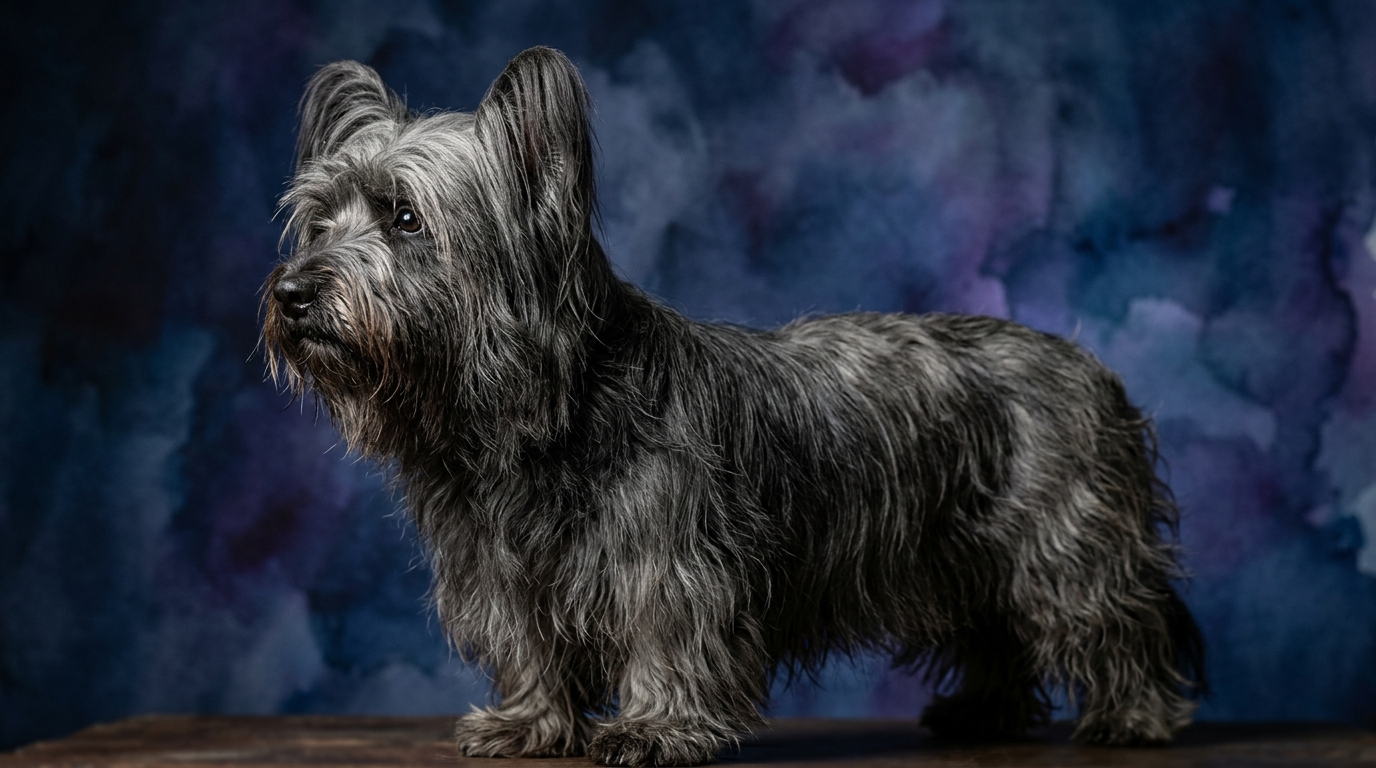
The Cosmic Pet Pet IQ Lab employs a five-dimensional framework to assess canine intelligence, providing a nuanced understanding beyond simple obedience scores. For the Skye Terrier, a breed from the Terrier group, we observe a consistent performance across all cognitive metrics: Problem Solving (3/5), Training Speed (3/5), Social Intelligence (3/5), Instinctive Drive (3/5), and Memory (3/5). This '3/5' indicates a reliable, average capacity within each area, suggesting a balanced cognitive toolkit that allows them to navigate their world competently without extreme strengths or weaknesses.
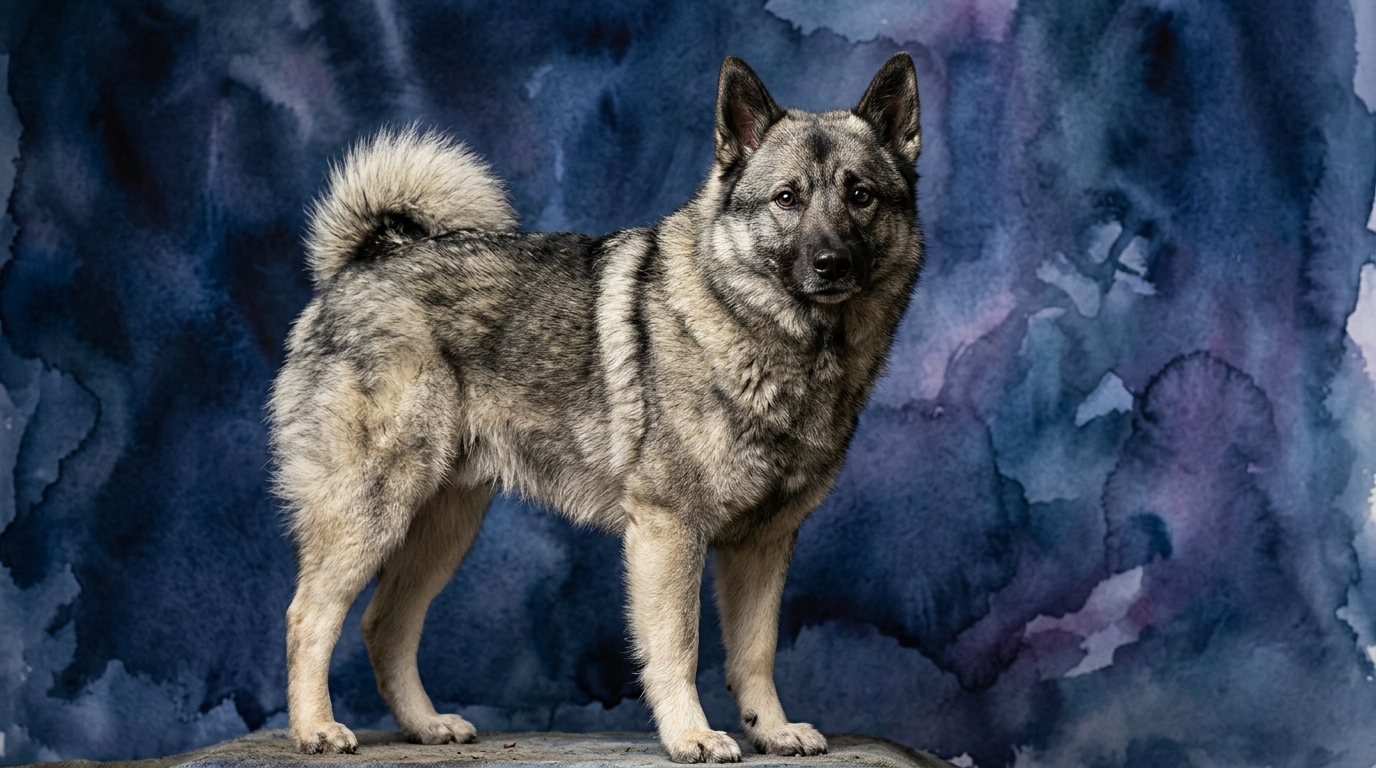
In contrast, the Norwegian Elkhound, a member of the Hound group and ranked #36 by Coren, presents a more specialized cognitive profile. They achieve higher marks in Problem Solving (4/5), Training Speed (4/5), and Memory (4/5), while matching the Skye Terrier in Social Intelligence (3/5) and Instinctive Drive (3/5). These elevated scores in specific domains point to a breed whose mental aptitudes were honed for tasks requiring quick strategic thought, efficient learning, and robust recall, likely reflecting their historical role as a robust hunting companion.
Where the Skye Terrier Excels Cognitively
While the Skye Terrier doesn't boast a higher numerical score in any single cognitive dimension compared to the Elkhound, their strength lies in their balanced, tenacious application of their abilities. A '3/5' in Problem Solving, for instance, translates into a persistent, methodical approach. They may not devise the quickest solution, but their intrinsic terrier determination means they are less likely to give up on a challenge, employing trial-and-error with admirable resolve until a solution is found.
Their consistent '3/5' across all categories also suggests a cognitive resilience. This breed demonstrates a steady capacity to learn at an average pace, retain information reasonably well, and interpret social cues without significant difficulty. This balanced temperament, coupled with their inherent independence, means a Skye Terrier is a reliable, self-sufficient thinker, capable of managing situations without constant human direction, a trait valuable for an owner who appreciates a dog with a thoughtful, if not always immediate, processing style.
Where the Norwegian Elkhound Shows Cognitive Prowess
The Norwegian Elkhound's cognitive strengths are evident in their superior scores in Problem Solving (4/5), Training Speed (4/5), and Memory (4/5). Their '4/5' in Problem Solving signifies a capacity for more strategic and efficient thought processes. They are often adept at analyzing situations and formulating effective solutions with greater speed and less unnecessary effort, a trait crucial for a hunting dog that needs to make quick decisions in dynamic environments.
Their elevated Training Speed and Memory scores indicate a dog that absorbs and retains information with remarkable efficiency. An Elkhound is likely to grasp new commands and complex sequences of actions relatively quickly, requiring fewer repetitions to achieve mastery. This robust memory also means they can recall learned behaviors over extended periods, making them particularly receptive to advanced training and tasks that build upon previous knowledge. This cognitive agility allows them to adapt to new situations and learn intricate routines with impressive ease.
Training Dynamics: Effort for Success
When considering ease of training, the Norwegian Elkhound generally presents a smoother path for most owners, largely due to their '4/5' scores in Training Speed and Memory. This means they tend to pick up new commands and routines with fewer repetitions and retain that knowledge more reliably over time. Their historical role required them to work cooperatively with humans while also thinking independently, a balance that translates into a receptive yet discerning training partner. They are capable of understanding nuanced instructions and remembering multi-step processes, making them well-suited for progressive training methods.
The Skye Terrier, with '3/5' in both Training Speed and Memory, will require more patience, consistency, and creative engagement from their human companions. Their learning curve is more gradual, and they may need more varied approaches to prevent boredom during repetitive drills. Their terrier heritage also imbues them with a degree of independent thought and a persistent nature that can sometimes be perceived as 'stubbornness' during training. While they are capable of learning, their inherent self-reliance means they might challenge commands more often or require stronger motivation to comply compared to the more intrinsically biddable Elkhound. Successful training with a Skye Terrier often hinges on making lessons engaging and rewarding, leveraging their tenacity rather than fighting against it.
Lifestyle Compatibility: Active vs. Relaxed Owners
The choice between a Skye Terrier and a Norwegian Elkhound also significantly depends on an owner's lifestyle and activity levels. The Norwegian Elkhound, with its background as a robust hunting dog and its cognitive strength in problem-solving and memory, thrives with active owners. These dogs possess considerable stamina and mental acuity, requiring daily vigorous exercise like long runs, hikes, or engaging scent work to fulfill their needs. They are best suited for individuals or families who can dedicate significant time to physical activity and intellectually stimulating games or advanced training, ensuring their sharp minds and bodies are adequately challenged.
The Skye Terrier, while not a sedentary breed, generally suits owners with a more moderately active or relaxed lifestyle. Their '3/5' instinctive drive means they require consistent, but not necessarily extreme, physical and mental engagement. Daily walks, interactive play sessions, and moderate mental puzzles are typically sufficient to keep them content. They are often adaptable to apartment living, provided their exercise needs are met, and their independent streak might appeal to owners who appreciate a dog that isn't constantly demanding attention but still enjoys close companionship and structured interaction. They represent a good fit for those seeking a loyal companion whose needs are consistent and manageable without requiring an intense, high-octane routine.
The Verdict
Choose the Skye Terrier if you appreciate a loyal, self-reliant companion with a consistent cognitive profile, suitable for a moderately active lifestyle and an owner prepared for patient, engaging training.
Opt for the Norwegian Elkhound if you lead an active lifestyle, desire a dog that learns quickly and remembers well, and can provide ample physical exercise and intellectually stimulating activities.
🧠 Find Your Pet's IQ Score
Our Pet IQ Lab assessment covers 25+ tests across 5 cognitive dimensions — personalized to your breed.
Take the Full IQ Test →Frequently Asked Questions
Do Skye Terriers truly have less instinctive drive than Norwegian Elkhounds?
Based on the Cosmic Pet IQ Lab's assessment, both breeds register a '3/5' in instinctive drive. This suggests a comparable baseline for their natural inclinations like prey drive or territoriality. While their manifestations might differ due to breed-specific roles, the underlying intensity of these drives is considered similar.
Given the Elkhound's higher training speed, does that mean they are always easier to live with?
Not necessarily; while Elkhounds learn commands faster, their higher energy levels and need for mental stimulation mean they require consistent engagement to prevent boredom or destructive behaviors. A faster learner still needs appropriate outlets for their cognitive and physical capacities to be a well-adjusted companion, which might be a more significant commitment for some owners.
How does the '3/5' social intelligence score for both breeds impact their family dynamics?
A '3/5' in social intelligence indicates both breeds are generally capable of understanding human cues and interacting appropriately within a family setting. They are neither overly aloof nor excessively dependent, suggesting they can form strong bonds and navigate household dynamics effectively. Early socialization remains crucial for both to ensure they develop well-rounded social skills with various people and other animals.