Side-by-Side IQ Profile: Interpreting Identical Scores
At first glance, the identical 3/5 scores for both the Skye Terrier and the Scottish Deerhound across all cognitive dimensions might suggest a lack of distinction, but understanding these scores requires looking through the lens of their breed types. A '3' in problem-solving for a terrier, for instance, implies a different application than for a hound. Both breeds demonstrate a moderate capacity for learning and adaptation, neither excelling nor struggling significantly compared to the average canine.
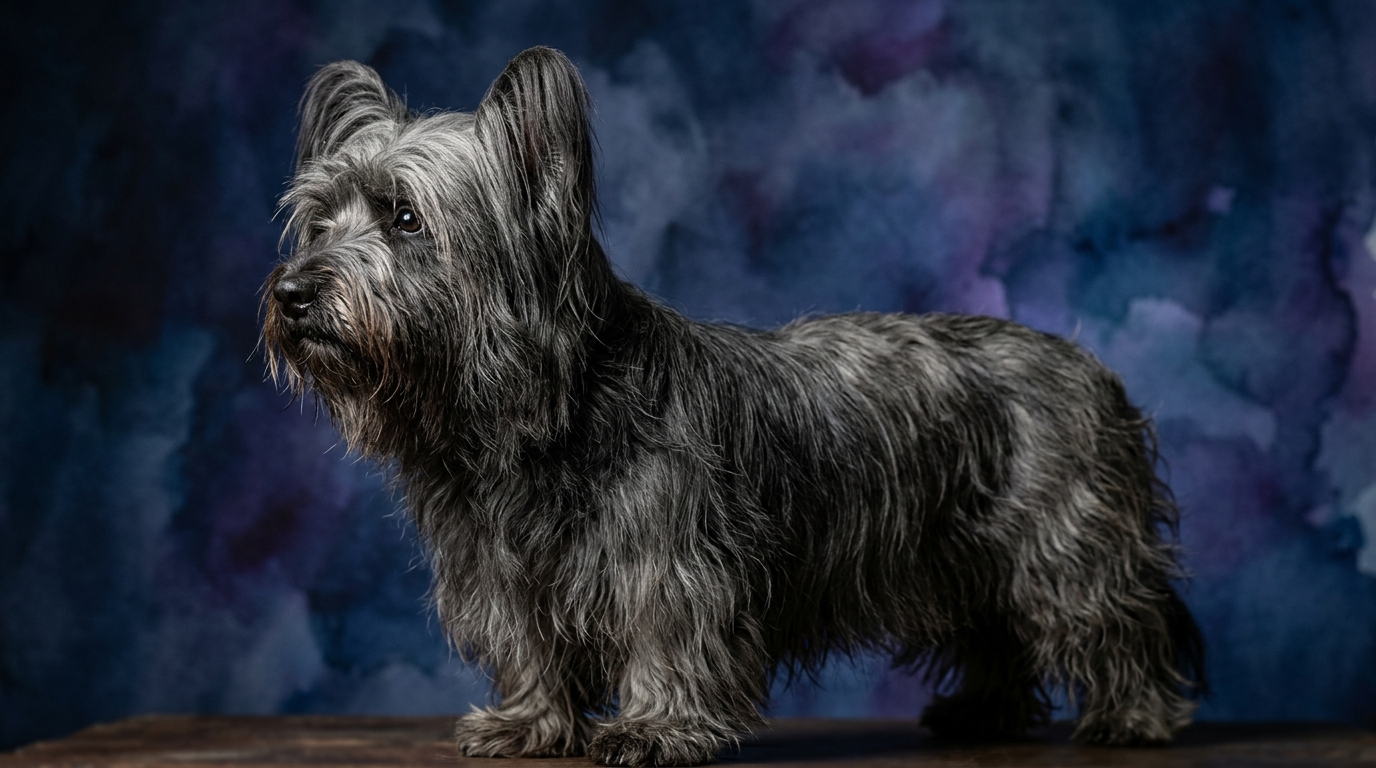
For the **Skye Terrier**, a 'Problem Solving' score of 3/5 indicates an ability to navigate challenges with a persistent, independent streak. They might excel at figuring out how to access a desired toy or bypass an obstacle, often employing a trial-and-error approach driven by their strong will. Their 'Training Speed' at 3/5 means they can grasp new commands at an average pace, but their inherent terrier stubbornness often means they require consistent, engaging methods to ensure compliance and prevent boredom. 'Social Intelligence' at 3/5 suggests they are adept at reading their immediate family's moods and intentions, forming deep bonds, but they tend to be reserved and selective with strangers and other animals, not necessarily seeking broad social interaction. Their 'Instinctive Drive' at 3/5 is strongly rooted in their vermin-hunting heritage, manifesting as a keen desire to dig, chase small scurrying objects, and guard their territory, making them alert and reactive to perceived threats. Finally, their 'Memory' at 3/5 implies a good recall for routines, learned behaviors, and past experiences, both positive and negative, which influences their future responses and learning.
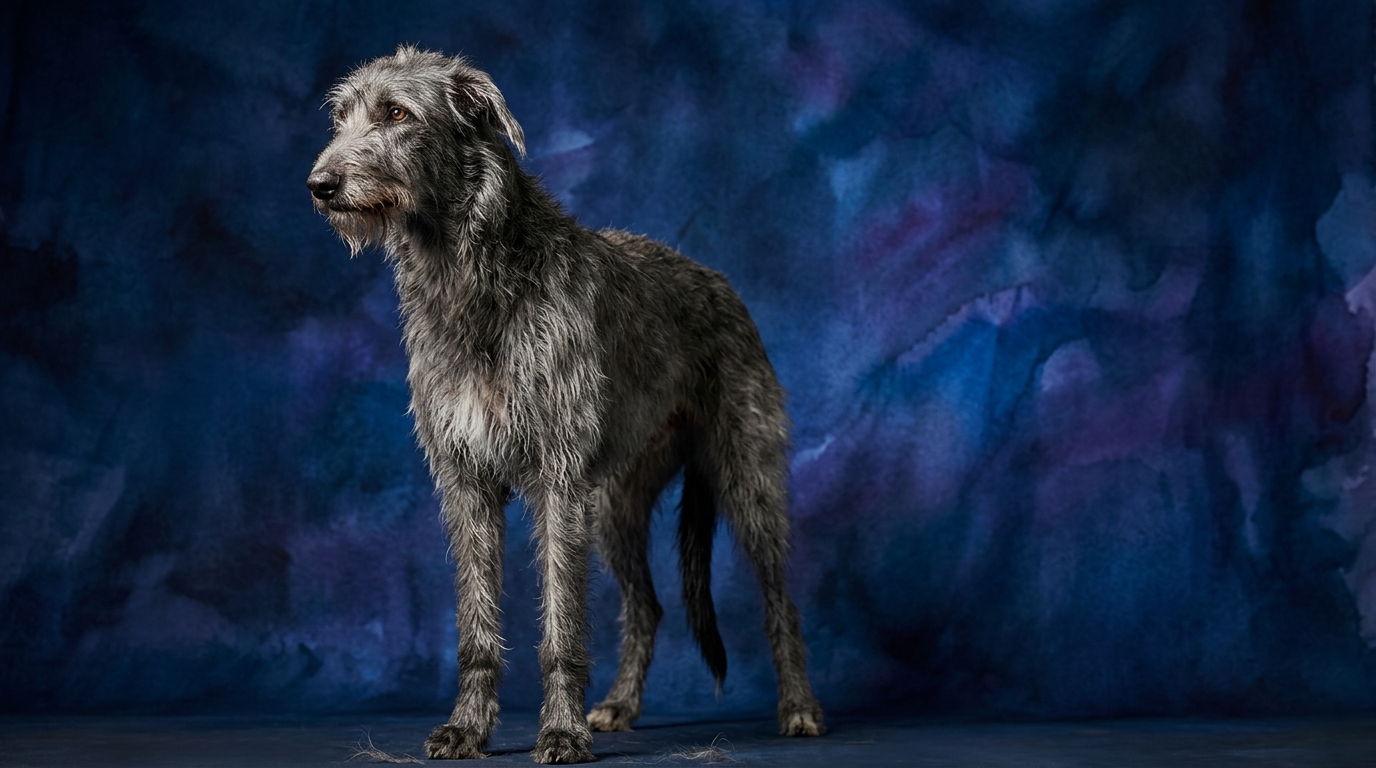
The **Scottish Deerhound**, also scoring 3/5 across the board, expresses these traits through a different lens. Their 'Problem Solving' at 3/5 is often applied to tasks related to their sighthound nature, such as strategizing the best line of pursuit for a perceived 'prey' or finding the most comfortable spot to recline. They are less about intricate manipulation and more about efficient, goal-oriented action in open spaces. Their 'Training Speed' at 3/5 means they learn at a moderate pace, but their sensitivity and occasional independent streak require gentle, patient, and positive reinforcement to build confidence and responsiveness. Repetitive drills can quickly lead to disinterest. 'Social Intelligence' at 3/5 reflects their generally gentle and polite nature; they are typically calm and tolerant with family and respectful of strangers, though they may display a quiet reserve rather than effusive greeting. They read human emotions well and often seek to maintain harmony. Their 'Instinctive Drive' at 3/5 is primarily centered around their sighthound heritage – the powerful urge to spot and chase, particularly over long distances. This drive is a fundamental aspect of their being, often overriding other considerations when engaged. Their 'Memory' at 3/5 allows them to remember learned commands, routines, and the layout of their environment, as well as the individuals they encounter, contributing to their generally consistent and predictable temperament.
Where the Skye Terrier Cognitively Excels
Despite sharing the same numerical scores, the Skye Terrier's cognitive strengths lie in its tenacious independence and focused determination, particularly in tasks requiring persistence. Their 3/5 in Problem Solving, combined with their strong Instinctive Drive, means they are adept at sustained effort towards a goal, whether it's unearthing a perceived burrow or navigating a complex path to a favored spot. This isn't about raw speed of solution, but rather the unwavering commitment to seeing a task through, often leveraging their memory to recall past successful tactics. While a Deerhound might give up if the chase is over, a Skye Terrier might continue digging, driven by an internal conviction.
The Skye's Social Intelligence, though moderate, is characterized by a deep, discerning bond with its chosen family. They are acutely aware of their owner's presence and mood, and their memory allows them to build complex associations with specific individuals. This makes them remarkably attuned companions within their inner circle, often anticipating needs or reacting to subtle cues that a less focused breed might miss. Their territorial instincts, part of their 3/5 Instinctive Drive, also contribute to a heightened awareness of their immediate environment, making them vigilant observers of their home and its inhabitants.
Where the Scottish Deerhound Cognitively Stands Out
The Scottish Deerhound's cognitive advantages are rooted in its calm demeanor and its specialized sighthound instincts, which translate into a different kind of intelligence. Their 3/5 in Problem Solving often manifests in their ability to gracefully and efficiently navigate open spaces, quickly assessing terrain and planning the most effective route during a run. This isn't about manipulating objects, but about spatial reasoning and fluid movement, often with an underlying purpose of pursuit. Their memory plays a role in recalling optimal paths and familiar landscapes, contributing to their confident stride.
Their Social Intelligence, also a 3/5, is expressed through a gentle, dignified disposition that often makes them excellent, non-confrontational companions. While not overtly demonstrative, they possess a quiet perceptiveness, reading human emotions and responding with a calm presence. This makes them particularly suited to environments where a gentle, reassuring presence is valued over boisterous engagement. Their Instinctive Drive, though powerful in chase, is often expressed with a surprising level of control and grace when not actively pursuing prey, demonstrating a capacity for restraint that belies their size and speed.
Training Dynamics: Skye Terrier vs. Scottish Deerhound
When it comes to training, both breeds score 3/5 in Training Speed, but their inherent behavioral differences dictate very distinct approaches. The Skye Terrier, with its strong terrier independence and problem-solving tenacity, requires a trainer who is patient, creative, and consistent. They can learn quickly, but their willingness to comply is often tied to their perception of the task's value or the engagement level of the training. They are not easily coerced and will often test boundaries; a trainer must make commands more appealing than their independent agenda. For example, teaching a 'stay' might be challenging initially, as their instinctive drive to investigate or dig can override the command unless high-value rewards are involved and the training is varied to prevent boredom. Their memory means they will remember both positive and negative training experiences, making early socialization and positive reinforcement crucial.
The Scottish Deerhound, while also scoring 3/5 in Training Speed, responds best to gentle, positive reinforcement methods due to their sensitive nature. They are generally eager to please but can be easily discouraged by harsh corrections. Their sighthound instincts mean they have a powerful drive to chase anything that moves quickly, which can make recall challenging in open, stimulating environments. For instance, teaching a reliable 'come' off-leash requires immense dedication and understanding of their prey drive, as the sight of a distant squirrel might be far more compelling than a verbal command. Their problem-solving might be applied to finding ways to initiate a chase, rather than focusing on a repetitive drill. Their memory helps them retain commands, but their attention span for repetitive tasks can be shorter than average, necessitating shorter, more engaging sessions.
Lifestyle Suitability: Active vs. Relaxed Owners
The choice between a Skye Terrier and a Scottish Deerhound also hinges significantly on an owner's lifestyle and activity levels, despite their similar IQ scores indicating moderate adaptability. A Skye Terrier, while not requiring vast open spaces, thrives with owners who are consistent, attentive, and prepared for a moderate level of activity and mental engagement. Their 3/5 Instinctive Drive for hunting and their problem-solving ability mean they need regular walks, opportunities for safe digging or scent work, and consistent mental stimulation to prevent boredom and destructive behaviors. They are well-suited to active owners who enjoy structured play, training, and regular outings, but who also appreciate a devoted, calm companion indoors. Their social intelligence means they are content as a primary focus within a smaller family unit, rather than a bustling, always-on household.
The Scottish Deerhound, conversely, is best suited for owners who can provide ample opportunities for bursts of intense exercise in secure, expansive areas, followed by long periods of rest. Their 3/5 Instinctive Drive for chasing means they need to run freely and safely, often for significant distances, on a daily basis. However, after their exercise, they are typically very relaxed and calm indoors, often described as 'couch potatoes.' This makes them suitable for owners who enjoy brisk outdoor activities but also appreciate a serene, gentle giant lounging at home. Their social intelligence and moderate training speed mean they integrate well into a relaxed household where patience and understanding are paramount, and where their quiet dignity is respected. They are not a breed for constant, high-intensity mental games but rather for a balance of physical exertion and peaceful companionship.
The Verdict: When to Choose Each Breed
The Verdict
Choose the Skye Terrier if you are an owner seeking a deeply devoted, independent companion who thrives on consistent engagement, enjoys moderate activity, and appreciates a dog with a strong, discerning personality. They are best for those prepared to channel their terrier tenacity into positive outlets and enjoy a vigilant, affectionate presence in their home.
Opt for the Scottish Deerhound if you can provide secure, expansive areas for daily high-speed runs and appreciate a gentle, dignified giant who is calm and serene indoors. They are ideal for patient owners who value a quietly perceptive companion and can accommodate their powerful sighthound instincts with understanding.
🧠 Find Your Pet's IQ Score
Our Pet IQ Lab assessment covers 25+ tests across 5 cognitive dimensions — personalized to your breed.
Take the Full IQ Test →Frequently Asked Questions
Do Skye Terriers get along with other pets?
Skye Terriers, with their 3/5 social intelligence, can be reserved with other animals, especially those outside their immediate family. Early and positive socialization is crucial for them to coexist peacefully, particularly with smaller pets due to their instinctive drive to chase vermin. Introducing them carefully to other dogs or cats from a young age can help foster tolerance.
How much exercise does a Scottish Deerhound need?
Scottish Deerhounds require significant bursts of exercise daily, primarily long, fast runs in a securely fenced area to satisfy their 3/5 instinctive drive for chasing. While they enjoy vigorous activity, they are not high-stamina endurance dogs for constant activity; after their run, they are typically content to relax indoors for extended periods, making them excellent housemates.
Are Skye Terriers good for first-time dog owners?
Skye Terriers, with their independent nature and 3/5 training speed, can be a challenge for first-time dog owners. Their strong will and need for consistent, engaging training methods require a dedicated approach. Owners who are committed to positive reinforcement and are prepared for a dog with a discerning personality may find them rewarding, but they are not typically recommended as an 'easy' first dog.