Side-by-Side IQ Profile: Soft Coated Wheaten Terrier vs. Miniature Pinscher
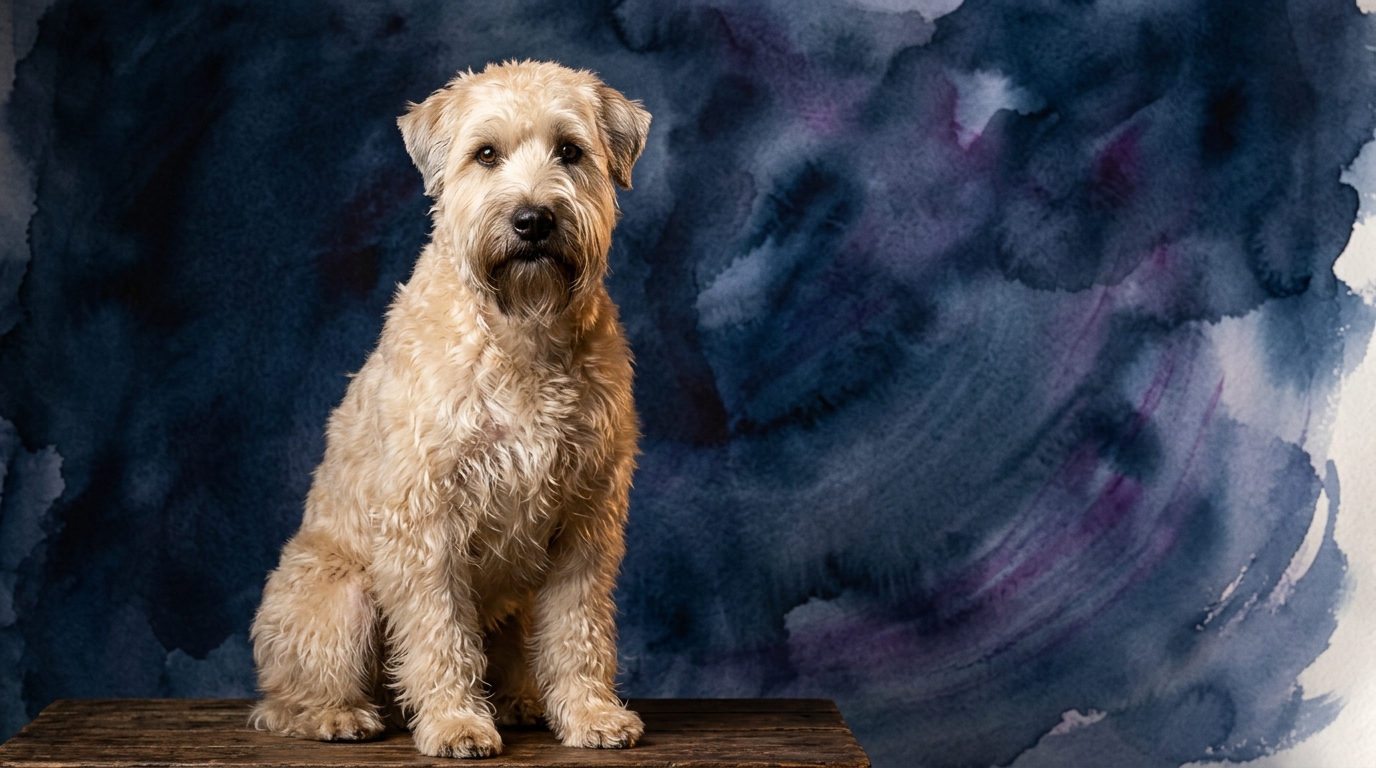
**Soft Coated Wheaten Terrier (SCWT):** These charming Irish dogs, despite their medium size, possess a distinct cognitive profile. Their **Problem Solving (3/5)** exhibits a moderate ability to navigate novel situations, often employing a trial-and-error approach rather than intricate strategic planning. They are resourceful in finding ways to engage their humans or access desired items, such as nudging a gate open or bringing a toy, but their solutions often involve a playful, persistent effort that might not always be the most direct path. For **Training Speed (3/5)**, Wheatens possess a respectable capacity for learning new commands and routines, quickly grasping concepts when motivated. However, their independent Terrier spirit can sometimes translate into a charming stubbornness, meaning while they understand tasks, consistent execution might require patient, engaging, and varied training methods to maintain their interest and prevent 'selective hearing'. In **Social Intelligence (3/5)**, Wheatens generally display a good understanding of human emotions and social cues within their familiar circle, often described as 'people-oriented' and seeking interaction. They adapt moderately well to new social situations, reading body language and tone effectively, though their exuberance can sometimes be misinterpreted as a lack of focus rather than genuine curiosity. The Wheaten carries a moderate level of **Instinctive Drive (3/5)**, including a natural inclination to chase and explore. While they possess the typical Terrier prey drive, it's often less intense than some of their cousins, manifesting as enthusiasm for outdoor adventures, a keen interest in small moving objects, and a love for digging, all of which require appropriate outlets. Finally, for **Memory (3/5)**, Wheatens have a solid memory for commands, routines, and the people and places they encounter regularly. They can recall past training and experiences with accuracy, making them reliable once a behavior is firmly established, and they rarely forget a friendly face or a preferred walking route, demonstrating a consistent ability to retain information.
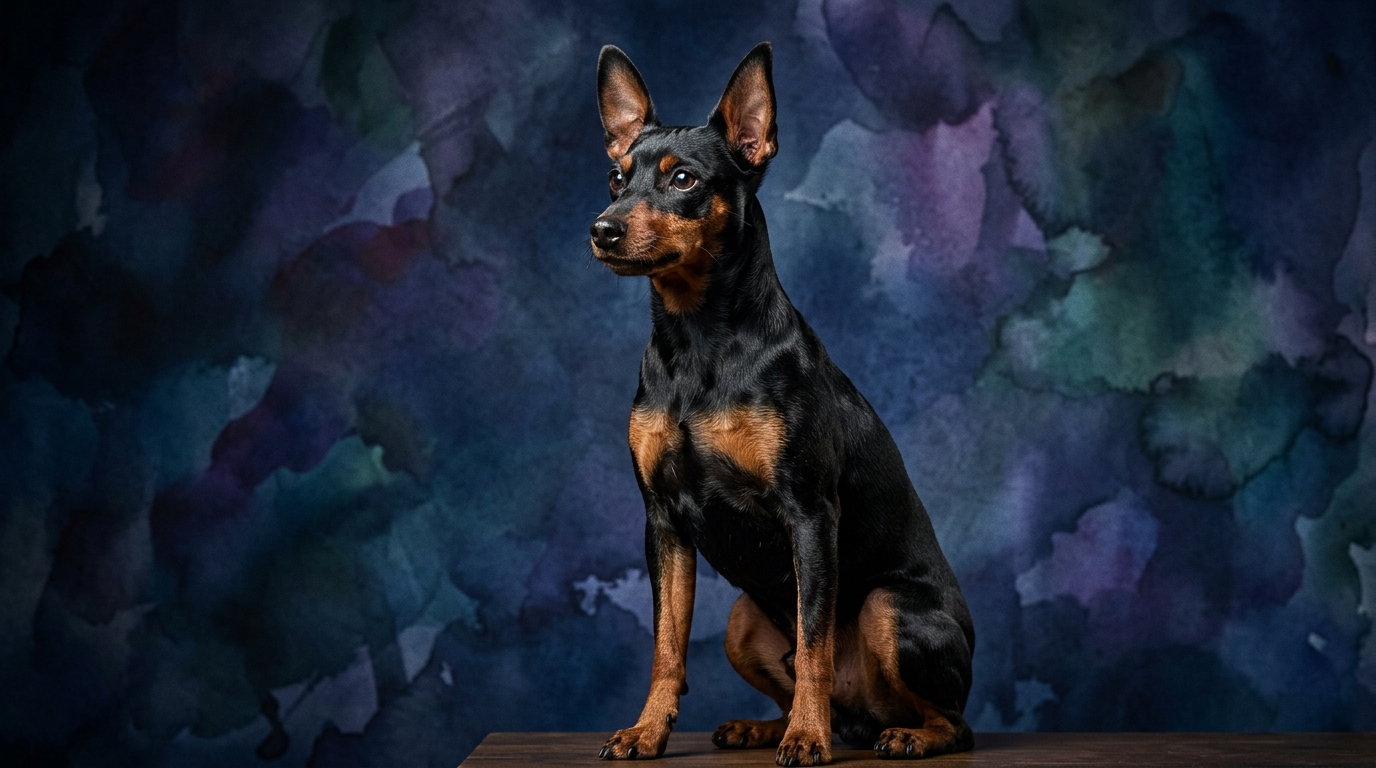
**Miniature Pinscher (Min Pin):** Often described as the 'King of Toys,' the Min Pin's intelligence is sharp and tenacious. Their **Problem Solving (3/5)** is clever and often persistent, particularly when a desired outcome is at stake. They excel at figuring out how to get their way, whether it's manipulating a gate latch, devising a strategy to steal a dropped treat, or finding a way onto a forbidden couch. Their solutions are often driven by strong motivation and an independent streak, making them quite ingenious when focused on a goal. Regarding **Training Speed (3/5)**, Min Pins are quick learners, capable of picking up new commands rapidly due to their sharp minds. However, their strong-willed and often dominant personalities mean that while they understand what is asked, they might choose not to comply if they don't see an immediate benefit or if the training isn't consistently reinforced with high-value rewards. Consistency and clarity are paramount to overcoming their willful nature. For **Social Intelligence (3/5)**, Min Pins are highly observant of their environment and the people within it, adept at reading human moods and intentions, often using this insight to their advantage. However, their social intelligence frequently manifests as a keen awareness of potential threats, making them excellent watchdogs but sometimes wary or aloof with strangers until trust is established and they've assessed the situation. The Miniature Pinscher possesses a robust **Instinctive Drive (3/5)**, particularly a strong prey drive and an innate watchdog instinct to protect their territory and family. They are wired to chase, bark at perceived intruders, and patrol their domain, fueling their energetic nature and requiring appropriate outlets to prevent misdirection or excessive vigilance. For **Memory (3/5)**, Min Pins demonstrate a strong memory, not just for commands but also for past experiences, both positive and negative, including perceived injustices or successful boundary pushing. They remember specific ways to achieve desired outcomes and retain habits, good or bad, with tenacity, contributing to their ability to learn quickly but also making them resistant to breaking established patterns.
Where Soft Coated Wheaten Terrier Wins Cognitively
While both breeds score a 3/5 in problem-solving, the Wheaten's cognitive edge often lies in their approachability and collaborative spirit, making them particularly adaptable in dynamic social environments. Their problem-solving style tends to be less about outsmarting their human and more about engaging with them, for instance, figuring out how to open a cabinet by nudging it and then looking at their owner expectantly, seeking assistance or permission. This collaborative inclination, rooted in their social intelligence, makes them more amenable to complex, multi-step tasks that require human guidance. Their moderately lower instinctive drive also means they are less likely to be solely driven by primal urges when tackling a puzzle, potentially allowing for more creative and less single-minded solutions compared to the Min Pin.
Where Miniature Pinscher Wins Cognitively
The Miniature Pinscher's cognitive strengths, though also rated 3/5, often manifest in their intense focus and keen observational skills, particularly concerning their environment and potential threats. Their problem-solving, while equally rated, leans towards self-sufficiency and resourcefulness, often driven by their robust instinctive drives. A Min Pin might excel at figuring out how to scale a fence or escape a crate by meticulously observing weak points and applying persistent, tenacious effort, demonstrating a goal-oriented cognitive approach. Their social intelligence, while scoring the same, is often geared towards vigilance; they are quick to assess unfamiliar situations and individuals, making rapid judgments based on subtle cues. This blend of strong memory and instinctive drive gives them an edge in tasks requiring independent initiative and protective instincts, making them formidable little strategists.
Which is Easier to Train and Why
Given their identical 3/5 training speed scores, the 'easier to train' distinction isn't about raw learning capacity but about managing inherent behavioral traits. The Soft Coated Wheaten Terrier, despite its Terrier independence, often possesses a more eager-to-please demeanor and a playful approach to training. They respond well to positive reinforcement, engaging games, and a trainer who understands their need for variety, making the process generally more enjoyable. Their distraction level can be higher due to their friendly curiosity, but their social intelligence makes them generally receptive to human direction once engaged. The Miniature Pinscher, conversely, while quick to grasp concepts, often presents a greater challenge due to its strong will and independent nature. Their training speed is hampered by a tendency to 'selectively hear' commands if not sufficiently motivated or if they perceive an alternative, more rewarding course of action. They require an exceptionally consistent, confident, and patient trainer who can establish clear boundaries and provide high-value rewards to channel their strong instinctive drives effectively. Therefore, while both learn at a similar pace, the Wheaten's more amenable temperament often makes the *process* of consistent training feel more straightforward for the average owner.
Which Suits Active Owners vs. Relaxed Owners
The Soft Coated Wheaten Terrier, with its balanced instinctive drive and social intelligence, is a fitting companion for active owners who appreciate an enthusiastic but generally adaptable partner. They thrive on regular exercise, including walks, playtime, and engaging activities that stimulate their moderate problem-solving abilities, but are also content to settle down for cuddles and integrate well into family life. They are suitable for families seeking an active dog that also enjoys harmonious downtime. The Miniature Pinscher, however, is decidedly for the active and highly engaged owner. Their robust instinctive drive and persistent problem-solving require consistent mental and physical stimulation to prevent boredom and destructive behaviors. They are not content to be couch potatoes; they need structured activities, consistent training, and owners who can match their tireless energy and channel their innate drives into productive outlets, such as agility, obedience, or long, exploratory walks. A relaxed owner might find the Min Pin's intensity and need for constant engagement overwhelming.
The Verdict
Choose the Soft Coated Wheaten Terrier if you seek a moderately energetic, collaborative companion who enjoys both activity and family downtime, and whose training, while requiring patience for their independent streak, is generally receptive and playful.
Choose the Miniature Pinscher if you are an experienced, highly active owner prepared to consistently engage a tenacious, intelligent, and strong-willed companion who thrives on structured training and purposeful activity and can handle their vigilant nature.
🧠 Find Your Pet's IQ Score
Our Pet IQ Lab assessment covers 25+ tests across 5 cognitive dimensions — personalized to your breed.
Take the Full IQ Test →Frequently Asked Questions
Do Soft Coated Wheaten Terriers get along with other pets?
Wheatens, with their moderate social intelligence, can generally coexist peacefully with other pets, especially if introduced properly and socialized from a young age. Their instinctive drive means a chase instinct might emerge with smaller, fast-moving animals, but it's often manageable with training and supervision, making early socialization key.
Are Miniature Pinschers good with children?
Miniature Pinschers can be good with older, respectful children who understand how to interact with a small, energetic dog, but their strong instincts and potential for wariness with strangers mean they might not be the best fit for very young children or chaotic households without significant socialization and supervision. Their territorial nature can lead to protective behaviors if not managed.
How do their grooming needs compare in relation to their activity levels?
The Soft Coated Wheaten Terrier requires significant grooming to maintain its silky, non-shedding coat, which can be time-consuming but offers a quiet bonding activity. The Miniature Pinscher, with its short, sleek coat, has minimal grooming needs, aligning well with its high-energy, on-the-go lifestyle where extensive coat care isn't a priority, allowing more time for activity.