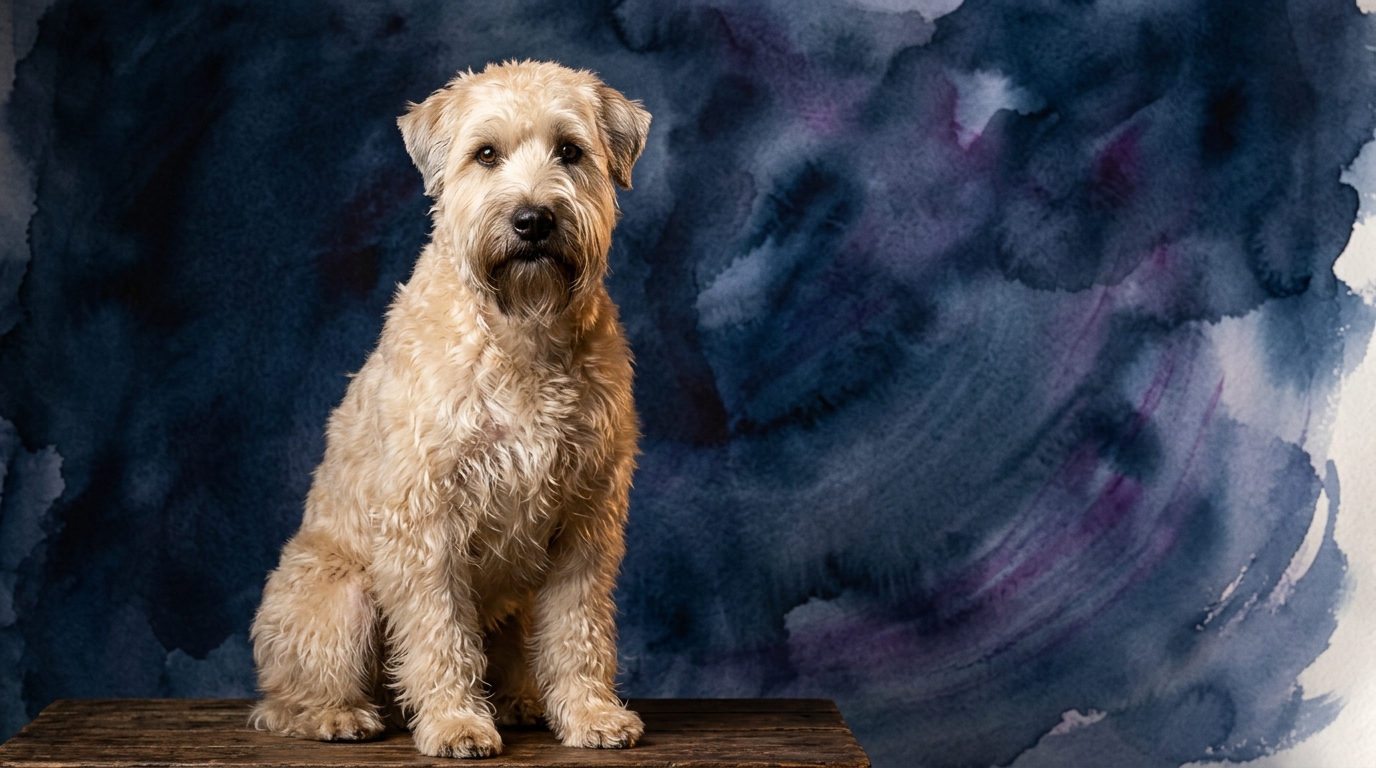
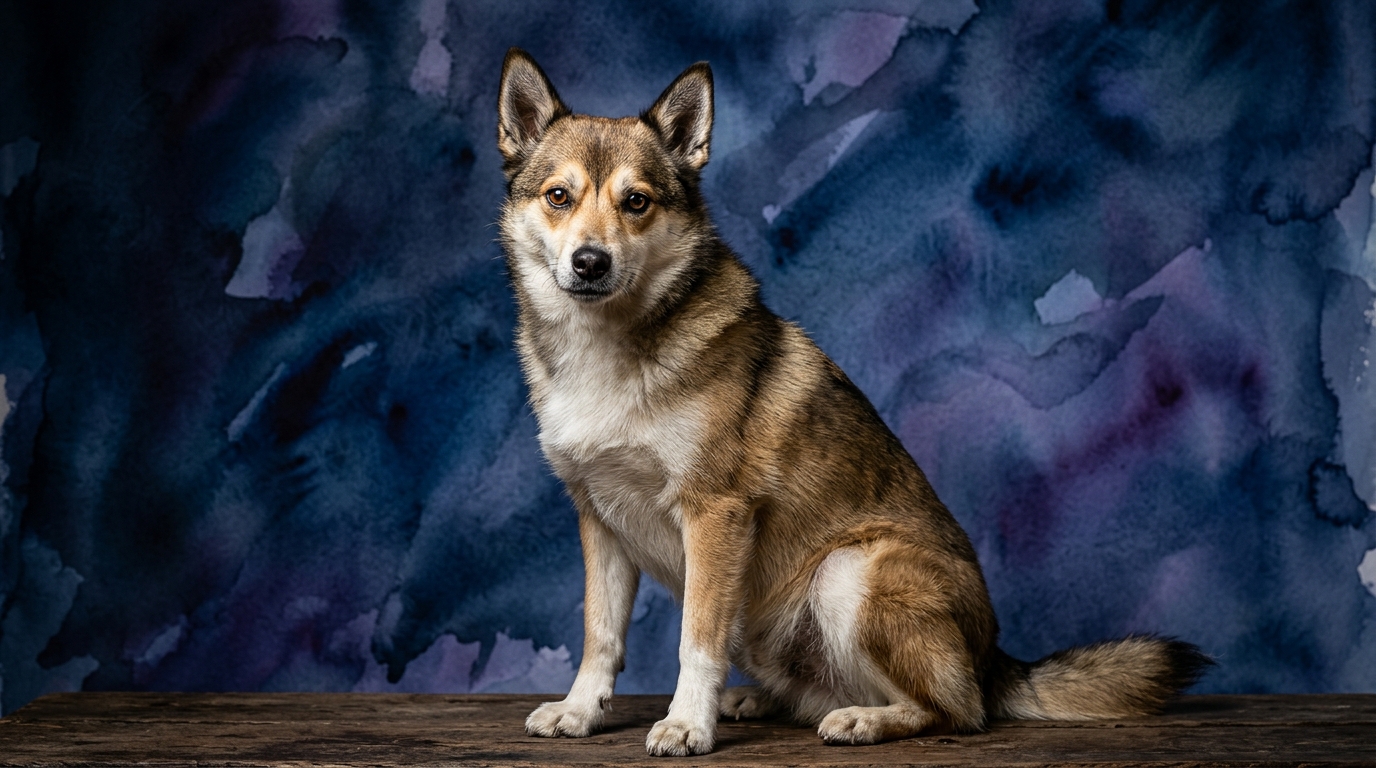
Side-by-Side IQ Profile: Unpacking Identical Scores
At first glance, the Soft Coated Wheaten Terrier and the Norwegian Lundehund appear to share an identical cognitive blueprint within The Cosmic Pet Pet IQ Lab framework, each scoring 3/5 across problem-solving, training speed, social intelligence, instinctive drive, and memory. However, these identical scores do not imply identical cognitive experiences; rather, they signify a solid, adaptable level of intelligence that manifests through the lens of each breed's unique evolutionary journey and purpose. Understanding the specific nuances of a 3/5 score for each breed requires looking beyond the number to their characteristic behaviors and inclinations.
For the Soft Coated Wheaten Terrier, a 3/5 in problem-solving often translates to a resourceful and often persistent approach to navigating their environment, whether it's figuring out how to access a forbidden treat or manipulating a puzzle toy. Their 3/5 training speed reflects a capacity to learn new commands and routines at a moderate pace, often fueled by their desire for engagement, though their terrier stubbornness can sometimes introduce a playful challenge. Social intelligence at 3/5 means they are generally adept at reading human emotions and cues, forming strong bonds, and thriving on interaction, sometimes with a boisterous enthusiasm. Their instinctive drive, also 3/5, typically manifests as a lively interest in exploring, digging, and chasing, characteristic of their terrier heritage. Finally, a 3/5 memory allows them to retain training, remember people and places, and recall past experiences, influencing their future interactions.
The Norwegian Lundehund, with identical 3/5 scores, expresses these cognitive dimensions through a markedly different lens. Their 3/5 problem-solving is often observed in their remarkable physical dexterity and ingenuity, historically honed for navigating complex cliff faces and tight crevices to hunt puffins; this translates to a breed capable of intricate manipulation and independent decision-making in novel situations. Training speed at 3/5 means they are capable learners, but their primitive nature often dictates that tasks must have a clear purpose or high intrinsic reward for them to engage consistently, rather than simply seeking human approval. Their 3/5 social intelligence typically results in deep, loyal bonds with their trusted human companions, alongside a more reserved, observant demeanor with strangers, reflecting a self-reliant social dynamic. The Lundehund's instinctive drive, a 3/5, is profoundly shaped by their unique hunting heritage, showcasing a drive for exploration, climbing, and meticulous investigation of their surroundings, often more about physical navigation than high-speed chase. Their 3/5 memory is particularly strong in spatial recall and navigation, remembering complex routes and locations with remarkable accuracy, a vital trait for their historical role.
Where the Soft Coated Wheaten Terrier Excels Cognitively
While both breeds share a 3/5 problem-solving capacity, the Wheaten Terrier often demonstrates this in scenarios requiring adaptability within a human-centric household. Their cognitive strength lies in their ability to quickly integrate into family routines and understand complex social dynamics, making them adept at interpreting nuanced human vocal tones and body language. This manifestation of their 3/5 social intelligence allows them to engage in intricate games, anticipate owner actions, and even 'negotiate' for attention or privileges with a charming persistence. Their terrier tenacity, when applied to cognitive tasks, translates into a sustained effort to solve puzzles or master new tricks, particularly when the reward involves interaction or play with their human companions.
The Wheaten's 3/5 training speed, combined with their inherent exuberance and desire for inclusion, means they often respond well to varied training methodologies that emphasize positive reinforcement and fun. They are adept at learning sequences of commands and performing tricks that involve multiple steps, often showing a joyful enthusiasm for the process itself. This particular expression of their cognitive abilities makes them strong candidates for dog sports like agility or obedience, where a blend of physical prowess and understanding complex patterns is required, showcasing a specific cognitive advantage in structured, interactive learning environments.
Where the Norwegian Lundehund Excels Cognitively
The Norwegian Lundehund's cognitive strengths, though also rated 3/5, are distinctly geared towards independent, intricate problem-solving, deeply rooted in their historical role. Their unique physical attributes, such as extra toes and highly flexible joints, are not just physical adaptations but are intrinsically linked to how their 3/5 problem-solving manifests. They excel at tasks requiring fine motor control, precise navigation through confined spaces, and creative manipulation of objects to achieve a goal. This ingenuity is not always about pleasing a human but about achieving a self-directed objective, such as finding a hidden item or bypassing an obstacle in a novel way.
Their 3/5 instinctive drive and memory are particularly impressive in contexts demanding self-reliance and environmental awareness. A Lundehund can remember complex routes, assess risk in varied terrains, and demonstrate remarkable spatial awareness, making them adept at exploring and foraging. This breed's social intelligence, while reserved with strangers, allows for an almost telepathic bond with their chosen family, reading subtle cues and often making independent decisions based on their interpretation of the environment rather than waiting for direct commands. This self-sufficiency reflects a cognitive advantage in situations where independent thought and resourcefulness are paramount, rather than strict adherence to human direction.
Which is Easier to Train and Why
Given that both breeds have a 3/5 training speed, the 'ease' of training becomes a matter of approach and expectation, rather than inherent learning capacity. The Soft Coated Wheaten Terrier, despite its terrier independence, often presents as 'easier' to train for many owners due to their strong desire for human interaction and their enthusiastic participation in family life. They thrive on positive reinforcement, praise, and interactive play, which can be leveraged effectively in training. While they possess a stubborn streak, their underlying motivation to be involved with their people means they are generally receptive to learning commands and routines, especially when training is made fun and engaging. Their social intelligence helps them grasp what is expected in a domestic setting, even if they sometimes test boundaries playfully.
The Norwegian Lundehund, by contrast, requires a different training philosophy. Their 3/5 training speed is coupled with a primitive, independent mindset that dictates they often need to understand the 'why' behind a command or perceive a direct benefit for themselves. They are not inherently driven by a strong desire to please in the same way many companion breeds are. Training a Lundehund demands immense patience, creativity, and high-value rewards, focusing on building a trusting partnership where the dog feels like an active participant rather than a subordinate. Their historical role as solitary hunters meant they rarely received direct commands, fostering a self-reliant approach that persists today. Owners must be prepared for a dog that will learn, but might choose when and how to apply that knowledge, making consistency and understanding their unique motivations crucial.
Which Suits Active Owners vs. Relaxed Owners
For owners with an active lifestyle, both breeds can be suitable, but their activity needs manifest differently. The Soft Coated Wheaten Terrier, with its 3/5 instinctive drive and social intelligence, thrives with owners who enjoy interactive play, structured walks, and engaging activities. They need an outlet for their terrier energy, which can include vigorous games of fetch, long hikes, or participation in dog sports like agility or rally obedience. Their cognitive and physical needs are best met by owners who are consistent with training and mental stimulation, ensuring their problem-solving and memory are regularly challenged in a social, interactive context. A Wheaten needs to feel like an integral, active member of the family, making them an excellent match for owners who enjoy a canine companion eager to participate in daily adventures.
The Norwegian Lundehund, while not necessarily requiring high-intensity, long-duration exercise, demands a specific kind of active ownership that caters to their unique cognitive and physical attributes. Their 3/5 instinctive drive, rooted in exploration and intricate navigation, means they need opportunities for mental stimulation that allow them to use their senses and problem-solving skills independently. Owners who appreciate long, meandering walks where the dog can sniff and explore, engage in scent work, or participate in activities that mimic their natural climbing and maneuvering abilities (such as canine parkour or carefully supervised 'climbing' on safe structures) would be a good fit. They are less about high-speed athletics and more about intricate, mentally engaging exploration. A 'relaxed' owner who provides little mental engagement or opportunity for independent thought might find a Lundehund challenging, as their intelligence needs an outlet beyond mere physical exercise; they need to think and explore.
The Verdict
Choose the Soft Coated Wheaten Terrier if you seek an enthusiastic, interactive companion who thrives on social engagement and enjoys participating in varied human-led activities, offering a rewarding training partnership despite their playful independence.
Opt for the Norwegian Lundehund if you appreciate a uniquely independent, resourceful canine partner, valuing a deep, loyal bond built on mutual respect and providing opportunities for intricate exploration and self-directed cognitive challenges.
🧠 Find Your Pet's IQ Score
Our Pet IQ Lab assessment covers 25+ tests across 5 cognitive dimensions — personalized to your breed.
Take the Full IQ Test →Frequently Asked Questions
Do identical IQ scores mean these breeds behave the same?
No, identical IQ scores of 3/5 across the board for both breeds signify a solid baseline of cognitive ability, but their expression is vastly different. Their unique histories, physical traits, and temperaments shape how this intelligence manifests in daily behaviors and learning styles, leading to distinct personalities and needs.
Which breed is better for first-time dog owners?
The Soft Coated Wheaten Terrier might be a more approachable choice for first-time owners due to their generally more eager-to-please nature and their strong desire for human interaction, which can make traditional training more straightforward. The Norwegian Lundehund's independent and primitive instincts require a more experienced, patient, and creative owner prepared for a unique training journey.
How do their instinctive drives differ despite the same 3/5 score?
For the Wheaten, a 3/5 instinctive drive typically involves classic terrier behaviors like digging, chasing small animals, and enthusiastic play, often directed towards human interaction. For the Lundehund, their 3/5 drive is more about intricate exploration, climbing, and independent investigation of their environment, stemming from their historical role as puffin hunters in challenging terrain, rather than a strong prey drive for land animals.