A Shared Cognitive Foundation: Wheaten Terrier vs. Deerhound IQ Scores
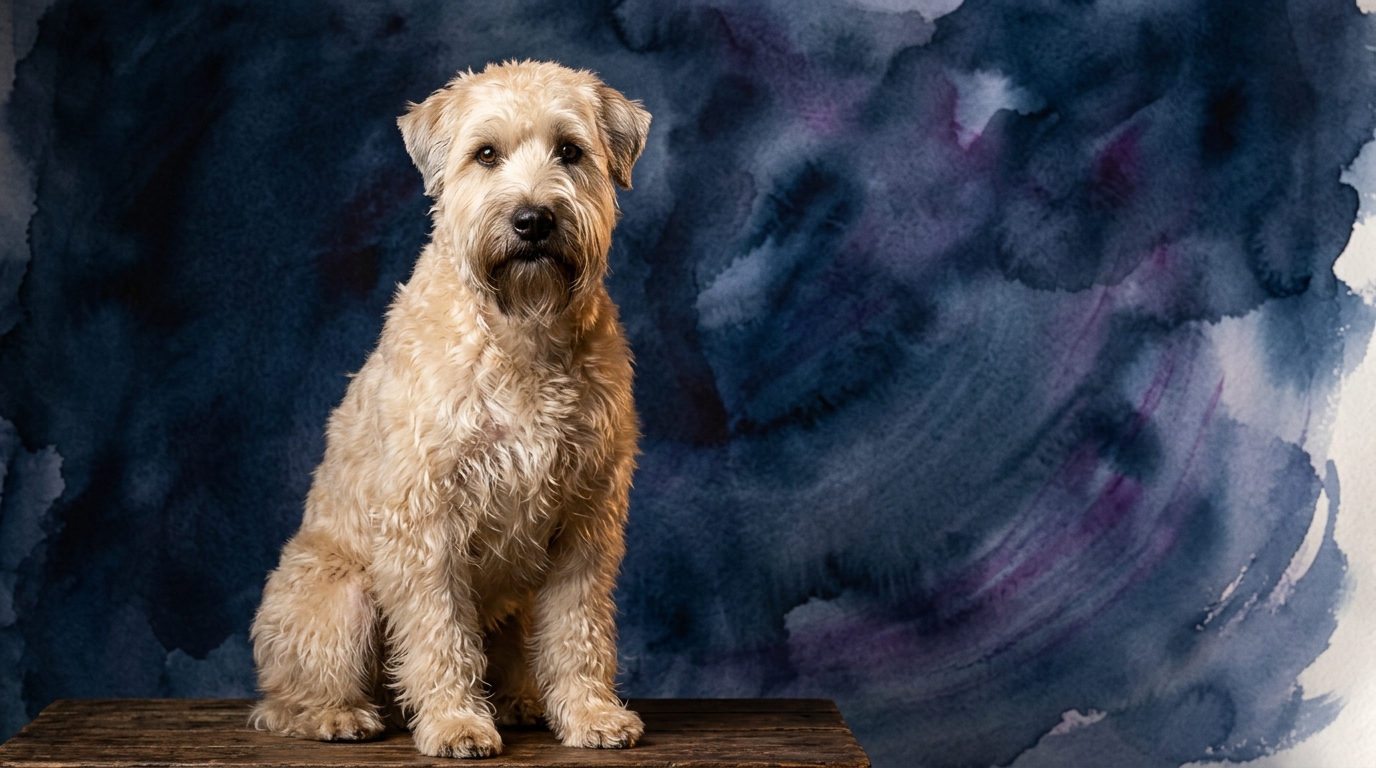
At The Cosmic Pet Pet IQ Lab, both the Soft Coated Wheaten Terrier and the Scottish Deerhound register a consistent 3 out of 5 across all five cognitive dimensions: problem solving, training speed, social intelligence, instinctive drive, and memory. While these identical numerical scores might suggest cognitive parity, a closer look reveals distinct expressions of these capacities, deeply rooted in their breed histories and purposes. For the Wheaten Terrier, a 3/5 in problem-solving often manifests as a tenacious, hands-on approach to overcoming obstacles, whether it's figuring out how to retrieve a hidden toy or manipulating a gate latch. Their training speed, also a 3/5, reflects their ability to grasp concepts quickly, though their terrier enthusiasm can sometimes divert focus. Social intelligence at 3/5 means they are generally responsive to human cues, eager to engage, and adept at forming strong bonds.
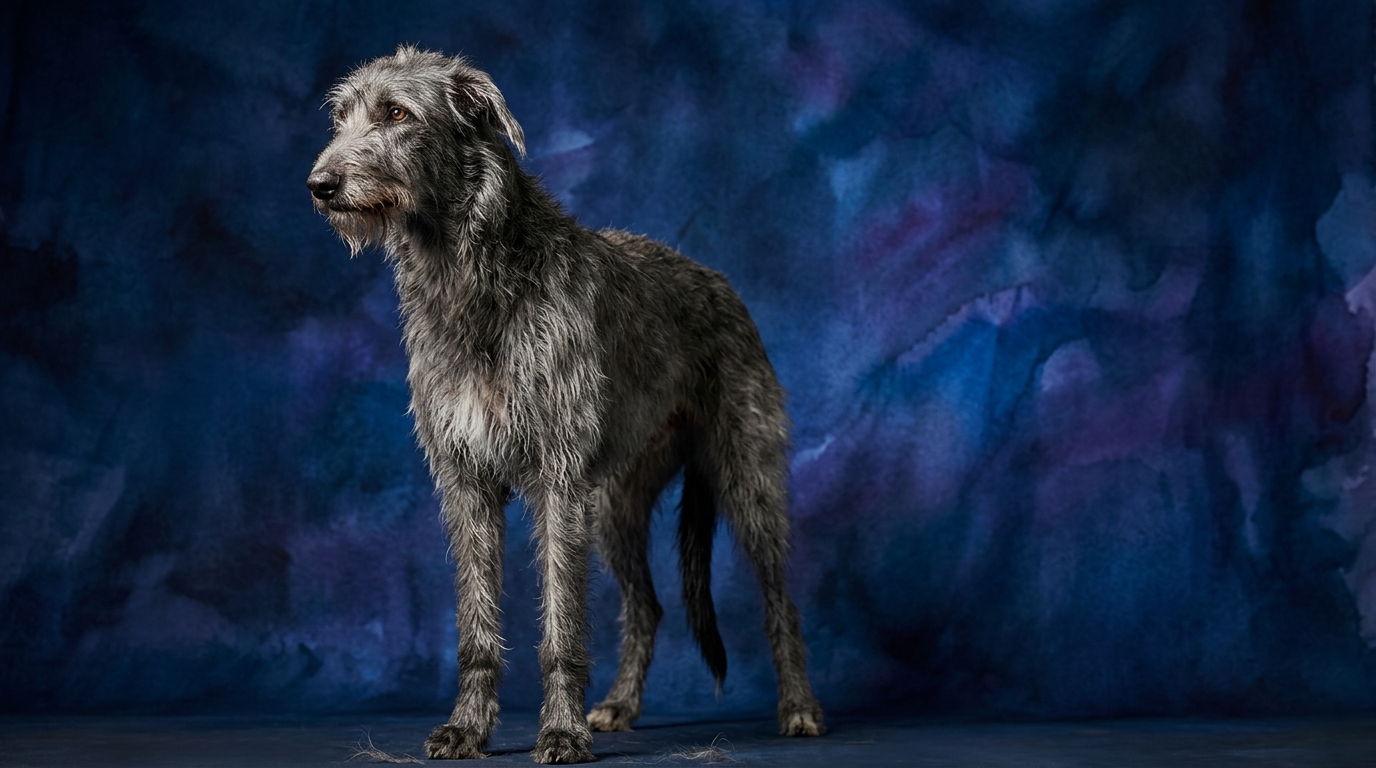
The Wheaten's instinctive drive, again a 3/5, speaks to their heritage of hunting small vermin, translating into a keen interest in chasing and digging, alongside a territorial vocalization. Their memory, a solid 3/5, helps them recall learned behaviors, routines, and past interactions with people and places. In contrast, the Scottish Deerhound’s 3/5 problem-solving often involves strategic observation and rapid visual processing, crucial for tracking and pursuing large game across varied terrain, rather than intricate manipulation. Their 3/5 training speed indicates a capacity to learn, but it is often balanced with a sighthound's independent thought and a preference for purpose-driven tasks over repetitive drills. A 3/5 in social intelligence for the Deerhound highlights their sensitive and gentle nature, their ability to quietly read family moods, and a dignified, affectionate connection.
The Deerhound's instinctive drive, also a 3/5, is powerfully geared towards sight-hunting, manifesting as an intense, focused chase response when a moving object catches their eye. This drive, though numerically similar to the Wheaten's, is directed towards a vastly different scale of prey and pursuit. Finally, their 3/5 memory allows them to retain complex spatial information, recognize familiar faces, and remember training commands, even if their application is often filtered through their sighthound independence. Thus, while the numbers align, the underlying cognitive machinery and its outward expression diverge significantly, shaped by centuries of selective breeding for specific roles.
The Wheaten's Edge: Adaptability and Engaged Problem Solving
Despite sharing identical scores, the Soft Coated Wheaten Terrier frequently demonstrates a cognitive style that excels in active, interactive problem-solving within a domestic setting. Their 3/5 problem-solving capability often surfaces in their persistent efforts to manipulate objects, figure out how to access forbidden areas, or 'work' a situation to their advantage, characteristic of a terrier's resourceful nature. This isn't about being 'smarter,' but about a more robust, hands-on engagement with their immediate environment. Their inherent curiosity and tenacious spirit mean they are less likely to give up on a puzzle or a desired outcome, often employing a variety of strategies until success is achieved.
This breed's social intelligence, at 3/5, combined with their energetic disposition, often makes them appear more 'clever' in day-to-day interactions. They are adept at using their charm and expressive nature to solicit attention or guide human behavior, a subtle form of social problem-solving. Their tendency to be highly engaged with their human companions means they are often 'thinking' alongside their owners, trying to anticipate next steps or participate in activities. This active participation and persistent mental engagement can give the impression of a more overtly adaptable and quick-witted companion in a busy household environment.
The Deerhound's Advantage: Intuitive Strategy and Calm Observation
The Scottish Deerhound, while numerically matched, showcases its cognitive strengths in areas demanding quiet observation, intuitive strategy, and independent decision-making, particularly in open environments. Their 3/5 in problem-solving is less about intricate puzzle manipulation and more about strategic spatial awareness and rapid decision-making in pursuit. This manifests in their ability to process visual information quickly and determine the most efficient path during a chase or when navigating complex terrain, a testament to their sighthound heritage. Their calm, dignified demeanor often belies a deeply observant mind capable of absorbing subtle environmental cues without overt fuss.
The Deerhound's social intelligence, while not as boisterous as a Wheaten's, allows for a nuanced understanding of their family's dynamics and moods, often responding with quiet empathy rather than overt displays. This sensitivity can make them particularly attuned to their owners' emotional states, providing comfort without needing explicit instruction. Their capacity for independent action, historically essential for hunting large game without constant human direction, means they can assess situations and make choices based on their own judgment, demonstrating a specific kind of cognitive autonomy that is highly valued in their working lineage.
Training Dynamics: Navigating Terrestrial Tenacity vs. Sighthound Sensitivity
When it comes to training, the identical 3/5 training speed scores for both breeds translate into notably different experiences for owners, largely due to their distinct temperaments and instinctive drives. The Soft Coated Wheaten Terrier, with its terrier tenacity and energetic spirit, learns quickly but can also be prone to independent streaks and occasional stubbornness. Their 3/5 instinctive drive for chasing and digging means they can be easily distracted by environmental stimuli, requiring consistent, engaging, and often humorous training methods to maintain focus. They thrive on positive reinforcement and enjoy making training a game, but their exuberance can make sustained concentration a challenge, leading to perceived inconsistencies in performance.
The Scottish Deerhound, on the other hand, possesses a 3/5 training speed but couples it with a sensitive and gentle disposition, characteristic of many sighthounds. They respond best to calm, patient, and consistent positive reinforcement, and can be easily discouraged or shut down by harsh corrections. Their powerful 3/5 instinctive drive for chasing is a significant factor; while they learn commands, their instinct to pursue a perceived 'prey' can override learned behaviors, making reliable recall in open spaces a lifelong training goal. Their independent thinking means they might not always see the immediate 'point' of a repetitive drill, requiring a trainer who understands how to motivate a sighthound's unique intellect and harness their natural athleticism rather than attempting to suppress it.
Lifestyle Match: Energetic Companionship vs. Serene Presence
Understanding the cognitive profiles of the Wheaten Terrier and the Scottish Deerhound is crucial for matching them with the right owner lifestyle. The Soft Coated Wheaten Terrier, with its engaged problem-solving and moderate instinctive drive, thrives with active owners who can provide consistent daily exercise and ample mental stimulation. Their energetic nature means they excel in households where they are integrated into family activities, enjoy interactive play, and can channel their curiosity into structured training or dog sports. Owners who appreciate a lively, persistent companion and are prepared to manage their spirited antics will find the Wheaten a rewarding partner. Their cognitive needs demand an outlet; a bored Wheaten will invent its own 'puzzles,' which may not always align with household rules.
The Scottish Deerhound, while requiring bursts of intense exercise in a secure, expansive area to satisfy their powerful instinctive drive, is largely a calm and dignified presence indoors. They suit owners who can provide these essential opportunities for vigorous running but also appreciate a quiet, affectionate companion who is not constantly demanding attention. Their social intelligence allows them to be wonderfully attuned family members, often content to observe and be near their people without constant interaction. Owners who value serene companionship, have access to safe off-leash running spaces, and understand the subtle communication of a sensitive sighthound will find the Deerhound an elegant and devoted addition to their home. They are not a breed for owners seeking a constantly 'on' partner, but rather one who balances bursts of athletic prowess with periods of gentle repose.
The Verdict
Choose the Soft Coated Wheaten Terrier if you seek an engaged, persistent companion who thrives on interactive challenges and a lively household, willing to match their spirited energy.
Opt for the Scottish Deerhound if you appreciate a calm, sensitive presence indoors, balanced with the capacity to provide ample, secure space for their powerful, instinctual sprints.
🧠 Find Your Pet's IQ Score
Our Pet IQ Lab assessment covers 25+ tests across 5 cognitive dimensions — personalized to your breed.
Take the Full IQ Test →Frequently Asked Questions
Do Soft Coated Wheaten Terriers bark a lot?
Wheatens, with their terrier heritage and moderate instinctive drive, can be prone to barking, especially when alert or seeking attention. Consistent training from a young age is key to managing this vocal tendency effectively, channeling their communicative nature appropriately.
Are Scottish Deerhounds good with children?
Scottish Deerhounds are generally gentle and patient with children, owing to their social intelligence and calm demeanor. However, their large size means supervision is always wise, especially with very young children, to prevent accidental bumps or knocking them over unintentionally.
Which breed is more independent?
While both breeds exhibit independence, the Scottish Deerhound often displays a more self-reliant and less overtly demanding nature, rooted in its sighthound heritage. The Wheaten Terrier's independence manifests more as spirited persistence and a desire to engage on their own terms, often with a mischievous streak.