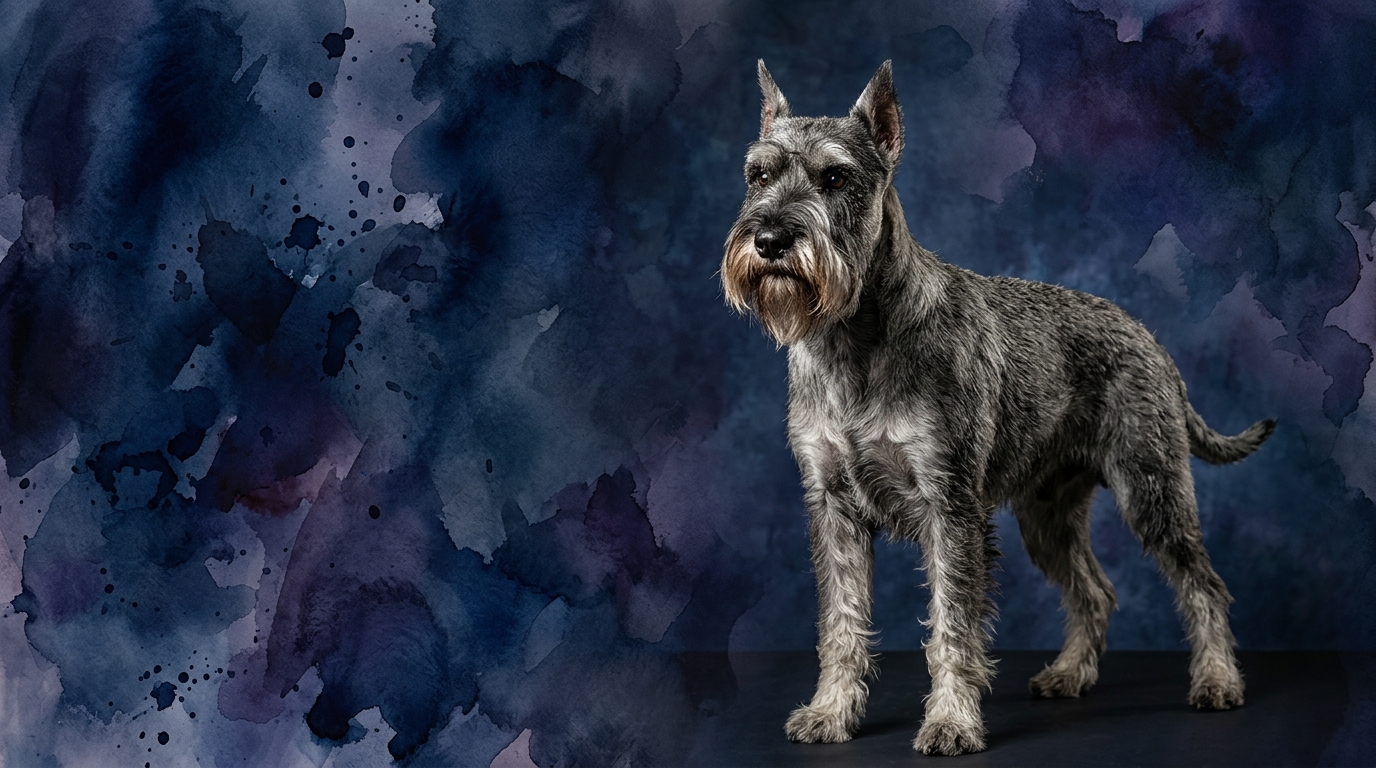
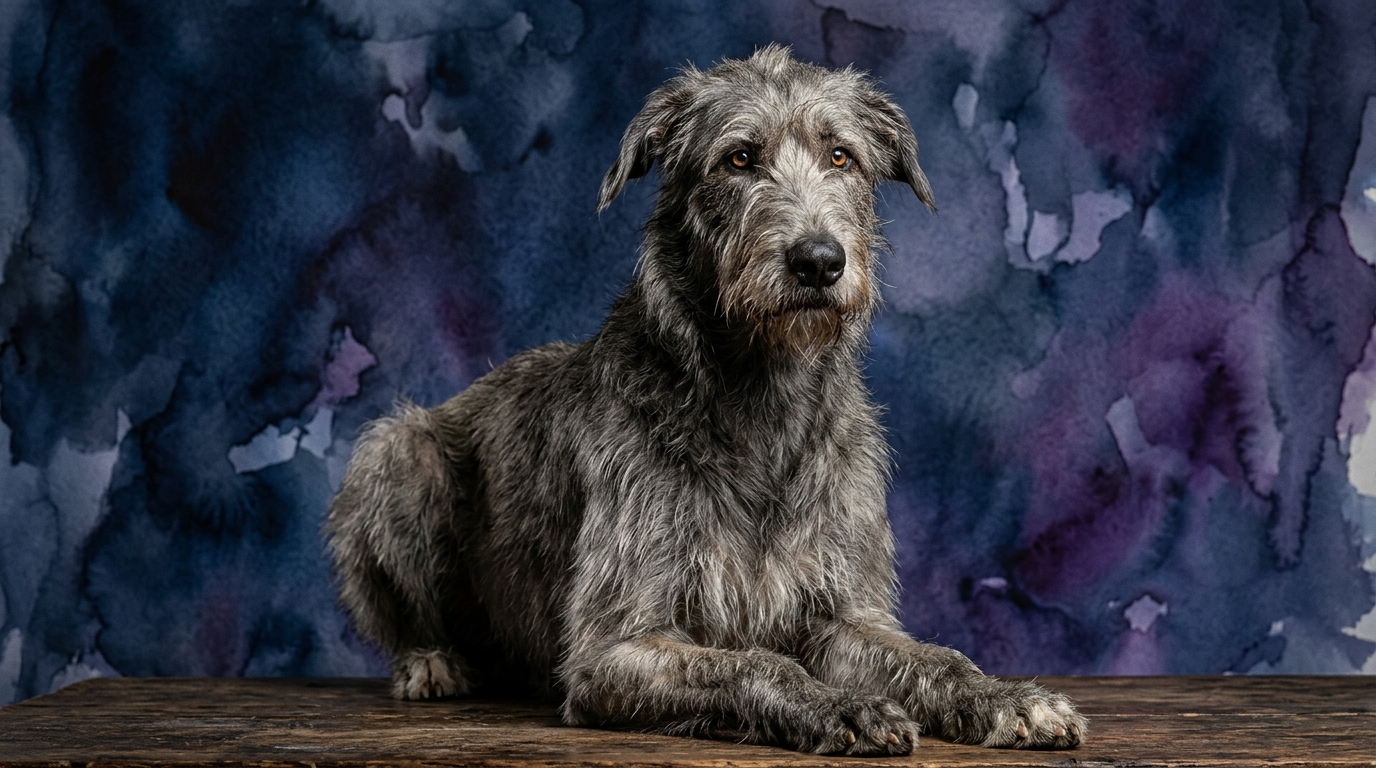
Side-by-Side IQ Profile: Standard Schnauzer vs. Irish Wolfhound
The Cosmic Pet Pet IQ Lab provides a comprehensive framework to understand each breed's unique cognitive landscape, moving beyond generic labels to specific aptitudes. Let's delve into the five key dimensions for both the Standard Schnauzer and the Irish Wolfhound.
Standard Schnauzer (Working Group, Coren Rank #22):
Problem Solving (4/5): This breed exhibits strong independent thought, adept at navigating obstacles and strategizing to achieve goals, whether opening a gate or finding a hidden toy.
Training Speed (4/5): Standard Schnauzers generally pick up new commands and routines with impressive swiftness. Their eagerness and mental agility lead to rapid learning in various training disciplines.
Social Intelligence (3/5): While forming deep bonds, their social intelligence manifests as discerning. They read human cues effectively but may interact on their own terms, often reserved with strangers.
Instinctive Drive (3/5): Rooted in their working heritage, they possess moderate protective tendencies and a keen environmental awareness, contributing to alertness and readiness to act.
Memory (4/5): Their robust memory retains learned behaviors, commands, and experiences over long periods, significantly contributing to consistent performance and routine navigation.
Irish Wolfhound (Hound Group, Not Coren-Ranked):
Problem Solving (3/5): Irish Wolfhounds approach problem-solving calmly. While deducing solutions, their drive isn't always to actively "figure things out" quickly; they process situations with thoughtful observation.
Training Speed (3/5): These sighthounds learn at a steady pace, requiring consistency and patience. They absorb commands reliably but may not demonstrate rapid uptake, preferring a measured approach.
Social Intelligence (3/5): Their social intelligence is characterized by profound gentleness and sensitivity. They are deeply attuned to family's emotional states, offering comfort, though less overtly demonstrative.
Instinctive Drive (3/5): The Irish Wolfhound's instinctive drive is a sighthound's pursuit, tempered by their gentle disposition. While possessing a chase drive, it's balanced with a calm presence.
Memory (3/5): Irish Wolfhounds possess solid memory for routines, people, and commands. They form lasting associations, contributing to reliability and deep bonds, though not for intricate, multi-step sequences.
Where the Standard Schnauzer Wins Cognitively
The Standard Schnauzer’s cognitive profile excels in areas demanding quick analytical processing and dynamic engagement. Their 4/5 problem-solving score indicates a breed actively seeking solutions and adapting strategies, invaluable in activities like agility or advanced obedience where novel challenges are common. This mental agility, combined with a 4/5 training speed, means they master complex command sequences and learn new skills with fewer repetitions. For owners interested in canine sports or intricate trick training, the Schnauzer’s capacity for rapid acquisition and retention, bolstered by their 4/5 memory, makes them a highly responsive partner. Their focused approach, stemming from their working heritage, allows them to maintain concentration and apply intellect to specific goals.
Where the Irish Wolfhound Wins Cognitively
The Irish Wolfhound's cognitive strengths lie in areas requiring a calm, discerning presence and deep emotional resonance. While their problem-solving and training speed are 3/5, their social intelligence, also 3/5, manifests as a profound capacity for empathy and quiet understanding of human emotions, making them exceptional companions for a steady, comforting presence. Their instinctive drive, while including a sighthound's chase, is balanced by remarkable composure, allowing them to remain collected where other breeds might overstimulate. This thoughtful processing means they excel in roles where a stable, gentle temperament is paramount, such as therapy work, where their calm demeanor and intuitive connection are invaluable. Their strength isn't in outsmarting a challenge, but in offering a serene and deeply connected partnership.
Training Dynamics: Which is Easier and Why?
Based on The Cosmic Pet Pet IQ Lab scores, the Standard Schnauzer is generally easier to train. The Schnauzer's 4/5 training speed indicates quicker command uptake and greater eagerness for structured learning. Their higher problem-solving score (4/5) means they are more likely to independently figure out expectations, reducing the need for extensive repetition. For instance, a Schnauzer might quickly generalize a "stay" command to varying durations with minimal coaching.
The Irish Wolfhound, with a 3/5 training speed, learns steadily but demands more patience and consistency. Their training benefits from shorter, positive reinforcement-based sessions and a clear approach, as they may take longer to solidify new behaviors. Their independent sighthound nature means they might comply when it suits them, requiring a strong, trusting relationship and consistently rewarding training.
Matching Breeds to Owner Lifestyles
The Standard Schnauzer is an ideal match for active owners who relish engaging their dog in various activities and mental challenges. Their high problem-solving and training speed scores mean they thrive with consistent mental stimulation, whether through advanced obedience, agility, or puzzle toys. Owners who enjoy structured routines and channel the Schnauzer's discerning nature into productive outlets will find them rewarding.
Conversely, the Irish Wolfhound is better suited for more relaxed owners who appreciate a calm, gentle giant and a less intensely active lifestyle. While requiring regular, moderate exercise, their cognitive profile suggests they are less driven by constant mental "work" and more by companionship. Owners valuing a serene presence, patient with training, and comfortable with thoughtful observation will find the Irish Wolfhound a deeply fulfilling partner.
The Verdict
Choose a Standard Schnauzer if you are an active owner seeking a responsive, intelligent partner for training, canine sports, and engaging mental challenges, appreciating their quick learning and problem-solving.
Opt for an Irish Wolfhound if you desire a calm, gentle companion, valuing their serene presence and deep emotional connection, and are prepared for a more patient, consistent approach to training.
🧠 Find Your Pet's IQ Score
Our Pet IQ Lab assessment covers 25+ tests across 5 cognitive dimensions — personalized to your breed.
Take the Full IQ Test →Frequently Asked Questions
Are Irish Wolfhounds difficult to train because of their lower IQ scores?
No, Irish Wolfhounds are not difficult to train, but they require a different approach. Their 3/5 training speed means they learn steadily, benefiting from consistent, positive reinforcement and patience rather than expecting rapid mastery. Leveraging the strong bonds they form makes them willing learners, albeit at their own thoughtful tempo.
How much mental stimulation does a Standard Schnauzer need?
Standard Schnauzers, with their 4/5 problem-solving and memory, require significant mental stimulation to prevent boredom. Daily activities like puzzle toys, obedience training, learning new tricks, or participating in canine sports are crucial to keep their active minds engaged and satisfied.
Can a Standard Schnauzer and an Irish Wolfhound coexist well, given their different cognitive styles?
Yes, they can coexist well, often complementing each other, though their play styles and needs will differ. The Schnauzer might initiate more active, problem-solving games, while the Wolfhound might prefer calmer companionship, but both can appreciate shared outdoor time and the presence of a pack mate.