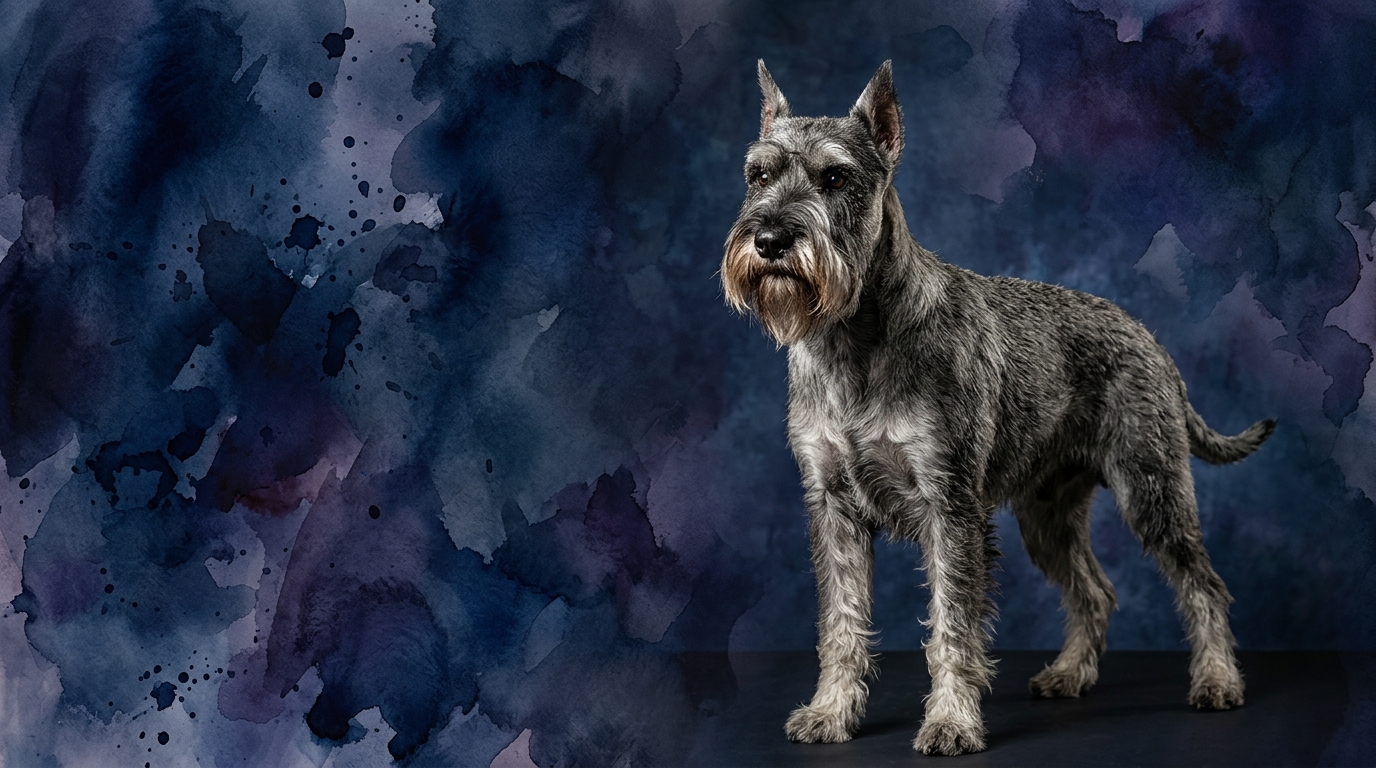
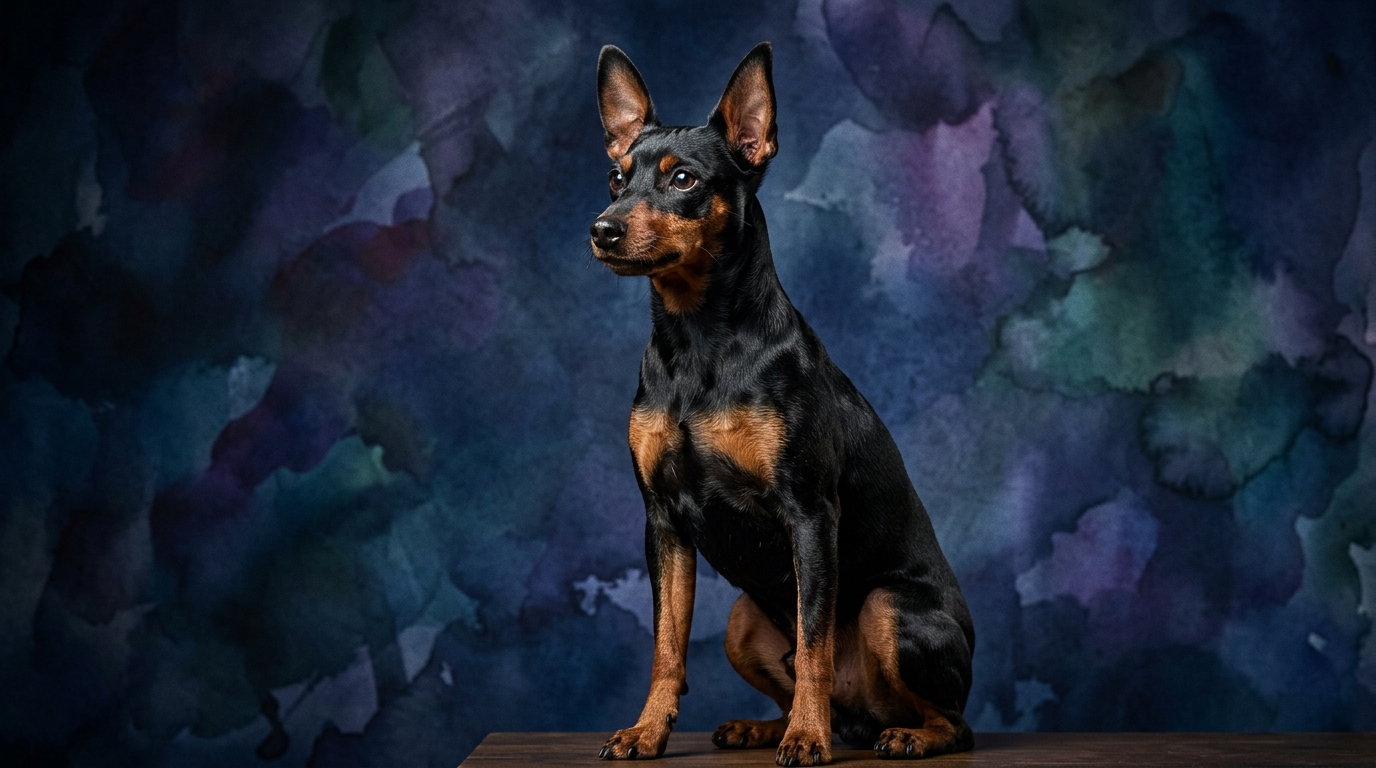
Side-by-Side IQ Profile: Standard Schnauzer vs. Miniature Pinscher
The Cosmic Pet Pet IQ Lab employs five key dimensions to evaluate canine intelligence, offering a granular view beyond general perceptions. For the Standard Schnauzer, a Working group dog with a Coren rank of #22, its profile reflects a breed built for purpose and partnership. Its Problem Solving ability scores a 4/5, indicating a strong capacity to analyze novel situations and devise effective solutions. Training Speed is also rated at 4/5, suggesting a quick grasp of new commands and routines, often requiring fewer repetitions. Social Intelligence stands at 3/5, demonstrating a moderate understanding of human cues and emotional states, while its Instinctive Drive is likewise 3/5, encompassing a balanced expression of natural behaviors like guarding or chasing. Finally, its Memory is a robust 4/5, signifying an excellent retention of learned behaviors and past experiences.
In contrast, the Miniature Pinscher, a dynamic member of the Toy group and not Coren-ranked, presents a slightly different cognitive makeup. Its Problem Solving ability is rated 3/5, meaning it can navigate challenges and figure things out, though perhaps with a bit more persistence or trial and error compared to its larger counterpart. Training Speed also registers 3/5, indicating a steady, rather than rapid, learning pace that benefits from consistent and engaging methods. The Miniature Pinscher's Social Intelligence is 3/5, showing a similar level of attunement to human interaction, often expressed through watchful companionship. Its Instinctive Drive is also 3/5, frequently manifesting as a keen alert system and a propensity for chasing small, fast-moving objects. Its Memory score of 3/5 suggests good recall of familiar commands and routines, though perhaps with a need for regular reinforcement to keep them sharp.
Where the Standard Schnauzer Shines Cognitively
The Standard Schnauzer's cognitive strengths are evident in its superior Problem Solving, Training Speed, and Memory scores, all rated 4/5. This breed excels at tasks requiring multi-step thinking and quick comprehension. For instance, a Standard Schnauzer can more readily learn complex agility courses, stringing together multiple obstacles and commands with fewer repetitions than many other breeds. Their capacity to retain these intricate sequences over time is a testament to their strong memory, making them reliable partners in competitive sports or advanced obedience.
Their problem-solving prowess extends beyond structured training; they are adept at navigating new environments and figuring out how to achieve desired outcomes, whether it's opening a tricky gate or finding a hidden toy. This mental agility, combined with their quick training speed, means they can adapt to new routines or changes in their environment with remarkable efficiency. An owner introducing a novel training method or a new household rule will likely find the Standard Schnauzer picking it up with relative ease and consistency, demonstrating a practical application of their higher cognitive scores.
Where the Miniature Pinscher Excels Cognitively
While the Miniature Pinscher's individual IQ scores are generally rated 3/5 across the board, its cognitive profile shines in its application within its typical role as a vigilant companion. Its 3/5 Social Intelligence, combined with its 3/5 Instinctive Drive, contributes to its impressive watchfulness and ability to alert owners to unusual sounds or presences. This isn't about complex problem-solving in a working context, but rather a keen focus on its immediate surroundings and the well-being of its human family, a critical cognitive skill for a small guardian.
The Miniature Pinscher's consistent 3/5 scores suggest a well-rounded, if not exceptional, cognitive ability that is highly effective for its size and temperament. Their problem-solving skills, while not as rapid as the Schnauzer's, are sufficient for navigating common household challenges and learning tricks with patience. Their memory allows them to build strong associations with routines and people, leading to a predictable and comforting presence. The breed's cognitive energy is often directed towards lively engagement and a confident, independent demeanor, making them compelling companions for those who appreciate their spirited nature and sharp awareness.
Training Dynamics: Which is Easier to Train?
Based on their respective IQ profiles, the Standard Schnauzer is generally easier to train than the Miniature Pinscher. With a Training Speed of 4/5 and Memory of 4/5, Standard Schnauzers typically grasp new commands and concepts much faster and retain them longer. They often exhibit a strong desire to work and please their handlers, which, coupled with their cognitive quickness, makes training sessions highly productive. Their working breed heritage means they often thrive on structured tasks and mental challenges, quickly understanding what is expected of them and performing reliably.
The Miniature Pinscher, with a Training Speed and Memory of 3/5, requires a more patient and consistent approach. While they are certainly capable of learning, they may take more repetitions to solidify new behaviors and might be more prone to independent thought or distraction. Their spirited and sometimes stubborn nature means that training must be engaging, positive, and varied to maintain their interest. Owners might find that while a Schnauzer quickly masters a new trick and remembers it for weeks, a Min Pin might need more frequent refreshers and a greater emphasis on reward-based motivation to achieve the same level of consistency. Real behavioral differences include the Schnauzer's greater focus on handler direction versus the Min Pin's tendency towards self-directed exploration, making the former more amenable to formal obedience.
Matching Canine Cognition to Owner Lifestyles
For active owners seeking a canine partner for demanding activities, the Standard Schnauzer is an exceptional choice. Its high scores in Problem Solving, Training Speed, and Memory mean it thrives on mental stimulation and physical challenges. Owners who enjoy dog sports like agility, obedience trials, or even just complex puzzle toys will find the Schnauzer eager to engage and excel. This breed needs consistent mental engagement to prevent boredom, which can manifest as undesirable behaviors. An active owner who provides regular training sessions, long walks with varied environments, and opportunities to 'work' will find their Schnauzer a highly fulfilled and cooperative companion.
The Miniature Pinscher, while energetic for its size, might be a better fit for owners who appreciate a spirited companion but have slightly less time for intensive, complex training regimes. Their consistent 3/5 scores across IQ dimensions suggest they benefit from regular, consistent engagement rather than highly demanding intellectual tasks. Relaxed owners, or those living in smaller spaces, can still provide ample mental stimulation through daily play, consistent basic obedience, and interactive toys that don't require advanced problem-solving. This breed thrives on companionship and vigilance, fulfilling its cognitive needs through interaction with its human family and monitoring its home environment, making it a lively addition to many households without requiring the same level of advanced cognitive challenge as a Standard Schnauzer.
The Verdict
Choose the Standard Schnauzer if you are an active owner seeking a highly trainable and mentally agile partner for dog sports, advanced obedience, or complex tasks, appreciating its quick learning and strong memory.
Opt for the Miniature Pinscher if you desire a spirited, vigilant companion who excels in consistent engagement and companionship, valuing its robust alertness and independent charm over rapid task mastery.
🧠 Find Your Pet's IQ Score
Our Pet IQ Lab assessment covers 25+ tests across 5 cognitive dimensions — personalized to your breed.
Take the Full IQ Test →Frequently Asked Questions
Are Standard Schnauzers good for first-time dog owners?
Standard Schnauzers can be a good fit for first-time owners who are committed to consistent training and mental stimulation. Their high training speed and problem-solving abilities mean they learn quickly, but they also require an owner who can channel their intelligence and working drive effectively.
Do Miniature Pinschers learn tricks easily?
Miniature Pinschers can learn tricks with consistent, positive reinforcement and engaging training methods. While their training speed is 3/5, meaning they may take more repetitions than some breeds, their energetic and curious nature makes them receptive to fun, reward-based learning.
Which breed is better for apartment living?
The Miniature Pinscher, due to its smaller size and slightly less demanding cognitive needs for complex tasks, is generally better suited for apartment living, provided it receives daily exercise and mental engagement. The Standard Schnauzer, while adaptable, benefits greatly from more space and extensive mental and physical outlets.