Side-by-Side Cognitive Profiles
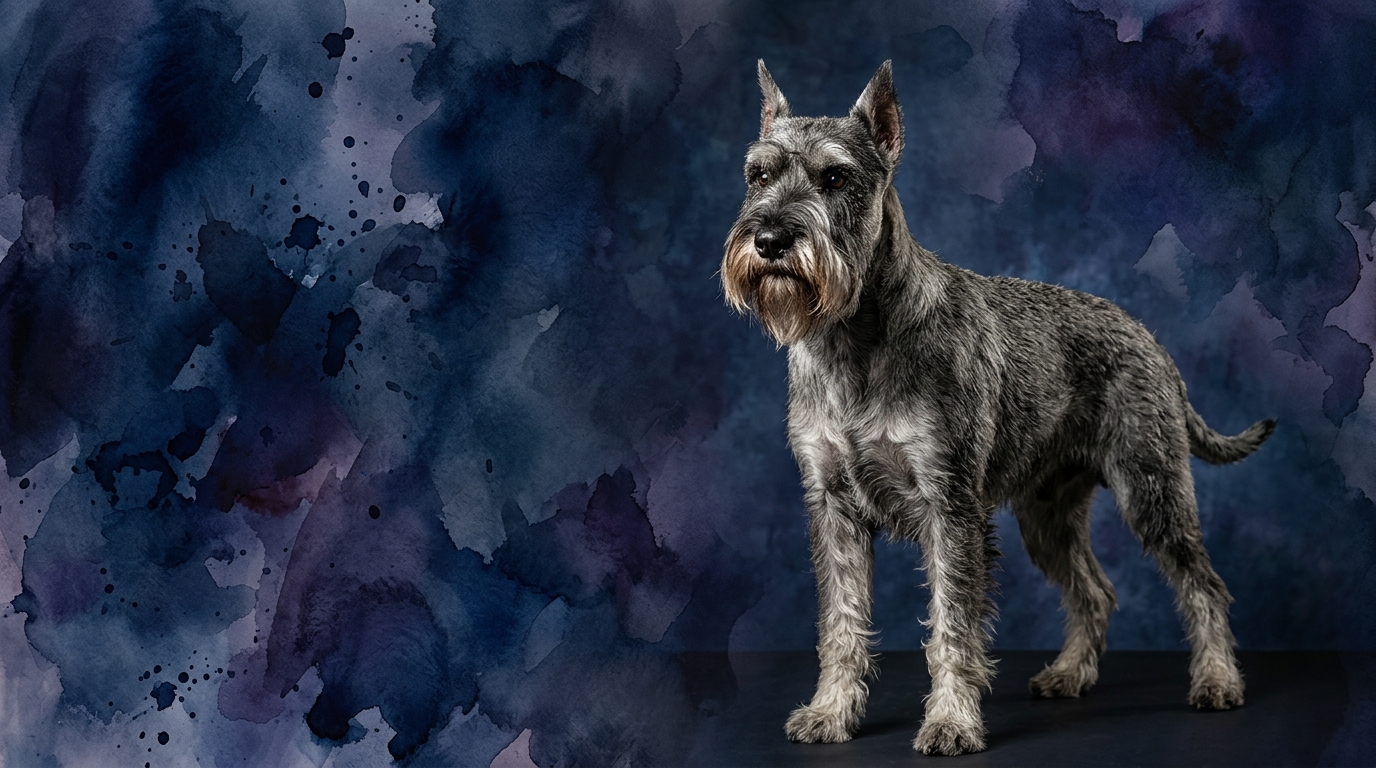
The Cosmic Pet Pet IQ Lab data presents a compelling picture of cognitive parity between the Standard Schnauzer and the Norwegian Elkhound. Both breeds score an impressive 4/5 in Problem Solving, indicating a strong capacity for independent thought and navigating complex situations. For the Standard Schnauzer, a member of the Working group, this often translates into an aptitude for learning intricate routines, figuring out how to manipulate objects to achieve a goal, or understanding cause-and-effect in their environment, such as opening gates or solving puzzle toys. Their problem-solving is often geared towards tasks that benefit their human companions or maintain order.
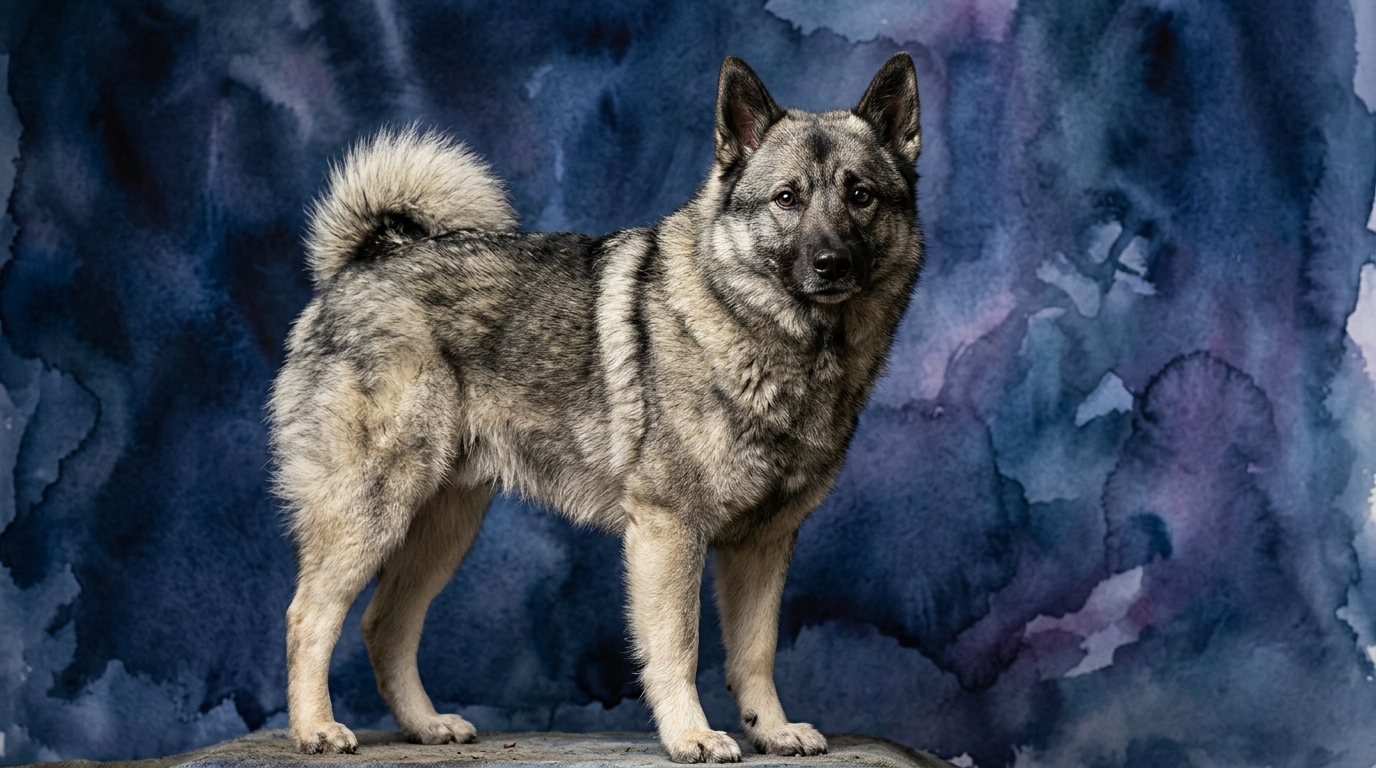
Similarly, the Norwegian Elkhound, a steadfast Hound, also exhibits a 4/5 in Problem Solving, but their application leans more towards environmental navigation and sustained pursuit. This manifests as an ability to independently track game over varied terrain, remembering routes, or devising strategies to corner quarry. Their problem-solving is deeply rooted in their hunting instincts, requiring them to make rapid, self-directed decisions in the field without constant human input. Both breeds also achieve a 4/5 in Training Speed, suggesting they grasp new commands and concepts with remarkable quickness, capable of forming strong associations between actions and consequences efficiently.
Social Intelligence for both breeds stands at 3/5, indicating a moderate understanding of complex social cues from humans and other animals. For the Schnauzer, this might mean a discerning nature, quick to identify perceived threats or unfamiliar situations, and a strong bond within their immediate family while being more reserved with strangers. The Elkhound's 3/5 social intelligence often translates into a deep loyalty to their primary family unit, though they can be independent and sometimes aloof towards outsiders or unfamiliar dogs, preferring the company of their chosen few. Their instinctive Drive, also at 3/5 for both, reflects a moderate yet persistent internal motivation. For the Schnauzer, this might be a drive to guard, herd, or perform tasks, showing tenacity in their duties. For the Elkhound, this drive is predominantly focused on scent work and the pursuit of game, demonstrating remarkable endurance and single-mindedness once a trail is picked up.
Finally, both breeds boast a 4/5 in Memory, signifying an excellent capacity to recall learned commands, routines, and experiences over time. A Standard Schnauzer will remember specific training sequences, the location of hidden toys, or the daily schedule with precision. A Norwegian Elkhound will similarly recall scent trails, the layout of hunting grounds, and past interactions with people or animals, demonstrating a robust long-term memory essential for their historical roles.
Where the Standard Schnauzer Excels Cognitively
While their scores align, the Standard Schnauzer's cognitive strengths often shine in tasks requiring direct partnership and a keen understanding of human expectations. Their problem-solving, though rated identically, is frequently applied to more abstract, human-directed challenges, such as deciphering complex multi-step commands or excelling in dog sports like obedience and agility where precision and responsiveness are paramount. They demonstrate a particular aptitude for anticipating human needs and reacting swiftly to subtle cues, making them exceptional working partners in diverse roles.
The Schnauzer's moderate instinctive drive, combined with strong problem-solving and training speed, makes them particularly adept at tasks requiring self-control and sustained focus under human direction. They can mentally strategize how to execute a command most effectively or how to navigate an obstacle course with minimal errors, often with a visible intent to please and cooperate, building on their inherent biddability as a Working breed.
Where the Norwegian Elkhound Excels Cognitively
The Norwegian Elkhound's cognitive prowess, despite identical numerical scores, truly comes alive in scenarios demanding independent judgment and unwavering persistence. Their 4/5 problem-solving is geared towards self-directed navigation and overcoming environmental challenges, particularly those related to scent and terrain. An Elkhound might excel at figuring out the most efficient path through dense woods to follow a scent, or how to outmaneuver a wily animal, relying less on human instruction and more on their innate hunting wisdom.
Their moderate instinctive drive is channeled powerfully into their primary function: tracking and baying. This persistence means they can maintain focus on a single, self-appointed goal for extended periods, even when faced with distractions or difficult conditions. Their strong memory assists them in recalling complex scent patterns and geographical layouts, allowing them to perform exceptionally in tasks that reward independence and tenacity, such as advanced tracking or search and rescue where they must make autonomous decisions.
Training: Nuances in Ease and Approach
Despite both breeds scoring 4/5 in Training Speed, the 'ease' of training can differ due to their underlying behavioral tendencies. The Standard Schnauzer's Working group heritage means they are generally eager to engage with their handlers, often motivated by praise and the opportunity to perform a 'job.' They tend to be more biddable, readily accepting direction and thriving on consistency and positive reinforcement. Their quick grasp of commands is often paired with a desire to comply, making them relatively straightforward to teach a wide array of skills, from basic obedience to intricate tricks and protective duties.
Conversely, the Norwegian Elkhound, while learning commands quickly, possesses a more independent and sometimes stubborn hound nature. Their strong instinctive drive can mean they are highly motivated by scent and the call of the wild, which can sometimes override a handler's commands, especially in stimulating environments. Training an Elkhound requires exceptional patience, consistency, and a deep understanding of their motivations. While they learn fast, convincing them that *your* command is more interesting than that compelling scent often requires more strategic, high-value rewards and a strong, trusting bond to harness their intelligence effectively. Their training is less about teaching them *what* to do and more about convincing them *why* they should do it when their instincts suggest otherwise.
Ideal Owners: Active Pursuits vs. Companionable Calm
Considering their cognitive profiles and inherent drives, the Standard Schnauzer is an excellent match for active owners who relish engaging in structured activities and mental challenges. These dogs thrive with individuals or families who are committed to consistent training, dog sports (like agility, rally, or obedience), and providing a clear 'job' or purpose. Owners who enjoy long walks, hikes, and incorporating their dog into daily routines that involve problem-solving will find a Schnauzer to be an immensely rewarding and cooperative companion. They require an owner who can channel their intelligence and energy into productive outlets, preventing boredom-induced mischief.
The Norwegian Elkhound, while equally requiring activity, suits owners who appreciate a more independent spirit and have a passion for outdoor adventures, particularly those involving exploration and scent work. They are ideal for active individuals or families who enjoy hiking, trekking, or even scent games in varied environments. While they benefit from training, their owners must understand and respect their hound instincts, offering opportunities for controlled 'hunting' activities or long, stimulating walks where their keen sense of smell can be engaged. They are well-suited for owners who value a loyal, robust companion for robust outdoor pursuits but also understand the need for a relaxed, watchful presence indoors.
The Verdict
Choose the Standard Schnauzer if you desire a highly trainable, engaged partner for structured activities and a vigilant guardian who thrives on clear tasks and close cooperation.
Opt for the Norwegian Elkhound if you seek an independent, resilient companion for adventurous outdoor pursuits, appreciating their self-reliant problem-solving and strong, loyal bond.
🧠 Find Your Pet's IQ Score
Our Pet IQ Lab assessment covers 25+ tests across 5 cognitive dimensions — personalized to your breed.
Take the Full IQ Test →Frequently Asked Questions
Do Standard Schnauzers or Norwegian Elkhounds need more mental stimulation?
Both breeds, with their high problem-solving and memory scores, require significant mental stimulation to prevent boredom. Standard Schnauzers often prefer structured tasks and training, while Norwegian Elkhounds benefit from activities that engage their strong scent drive and independent thinking, such as puzzle toys or tracking games.
Are Standard Schnauzers and Norwegian Elkhounds good with children?
Both breeds possess a moderate social intelligence (3/5), meaning they can be good with children, especially if raised together and properly socialized. However, their moderate scores suggest they may not tolerate overly boisterous play or unfamiliar children as readily as some other breeds, requiring supervision and clear boundaries.
Which breed is better for first-time dog owners?
Given their training speed and biddability, the Standard Schnauzer might be a slightly more forgiving choice for dedicated first-time owners willing to commit to consistent training and socialization. The Norwegian Elkhound's independent nature and strong instincts can present more challenges, making them often better suited for experienced owners who understand hound characteristics.