The Cosmic Pet Pet IQ Lab: Side-by-Side Cognitive Profiles
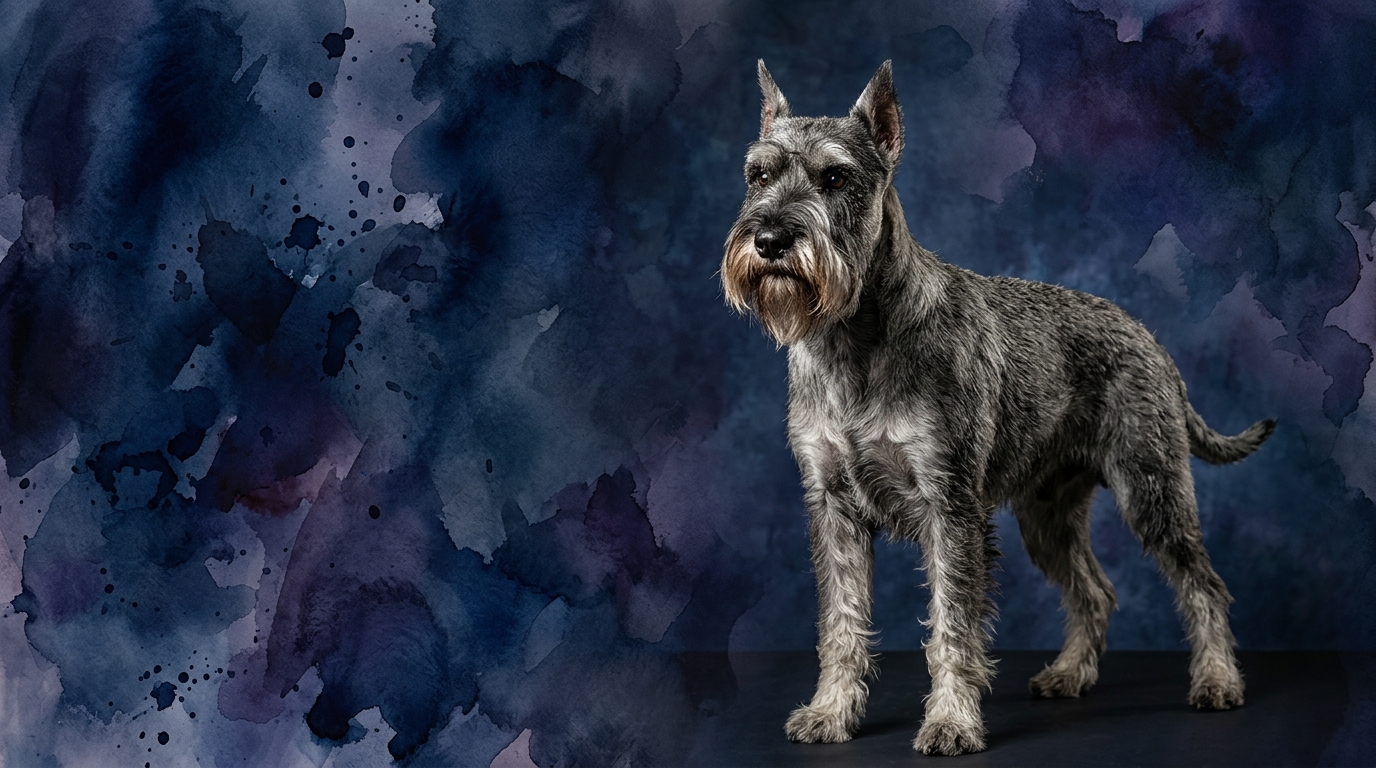
The Cosmic Pet Pet IQ Lab provides a structured framework for understanding canine cognition across five crucial dimensions, offering a nuanced view beyond general descriptors. For the Standard Schnauzer, a breed from the Working group, their profile reflects a strong capacity for directed tasks and learning. They exhibit a Problem Solving score of 4/5, indicating an aptitude for navigating complex situations and finding solutions. Their Training Speed is also rated at 4/5, suggesting a quick grasp of new commands and routines. Social Intelligence for the Schnauzer stands at 3/5, demonstrating a moderate ability to interpret human and canine social cues. Instinctive Drive, crucial for their historical roles, is 3/5, while their Memory is notably strong at 4/5, enabling excellent retention of learned behaviors and experiences. This breed’s cognitive makeup is further supported by its Coren ranking of #22, placing it among breeds known for their working obedience.
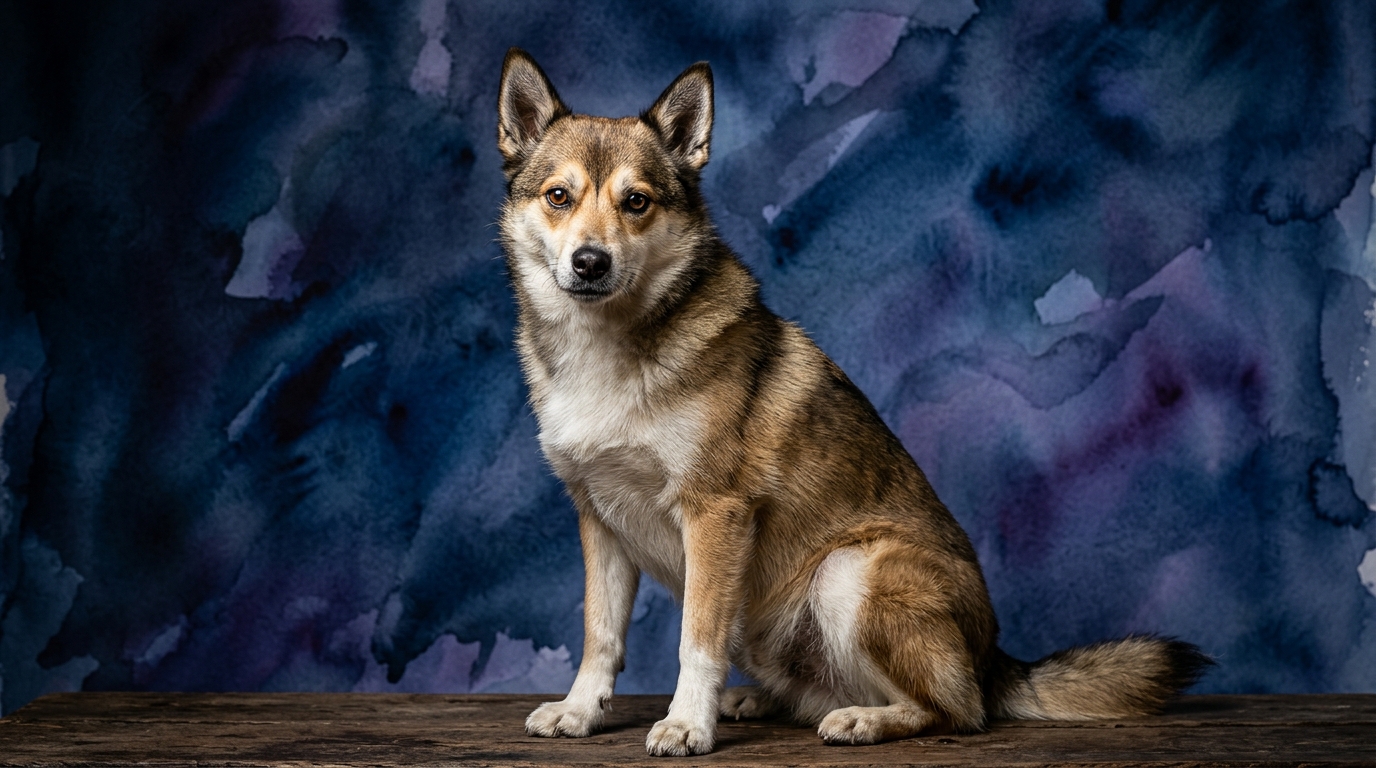
In contrast, the Norwegian Lundehund, a unique breed from the Non-Sporting group, presents a different cognitive blueprint. Their Problem Solving score is 3/5, indicating a capacity for tackling challenges, though perhaps with a different approach or pace. Training Speed also registers at 3/5, suggesting they can learn but may require more repetition or specific motivation than their Schnauzer counterpart. Their Social Intelligence matches the Schnauzer at 3/5, implying similar moderate capabilities in social navigation. Instinctive Drive is also 3/5, which, while numerically equal, manifests in highly specialized ways for this breed. Their Memory score is 3/5, indicating solid recall, though perhaps not as robust as breeds with a 4/5 rating. The Lundehund is not Coren-ranked, which often points to a cognitive profile less focused on traditional obedience and more on independent function.
Where the Standard Schnauzer Cognitively Outperforms
The Standard Schnauzer’s cognitive strengths are evident in its superior scores across several key dimensions, positioning it as a more readily adaptable and consistent performer in structured learning environments. With a Problem Solving score of 4/5, Schnauzers exhibit a pronounced ability to analyze new situations and devise effective strategies, often with minimal human intervention once a task framework is understood. This translates into quickly understanding the mechanics of puzzle toys, figuring out how to open latches, or navigating obstacle courses with greater efficiency. Their higher rating suggests a more generalized problem-solving aptitude, applicable to a wider range of novel challenges.
Furthermore, the Schnauzer’s Training Speed of 4/5 means they typically absorb new commands and routines with impressive rapidity. They often only require a few repetitions to grasp a concept, retaining it effectively due to their 4/5 Memory score. This combination makes them exceptionally responsive to progressive training, capable of mastering complex sequences of commands or learning intricate dog sports like agility or obedience trials. Their cognitive architecture supports a proactive engagement with learning, where they actively seek to understand and execute tasks, rather than passively absorb information.
Where the Norwegian Lundehund's Unique Cognitive Profile Shines
While the Norwegian Lundehund’s scores of 3/5 across the board might seem less impressive than the Schnauzer’s, these ratings reflect a specialized cognitive profile that, in its unique context, is remarkably effective. The Lundehund’s Problem Solving at 3/5, paired with its 3/5 Instinctive Drive, is historically geared towards an extremely independent and niche task: hunting puffins in crevices and caves. This required a specific kind of ingenuity and persistence, not necessarily about biddability but about autonomous decision-making in a challenging, solitary environment. Their problem-solving would involve navigating treacherous terrain, locating prey, and extracting it without direct human guidance, demonstrating a self-reliant form of intelligence.
The Lundehund’s consistent 3/5 in Training Speed and Memory, combined with their moderate Social Intelligence, suggests a dog that learns at a steady pace and retains information reliably, but with a distinct independent streak. They are not primarily driven by a desire to please, but rather by their own internal motivations and curiosity. This means that while they might not excel in rapid-fire obedience drills, they are capable of learning complex tasks that align with their innate drives, such as scent work or navigating intricate paths. Their cognitive strength lies in their self-sufficiency and the application of their abilities to specific, often self-directed, goals.
Ease of Training: Standard Schnauzer vs. Norwegian Lundehund
When considering ease of training, the Standard Schnauzer generally presents a more straightforward experience due to its higher scores in Training Speed (4/5) and Problem Solving (4/5), coupled with its Coren ranking. Schnauzers tend to be eager participants in training, quickly connecting actions with rewards and understanding sequential commands. Their strong memory (4/5) ensures that once a lesson is learned, it is retained, leading to consistent performance. This breed often enjoys the mental engagement of structured training sessions, thriving on having a 'job' and the clear communication from their handler. Behavioral differences include a higher propensity for biddability and a more direct response to cues, making them a more predictable training partner.
The Norwegian Lundehund, with its 3/5 scores in Training Speed, Problem Solving, and Memory, requires a more patient and nuanced approach. Their independent nature, stemming from centuries of solitary hunting, means they are less inclined to simply follow instructions if they perceive their own method as more efficient or rewarding. Training a Lundehund often necessitates creative motivation, such as incorporating play or high-value treats, and understanding that they might not perform consistently simply to please. Real behavioral differences include a tendency to think for themselves, sometimes offering alternative behaviors to a command, or needing more repetition to solidify a new skill. Their training is more about building a collaborative relationship and finding what motivates them internally, rather than relying on inherent biddability.
Which Breed Suits Active vs. Relaxed Owners?
For owners seeking an active, engaged companion who thrives on structured mental work and physical activity, the Standard Schnauzer is an excellent match. Their 4/5 problem-solving and training speed mean they require consistent mental stimulation through training, puzzle toys, and dog sports to prevent boredom and channel their energy constructively. Owners who enjoy teaching new tricks, participating in obedience competitions, or engaging in demanding outdoor activities will find the Schnauzer a willing and capable partner. They need an owner who can consistently provide direction and purpose, leveraging their cognitive strengths.
The Norwegian Lundehund, while not necessarily a relaxed couch potato, suits owners who appreciate a more independent and self-sufficient companion, perhaps for unique outdoor adventures rather than highly structured sports. Their moderate cognitive scores and independent nature mean they need physical outlets to explore and express their unique instincts, but the mental engagement might be less about mastering complex obedience routines and more about navigating their environment. Owners who enjoy hiking, exploring natural areas, or simply having a quirky, observant companion who isn't constantly seeking direction might find the Lundehund's temperament and cognitive style more aligned with their lifestyle. They are suited for those who can respect a dog's independent thought and don't require constant, unwavering compliance.
The Verdict
Choose the Standard Schnauzer if you desire a highly trainable, mentally agile dog eager to engage in structured learning, complex tasks, and dog sports.
Opt for the Norwegian Lundehund if you appreciate an independent, unique companion whose cognitive strengths lie in self-sufficiency and specialized problem-solving, thriving with patient, reward-based training.
🧠 Find Your Pet's IQ Score
Our Pet IQ Lab assessment covers 25+ tests across 5 cognitive dimensions — personalized to your breed.
Take the Full IQ Test →Frequently Asked Questions
Are Norwegian Lundehunds difficult to train?
Norwegian Lundehunds are not inherently difficult, but they require a different approach than more biddable breeds. Their independence and moderate training speed mean owners need patience, consistency, and creative, positive reinforcement methods focused on what motivates the individual dog.
Do Standard Schnauzers need a lot of mental stimulation?
Yes, Standard Schnauzers, with their high problem-solving and memory scores, thrive on mental engagement. They require regular training, puzzle toys, and opportunities to learn new skills to prevent boredom and channel their considerable cognitive energy productively.
Which breed is better for a first-time dog owner?
For a first-time owner seeking a more conventional and responsive training experience, the Standard Schnauzer's higher training speed and biddability might be more manageable. The Norwegian Lundehund's independent nature can be more challenging for those without prior experience with less traditionally motivated breeds.