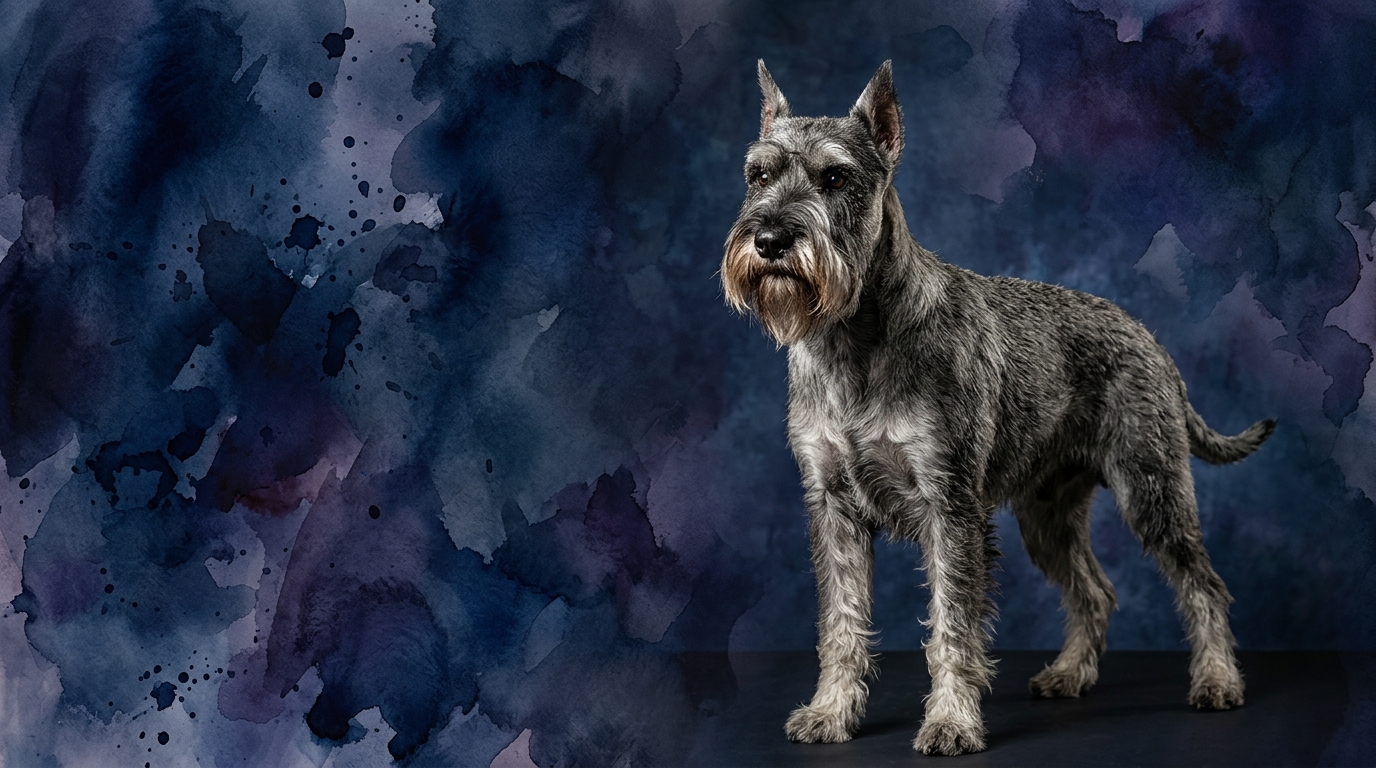
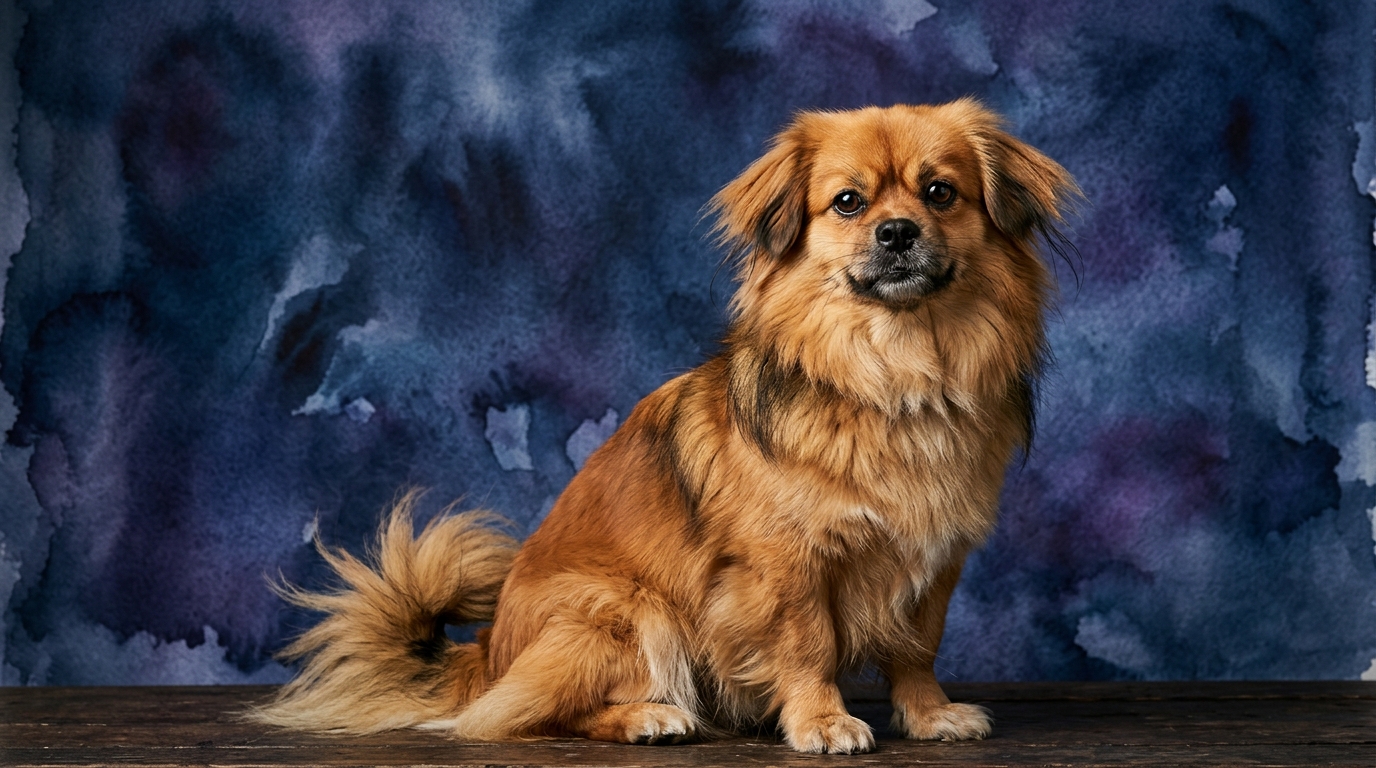
Side-by-Side Cognitive Profiles
The Cosmic Pet Pet IQ Lab employs a five-dimensional framework to map canine cognition, offering a granular view beyond simple obedience. This allows us to appreciate the specific strengths each breed brings to the human-canine bond, rather than making broad generalizations.
The Standard Schnauzer, a member of the Working Group, presents a robust cognitive blueprint. Their problem-solving capacity scores 4 out of 5, indicating a strong ability to independently navigate challenges and devise solutions. Training speed is also high at 4 out of 5, reflecting a quick uptake of new commands and routines. Social intelligence registers at 3 out of 5, suggesting an understanding of human cues while maintaining a degree of independence. Instinctive drive, at 3 out of 5, points to a moderate inclination for tasks rooted in their heritage, such as guarding or herding. Finally, their memory stands at an impressive 4 out of 5, ensuring reliable retention of learned behaviors and experiences.
In contrast, the Tibetan Spaniel, a Non-Sporting breed, exhibits a cognitive profile tailored for companionship and observation. Their problem-solving ability is rated 3 out of 5, indicating competence in addressing straightforward puzzles but perhaps less inclination for complex, abstract challenges. Training speed also sits at 3 out of 5, meaning they learn steadily with consistent, positive reinforcement. Social intelligence matches the Schnauzer at 3 out of 5, underscoring their capacity to connect with their family. An instinctive drive of 3 out of 5 reflects their historical role as vigilant companions rather than active workers. Their memory, at 3 out of 5, is solid for daily routines and familiar interactions, though perhaps less geared towards extensive, complex sequences.
Where the Standard Schnauzer Excels Cognitively
The Standard Schnauzer's cognitive strengths distinctly align with their Coren ranking of #22, placing them among breeds with a remarkable capacity for obedience and working intelligence. Their superior problem-solving score of 4/5 means they are more likely to independently figure out how to open gates, retrieve objects from tricky spots, or strategize during interactive puzzle toys. This mental acuity translates into a dog that actively engages with its environment, seeking to understand and manipulate it.
Furthermore, their faster training speed (4/5) and strong memory (4/5) are significant advantages for owners interested in structured activities. A Standard Schnauzer can absorb new commands and complex sequences with fewer repetitions, retaining that knowledge over extended periods. This makes them particularly well-suited for advanced obedience, agility, rally, or other dog sports where precision, rapid learning, and consistent recall are paramount. They often thrive when given a 'job' to do, actively participating in learning new skills.
Where the Tibetan Spaniel Excels Cognitively
While the Tibetan Spaniel’s individual cognitive scores may not surpass the Schnauzer's, their unique blend of attributes creates a cognitive profile perfectly optimized for their role as an observant, discerning companion. Their 3/5 social intelligence, combined with their historical role as monastery watchdogs, suggests a particular aptitude for subtle observation and keen awareness of their surroundings and family dynamics. They may not be actively performing tasks, but they are processing information about their environment with quiet vigilance.
The Tibetan Spaniel’s moderate instinctive drive (3/5) is expressed less as a desire for rigorous work and more as an innate alertness and loyalty. This means they are often excellent at noticing changes in their environment or approaching visitors, signaling their observations with a bark, without possessing the intense prey drive or protective instincts that can require extensive management in other breeds. This focused, observational intelligence makes them effective, low-maintenance household guardians, attuned to the rhythm of home life.
Training: A Matter of Pace and Motivation
When considering ease of training, the Standard Schnauzer generally offers a more straightforward path for owners seeking structured obedience. Their 4/5 training speed and 4/5 memory mean they grasp new commands quickly and retain them reliably. Their working heritage often instills a desire for purpose and a willingness to engage in directed activities, making them responsive to clear, consistent instruction. However, their strong problem-solving ability can sometimes manifest as an independent streak; if rules are inconsistent, they may 'think for themselves,' requiring a firm yet fair approach to maintain compliance.
The Tibetan Spaniel, with scores of 3/5 for both training speed and memory, learns at a more measured pace. They are capable and willing learners, but they benefit significantly from patience, positive reinforcement, and shorter, engaging training sessions. Unlike the Schnauzer, who often thrives on the challenge of a 'job,' the Tibetan Spaniel's motivation is more rooted in companionship and positive interaction. They can be sensitive to harsh corrections and may disengage if training becomes too demanding or repetitive. Their independent, sometimes 'cat-like' nature means they might choose to comply based on their mood or perceived value of the reward, rather than a strong intrinsic desire to perform a task.
Matching Canine Cognition to Lifestyle
For owners with an active lifestyle and a desire for an engaged partner in various dog sports or advanced training, the Standard Schnauzer is often an ideal match. Their higher scores in problem-solving, training speed, and memory mean they thrive on mental stimulation and physical activity. They require consistent engagement, structured learning opportunities, and regular exercise to channel their considerable mental and physical energy constructively. Owners who enjoy teaching new tricks, participating in obedience trials, or hiking will find a deeply rewarding companion in the Standard Schnauzer, who truly flourishes when given a purpose.
Conversely, the Tibetan Spaniel’s cognitive profile suits more relaxed owners who appreciate an observant, affectionate, and relatively low-maintenance companion. While they still benefit from regular walks and mental enrichment, their need for intense, structured mental work is less pronounced than that of a working breed. They are content to be close to their people, observing the household, and enjoying moderate play. Their keen social intelligence and instinctive drive for vigilance make them excellent family companions who offer quiet companionship and a discerning eye on their surroundings without demanding a high-octane lifestyle.
The Verdict
Choose the Standard Schnauzer if you seek a capable, engaged partner for structured activities, dog sports, or a vigilant family guardian who thrives on learning and mental work.
Opt for the Tibetan Spaniel if you appreciate a discerning, observant companion content with a more relaxed pace, offering affectionate companionship and a keen eye on their surroundings without demanding intense mental work.
🧠 Find Your Pet's IQ Score
Our Pet IQ Lab assessment covers 25+ tests across 5 cognitive dimensions — personalized to your breed.
Take the Full IQ Test →Frequently Asked Questions
Do Standard Schnauzers require a lot of mental stimulation?
Yes, Standard Schnauzers benefit significantly from mental challenges. Their high problem-solving and memory scores mean they are happiest when given opportunities to learn, solve puzzles, and engage in purposeful activities. Without adequate mental outlets, they can become bored.
Are Tibetan Spaniels good watchdogs despite their size?
Absolutely. Tibetan Spaniels possess a strong instinctive drive for vigilance, stemming from their history as monastery guardians. Their keen observational intelligence makes them excellent at noticing changes and alerting their families, making them effective watchdogs within their size class.
Which breed is better for a first-time dog owner?
Both breeds can be suitable, but for different reasons. A Standard Schnauzer might be more challenging for a novice due to their need for consistent structure and mental engagement. A Tibetan Spaniel, with its more moderate demands for structured work, might be a gentler introduction to dog ownership, provided the owner appreciates their independent spirit.