Side-by-Side IQ Profile: Unpacking the 3/5 Scores
For both the Sussex Spaniel and the Miniature Pinscher, a 3/5 score across the board indicates a solid, functional intelligence that is neither exceptional nor particularly challenging.
Problem Solving (3/5): Both demonstrate a moderate capacity, learning routines and simple cause-and-effect scenarios like opening gates. Complex, multi-step puzzles might require more consistent guidance and repetition. Training Speed (3/5): Owners can expect both breeds to learn new commands at a steady, moderate pace. They respond well to positive reinforcement but are not typically 'one-and-done' learners, requiring patience and consistent repetition to solidify behaviors. Social Intelligence (3/5): These dogs possess a reasonable understanding of human social cues and household dynamics, forming strong bonds and recognizing routines. While they interpret basic needs and moods, subtle emotional nuances might require clearer signals. Instinctive Drive (3/5): Both breeds exhibit moderate instinctive drive tied to their historical purposes. Sussex Spaniels show a drive for scent work and exploration from their flushing game heritage. Miniature Pinschers display alertness and quick reactions from their vermin hunting and watchdog roles. These drives are manageable and offer enrichment avenues. Memory (3/5): A 3/5 memory suggests both can retain learned commands, routines, and significant experiences over time. They remember people, places, and established rules effectively, building a reliable companion without recalling intricate details without reinforcement.
Where the Sussex Spaniel Wins Cognitively
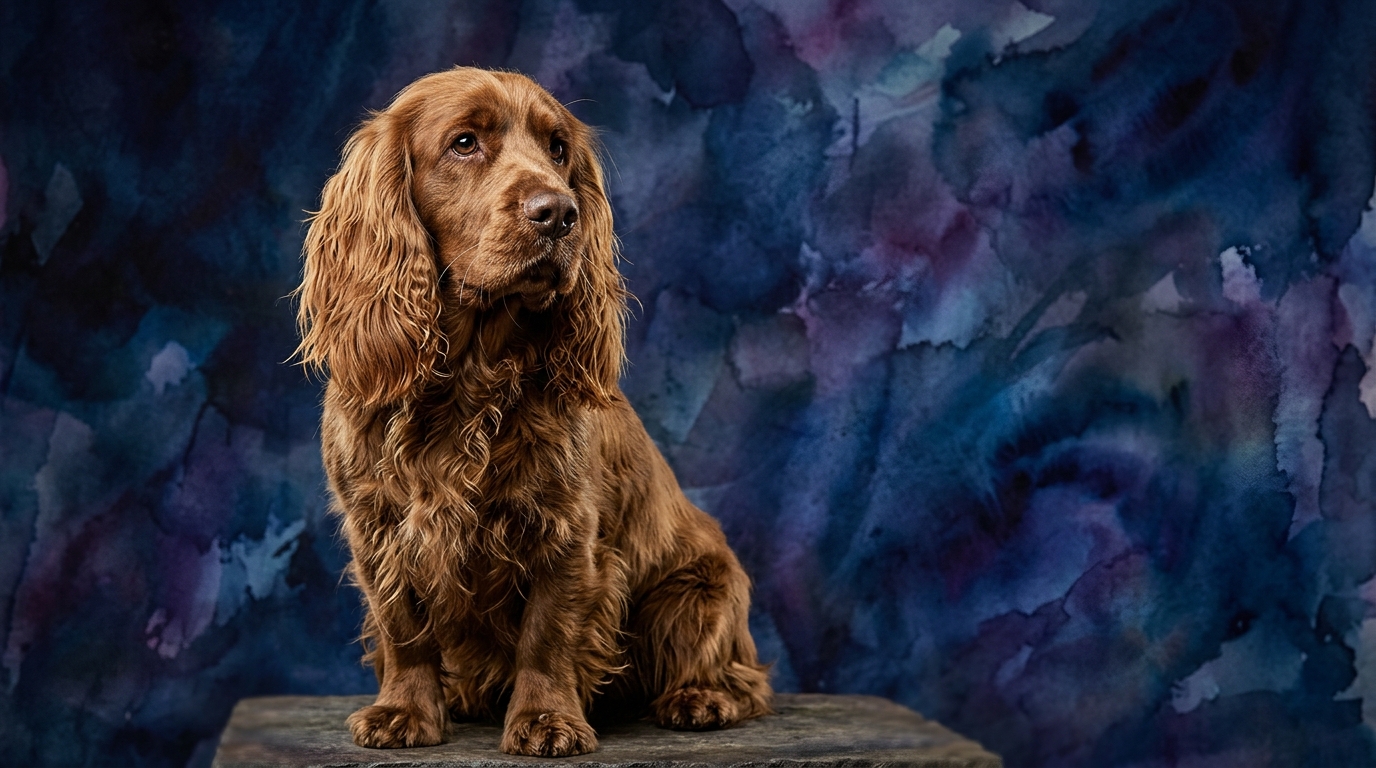
The Sussex Spaniel's inclusion at #62 in Stanley Coren's ranking provides a unique cognitive advantage, as Coren's methodology assesses 'working and obedience intelligence.' This suggests the Sussex, though scoring 3/5, possesses a more inherently cooperative cognitive framework for structured learning and task execution. As a Sporting group dog, their problem-solving and social intelligence are often geared towards working *with* a human handler.
Their instinctive drive, focused on flushing game, translates into a persistent, methodical approach to tasks involving scent work or exploration. This means their 3/5 problem-solving manifests as patient environmental investigation, and their 3/5 social intelligence as a desire to collaborate on shared goals, leveraging their cooperative nature cultivated for field work. The Sussex's predisposition to follow cues and engage in shared activities makes their moderate intelligence highly functional in a partnership context.
Where the Miniature Pinscher Wins Cognitively
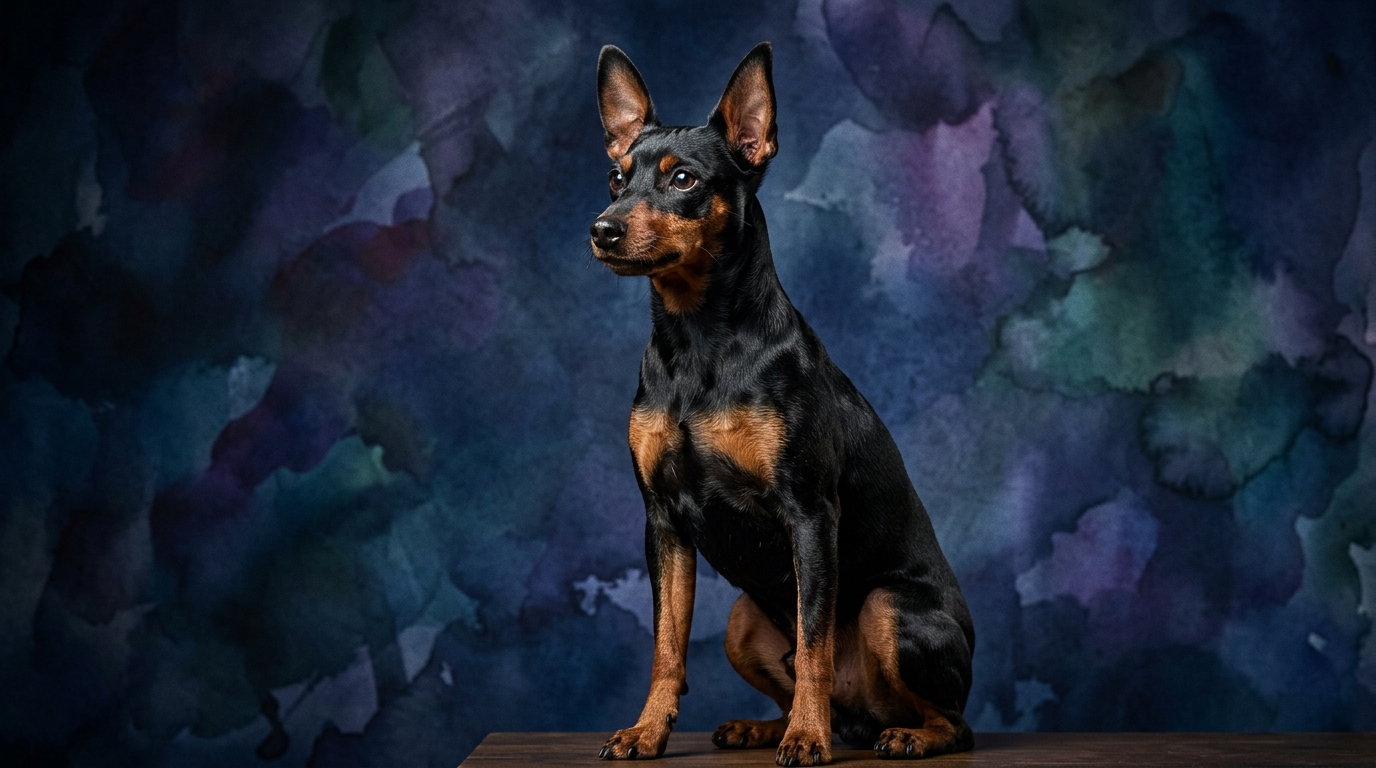
The Miniature Pinscher’s cognitive strengths, also rated 3/5, shine in areas distinct from the Sussex Spaniel's working intelligence. As a Toy group breed, the Min Pin’s intelligence often focuses on alertness, adaptability to home environments, and a keen awareness of surroundings. While not Coren-ranked, their problem-solving might be more about navigating domestic challenges, like manipulating owners for treats or finding sunbeams.
Their social intelligence, even at 3/5, can be exceptionally sharp in detecting subtle shifts in household dynamics or anticipating human actions for their own benefit or to act as an alarm. The Min Pin's instinctive drive for vermin control and guarding manifests as quick reactions, a bold demeanor, and an impressive ability to identify and respond to perceived threats. This tenacious spirit means their memory can be particularly acute for rewarding behaviors or effective strategies for getting their way, making their 3/5 intelligence practical for an attentive, self-assured companion.
Which is Easier to Train and Why
Despite identical 3/5 training speed scores, the ease of training differs due to underlying temperamental and instinctive variations. The Sussex Spaniel, with its Sporting heritage and Coren ranking, generally presents as the more amenable student. Bred for cooperation, they possess an inherent desire to work alongside their handler. Their independent spaniel spirit exists, but their flushing drive can be powerfully channeled into scent work or obedience, providing strong motivation. They are typically more consistent in following commands, valuing the partnership in training, and their moderate social intelligence often translates into a willingness to please.
The Miniature Pinscher, conversely, can pose a greater challenge. Their Toy group background, strong guarding instinct, and bold, independent personality often mean they have their own agenda. Quick-witted and alert, this can lead to distractibility or excessive barking. Their problem-solving might be applied to finding loopholes rather than complying. House training can also require extra diligence. Training a Min Pin demands more creativity, patience, and a firm but positive approach to keep them engaged and prevent stubbornness. They are trainable, but their inclination to test boundaries requires consistent, confident handling.
Which Suits Active Owners vs. Relaxed Owners
The distinction between active and relaxed owners is significant when considering these breeds, despite both having moderate energy levels. For Active Owners: The Sussex Spaniel is an excellent fit, thriving on regular, purposeful activity. They enjoy long walks, scent exploration, and dog sports, offering moderate but consistent stamina for hiking or outdoor excursions. Owners channeling their hunting instincts will find an enthusiastic partner. The Min Pin also appeals to active owners, possessing surprising energy and agility for fast-paced games, agility, or flyball. Their alert nature means they are always ready for action, requiring consistent engagement through play and brisk walks, though not built for endurance like a sporting dog.
For Relaxed Owners: The Sussex Spaniel can adapt to a more relaxed household if basic exercise is met. They are content lounging after a good walk but aren't couch potatoes, needing daily mental and physical stimulation to prevent restlessness. The Miniature Pinscher can also suit more relaxed owners, adapting well to apartments. They are content with shorter, brisk walks and indoor play, but their alert and vocal nature necessitates consistent training to manage barking and ensure adequate mental stimulation, making them excellent watchdogs but requiring engagement beyond just physical exercise.
The Verdict
Choose the Sussex Spaniel if you seek a moderately active, cooperative companion with a tangible working heritage, valuing a dog that enjoys outdoor exploration, structured engagement, and offers a generally amenable temperament for training within a patient partnership.
Choose the Miniature Pinscher if you desire an energetic, alert, and confident small dog with a bold personality, prepared to provide consistent, firm yet positive training, and appreciate a tenacious companion well-suited to indoor living and focused, active play.
🧠 Find Your Pet's IQ Score
Our Pet IQ Lab assessment covers 25+ tests across 5 cognitive dimensions — personalized to your breed.
Take the Full IQ Test →Frequently Asked Questions
How does the Coren ranking difference impact their real-world behavior, given their identical IQ scores?
The Coren ranking for the Sussex Spaniel suggests an inherent predisposition towards understanding and complying with structured human commands, making them generally more cooperative in formal training settings. For the Miniature Pinscher, while unranked, their identical scores mean their intelligence is likely expressed differently, perhaps through greater independence or problem-solving geared towards personal advantage rather than strict obedience.
Are Miniature Pinschers genuinely harder to train despite their 3/5 training speed score?
While their training speed is moderate, the Miniature Pinscher's strong will, independent nature, and alert instincts can make them *feel* harder to train. They require an owner who is consistently firm, patient, and creative in their approach, as they are prone to testing boundaries and can be more easily distracted than the generally more cooperative Sussex Spaniel.
Which breed is a better choice for first-time dog owners?
For first-time owners, the Sussex Spaniel might be slightly more forgiving due to its generally more cooperative nature and desire to please, particularly if the owner is committed to consistent exercise and positive reinforcement. The Miniature Pinscher, while small, demands a confident and experienced hand to manage its strong personality and potential for stubbornness, making it potentially more challenging for a novice.