
Side-by-Side Cognitive Profiles
The Cosmic Pet Pet IQ Lab provides a unique lens through which to examine the distinct mental faculties of these two breeds. For the Sussex Spaniel, ranked #62 by Coren, its IQ profile presents a remarkably balanced picture: Problem Solving 3/5, Training Speed 3/5, Social Intelligence 3/5, Instinctive Drive 3/5, and Memory 3/5. This consistency suggests a dog that is capable, adaptable, and generally cooperative, embodying a practical intelligence well-suited to its original role as a flushing spaniel requiring steady focus and responsiveness without excessive independent decision-making.
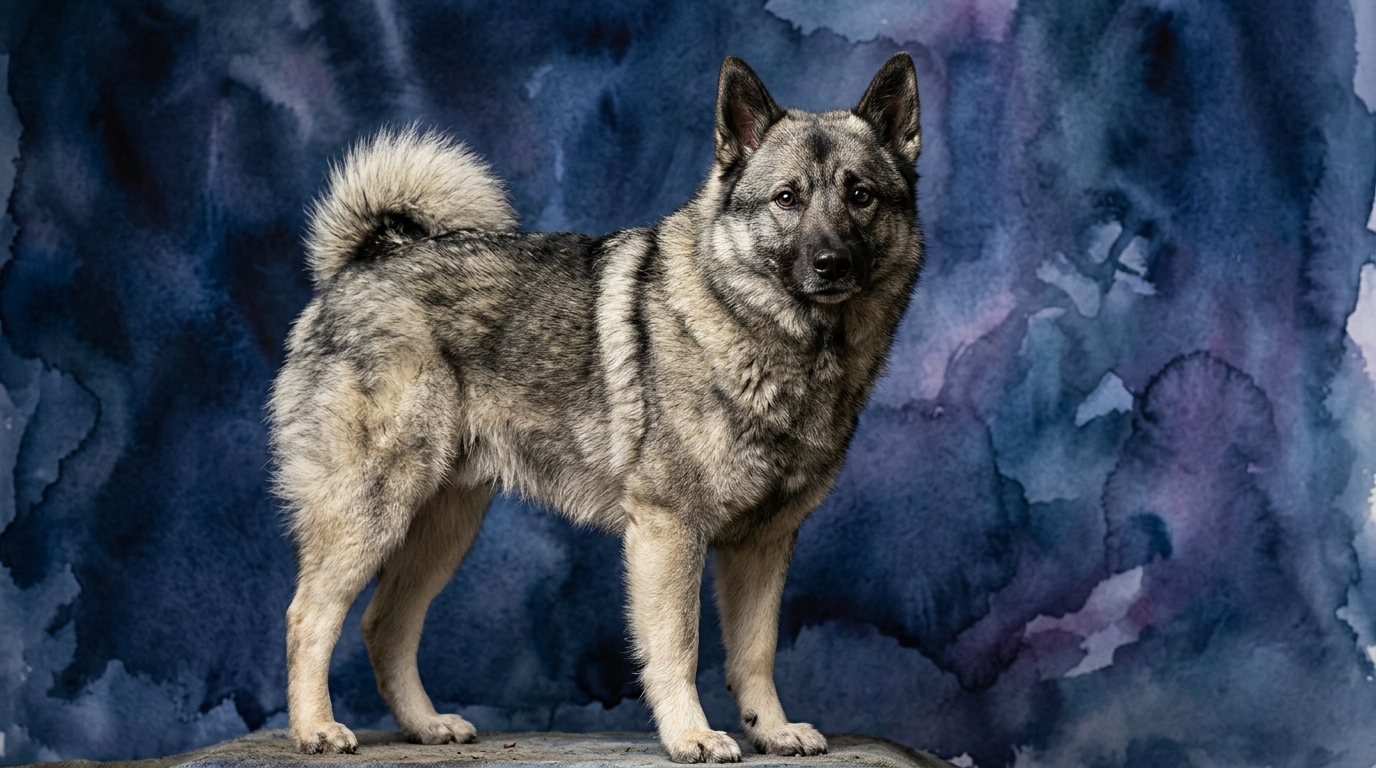
In contrast, the Norwegian Elkhound, holding a higher Coren rank of #36, exhibits a more specialized cognitive profile. It scores higher in Problem Solving (4/5), Training Speed (4/5), and Memory (4/5), while matching the Sussex Spaniel in Social Intelligence (3/5) and Instinctive Drive (3/5). This combination paints a picture of a more mentally agile and quicker-learning dog, particularly adept at complex tasks and retaining information. Its history as a moose hunter demanded independent thought, excellent recall of terrain, and the ability to track intricate scent trails, all reflected in its elevated cognitive scores.
Where the Sussex Spaniel's Cognition Shines
While the Sussex Spaniel doesn't numerically outpace the Elkhound in any single cognitive dimension, its strength lies in its remarkable balance and consistency. A consistent 3/5 across Problem Solving, Training Speed, Social Intelligence, Instinctive Drive, and Memory suggests a reliably capable dog without being overly demanding or prone to independent excursions of thought. For owners prioritizing a steady, predictable cognitive profile over specialized intensity, the Sussex's even temperament and practical intelligence are distinct advantages. Its moderate instinctive drive, for example, means it's less likely to be single-mindedly driven by prey urges than some sporting breeds, fostering greater amenability to general companionship.
Where the Norwegian Elkhound Excels Cognitively
The Norwegian Elkhound clearly demonstrates a cognitive edge in several key areas. Its Problem Solving score of 4/5 indicates a dog capable of more complex thought, able to navigate novel situations and figure out solutions with greater ingenuity. This trait, vital for a hunting dog that often works independently to track large game, translates into a companion who might enjoy puzzle toys or figuring out how to open a gate. Similarly, its 4/5 in Training Speed suggests a quicker grasp of new commands and routines, potentially absorbing lessons in fewer repetitions. Paired with a Memory score of 4/5, the Elkhound is not only fast to learn but also retains that information effectively over time, making it a strong candidate for advanced training or retaining a wide repertoire of behaviors.
Training Dynamics: Elkhound Agility vs. Spaniel Steadiness
Evaluating ease of training requires a nuanced perspective, as raw learning speed isn't the sole factor. The Norwegian Elkhound, boasting a 4/5 in Training Speed, possesses the mental agility to quickly grasp new commands and routines. However, its robust Problem Solving (4/5) and significant Instinctive Drive (3/5) often translate into an independent streak. An Elkhound might swiftly learn a command but also quickly assess if obeying aligns with its immediate priorities, especially when a captivating scent or perceived 'prey' distracts it. Their heritage as independent hunters means they are accustomed to making their own decisions, potentially manifesting as stubbornness if not managed with consistent positive reinforcement and clear leadership from an early age.
Conversely, the Sussex Spaniel, with a solid 3/5 in Training Speed, might require a few more repetitions to master a new skill. Yet, its consistent 3/5 across all cognitive dimensions, including Instinctive Drive and Social Intelligence, suggests a more biddable and cooperative temperament. Sussex Spaniels generally prefer working in partnership, making them more inclined to follow instructions once understood. Their moderate drive means fewer internal conflicts between innate urges and desired behaviors. While patience and consistency are key, their desire to please and less independent nature can render the training journey smoother and more predictable, leading to a dog that reliably applies what it has learned.
Lifestyle Match: Active Engagement vs. Relaxed Companionship
The choice between these breeds often comes down to an owner's lifestyle and energy levels. The Norwegian Elkhound, with its background as a hardy hunting dog in rugged terrain, is unequivocally suited for active owners. Its robust physical stamina combined with its higher scores in Problem Solving and Memory means it thrives on substantial physical exercise paired with consistent mental stimulation. These dogs need more than just a walk around the block; they excel in activities like hiking, canicross, agility, or scent work that challenge both their body and their mind. An Elkhound without sufficient outlets for its energy and intelligence can become bored, potentially leading to undesirable behaviors like excessive barking or destructive chewing.
The Sussex Spaniel, while a member of the Sporting Group, generally possesses a more moderate energy level. Its balanced instinctive drive and overall cognitive profile suggest a dog that enjoys regular, moderate exercise—daily walks, some playtime in the yard, or a leisurely sniff-filled ramble—but is equally content to relax at home. They appreciate mental engagement through training or puzzle toys, but don't have the same relentless drive for complex tasks as the Elkhound. This makes the Sussex a better fit for relaxed owners who enjoy companionship and a manageable activity level, preferring a dog that can transition smoothly from outdoor exploration to quiet indoor comfort without needing constant high-intensity engagement.
The Verdict
Choose the Sussex Spaniel if you value a consistently cooperative, steady companion whose moderate energy and balanced cognitive profile make for a predictable and affectionate family member. They are ideal for owners who appreciate a dog that is present and engaged without demanding constant, intense mental or physical exertion.
Choose the Norwegian Elkhound if you are an active, experienced owner ready to engage with a mentally agile and independent partner, thriving on outdoor adventures and advanced training to channel its considerable problem-solving and memory capabilities.
🧠 Find Your Pet's IQ Score
Our Pet IQ Lab assessment covers 25+ tests across 5 cognitive dimensions — personalized to your breed.
Take the Full IQ Test →Frequently Asked Questions
Are Sussex Spaniels good with children?
With their balanced social intelligence and generally stable temperament, Sussex Spaniels can be wonderful family dogs. They are typically patient and tolerant, making them suitable companions for respectful children, especially when properly socialized from a young age.
Do Norwegian Elkhounds bark a lot?
Norwegian Elkhounds are known for their distinctive 'bark-howl' and can be quite vocal, especially if bored or left alone for extended periods. Their history as hunting dogs involved alerting hunters to game, so a tendency to use their voice is an innate trait.
Which breed is better for first-time dog owners?
The Sussex Spaniel, with its more biddable nature and moderate demands, is generally a more forgiving choice for first-time dog owners. The Norwegian Elkhound's independence and higher mental stimulation needs often benefit from an owner with previous experience in dog training and management.