Side-by-Side IQ Profile: Unpacking the Scores
While both the Swedish Vallhund and Miniature Pinscher register a balanced 3/5 across all five cognitive dimensions – Problem Solving, Training Speed, Social Intelligence, Instinctive Drive, and Memory – these scores manifest uniquely within each breed's distinct temperament and historical purpose. Understanding these nuances is key to appreciating their individual cognitive strengths and how they apply in real-world scenarios.
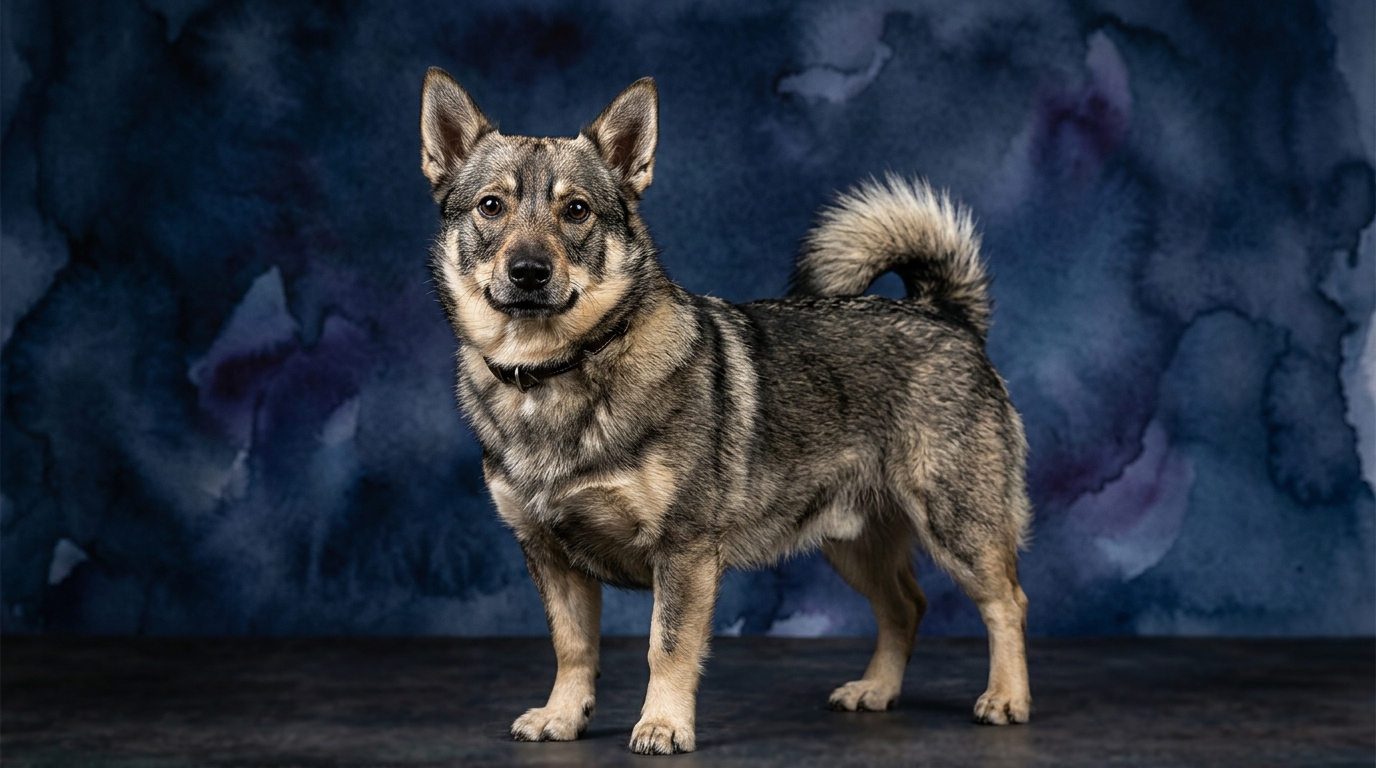
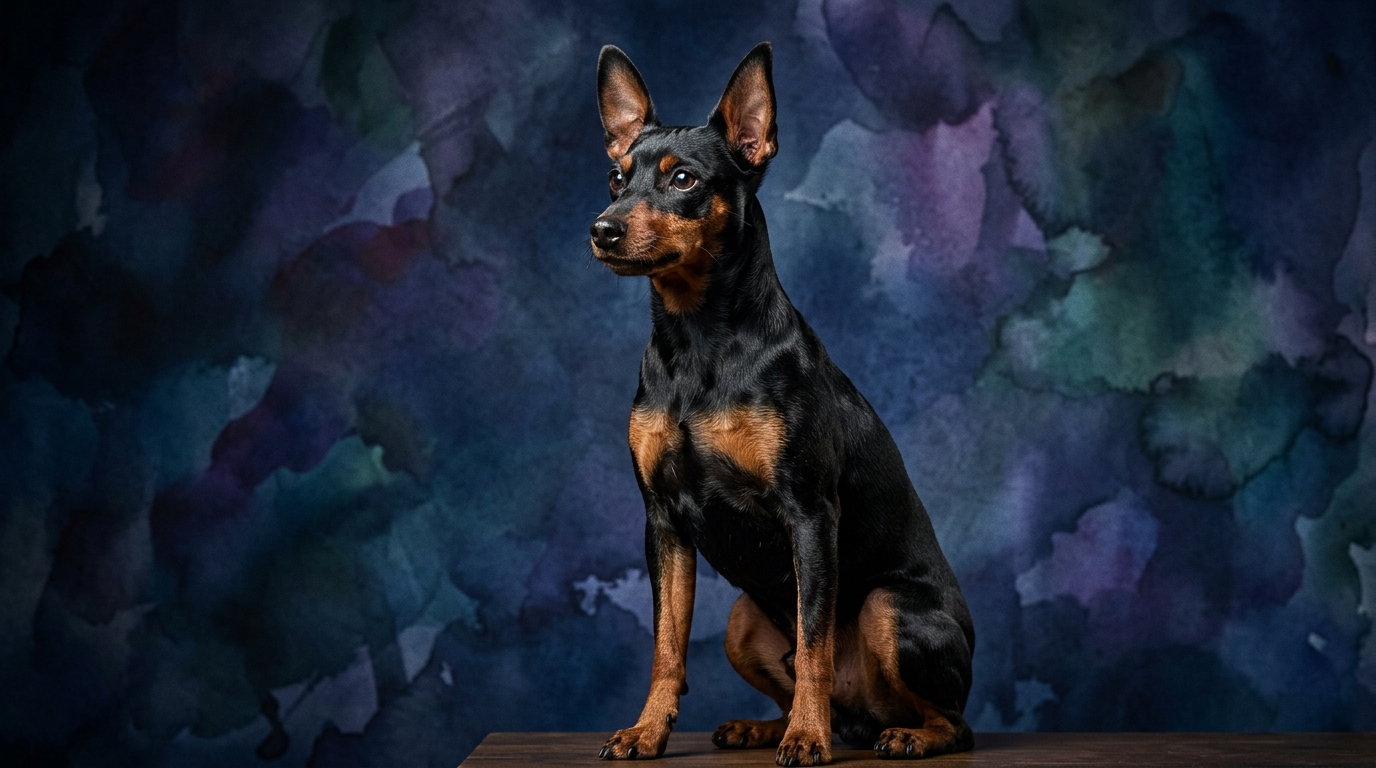
The Swedish Vallhund, hailing from Sweden, is a spitz-type herding dog, specifically bred for driving cattle and guarding farms. Their intelligence is shaped by a need for practical problem-solving in open, dynamic environments. The Miniature Pinscher, often called the 'King of Toys,' originated in Germany as a ratting dog, evolving into a confident companion. Their cognitive abilities reflect a self-assured, often tenacious approach to their surroundings and interactions.
Swedish Vallhund: The Herding Strategist
**Problem Solving (3/5)**: The Vallhund exhibits a practical, resourceful approach to problem-solving, often rooted in their historical role of managing livestock. They can assess a situation, like navigating a complex obstacle course or finding a stray “sheep” (toy), and devise a strategy to achieve their goal, demonstrating adaptability in varied environments.
**Training Speed (3/5)**: Learning new commands and routines at a moderate pace, Vallhunds benefit greatly from consistent, positive reinforcement. Their desire to work alongside their human companions makes them generally receptive, though their independent herding judgment can sometimes lead to momentary diversions.
**Social Intelligence (3/5)**: These dogs are adept at reading human body language and vocal tones, forming strong, loyal bonds with their families. While often reserved with strangers initially, they understand social hierarchies and can be quite perceptive about the moods and intentions of those around them, acting as vigilant family guardians.
**Instinctive Drive (3/5)**: The Vallhund’s herding instinct is pronounced, manifesting in behaviors like nipping at heels, circling, and “gathering” family members or pets. This innate drive provides a strong foundation for activities like herding trials or agility, but also requires appropriate outlets to manage.
**Memory (3/5)**: Vallhunds possess a reliable memory, easily recalling learned commands, routines, and the layouts of familiar places. They remember past interactions, both positive and negative, which influences their future responses to people and situations.
Miniature Pinscher: The Bold Independent Thinker
**Problem Solving (3/5)**: The Miniature Pinscher approaches problem-solving with a clever, often self-serving ingenuity. They are adept at figuring out how to open cabinets, escape enclosures, or manipulate situations to their advantage, showcasing a tenacious and sometimes mischievous mental agility.
**Training Speed (3/5)**: Min Pins learn at a moderate pace, but their independent and sometimes stubborn nature means training requires engaging methods, patience, and unwavering consistency. They can be easily distracted by novel stimuli or their own strong desires, making focus a key challenge.
**Social Intelligence (3/5)**: Highly observant of their human companions’ emotions, Miniature Pinschers form intense, devoted bonds, often becoming “velcro dogs” with their chosen person. They can be wary and assertive with strangers, displaying a confident demeanor that belies their small stature, and are quick to signal perceived threats.
**Instinctive Drive (3/5)**: This breed possesses a robust prey drive, inherited from their ratting ancestry, leading them to chase small animals with enthusiasm. They are also highly territorial and possess a strong watch-dog instinct, often expressing themselves through assertive vocalizations and vigilant patrolling of their domain.
**Memory (3/5)**: Miniature Pinschers have a strong memory for routines, learned behaviors, and particularly for perceived slights or rewarding experiences. They recall people and places with clarity, which contributes to their consistent territorial displays and selective social interactions.
Where the Swedish Vallhund Wins Cognitively
The Swedish Vallhund’s cognitive strengths truly shine in scenarios requiring cooperative problem-solving and adaptable decision-making within a structured context. Their herding background has honed an ability to process spatial information efficiently, making them adept at navigating complex environments and understanding how to influence the movement of others. This translates into an intuitive grasp of agility courses or rally obedience patterns, where they can anticipate and adjust their actions based on cues and the evolving situation. Their intelligence leans towards a collaborative effort, where they excel when working with a human partner towards a common goal, displaying a nuanced understanding of teamwork. They also possess a resilience in varied weather and terrain, suggesting a mental fortitude to persist through challenges that might deter a less robust breed.
Where the Miniature Pinscher Wins Cognitively
The Miniature Pinscher’s cognitive edge lies in their self-reliant ingenuity and their ability to navigate social situations with assertive confidence. Their intelligence is often directed towards personal gain, whether it’s figuring out how to access forbidden treats or manipulating their owners with charming persistence. This breed excels at independent problem-solving, particularly when it involves outsmarting perceived obstacles or establishing their dominance within a household. Their bold and curious nature drives them to explore and learn through trial and error, often leading to clever, if sometimes mischievous, solutions. In an urban environment, their sharp observational skills and quick reflexes make them highly adaptable, allowing them to confidently assess and react to a multitude of stimuli.
Which is Easier to Train and Why
When it comes to ease of training, the Swedish Vallhund generally presents a more straightforward experience for the dedicated owner. Their inherent desire to work and their cooperative nature, rooted in their herding partnership with humans, means they are often eager to please and respond well to consistent, positive reinforcement. While their herding instincts can manifest as nipping at heels, this drive can be effectively channeled into structured activities like agility or herding games, making training a fulfilling collaborative process.
Conversely, the Miniature Pinscher, with its independent spirit and strong-willed personality, can be more challenging to train. Their intelligence is often coupled with a stubborn streak and a preference for doing things their own way. Training a Min Pin requires exceptional patience, creative motivation, and unwavering consistency to overcome their tendency to test boundaries and get distracted by their high prey drive. They learn quickly, but their willingness to comply is often contingent on their perception of the value of the command and the consistency of the handler.
Which Suits Active Owners vs. Relaxed Owners
The Swedish Vallhund is undeniably better suited for active owners who are prepared to provide significant daily physical exercise and, crucially, ample mental stimulation. Their herding background means they thrive on having a “job” to do, whether it’s participating in dog sports, engaging in complex puzzle toys, or simply having structured play sessions that mimic herding behaviors. Owners who enjoy long walks, hiking, or activities like agility will find the Vallhund to be an enthusiastic and capable companion. A relaxed owner, unwilling to meet these needs, may find their Vallhund developing undesirable behaviors born of boredom and unspent energy.
The Miniature Pinscher, while energetic, can be a better fit for owners who might be less inclined towards intense, prolonged physical activity, but who are still committed to consistent mental engagement. Min Pins need moderate daily exercise, such as brisk walks and play, but their “big dog in a small body” mentality means they demand mental challenges and consistent boundaries more than constant physical exertion. Owners who enjoy teaching tricks, using puzzle feeders, and providing clear leadership will find the Min Pin a rewarding companion, even if their physical activity is less demanding than a Vallhund’s.
The Verdict
Opt for a Swedish Vallhund if you are an active owner seeking a cooperative, intelligent partner for dog sports, rural living, or structured activities that engage their herding instincts and desire to work alongside you.
Select a Miniature Pinscher if you appreciate a bold, independent, and clever companion thriving on consistent mental challenges and clear leadership, suitable for urban or suburban settings where their confident personality can shine.
🧠 Find Your Pet's IQ Score
Our Pet IQ Lab assessment covers 25+ tests across 5 cognitive dimensions — personalized to your breed.
Take the Full IQ Test →Frequently Asked Questions
Are Swedish Vallhunds good with children?
Swedish Vallhunds can be good family dogs, but their herding instinct may lead them to nip at the heels of running children, requiring supervision and early training to redirect this natural behavior. With proper socialization, they are generally loyal and protective of their family members.
Do Miniature Pinschers bark a lot?
Miniature Pinschers are known for their alert barking, a trait stemming from their vigilant nature and territorial instincts. They often vocalize to signal the presence of strangers, other animals, or anything they perceive as a threat or novelty in their environment.
How much exercise do these breeds need?
Swedish Vallhunds require significant daily exercise and mental stimulation, ideally involving activities that engage their herding background and keen minds. Miniature Pinschers need moderate daily physical exercise, but consistent mental engagement through training, puzzle toys, and clear routines is crucial to prevent boredom and destructive behaviors.