Side-by-Side IQ Profile: Guardian vs. Gundog Minds
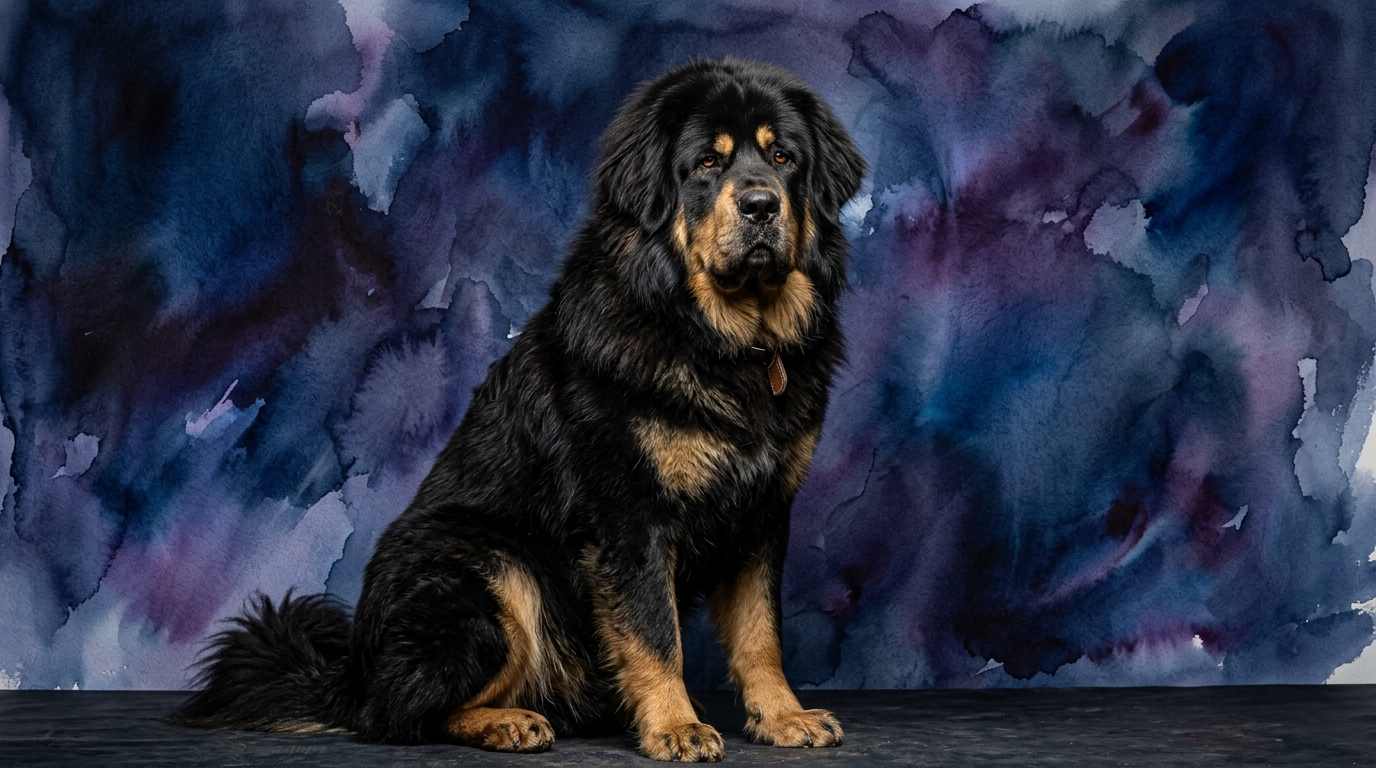
The Cosmic Pet Pet IQ Lab's assessment provides a granular look at the cognitive strengths of these two distinct breeds. The Tibetan Mastiff, a formidable guardian from the Working group, presents a consistent profile across several dimensions: problem-solving at 3/5, training speed at 3/5, social intelligence at 3/5, instinctive drive at 3/5, and memory also at 3/5. This suggests a balanced yet self-reliant cognitive approach, deeply rooted in their ancestral role of independent decision-making and territorial oversight. Their cognitive functions are finely tuned for observation, assessment, and measured responses to their environment, prioritizing protective duties over complex, cooperative tasks.
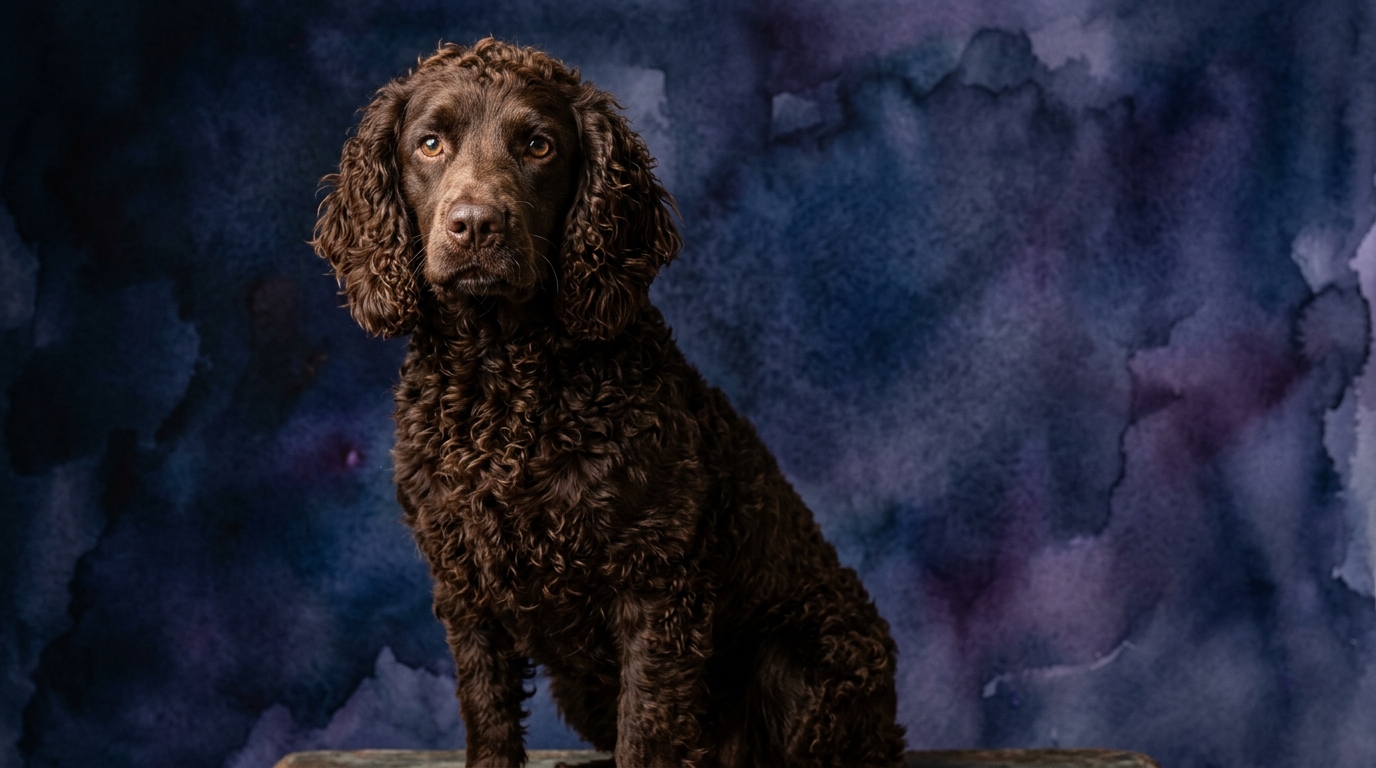
In contrast, the American Water Spaniel, a cheerful participant from the Sporting group, shares similar scores in several areas but excels notably in one: problem-solving 3/5, training speed 3/5, social intelligence 3/5, and instinctive drive 3/5. However, their memory stands out at a robust 4/5. This breed, Coren-ranked at #44, demonstrates a cognitive makeup optimized for cooperative work, particularly in retrieving and water activities. Their problem-solving is often applied to practical tasks within a hunting context, while their social intelligence supports strong bonds with handlers. The heightened memory score is a critical asset for a gundog, enabling them to recall multiple retrieve locations, complex commands, and learned routines effectively.
Where the Tibetan Mastiff Shines Cognitively
Despite sharing a 3/5 rating in problem-solving with the American Water Spaniel, the Tibetan Mastiff's application of this ability is distinctly different and highly effective within its specific context. Their problem-solving manifests as an acute capacity for independent threat assessment and strategic territory management. Rather than seeking human direction for every novel situation, a Tibetan Mastiff will often evaluate a potential intruder or unusual sound and formulate its own response, drawing on an inherent understanding of its boundaries and perceived dangers. This independent thought process, while sometimes perceived as stubbornness, is a cognitive strength for a breed whose historical role demanded self-sufficiency in protecting livestock and property in remote, isolated environments.
The Tibetan Mastiff's social intelligence, rated 3/5, while not outwardly effusive, is profoundly nuanced within its established family unit. They exhibit a keen ability to discern intentions and emotional states among their trusted humans, offering a quiet, watchful companionship. This translates to an astute understanding of household dynamics and a subtle protective instinct that doesn't always require overt commands. Their 3/5 instinctive drive is almost entirely channeled into vigilance and territorial defense, a deeply ingrained behavioral pattern that makes them exceptionally attuned to changes in their environment, from unfamiliar scents to distant sounds, which is a cognitive advantage for a guardian breed.
Where the American Water Spaniel Excels Cognitively
The American Water Spaniel's cognitive profile truly distinguishes itself through its superior memory, rated 4/5. This enhanced capacity allows them to retain intricate sequences of commands, recall the precise location of fallen game, and remember complex scent trails over varied terrain. For a sporting dog, this isn't just a convenience; it's a fundamental cognitive asset that directly impacts their effectiveness in the field, enabling them to perform multi-step tasks without constant reinforcement. This strong memory also supports a quicker retention of training, even if their 'training speed' is rated 3/5, as they are less likely to forget learned behaviors once established.
While their problem-solving also stands at 3/5, the American Water Spaniel applies this skill in cooperative, task-oriented ways. They excel at figuring out how to retrieve an object from a challenging location, navigate through dense cover, or locate a scent source, all while working in concert with a handler. Their instinctive drive, also 3/5, is strongly oriented towards their retrieving heritage, manifesting as an intense focus and enthusiasm for scent work and water activities. This directed drive, combined with their cooperative social intelligence (3/5), allows them to focus intensely on tasks and maintain motivation during prolonged periods of activity, a clear cognitive advantage for a working gundog.
Training Aptitude: Which Breed is Easier to Shape?
When it comes to ease of training, the American Water Spaniel generally presents a more straightforward experience for the average owner, primarily due to its combination of a 4/5 memory and its foundational role as a cooperative gundog. While both breeds share a 3/5 training speed, the American Water Spaniel's desire to please and its genetic predisposition for working alongside humans means it is typically more receptive to instruction. Their superior memory allows them to quickly internalize and recall commands, making the learning process more efficient and reinforcing positive behaviors consistently. They thrive on engagement and positive feedback, often eager to repeat tasks and learn new skills.
The Tibetan Mastiff, with a 3/5 training speed and a profoundly independent nature, often requires a different approach to training. Their guardian instincts mean they are bred to make their own decisions, not to blindly follow commands. While they are capable of learning, their compliance is often contingent on their perception of the command's value or necessity, rather than an inherent desire to please. This doesn't mean they are untrainable; rather, it necessitates immense patience, consistency, and a deep understanding of their unique psychology. Owners must establish clear leadership and build a relationship based on mutual respect, often finding that the Mastiff will perform tasks when they deem it appropriate, rather than on a whim. Behavioral differences are stark: the AWS will often look to its owner for direction, while the TM will first look to its own judgment.
Matching Breeds to Lifestyles: Active vs. Relaxed Owners
For active owners seeking a dynamic companion for outdoor adventures and cooperative activities, the American Water Spaniel is an excellent match. Their strong instinctive drive for retrieving, combined with their robust memory and cooperative social intelligence, makes them ideal partners for activities like hiking, swimming, dock diving, or canine sports such as agility and obedience. They thrive on mental stimulation and physical exercise, appreciating owners who can engage them in structured tasks and provide ample opportunities for their inherent gundog traits to flourish. An owner who enjoys training and wants a dog that eagerly participates will find the AWS a rewarding partner.
The Tibetan Mastiff is better suited for experienced, patient owners who appreciate a watchful, independent, and often reserved companion. Their cognitive strengths lie in observation, protection, and a quiet understanding of their territory and family. They do not require constant high-intensity physical activity, but rather consistent, moderate exercise and a secure, spacious environment to patrol. Owners should be prepared for a dog that makes its own decisions and will not always seek constant interaction or follow commands without question. This breed thrives with individuals who understand and respect their ancient guardian instincts, providing clear boundaries and a calm, confident leadership, rather than expecting a highly pliable, eager-to-please temperament.
The Verdict
Choose the Tibetan Mastiff if you are an experienced owner seeking a self-reliant, watchful guardian who values independent thought and a profound, quiet bond over constant, eager obedience.
Opt for the American Water Spaniel if you are an active individual who desires a cooperative, task-oriented companion for outdoor adventures and enjoys engaging in consistent training and shared activities.
🧠 Find Your Pet's IQ Score
Our Pet IQ Lab assessment covers 25+ tests across 5 cognitive dimensions — personalized to your breed.
Take the Full IQ Test →Frequently Asked Questions
Is the Tibetan Mastiff difficult to train?
The Tibetan Mastiff is not inherently difficult to train in terms of capacity, but their independent nature and preference for self-decision-making mean they require significant patience, consistency, and a deep understanding of their guardian instincts. They learn at a moderate pace and respond best to leadership built on respect, rather than forceful methods.
What kind of activities does an American Water Spaniel excel at?
The American Water Spaniel excels at activities that leverage its strong retrieving drive, superior memory, and cooperative nature, such as hunting, dock diving, swimming, obedience, and agility. They thrive on tasks that allow them to work alongside their owner, particularly those involving water and scent work.
How do their social intelligence scores (3/5 for both) differ in practice?
While both rate 3/5, the Tibetan Mastiff's social intelligence is often reserved for its immediate family, showing discernment but wariness towards strangers, focusing on protective assessment. The American Water Spaniel's 3/5 social intelligence is more broadly cooperative and outwardly friendly, eager to engage with its human pack and receptive to social cues during shared tasks.