Side-by-Side Cognitive Profiles
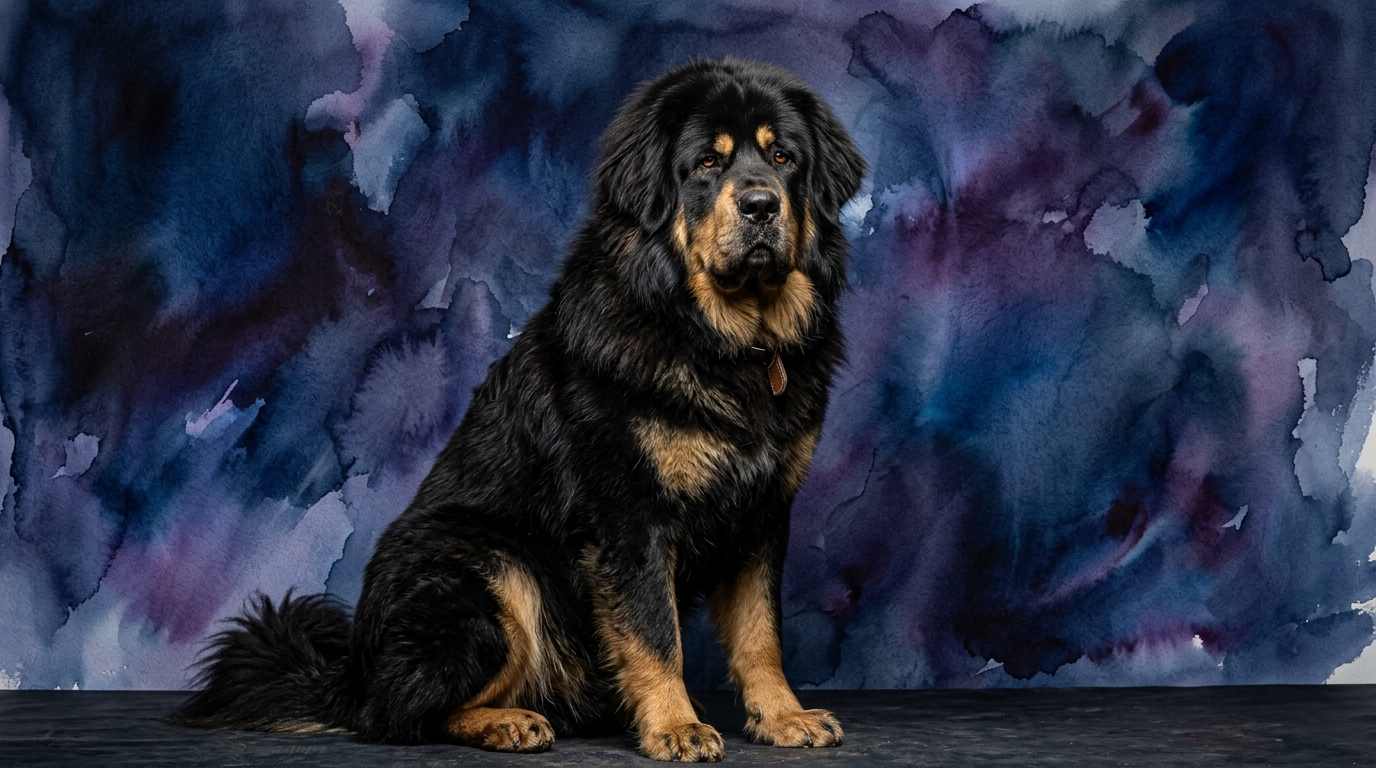
The Cosmic Pet Pet IQ Lab's framework allows us to dissect the specific cognitive strengths of each breed. For the Tibetan Mastiff, a dog from the Working Group with no Coren ranking, its profile shows a consistent 3/5 across all dimensions: Problem Solving, Training Speed, Social Intelligence, Instinctive Drive, and Memory. This uniform scoring paints a picture of a capable yet self-reliant thinker. Its Problem Solving often manifests as independent decision-making in its traditional role of guarding livestock and property, rather than seeking human direction for solutions. Training Speed indicates a dog that learns, but typically on its own terms and at a measured pace, requiring patience and a strong, fair leader. Social Intelligence speaks to a discerning nature; while deeply loyal to its family, it remains reserved and watchful around strangers, evaluating situations carefully. Instinctive Drive is primarily rooted in its territorial and protective instincts, a foundational aspect of its being. Finally, Memory is solid, allowing it to retain routines, commands, and understanding of its environment and the individuals within it.
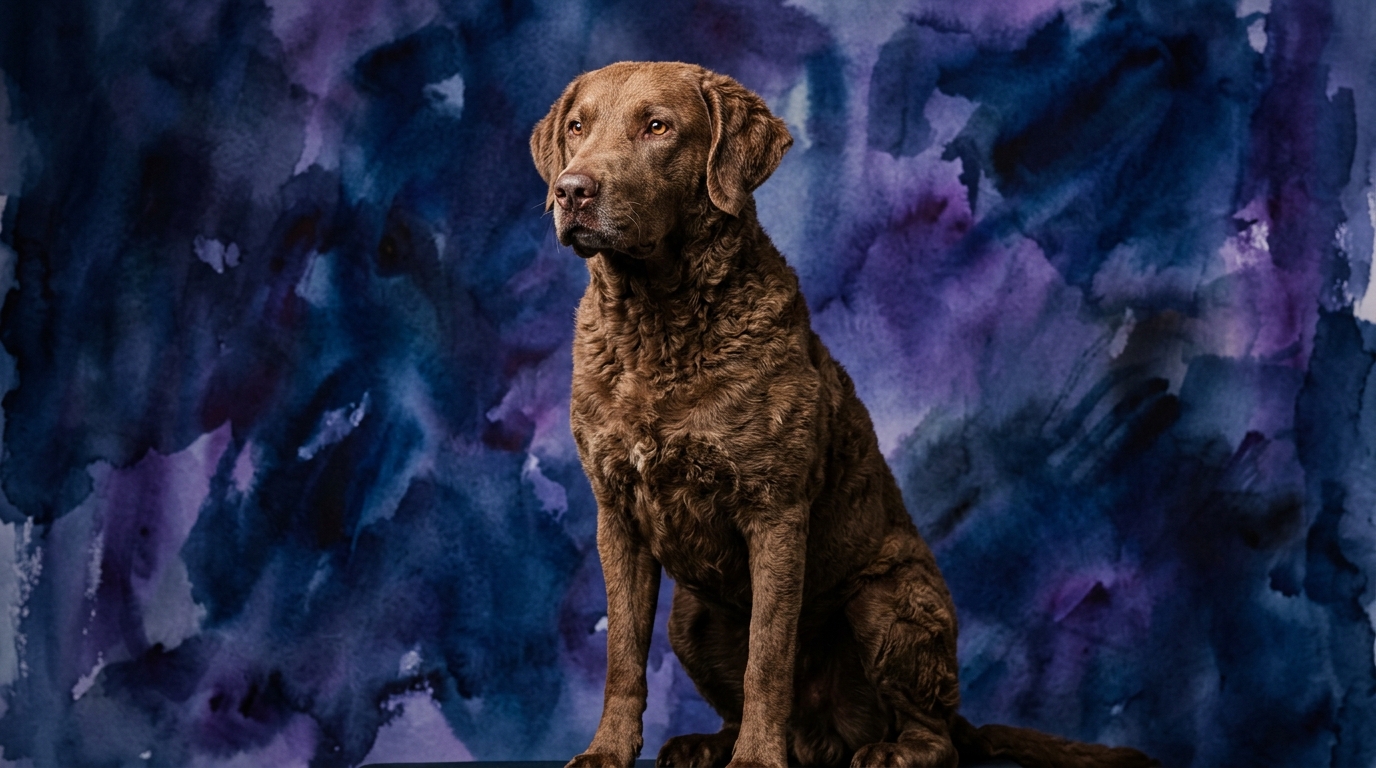
In contrast, the Chesapeake Bay Retriever, a Sporting Group dog ranked #27 by Coren, presents a profile geared towards active partnership and task execution. Its Problem Solving at 4/5 demonstrates a resourceful mind, adept at navigating complex scenarios to achieve a goal, such as finding a downed bird in challenging terrain. Training Speed, also 4/5, highlights an eagerness and capacity to absorb and execute commands efficiently, making it a responsive partner in various activities. Social Intelligence at 3/5 mirrors the Tibetan Mastiff in its discerning approach to new acquaintances, yet it generally possesses a strong desire to engage with its family and handler. Instinctive Drive, rated 3/5, is powerfully channeled into retrieving, driven by a desire to work and bring objects back to its human. Its Memory, a standout trait at 4/5, enables it to recall a vast repertoire of cues, remember the location of retrieves, and learn complex sequences with impressive retention.
Where the Tibetan Mastiff Excels Cognitively
The Tibetan Mastiff's cognitive strengths are profoundly rooted in its independence and highly developed situational awareness, honed over centuries as an autonomous guardian. While its Problem Solving is rated 3/5, this score reflects a capacity for self-directed solutions, particularly in assessing threats and making protective decisions without constant human oversight. For instance, a Tibetan Mastiff might independently determine the best vantage point to observe its territory or decide when to intervene in a perceived intrusion, relying on its internal judgment rather than waiting for a command. Its Social Intelligence, also 3/5, is geared towards discerning intentions; it excels at reading subtle cues in unfamiliar individuals and environments, quickly categorizing them as benign or potential threats. This isn't about broad sociability but a highly specific, effective form of social cognition essential for its sentinel role. The breed's consistent 3/5 across the board points to a balanced, self-contained intellect, prioritizing vigilance and self-reliance over eager compliance, making it unparalleled in its specific niche of independent guardianship.
Where the Chesapeake Bay Retriever Leads Cognitively
The Chesapeake Bay Retriever's cognitive advantages are evident in its capacity for rapid learning, precise task execution, and robust memory, traits that make it a superb working partner. Its Problem Solving at 4/5 means it not only understands commands but can adapt strategies to overcome obstacles in pursuit of a goal. For example, a Chessie might figure out a novel way to retrieve an object stuck under a bush, demonstrating flexible thinking rather than rigid adherence to a learned path. The 4/5 score in Training Speed is a clear indicator of its eagerness to engage and absorb new information quickly, translating into faster acquisition of complex commands and sequences. This breed thrives on learning and applying its intellect to perform jobs. Furthermore, its Memory, also 4/5, allows it to retain a vast array of learned behaviors, cues, and environmental details, making it incredibly consistent in its performance over time. This superior recall is invaluable for field work, where remembering specific locations and previous instructions can be critical. The Chessie's cognitive profile is optimized for active collaboration, making it exceptionally proficient in human-directed tasks.
Trainability: A Tale of Two Approaches
Without question, the Chesapeake Bay Retriever is generally easier to train, primarily due to its higher Training Speed score of 4/5 and its innate drive to work alongside its human companion. Chessies possess an inherent desire to please and a strong focus on their handler, which translates into an eagerness to learn and respond to cues. Their robust retrieving drive means they find engagement in repetitive tasks, making drills and practice sessions enjoyable and productive. They typically seek direction and validation, thriving on consistent positive reinforcement. This behavioral predisposition makes them highly receptive to traditional obedience training, agility, and specialized field work, where precision and quick responses are paramount.
The Tibetan Mastiff, with a Training Speed of 3/5, presents a more significant training challenge. Their independent nature and strong-willed disposition mean they often perceive commands as suggestions rather than absolute directives. A Tibetan Mastiff's primary motivation is not necessarily to please its owner in the same way a Chessie's might be; instead, it prioritizes its own assessment of a situation and its inherent guarding instincts. Training requires immense patience, consistency, and a deep understanding of canine psychology. Owners must build a relationship based on mutual respect and trust, often employing methods that appeal to the Mastiff's intelligence and desire for consistency rather than brute force or endless repetition. They may question the purpose of a command, and if they don't see a valid reason, they might simply choose not to comply. This makes them less suitable for novice owners or those seeking a dog that will blindly obey every instruction.
Lifestyle Match: Demanding Tasks vs. Vigilant Guardianship
For owners who lead an active lifestyle and desire a canine partner for demanding, structured activities, the Chesapeake Bay Retriever is an ideal match. Their robust physical and mental energy demands consistent outlets like long hikes, swimming, retrieving games, and participation in dog sports such as agility or obedience trials. An owner who enjoys spending several hours daily engaging their dog in physical exertion and mental challenges will find the Chessie to be an enthusiastic and tireless companion. Their drive to work and learn means they thrive when given a 'job,' and a lack of appropriate stimulation can lead to boredom and undesirable behaviors.
The Tibetan Mastiff, while not a "relaxed" dog in terms of responsibility, suits owners who appreciate a more independent and watchful presence, and who can provide consistent, firm, but fair leadership. While they do require regular exercise, their needs are often more geared towards patrolling a secure yard or enjoying moderate walks rather than intense, prolonged physical exertion. They are not typically dogs that will enthusiastically participate in demanding, structured sports. Instead, their owner must be prepared for the mental demands of managing a powerful, discerning guardian breed, including extensive socialization from a young age and ongoing boundary setting. They are better suited for owners who prioritize a vigilant companion and are comfortable with a dog that values its own counsel, rather than one seeking constant, active engagement in human-directed tasks.
The Verdict
Opt for the Tibetan Mastiff if you are an experienced owner seeking a discerning, independent guardian who will vigilantly protect your home and family, appreciating a dog that thinks for itself.
Select the Chesapeake Bay Retriever if you desire an eager, trainable, and robust partner for outdoor adventures, dog sports, and derive satisfaction from a strong bond built through shared, active engagement.
🧠 Find Your Pet's IQ Score
Our Pet IQ Lab assessment covers 25+ tests across 5 cognitive dimensions — personalized to your breed.
Take the Full IQ Test →Frequently Asked Questions
Does the Tibetan Mastiff's lower Coren ranking mean it's less intelligent overall?
The Tibetan Mastiff is not Coren-ranked, meaning it wasn't included in that specific study; it doesn't imply lower overall intelligence, but rather a different kind of working intelligence focused on independence and guardianship, which the Coren test isn't designed to measure.
Are Chesapeake Bay Retrievers good family dogs despite their strong drive?
Yes, Chesapeake Bay Retrievers can be excellent family dogs when properly socialized and given sufficient mental and physical outlets; their strong drive often translates into loyalty and an eagerness to engage in family activities.
How much exercise does a Tibetan Mastiff truly need?
While Tibetan Mastiffs are large, their exercise needs are moderate; they benefit from daily walks and a secure yard to patrol, but they are not typically high-energy dogs requiring intense, prolonged athletic endeavors.