Decoding Identical Scores: Tibetan Mastiff vs. Chow Chow IQ Profile
The Cosmic Pet Pet IQ Lab assigns both the Tibetan Mastiff and the Chow Chow identical scores across five key cognitive dimensions: Problem Solving (3/5), Training Speed (3/5), Social Intelligence (3/5), Instinctive Drive (3/5), and Memory (3/5). These scores suggest a moderate capacity in each area, indicating neither extreme difficulty nor exceptional ease in these facets of canine cognition. However, these numerical equivalencies often mask the unique ways each breed’s inherent nature shapes the manifestation of these traits in daily life.
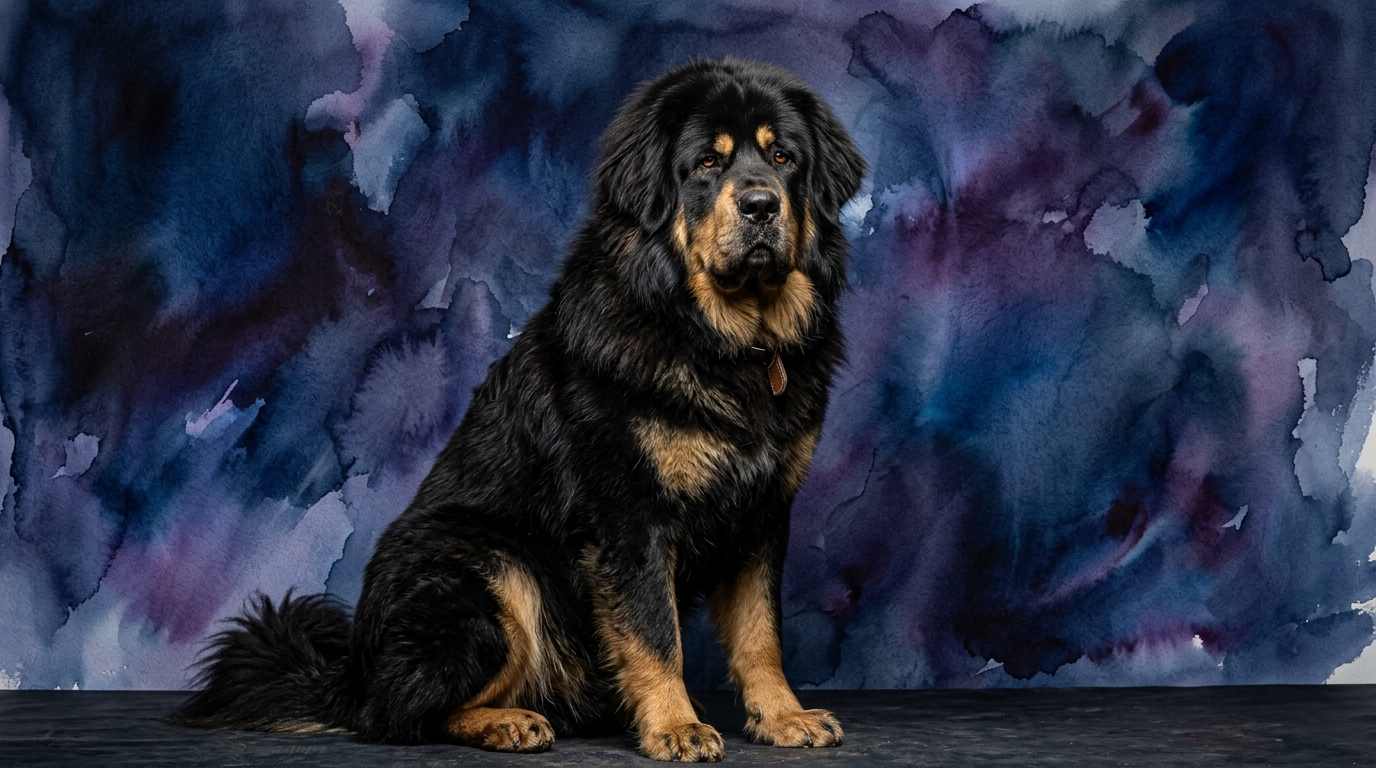
For the Tibetan Mastiff, a 3/5 in problem-solving often translates to independent decision-making rooted in its ancient role as a nomadic guardian. Their training speed of 3/5 reflects a capacity to learn, but often on their own terms, requiring motivation over rote repetition. Their social intelligence, also 3/5, means they can discern friend from foe within their family, though they remain wary of outsiders. An instinctive drive of 3/5 highlights their profound territorial and protective instincts, while their memory of 3/5 ensures they recall lessons, boundaries, and individuals with enduring clarity.
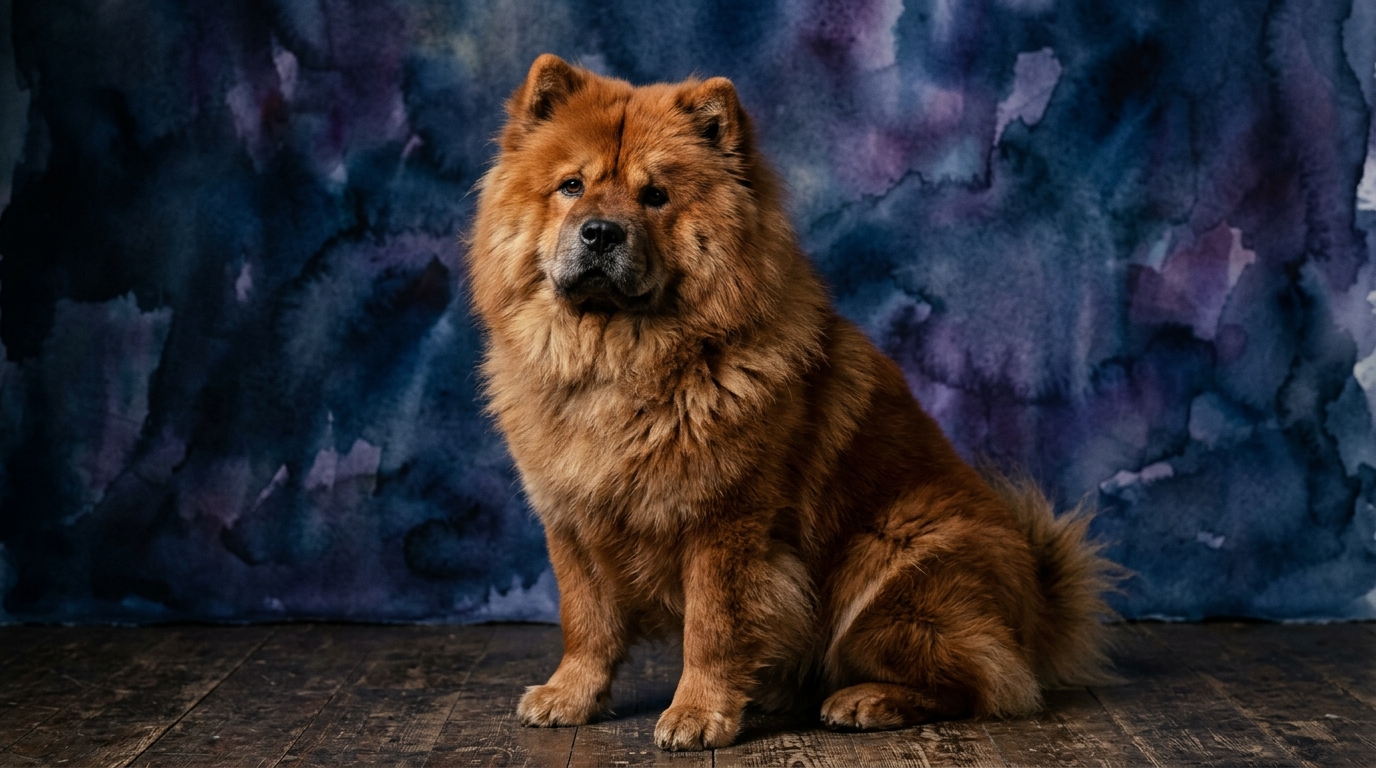
The Chow Chow's identical 3/5 in problem-solving often manifests as cunning independence, finding their own solutions to achieve desired outcomes, sometimes bypassing direct commands. Their 3/5 training speed indicates they *can* learn, but their strong-willed nature means they are often selective about what they choose to obey, making training a test of patience. A social intelligence score of 3/5 for the Chow Chow signifies a deep bond with their chosen few, combined with characteristic aloofness towards strangers, often appearing indifferent. Their instinctive drive of 3/5 centers on guarding their family and territory with quiet, watchful intensity, and their memory, also 3/5, allows them to retain knowledge of people and routines, contributing to their predictable, yet independent, demeanor.
Tibetan Mastiff's Cognitive Edge: Strategic Guardianship
Despite their matching IQ scores, the Tibetan Mastiff subtly edges out the Chow Chow in cognitive areas related to strategic, independent guardianship and environmental awareness. Their 3/5 problem-solving, while numerically identical, is often applied to complex, dynamic situations requiring on-the-spot assessment of threats within a large territory. This manifests as a nuanced ability to differentiate between a casual passerby and a genuine intruder, or to devise strategies for protecting livestock, demonstrating a proactive mental engagement with their surroundings.
The Tibetan Mastiff's instinctive drive, also rated 3/5, is deeply intertwined with a sophisticated understanding of their environment, enabling them to process vast amounts of sensory information and make autonomous decisions without constant human direction. This isn't just about reacting to a threat, but often about anticipating it, surveying their domain with a thoughtful, almost contemplative vigilance. Their social intelligence, cautious with strangers, allows them to manage complex relationships within their perceived "flock" – be it human or animal – demonstrating a capacity for leadership and protection that demands a particular cognitive skill set for discerning loyalty and intent.
Chow Chow's Cognitive Strengths: Independent Acumen
The Chow Chow, with its identical 3/5 scores, demonstrates a distinct cognitive strength in areas emphasizing self-sufficiency and an almost cat-like independence of thought. Their 3/5 problem-solving often leans towards efficiency in achieving personal comfort or desires, rather than external tasks. This might involve cleverly manipulating situations to gain attention or a preferred spot, showcasing a subtle, internal logic that prioritizes their own agenda. Their memory score of 3/5 is particularly formidable for retaining personal preferences, routines, and the exact boundaries of their personal space.
The Chow Chow's social intelligence, while appearing aloof, exhibits a refined ability to filter interactions, reserving true affections for a select few. This discerning nature requires a cognitive process of evaluating individuals and determining trustworthiness. Their training speed of 3/5, while indicating learning capacity, is often tempered by a strong self-will, meaning they excel at *self-directed* learning and maintaining boundaries, rather than eagerly performing tricks. This independence is a cognitive strength, allowing them to thrive with less overt direction than many other breeds.
Training Dynamics: Navigating Independence
When considering ease of training, the numerical equivalence of 3/5 for "training speed" for both breeds belies significant practical differences rooted in their behavioral profiles. The Tibetan Mastiff, despite its independence, often responds well to training methods that respect its intelligence and inherent guardian role. Training is most effective when presented as a partnership, appealing to their desire to protect and cooperate within their family unit. They require clear, consistent communication and positive reinforcement, and while they may not offer lightning-fast obedience, they will commit to commands they understand and deem purposeful. Their problem-solving mindset means they may question commands, but once convinced, they are steadfast.
The Chow Chow, conversely, presents a greater challenge for many trainers due to its profound independence and often stubborn nature. Their 3/5 training speed indicates they *can* learn, but their strong will means they are less inclined to perform simply to please. Training a Chow Chow demands exceptional patience, unwavering consistency, and a deep understanding of their unique motivations. They rarely tolerate harsh methods and will simply shut down. Success comes from making training fun, short, and rewarding, focusing on building a relationship based on mutual respect. Their social intelligence, while bonding deeply with a few, means they are often less interested in external validation during training.
Lifestyle Match: Active Engagement vs. Calm Companionship
The choice between a Tibetan Mastiff and a Chow Chow also hinges significantly on an owner's lifestyle, even with their comparable cognitive scores. An "active" owner for a Tibetan Mastiff isn't necessarily one seeking a jogging partner, but rather an individual prepared to provide substantial mental and physical engagement tailored to a large, thoughtful guardian. These dogs thrive with owners who understand their need for a "job," whether it's patrolling a large yard, participating in scent work, or engaging in long, exploratory walks that stimulate their keen senses and problem-solving abilities. Their instinctive drive requires outlets, meaning owners must be prepared to manage and channel their protective tendencies through consistent training and socialization.
The Chow Chow, on the other hand, often suits a more "relaxed" owner, though this doesn't mean neglecting their needs. While they are not high-energy dogs, they still require regular, moderate exercise to maintain health and mental well-being. A relaxed owner for a Chow Chow is someone who appreciates a dignified, independent companion and respects their inherent aloofness. They thrive in calm environments where their boundaries are respected, and they can observe their surroundings with quiet vigilance. Their strong memory and consistent nature mean they appreciate routine, and an owner who provides this, coupled with gentle affection and minimal fuss, will find a loyal, if reserved, friend.
The Verdict
Choose a Tibetan Mastiff if you seek a formidable, thoughtful guardian who will be a deeply loyal family member, and you are prepared for a dog that thinks independently, requiring consistent, respectful training and ample space to fulfill its protective instincts.
Opt for a Chow Chow if you desire a dignified, self-possessed companion with a strong, independent spirit, and you are ready to invest in patient, positive training methods that respect their unique will and appreciate a more reserved, yet profoundly loyal, bond.
🧠 Find Your Pet's IQ Score
Our Pet IQ Lab assessment covers 25+ tests across 5 cognitive dimensions — personalized to your breed.
Take the Full IQ Test →Frequently Asked Questions
Are Tibetan Mastiffs and Chow Chows difficult to train?
Both breeds are rated 3/5 for training speed, indicating they are not the easiest nor the most challenging to train. Their independence means they learn best with consistent, positive reinforcement and an understanding of their unique motivations, rather than rote obedience.
How do their social intelligence scores of 3/5 differ in practice?
For Tibetan Mastiffs, 3/5 social intelligence often means discerning loyalty within their family and wariness of strangers for protective reasons. For Chow Chows, it translates to deep bonds with a select few, coupled with a characteristic aloofness towards outsiders, reflecting a discerning and independent social nature.
Do these breeds require a lot of exercise?
Tibetan Mastiffs require substantial mental and physical engagement, often involving patrolling and exploratory walks, suitable for owners who can provide purpose. Chow Chows are less physically demanding but still need regular, moderate exercise to stay healthy and content, fitting owners who appreciate a calmer companion.