Side-by-Side IQ Profile: Interpreting Identical Scores
At first glance, the Cosmic Pet Pet IQ Lab data presents both the Tibetan Mastiff and the Harrier with identical scores across five key cognitive dimensions: Problem Solving (3/5), Training Speed (3/5), Social Intelligence (3/5), Instinctive Drive (3/5), and Memory (3/5). This numerical parity doesn't suggest an identical mind, but rather that each breed exhibits a moderate, functional level of these traits, applied uniquely within their historical roles and inherent temperaments. Understanding these nuances requires looking beyond the numbers to their practical application in each dog's world.
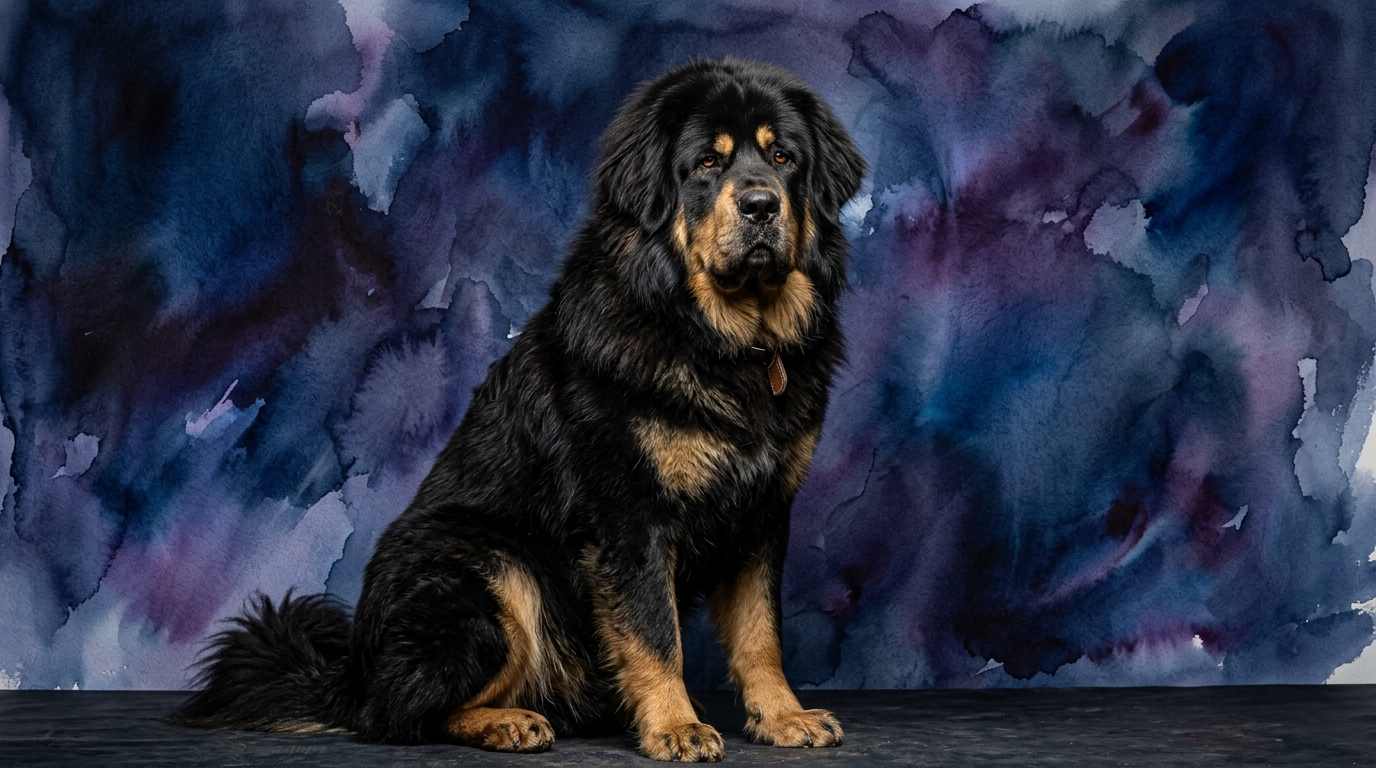
For the Tibetan Mastiff, a Problem Solving score of 3/5 signifies a capacity to independently assess and react to environmental challenges, particularly those related to guarding property or livestock. This isn't about complex puzzles, but rather making sound judgments in security scenarios, like discerning a true threat from a harmless passerby or finding the most effective vantage point for observation. Their Training Speed at 3/5 reflects an ability to learn commands, yet often with an independent streak that prioritizes their own assessment of a situation over rote obedience, requiring patient and consistent guidance. Their Social Intelligence at 3/5 means they are perceptive to their family's dynamics and intentions, forming deep bonds, but are typically reserved and discerning with strangers, understanding social cues within their established pack. An Instinctive Drive of 3/5 points to a strong, inherent guarding and territorial nature, driving their protective behaviors without being overly reactive or aggressive unless provoked. Finally, their Memory at 3/5 allows them to retain knowledge of their territory, recognize familiar faces and potential threats, and recall routines, contributing to their reliable guardianship.
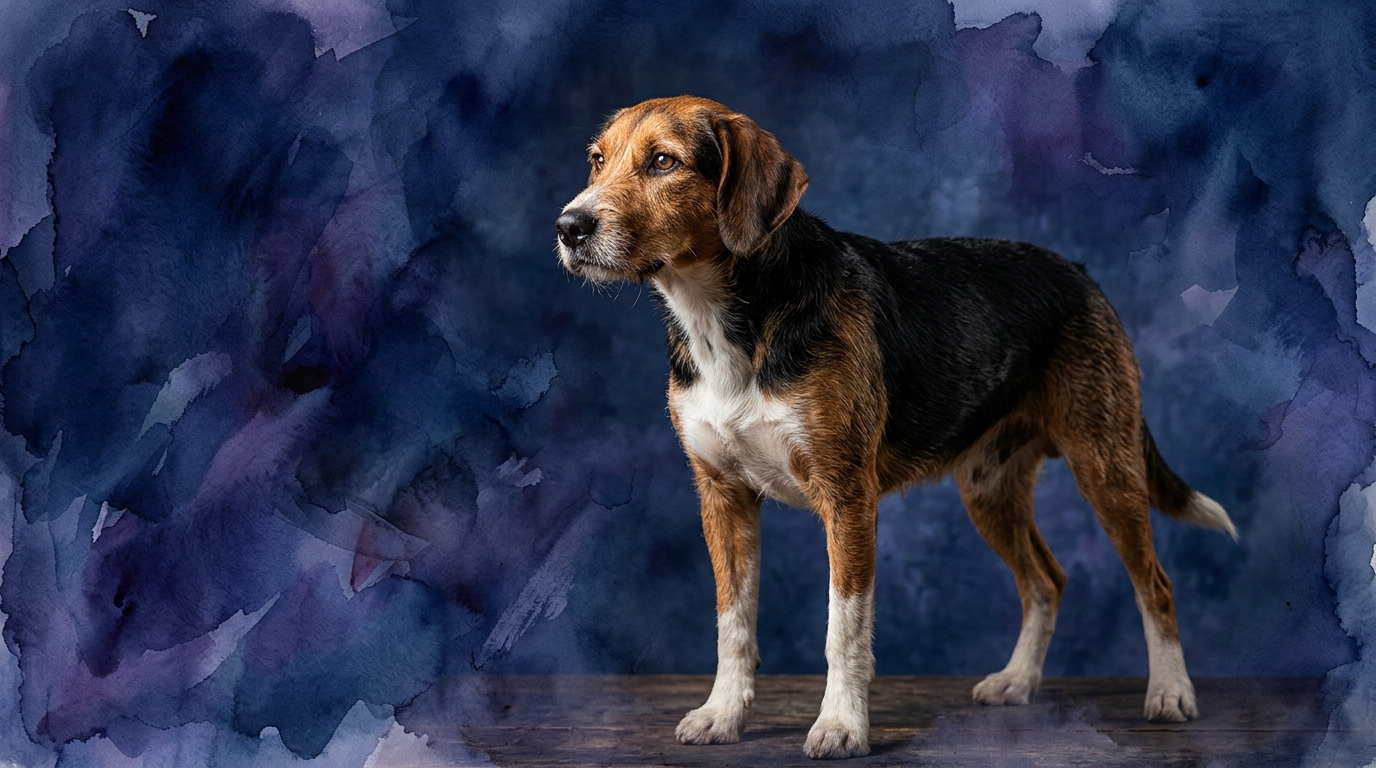
The Harrier's 3/5 for Problem Solving manifests differently, focusing on navigating complex scent trails and terrain during a hunt. This involves making rapid decisions about direction, scent intensity, and obstacles, often in collaboration with a pack. Their Training Speed, also 3/5, indicates they can learn commands effectively, but their strong scent drive means they can be easily distracted by environmental stimuli, demanding focused, engaging training methods to maintain attention. A Social Intelligence score of 3/5 for the Harrier reflects their historical role as a pack hound; they excel at cooperative work, understanding the subtle cues of their handler and fellow dogs, and are generally amiable and outgoing with familiar individuals. Their Instinctive Drive at 3/5 is strongly geared towards scenting, chasing, and the persistent pursuit of game, a fundamental aspect of their being that can be challenging to redirect. Their Memory score of 3/5 enables them to recall scent patterns, learned hunting strategies, and the layout of familiar hunting grounds, crucial for their working performance.
Where the Tibetan Mastiff Excels Cognitively
The Tibetan Mastiff's cognitive strengths lie in their independent decision-making and situational awareness, particularly concerning protection. While their Problem Solving is rated 3/5, this manifests as a sophisticated ability to evaluate potential threats to their perceived territory or family without constant human intervention. They excel at processing environmental data, such as unusual sounds or movements, and formulating an appropriate, often nuanced, response. This isn't about speed, but rather a deliberate, intelligent assessment. Their social intelligence, also 3/5, is geared towards a profound understanding of their immediate human family, allowing them to anticipate needs or moods and respond with unwavering loyalty and subtle reassurance, rather than overt displays.
Their memory, at 3/5, is particularly robust for recalling specific individuals or events that have previously posed a threat or challenge, making them exceptionally consistent in their protective duties. A dog that remembers every perceived intrusion or stranger's past behavior is a formidable guardian. This breed's instinctive drive, at 3/5, fuels a calm, watchful vigilance that can escalate to powerful, decisive action when necessary, demonstrating a cognitive process that prioritizes observation and calculated response over impulsive reaction.
Where the Harrier Shines Cognitively
The Harrier's cognitive prowess is most evident in their specialized sensory processing and cooperative intelligence, perfectly tailored for their role as a scent hound. Their Problem Solving, rated 3/5, is highly refined for navigating and interpreting complex olfactory landscapes. They demonstrate an impressive ability to isolate and follow a specific scent trail amidst a multitude of competing odors, requiring a precise cognitive filter and sustained focus. This isn't about guarding, but about methodical, persistent pursuit.
Their social intelligence, also 3/5, is geared towards effective pack dynamics and handler communication in a high-stimulus environment. Harriers exhibit a natural aptitude for coordinating with other dogs and responding to subtle directional cues from their human companions during a hunt, showcasing a different facet of social awareness than the Mastiff's family-centric loyalty. Their memory, at 3/5, is particularly adept at recalling the intricacies of scent patterns and terrain features, allowing them to pick up a cold trail or navigate a familiar hunting ground with efficiency. The Harrier's instinctive drive, also 3/5, is a powerful engine of focused determination, enabling them to sustain effort and concentration on a single task—following a scent—for extended periods, a testament to their specialized cognitive endurance.
Training Dynamics: Tibetan Mastiff vs. Harrier
Despite both breeds scoring 3/5 in Training Speed, the practical experience of training a Tibetan Mastiff versus a Harrier differs significantly due to their underlying motivations and historical roles. The Tibetan Mastiff's independent nature, rooted in centuries of solitary guardianship, means they often weigh commands against their own judgment. They are capable of learning, but their adherence can depend on whether they perceive the command as logical or beneficial. This requires a trainer who understands canine psychology, offering consistent, firm, and fair leadership, using positive reinforcement to build trust rather than relying on rote obedience. Their problem-solving skills might lead them to find loopholes if training isn't consistent, making early socialization and clear boundaries crucial.
The Harrier, while also scoring 3/5 in Training Speed, presents a different set of challenges. Their powerful scent drive is a constant, compelling distraction. They learn quickly, but their attention can be hijacked by an interesting smell, making off-leash reliability particularly difficult without extensive, dedicated training in highly controlled environments. Training a Harrier often involves harnessing their natural drive, perhaps through scent work or agility, to make learning enjoyable and engaging. Unlike the Mastiff's independent assessment, the Harrier's 'disobedience' often stems from an overwhelming sensory input, requiring a trainer to be more engaging and to compete effectively with the environment for the dog's focus. Both breeds benefit from early, consistent training, but the approach must be tailored to their distinct cognitive filters and inherent drives.
Lifestyle Match: Active vs. Relaxed Owners
The distinct cognitive profiles and associated behaviors of the Tibetan Mastiff and Harrier lead them to suit very different owner lifestyles. The Tibetan Mastiff, despite its imposing size, is often described as a relatively relaxed dog indoors, provided it receives adequate mental stimulation and moderate exercise. Their 3/5 instinctive drive for guarding means they are naturally vigilant, but not necessarily high-energy in a playful sense. They suit owners who appreciate a quiet, watchful companion, have a secure property, and are prepared for a dog that thrives on routine and clear leadership. Their independent problem-solving means they can be content observing their domain, but they need an owner who understands their discernment and respects their space, rather than expecting constant interaction or boisterous play. This breed is better suited for owners who might be considered more 'relaxed' in terms of daily activity, but 'active' in terms of consistent leadership and mental engagement.
The Harrier, conversely, is a breed for genuinely active owners. Their 3/5 instinctive drive, focused on scenting and pursuit, translates into a need for substantial daily exercise and mental engagement. They are not content with short walks; they require vigorous activity that allows them to use their keen senses, such as long runs, hiking, or participation in dog sports like agility or scent work. Their social intelligence and pack mentality mean they thrive on interaction and can become restless or destructive if under-exercised and left alone too often. An owner who enjoys outdoor adventures and can provide consistent, engaging activities that tap into the Harrier's natural drives will find this breed a joyful, energetic companion. They are less suited for a truly 'relaxed' owner who cannot meet their significant exercise demands.
The Verdict
Choose the Tibetan Mastiff if you seek a discerning, independent guardian, valuing a deep, protective bond and are prepared for a dog that thinks for itself within a stable, consistent home environment.
Opt for the Harrier if you are an active individual or family seeking an energetic, cooperative companion for outdoor adventures, and can provide ample opportunities for them to engage their powerful scenting instincts.
🧠 Find Your Pet's IQ Score
Our Pet IQ Lab assessment covers 25+ tests across 5 cognitive dimensions — personalized to your breed.
Take the Full IQ Test →Frequently Asked Questions
Do Tibetan Mastiffs and Harriers have similar learning capabilities?
While both breeds score 3/5 in Training Speed, their learning styles and motivators differ. Tibetan Mastiffs learn best with consistent, trust-based leadership that respects their independence, while Harriers benefit from engaging, scent-driven activities that compete with environmental distractions for their attention.
Which breed is better with strangers, considering their social intelligence?
The Harrier, with its pack-oriented social intelligence, is generally more outgoing and amiable with strangers once properly introduced, reflecting its cooperative nature. The Tibetan Mastiff, though scoring similarly, is typically more reserved and discerning, exhibiting a protective social intelligence that makes them wary of unfamiliar individuals.
How do their problem-solving skills manifest differently in daily life?
A Tibetan Mastiff's 3/5 problem-solving often appears in their independent assessment of home security or family dynamics, making judgments about threats. A Harrier's 3/5 problem-solving is typically seen in their methodical pursuit of scent trails, navigating complex environments to achieve a goal during active engagement.