Side-by-Side IQ Profile
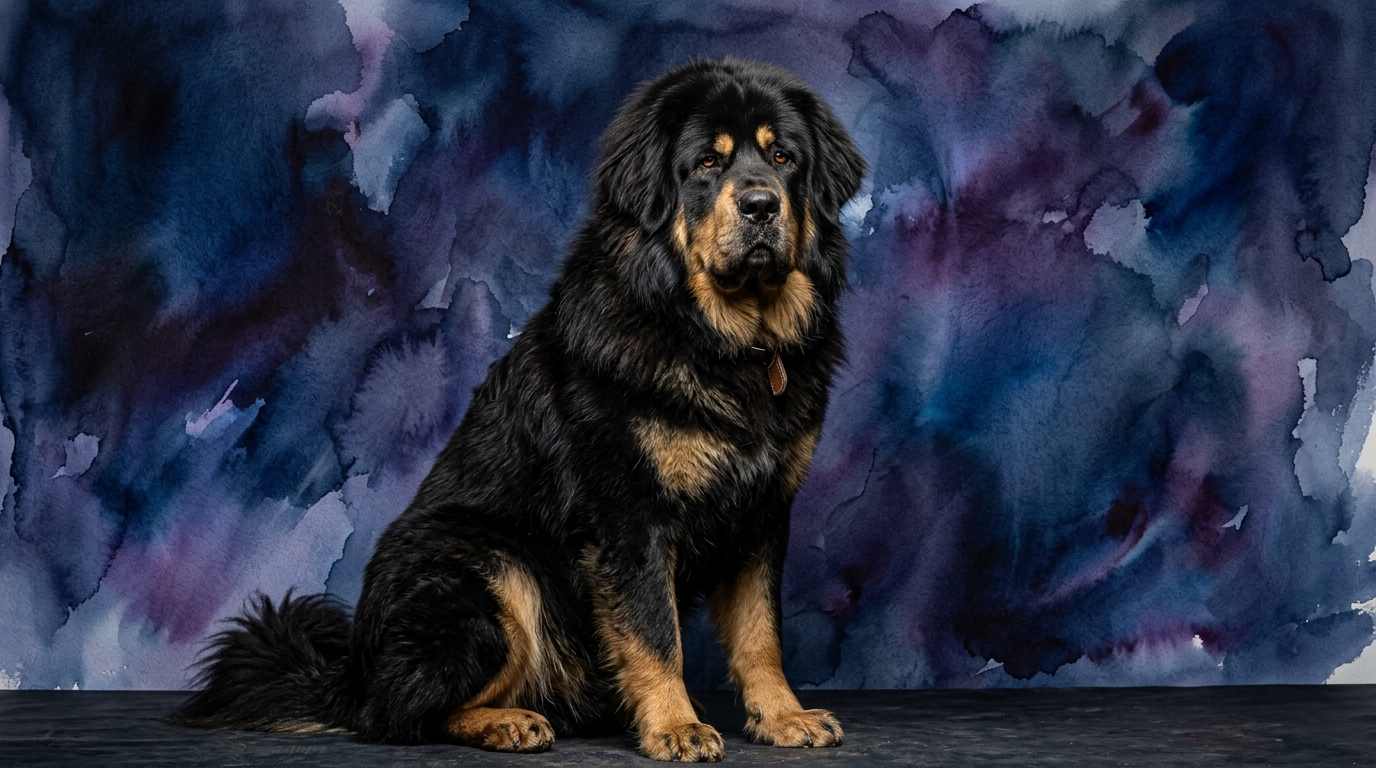
The Tibetan Mastiff (Working Group) approaches problem-solving (3/5) with a deliberate, often independent, mindset. Their ancestral role as guardians of livestock and homes in harsh environments honed their ability to assess threats and determine appropriate responses autonomously, rather than waiting for direct instruction. This score reflects a capacity for measured, self-directed solutions, particularly in guarding scenarios. Training a Tibetan Mastiff typically requires patience and consistency, earning them a 3/5 in training speed. While they are capable of understanding commands, their strong independent streak means they often weigh the perceived value of compliance against their own judgment or desires. This 3/5 indicates they learn at a moderate pace, but their willingness to perform is highly contingent on trust, respect, and a clear understanding of the "why." Their social intelligence (3/5) is profound within their established family unit, exhibiting deep loyalty and protective instincts. They are adept at reading their family’s emotional cues and identifying potential threats from strangers. However, this social acumen often translates to aloofness or suspicion towards outsiders, reflecting their guardian nature rather than a broad desire for universal social interaction. The Mastiff’s instinctive drive (3/5) is primarily centered on guardianship and territorial protection. They possess a strong, innate impulse to survey their domain, alert to anomalies, and act as a deterrent. This 3/5 score signifies a potent, unwavering drive rooted in their ancient purpose, which can manifest as a powerful sense of responsibility for their family and property. Their memory (3/5) is robust, particularly for individuals, routines, and perceived threats or safe zones. A Tibetan Mastiff remembers past interactions, both positive and negative, and can recall specific locations or commands learned over time. This 3/5 suggests a reliable capacity to retain information relevant to their social structure and environmental awareness.
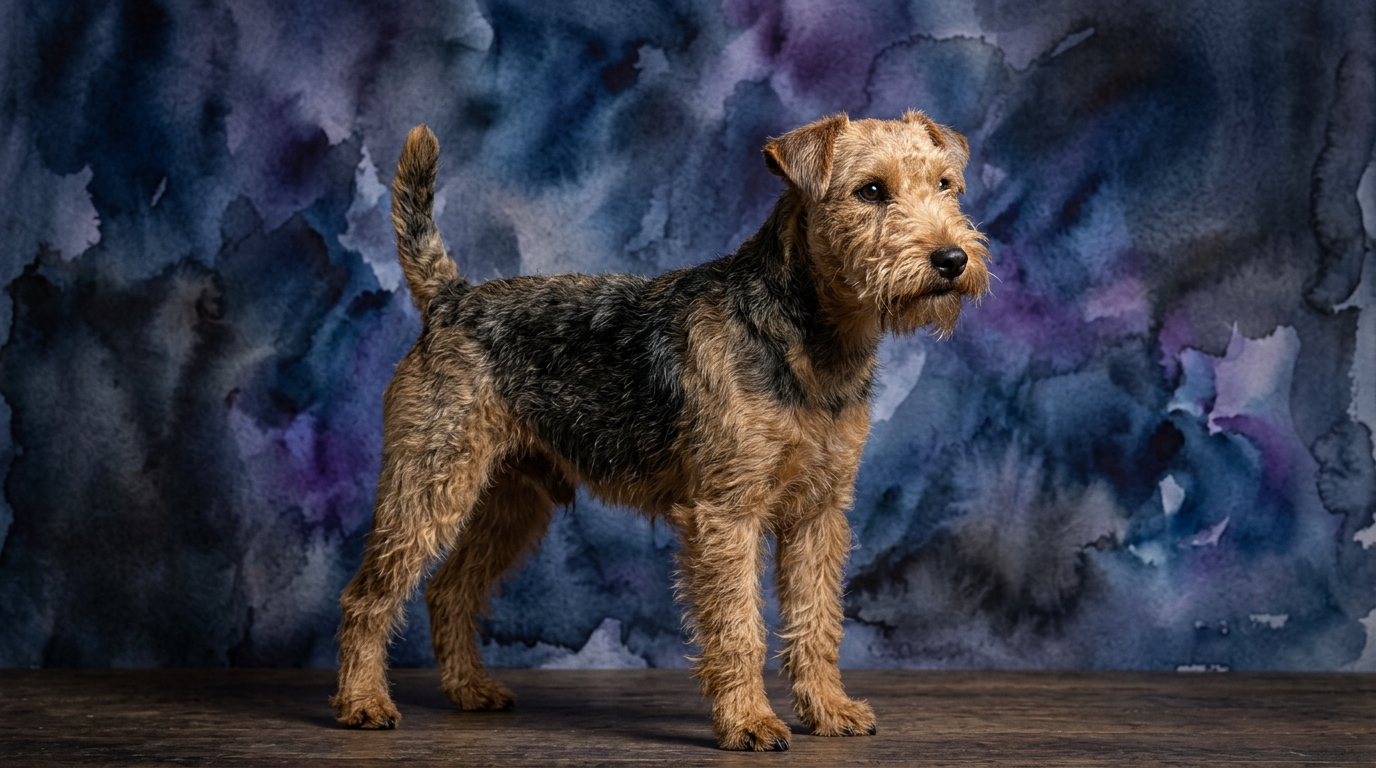
The Lakeland Terrier (Terrier Group) demonstrates problem-solving (3/5) through a quick, tenacious approach, often driven by their instinct to pursue and root out quarry. They are adept at figuring out how to navigate obstacles, explore confined spaces, or outwit small prey. This 3/5 indicates a practical, agile mind focused on immediate, often physical, solutions to challenges. Training a Lakeland Terrier can be a lively experience, reflecting their 3/5 in training speed. They grasp concepts and commands at a moderate pace, but their characteristic terrier tenacity and independent spirit mean they often require engaging, varied methods to maintain focus. This 3/5 reflects their ability to learn but also their propensity for independent thought and occasional stubbornness, making consistent, positive reinforcement essential. Lakeland Terriers exhibit a spirited and engaging social intelligence (3/5), particularly within their immediate human and canine family. They are expressive, curious about their surroundings, and capable of forming strong bonds. While generally friendly, their terrier nature means they can be assertive with other dogs and quick to react to perceived challenges, showcasing a lively, self-assured social demeanor. Their instinctive drive (3/5) is deeply rooted in their heritage as working terriers, characterized by a strong prey drive, a desire to dig, and a tenacious spirit. This 3/5 signifies a powerful, inherent motivation to explore, hunt, and engage with their environment, often leading them to follow their nose or curiosity with unwavering determination. Lakeland Terriers possess a good memory (3/5) for commands, routines, and experiences, especially those that are stimulating or rewarding. They can recall the location of favored toys, the sequence of daily events, and learned behaviors. This 3/5 indicates a reliable memory that supports their active, inquisitive nature and helps them navigate their world efficiently.
Where Tibetan Mastiff Wins Cognitively
Despite identical numerical scores, the Tibetan Mastiff's cognitive strengths often manifest in areas requiring sustained, independent judgment and a broad understanding of their territory. Their problem-solving (3/5) excels in complex, slow-burn scenarios, such as assessing the intent of a distant stranger or determining the safest path for their flock across varied terrain. This isn't about quick, reactive solutions, but rather a deliberate, considered process rooted in their ancient guardian role. Their social intelligence (3/5) also shines in the nuanced recognition of long-term loyalty and hierarchical relationships within their core family unit, allowing for a deep, protective bond that extends beyond simple obedience, encompassing a profound understanding of their human's emotional state and security needs. This involves processing subtle cues over time to build a robust, protective framework around their loved ones.
Where Lakeland Terrier Wins Cognitively
Conversely, the Lakeland Terrier's cognitive advantages lean towards agility, adaptability, and sharp, immediate responses, particularly evident in their problem-solving (3/5) when confronting physical obstacles or engaging in pursuit. Their ability to quickly assess a tight squeeze to follow a scent or devise a method to extract a toy from under furniture showcases a nimble, opportunistic intelligence. This is a cognitive style geared for rapid decision-making in dynamic environments, a legacy of their vermin-hunting past. Their instinctive drive (3/5), while numerically similar, manifests as an intense, focused determination in specific tasks, allowing them to maintain relentless concentration on a scent trail or a digging project with remarkable single-mindedness, often outperforming in tasks requiring immediate, physical engagement and persistence.
Which is Easier to Train and Why
When considering ease of training, the identical 3/5 training speed scores belie significant behavioral differences. The Tibetan Mastiff, with its strong independent streak and guardian mentality, often evaluates commands against its own perceived priorities. They understand what is asked but may choose to comply only if it aligns with their judgment or if the bond with their handler is exceptionally strong and respectful. This means training requires immense patience, consistency, and a deep understanding of their inherent desire for autonomy, often feeling like a negotiation rather than simple instruction. They are not 'stubborn' out of defiance, but out of a deeply ingrained sense of self-reliance. The Lakeland Terrier, while also independent and spirited, often responds well to training that is engaging, varied, and rewards their natural drive and curiosity. Their problem-solving (3/5) and instinctive drive (3/5) can be harnessed effectively with positive reinforcement and games, but their short attention span and tendency to follow their nose mean distractions are a major challenge. While both breeds present training hurdles due to their independent natures, the Lakeland Terrier often offers more avenues for engagement through play and prey drive, making consistent, fun training potentially more straightforward than the Mastiff's deliberate, often questioning approach.
Which Suits Active Owners vs Relaxed Owners
For owners seeking a companion for a relaxed lifestyle, the Tibetan Mastiff might surprisingly fit, provided the owner appreciates their calm, watchful nature within their established territory. While they require regular exercise, their cognitive demand isn't for constant high-intensity activity, but rather for purposeful patrols and mental stimulation related to their guarding role. They thrive with owners who understand and respect their independent spirit and are content with a majestic, often reserved, presence. Active owners, especially those who enjoy diverse outdoor activities, might find the Lakeland Terrier a more suitable match. Their boundless energy and instinctive drive (3/5) necessitate consistent physical and mental engagement, from agility courses to extensive hikes. They flourish with owners who can channel their tenacious problem-solving (3/5) and spirited personality into constructive activities, ensuring their inquisitive minds and energetic bodies are well-exercised, preventing boredom and mischief.
The Verdict
Choose the Tibetan Mastiff if you seek a majestic, independently-minded guardian who will form a profound, protective bond with your family and respect their deliberate, watchful nature. They suit owners prepared for a long-term commitment to a self-reliant companion, valuing presence and loyalty over eager obedience.
Opt for the Lakeland Terrier if you desire an agile, spirited companion eager for adventure, who thrives on consistent engagement and enjoys channeling their tenacious energy into varied activities. They are ideal for active individuals who appreciate a lively, quick-witted partner with a strong personality.
🧠 Find Your Pet's IQ Score
Our Pet IQ Lab assessment covers 25+ tests across 5 cognitive dimensions — personalized to your breed.
Take the Full IQ Test →Frequently Asked Questions
Do Tibetan Mastiffs and Lakeland Terriers learn commands at the same rate?
While both breeds score 3/5 in training speed, their *approach* to learning differs. Tibetan Mastiffs learn at a moderate pace but are highly independent, often weighing compliance, whereas Lakeland Terriers learn at a moderate pace with enthusiasm but can be easily distracted by their environment or prey drive.
How does their problem-solving ability differ despite identical scores?
The Tibetan Mastiff's problem-solving (3/5) is deliberate and often tied to territorial assessment and long-term security, focusing on independent judgment in guarding scenarios. The Lakeland Terrier's problem-solving (3/5) is quicker, more tenacious, and geared towards immediate, often physical, solutions for navigating obstacles or pursuing targets.
Can a Tibetan Mastiff or Lakeland Terrier be a good first-time dog for an owner?
Neither breed is typically recommended for first-time owners due to their strong independent streaks and specific behavioral needs. Both require experienced handlers who understand their unique cognitive profiles, training challenges, and inherent drives to ensure a harmonious relationship.