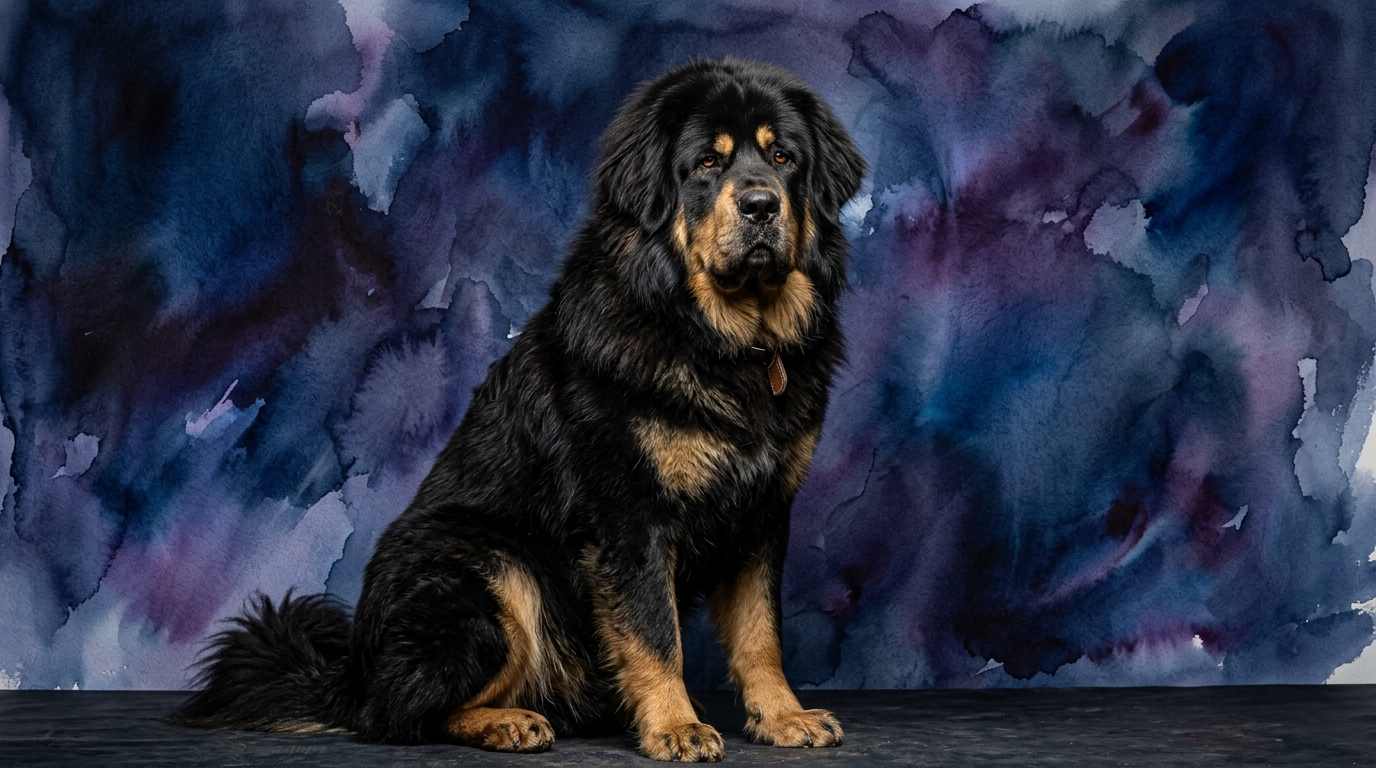
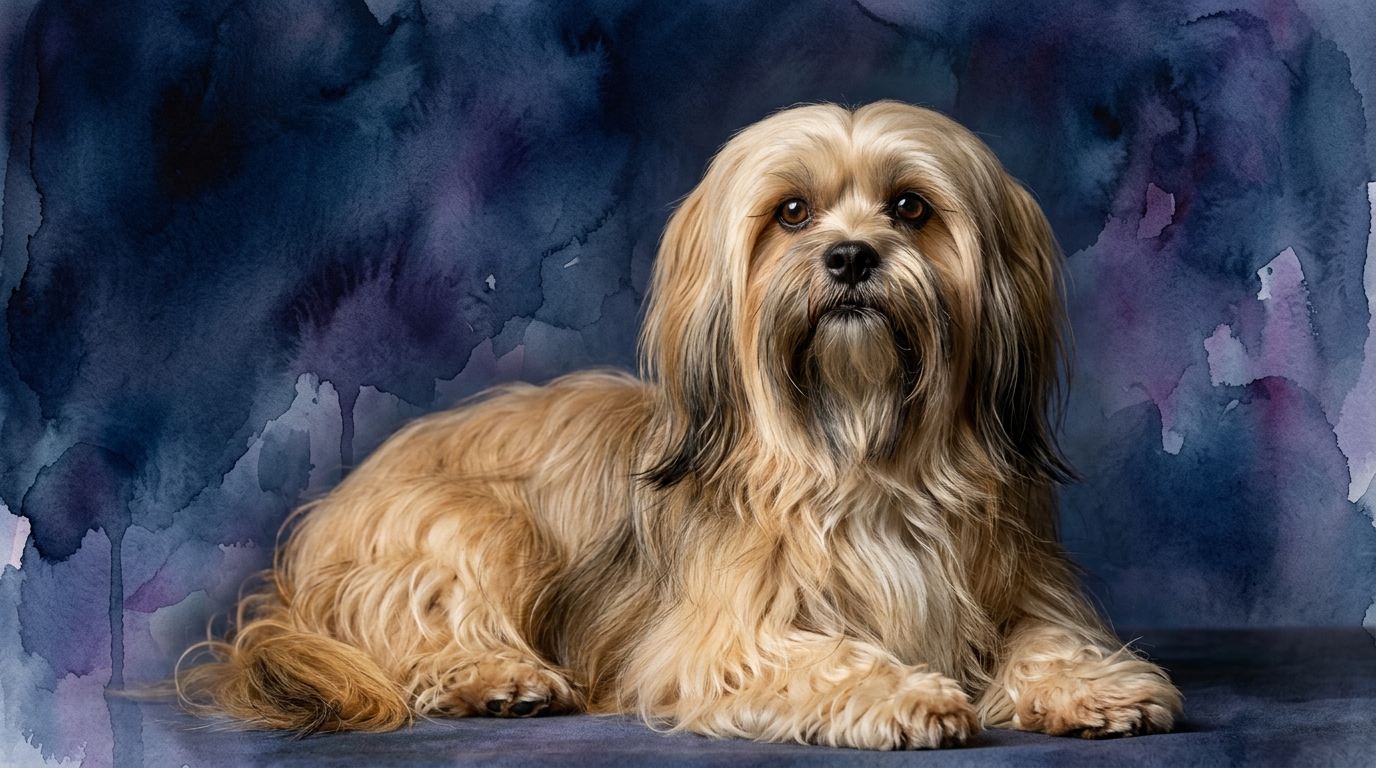
Side-by-Side IQ Profile: Unpacking Identical Scores
At first glance, the Cosmic Pet Pet IQ Lab data presents an intriguing parity between the Tibetan Mastiff and the Lhasa Apso, with both breeds registering a consistent 3 out of 5 across all five measured cognitive dimensions. This identical numerical ranking, however, masks a world of difference in how these breeds perceive, process, and interact with their environments, shaped profoundly by their ancestral purposes.
For Problem Solving (3/5), the Tibetan Mastiff, a breed from the Working group, typically applies its cognitive efforts to discerning threats and managing its vast territory, often making independent judgments about safety and security without direct human instruction. Their problem-solving might involve strategizing how to best patrol a perimeter or assess the intentions of an unfamiliar visitor. Conversely, the Lhasa Apso, from the Non-Sporting group and ranked #68 by Coren for working and obedience intelligence, often directs its problem-solving acumen toward navigating complex social dynamics within a home, figuring out how to achieve desired outcomes like prime napping spots or extra treats through subtle manipulation or persistent charm. Their challenges are less about physical threats and more about social negotiation.
Regarding Training Speed (3/5), both breeds require a patient and consistent approach, but for different reasons. The Tibetan Mastiff's moderate score reflects its independent nature; they learn commands but often weigh them against their own internal sense of purpose and self-preservation, which can translate to deliberate, rather than instantaneous, compliance. Their training is often about convincing them the command aligns with their duties. The Lhasa Apso, while eager to please its chosen people, can exhibit a stubborn streak rooted in its desire for self-determination and comfort. Their training speed isn't hampered by a lack of understanding, but rather by a selective willingness to perform, demanding clear motivation and positive reinforcement.
Social Intelligence (3/5) manifests uniquely in each. The Tibetan Mastiff exhibits a profound understanding of family hierarchy and outsider status, meticulously observing and evaluating intentions, making them astute judges of character within their specific social framework. Their social cues are often subtle but firm, communicating boundaries. The Lhasa Apso, while less concerned with guarding vast territories, displays a keen awareness of human emotions and household routines, often adapting their behavior to elicit specific responses from their family members. They are masters of reading the room and often use their charm to great effect, displaying a nuanced understanding of their immediate human companions.
Instinctive Drive (3/5) for the Tibetan Mastiff is deeply rooted in its ancient role as a livestock guardian and protector of homes, manifesting as strong territoriality, a watchful demeanor, and an innate sense of responsibility for its family and property. This drive is a powerful, intrinsic motivator. The Lhasa Apso's instinctive drive, while also a 3/5, leans heavily into its role as a sentinel and companion. Their drive to alert to new sounds and sights with a surprisingly resonant bark is strong, as is their deep desire for companionship and comfort, often seeking close physical proximity to their humans, reflecting their historical function as indoor watchdogs and beloved family members. Finally, Memory (3/5) in both breeds ensures they retain routines, learned behaviors, and personal experiences. The Tibetan Mastiff will remember perceived threats, safe zones, and the individuals belonging to its inner circle, contributing to its consistent guardianship. The Lhasa Apso will recall training cues, preferred treats, and the specific habits of its human companions, using this recall to navigate its domestic life effectively and consistently.
Where the Tibetan Mastiff Excels Cognitively
The Tibetan Mastiff's cognitive strengths shine particularly in contexts demanding independent judgment and expansive environmental awareness. Their Problem Solving, rated 3/5, is geared towards complex, real-world security scenarios, where they must assess threats, make decisions without direct human input, and act to protect. This isn't about learning a trick quickly, but about processing dynamic situations, like identifying a suspicious vehicle approaching their property or distinguishing between a friendly guest and a potential intruder. Their cognitive framework is built for strategic oversight.
Their Instinctive Drive (3/5) is a profound asset, fueling their capacity for unwavering vigilance and territorial defense. This isn't merely a learned behavior; it's a deeply ingrained cognitive program that allows them to process vast amounts of sensory information – subtle changes in sound, scent, or visual cues – and react appropriately, often with formidable presence. This specialized application of their cognitive abilities makes them exceptional at their ancient work, demanding a specific blend of observational skill and decisive action that few other breeds possess to the same degree. Their memory (3/5) in this context is crucial, allowing them to map territories and recall past encounters, reinforcing their protective strategies.
Where the Lhasa Apso Excels Cognitively
The Lhasa Apso, despite its smaller stature, demonstrates a compelling cognitive prowess in areas of social navigation and domestic problem-solving. Their Social Intelligence (3/5) is particularly nuanced, allowing them to become highly attuned to the emotional states and routines of their human companions. They excel at understanding subtle human cues, often anticipating desires or reacting to mood shifts with remarkable accuracy. This makes them adept at forming deep, intuitive bonds and integrating seamlessly into family life, often becoming the emotional barometer of the household.
Their Problem Solving (3/5) is often directed inwards, towards optimizing their comfort and influencing their environment within the home. This might involve creatively finding the warmest sunbeam, strategically positioning themselves for maximum attention, or even figuring out how to 'herd' their humans towards the treat cupboard. While their Instinctive Drive (3/5) includes a strong watchdog tendency, their primary cognitive strength lies in their ability to master the intricacies of companion life, using their memory (3/5) to recall favored interactions and effectively communicate their needs and wants within their domestic sphere. They are masters of the intimate, personal social landscape.
Training: Navigating Independence vs. Stubbornness
When considering which breed is 'easier' to train, the identical 3/5 Training Speed score requires a deeper look into behavioral motivations. The Tibetan Mastiff's training challenges stem from its inherent independence and ancient role. As guardians, they were bred to make their own decisions in the field, often far from human oversight. This means they learn commands, but their compliance is often conditional on whether they perceive the command as logical or beneficial within their own framework of duty. Training a Tibetan Mastiff requires immense patience, consistency, and a deep understanding of their guardian mindset, often framing commands as collaborative efforts rather than strict directives. They respond best to a leader they respect, not simply one who gives orders.
The Lhasa Apso, while also rated 3/5 for Training Speed, presents a different type of training hurdle: selective stubbornness. Bred as companions and indoor watchdogs, they understand commands readily enough, but their willingness to execute them can be highly dependent on their mood, the perceived reward, or simply their personal inclination at that moment. Their intelligence is often applied to 'testing' boundaries or determining if a command truly warrants their effort. Successful training for a Lhasa Apso relies heavily on positive reinforcement, making training sessions engaging and consistently rewarding, appealing to their desire for comfort and attention, rather than relying on their innate desire to please a master. Neither breed is 'difficult' in the sense of lacking capacity, but both demand an owner who understands their specific cognitive leanings and respects their individual temperaments.
Owners: Active Leadership vs. Relaxed Companionship
Choosing between a Tibetan Mastiff and a Lhasa Apso based on owner lifestyle comes down to the kind of cognitive engagement an owner is prepared to offer and the level of independence they can accommodate. The Tibetan Mastiff, with its profound Instinctive Drive (3/5) for guarding and its independent Problem Solving (3/5), thrives with active, experienced owners who can provide consistent, firm, but fair leadership. These owners must be ready to manage a large, powerful dog whose cognitive processes are constantly evaluating its environment for potential threats, requiring vigilant socialization and management. They are not a breed for passive ownership; their cognitive needs demand structure, purpose, and a clear, respected hierarchy within the family unit. An owner suited for a Tibetan Mastiff appreciates a dog that thinks for itself within its designated role, and is prepared for a dog that needs ample secure space to patrol and observe.
Conversely, the Lhasa Apso, with its keen Social Intelligence (3/5) and domestic Problem Solving (3/5), is better suited for more relaxed owners who appreciate a charming, independent, and often vocal companion. While they require mental stimulation to prevent boredom and benefit from consistent training to manage their potential stubbornness, their cognitive focus is less on expansive territory and more on the dynamics of their immediate home and human family. They enjoy being part of daily routines, often from a comfortable perch, and thrive on close companionship. Owners who prefer a dog that is alert to household comings and goings, provides lively companionship, and is content with indoor activities complemented by moderate walks, will find the Lhasa Apso's cognitive profile a perfect fit. They offer a sophisticated blend of affection and self-assuredness, demanding a different kind of cognitive engagement from their human counterparts.
The Verdict
Choose the Tibetan Mastiff if you are an experienced, active owner seeking a formidable, independent guardian whose cognitive strengths lie in territorial defense and autonomous decision-making.
Choose the Lhasa Apso if you desire a charming, alert, and socially intelligent companion who excels at navigating domestic life and providing loyal, albeit sometimes stubborn, companionship.
🧠 Find Your Pet's IQ Score
Our Pet IQ Lab assessment covers 25+ tests across 5 cognitive dimensions — personalized to your breed.
Take the Full IQ Test →Frequently Asked Questions
Do Tibetan Mastiffs and Lhasa Apsos learn commands at the same rate?
Both breeds have a Training Speed score of 3/5, meaning they learn at a moderate pace. However, the Tibetan Mastiff's compliance is often conditional on its independent judgment, while the Lhasa Apso's can be influenced by its stubborn streak and perceived rewards. Each requires a patient, tailored training approach.
How do their social intelligence scores of 3/5 differ in practice?
The Tibetan Mastiff's social intelligence focuses on discerning intentions within its expansive territory, distinguishing family from perceived threats with keen observation. The Lhasa Apso's social intelligence is more attuned to the nuances of human emotions and household dynamics, expertly navigating personal relationships within its immediate family circle.
Which breed is better for a first-time dog owner?
Given their independent natures and specific cognitive demands, neither breed is typically recommended for first-time dog owners. The Tibetan Mastiff requires significant experience in handling large, protective breeds, while the Lhasa Apso's stubbornness and watchful nature can be challenging for novices without proper guidance.