Side-by-Side IQ Profile: Guardianship vs. Guided Hunt
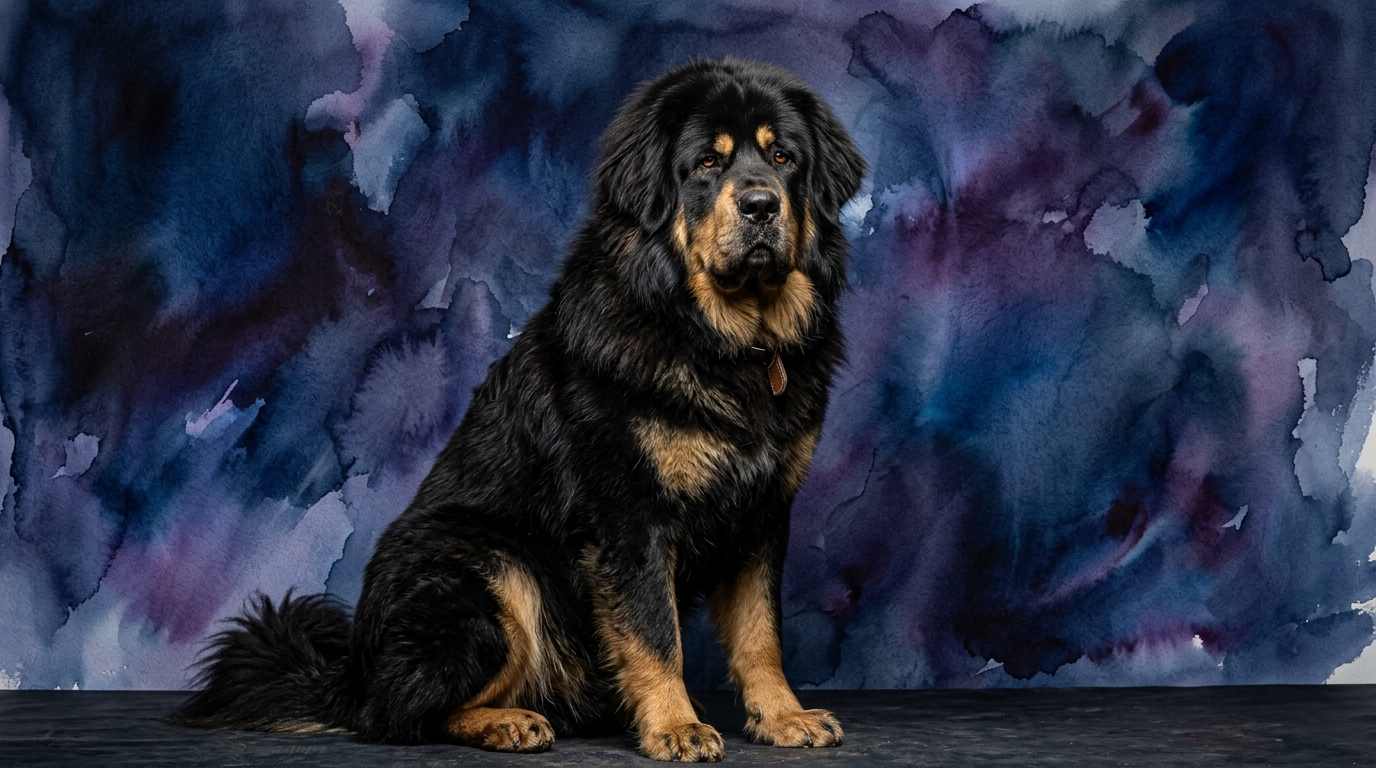
The Cosmic Pet Pet IQ Lab evaluates canine intelligence across five key dimensions, and both the Tibetan Mastiff and the Pointer remarkably share a score of 3/5 in each category. This doesn't imply identical mental processes, but rather a comparable aptitude that expresses itself differently. For the Tibetan Mastiff, a Working breed, a 3/5 in Problem Solving often translates to independent decision-making when assessing threats or protecting territory, relying on their own judgment rather than constant human direction. Their Training Speed at 3/5 reflects a capacity to learn commands, but often with a deliberate pace, requiring patience and understanding of their self-reliant nature. Social Intelligence at 3/5 for a Mastiff means they are discerning; they form deep bonds with their immediate family but can be reserved or wary of strangers, processing new interactions carefully. Their Instinctive Drive, also 3/5, is powerfully geared towards protection and vigilance, a deep-seated need to survey and defend. Finally, Memory at 3/5 indicates they retain information about their environment, perceived threats, and routines, building a comprehensive internal map of their world.
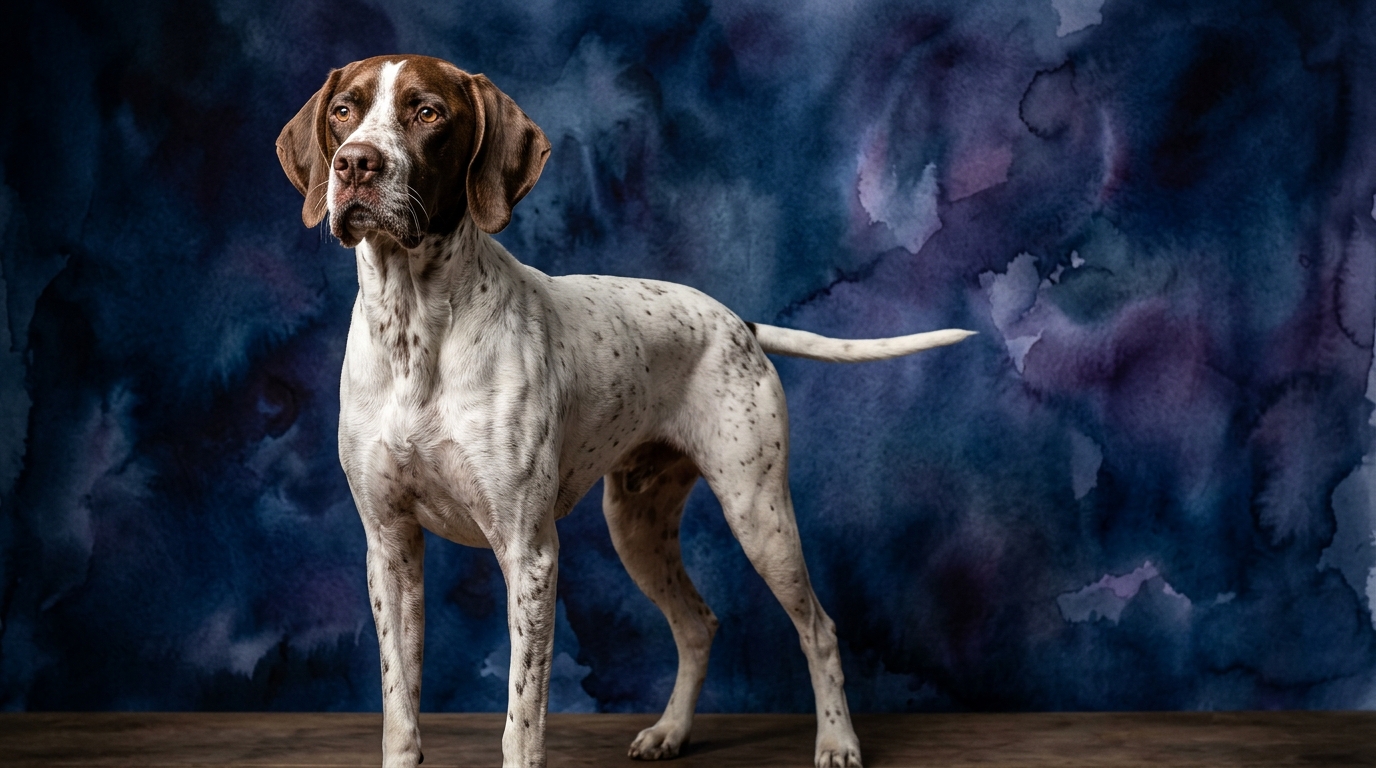
The Pointer, a Sporting breed, also registers 3/5 across the board, yet their cognitive strengths are channeled into a partnership of the hunt. Their Problem Solving at 3/5 is evident in their ability to navigate complex scent trails, strategize in the field to locate game, and adapt to changing terrain, often working in tandem with a handler. Training Speed at 3/5 for a Pointer typically means they are eager to learn tasks related to their primary drive, responding well to consistent, positive reinforcement, though their enthusiasm can sometimes lead to distraction. Social Intelligence at 3/5 often manifests as a generally amiable disposition and a strong desire to connect with their human partners, crucial for effective teamwork in the field, while remaining focused on their task. Their Instinctive Drive, a 3/5, is powerfully focused on scenting, pointing, and retrieving, a relentless pursuit of their ingrained purpose. Their Memory, also 3/5, allows them to recall intricate hunting patterns, specific commands, and the locations of previous finds, essential for sustained performance.
Where the Tibetan Mastiff Shines Cognitively
The Tibetan Mastiff truly excels in cognitive functions related to independent judgment and territorial awareness. Their 3/5 in Problem Solving, combined with their strong Instinctive Drive for protection, means they are adept at assessing situations without immediate human intervention. Imagine a Mastiff independently determining whether an unfamiliar sound is a genuine threat or just a passing animal, often making a nuanced decision based on subtle cues in their environment. This isn't about solving complex puzzles, but about practical, real-world application of assessment and response, often involving a calm, watchful waiting period before action. Their memory contributes to this, allowing them to recall past encounters and patterns, reinforcing their ability to discern friend from foe or routine from anomaly. This breed's cognition is finely tuned for vigilance and self-sufficiency in a guardianship role, where the ability to act without explicit commands is paramount.
Where the Pointer Demonstrates Cognitive Prowess
The Pointer's cognitive strengths are most apparent in their focused, collaborative application of intelligence within a task-oriented framework. Their 3/5 in Problem Solving, particularly when paired with their Instinctive Drive, enables them to methodically work through challenges in the field. A Pointer will use its memory to recall the most efficient way to cover ground, or strategically adjust its search pattern based on wind direction, all while maintaining communication with its handler. Their social intelligence is crucial here, as their ability to read and respond to human cues during a hunt allows for seamless teamwork, a cognitive dance between dog and owner. They are not merely following instinct; they are interpreting, adapting, and executing complex sequences of behavior, such as holding a precise point for an extended period, which requires significant mental discipline and recall of training. This breed's mind is a finely tuned instrument for partnership in the pursuit of a shared objective.
Training Dynamics: Independence vs. Partnership
Despite identical 3/5 scores in Training Speed, the practical experience of training a Tibetan Mastiff versus a Pointer differs significantly due to their inherent behavioral blueprints. The Tibetan Mastiff's independent nature, stemming from its Working breed heritage, means it often questions commands, prioritizing its own judgment or perceived needs. Their 3/5 training speed suggests they are capable of learning, but they require consistent, firm, and patient methods that respect their self-reliant character. They are not typically driven by an overwhelming desire to please, making motivation more about building trust and demonstrating the value of a command. For example, teaching a Mastiff to 'stay' might involve longer reinforcement periods as they weigh the command against their instinct to patrol or investigate. This independence isn't defiance, but a deeply ingrained trait. Early, consistent socialization and training are crucial to shaping their strong will into cooperative behavior.
Conversely, the Pointer's Sporting breed background imbues them with a strong drive to work *with* their handler, making them generally more amenable to training, despite the same 3/5 training speed score. Their problem-solving and instinctive drives are channeled into cooperative tasks, and their social intelligence makes them eager to engage. A Pointer learns quickly when the task aligns with their natural instincts, such as retrieving or scent work, and they thrive on positive feedback and interaction. While they can be easily distracted by scents or movement in their environment, requiring focus training, their underlying desire to partner makes them generally more responsive to commands. Teaching a Pointer 'stay' might progress faster because they are motivated by the reward of pleasing their handler and the anticipation of the next task. The 'why' behind their 3/5 training speed is less about independence and more about managing their intense focus and energy for specific tasks.
Matching Canine Cognition to Lifestyle: Active vs. Relaxed Owners
For owners seeking an active, engaged companion for outdoor adventures and structured activities, the Pointer is often the more suitable choice. Their high energy levels and strong instinctive drive for scenting and running mean they thrive with owners who can provide consistent, vigorous exercise, such as long runs, hiking, or participation in dog sports like agility or field trials. Their cognitive profile, with its emphasis on collaborative problem-solving and task-oriented memory, makes them excellent partners for owners who enjoy training and working together towards specific goals. A Pointer's social intelligence means they genuinely enjoy being involved in family activities and will seek out interaction, making them a vibrant addition to a dynamic household. They are not content to be couch potatoes; their minds and bodies require regular stimulation.
The Tibetan Mastiff, on the other hand, suits a more relaxed, yet highly responsible owner who appreciates a watchful, independent companion. While they require regular, moderate exercise to maintain physical health, their cognitive and behavioral needs are less about constant activity and more about providing a secure territory to guard and a strong, stable family unit to protect. Their problem-solving and memory are geared towards observation and discernment, not constant physical engagement. An owner who understands and respects their independent nature and strong guardian instincts will find a loyal, devoted companion. They are not a breed for novice owners or those looking for an 'always on' playmate, but rather for individuals who value a calm, majestic presence and can provide the consistent, patient guidance these self-assured dogs need. Their idea of activity might be a deliberate patrol of the yard, rather than an hour of fetch.
The Verdict
Choose a Tibetan Mastiff if you seek an independent, watchful guardian who will form deep bonds with family and thrive in a stable, secure environment with clear boundaries. You must appreciate their self-reliant nature and be prepared for patient, consistent training.
Opt for a Pointer if you desire an energetic, collaborative partner for outdoor activities and structured training, particularly those involving scent work or retrieving. Their eagerness to please and work alongside you makes them a rewarding companion for active, engaged owners.
🧠 Find Your Pet's IQ Score
Our Pet IQ Lab assessment covers 25+ tests across 5 cognitive dimensions — personalized to your breed.
Take the Full IQ Test →Frequently Asked Questions
Do identical IQ scores mean Tibetan Mastiffs and Pointers are equally easy to train?
No, identical 3/5 training speed scores don't mean equal ease. The Tibetan Mastiff's independent nature often requires more patience and understanding of their self-reliant decision-making, while the Pointer's eagerness to work with a handler generally makes them more responsive to task-oriented training, despite potential distractions from their strong prey drive.
How does 'social intelligence' differ between these two breeds with the same 3/5 score?
For a Tibetan Mastiff, 3/5 social intelligence means deep family bonds but wariness towards strangers, requiring careful introduction. A Pointer's 3/5 social intelligence often translates to general friendliness and a strong desire to partner with its human, crucial for collaborative tasks, though they maintain focus on their work.
Can a Tibetan Mastiff be trained for hunting tasks like a Pointer, or vice-versa for guarding?
While basic obedience can be taught to both, their instinctive drives make specialized roles challenging. A Tibetan Mastiff lacks the Pointer's intense prey drive and scenting focus for hunting, while a Pointer lacks the inherent territorial guardianship and independent decision-making central to a Mastiff's protective role. It's best to align activities with their natural predispositions.