Side-by-Side Cognitive Profile
To understand the unique cognitive landscapes of these two breeds, The Cosmic Pet Pet IQ Lab employs a five-dimensional assessment. Let's examine how the Tibetan Mastiff and Welsh Springer Spaniel measure up in each area.
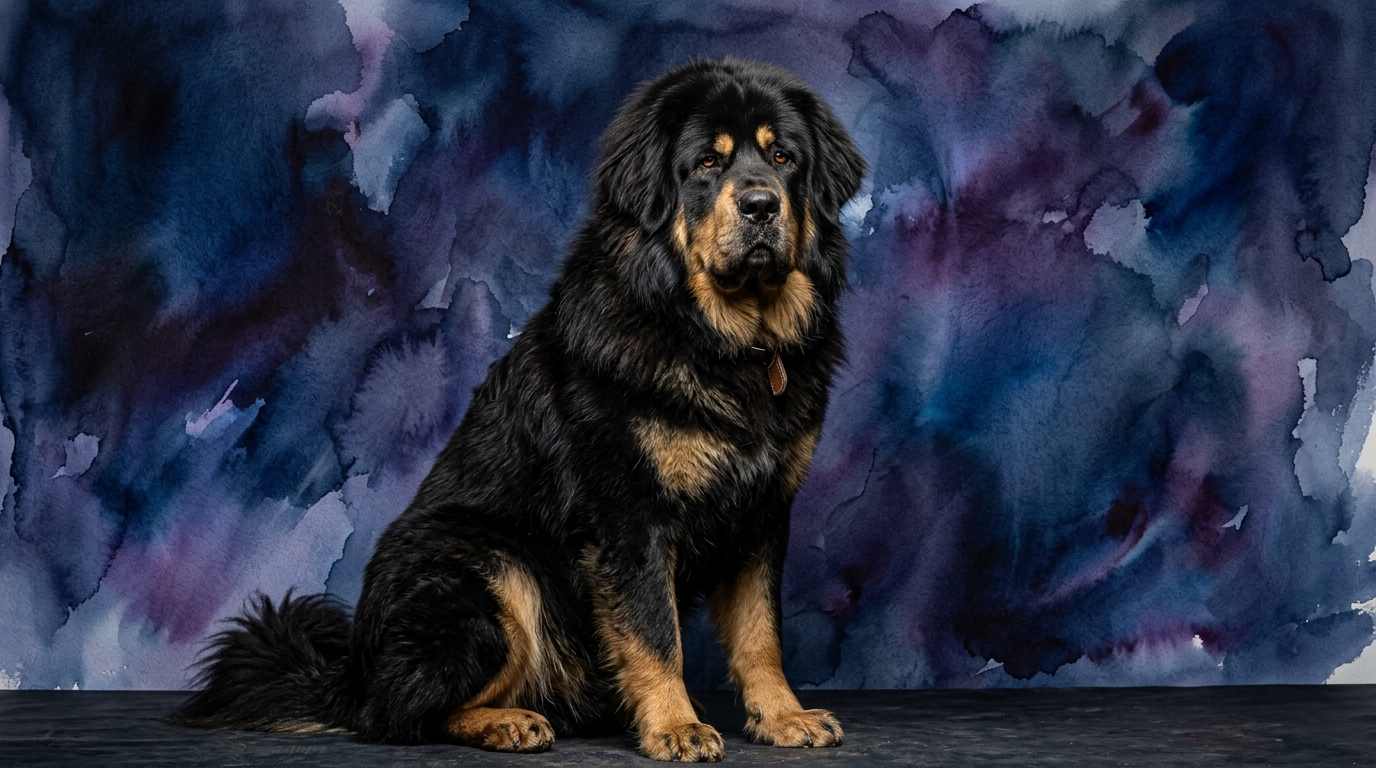
The **Tibetan Mastiff**, a working breed not ranked by Coren, demonstrates a pragmatic and independent cognitive style. Their Problem Solving is rated 3/5, indicating an ability to assess threats and make on-the-spot decisions regarding their territory, often relying on instinct rather than human instruction. Training Speed, also 3/5, suggests they can learn, but their independence means they might question commands or require more repetition, especially if a task doesn't align with their intrinsic guarding instincts. Social Intelligence, at 3/5, shows a discerning nature; they are deeply bonded to their immediate family but reserved with strangers, assessing intentions carefully. Their Instinctive Drive, a strong 3/5, is rooted in territorial protection, manifesting as a powerful desire to guard their home and family. Finally, their Memory, also 3/5, is functional and selective, prioritizing information relevant to their guarding duties, such as routines, boundaries, and who belongs in their circle.
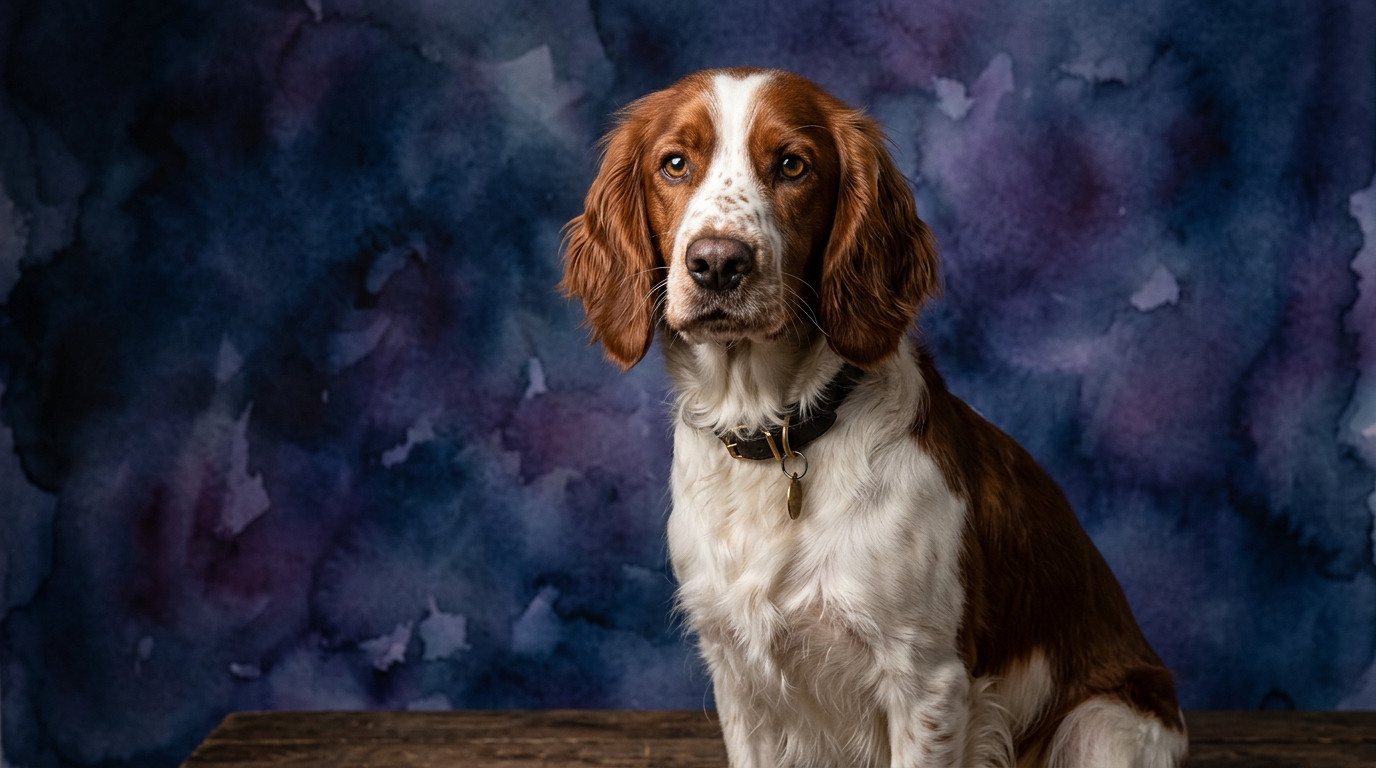
In contrast, the **Welsh Springer Spaniel**, a sporting breed ranked #31 by Coren, exhibits a more cooperative and agile cognitive profile. Their Problem Solving scores 4/5, reflecting an aptitude for tasks requiring initiative and adaptable thinking in dynamic environments, like flushing game. Training Speed, a higher 4/5, signifies a keen desire to cooperate and learn quickly, picking up new commands with fewer repetitions due to their responsiveness to positive reinforcement. Their Social Intelligence, similar to the Mastiff at 3/5, is typically more affable and engaging, eager to interact and participate with both family and strangers. The Instinctive Drive, also 3/5, is channeled into purposeful activity like flushing, retrieving, and working collaboratively with a handler. Their Memory, a robust 4/5, is vital for a working gundog, allowing them to recall complex sequences of commands and retain learned behaviors over extended periods, aiding significantly in advanced training and consistent performance.
Where the Tibetan Mastiff Excels Cognitively
The Tibetan Mastiff's unique cognitive strengths shine brightest in areas requiring independent judgment and profound territorial awareness. Their problem-solving, while rated 3/5, is specifically tailored for assessing threats and protecting their domain without constant human direction. They excel at identifying nuances in their environment, distinguishing between a harmless passerby and a potential intruder, a skill honed over centuries of solitary guarding. This discernment, coupled with their moderate social intelligence, allows them to make critical decisions regarding who to trust and when to act, prioritizing the safety of their family and property above all else. Their memory, while also 3/5, is particularly robust for remembering boundaries, established routines, and the faces of those who belong, making them exceptionally reliable sentinels. They don't need constant reminders of their job; their deep-seated instinctive drive to protect provides an unwavering cognitive framework.
Where the Welsh Springer Spaniel Excels Cognitively
The Welsh Springer Spaniel demonstrates superior cognitive agility in areas demanding cooperative learning, quick adaptation, and sustained focus on human-directed tasks. Their problem-solving at 4/5, combined with a 4/5 training speed and memory, makes them adept at rapidly understanding and executing complex commands, often requiring multiple steps or changes in direction. Unlike the independent decision-making of the Mastiff, the Springer's cognitive strengths are geared towards partnership; they excel at figuring out how to achieve a shared goal with their handler, whether it's navigating an agility course or successfully flushing game. Their robust memory allows them to retain a vast repertoire of learned behaviors, making advanced training and competitive activities highly rewarding. This breed's cognitive profile is optimized for active engagement and a willingness to learn new skills, making them versatile and eager participants in diverse challenges.
Training Aptitude: Which is Easier and Why
Based on their respective IQ profiles, the Welsh Springer Spaniel is unequivocally easier to train than the Tibetan Mastiff. The Springer's 4/5 training speed and high Coren rank signify a strong predisposition for learning and a keen desire to please their handler. They typically respond well to positive reinforcement, picking up new commands quickly due to their robust memory (4/5) and a cooperative instinctive drive geared towards working alongside humans. Their social intelligence, while similar at 3/5, manifests as a more outward-focused eagerness to engage and interact, which translates into a higher motivation for training.
In contrast, the Tibetan Mastiff's 3/5 training speed reflects their independent and often self-sufficient nature. They are not inherently driven by a need to 'please' in the same way as a spaniel; their primary motivation is often tied to their guarding instincts. This means they may be slower to respond to commands that don't directly align with their perceived purpose or if they deem a task unnecessary. Their problem-solving, while effective for guarding, can lead them to question the necessity of a command rather than immediately complying. Training a Tibetan Mastiff requires immense patience, consistency, and a deep understanding of their independent mindset, often focusing on building a respectful partnership rather than expecting immediate, eager obedience. Real behavioral differences include the Springer's natural inclination to check in with their handler and seek direction, while the Mastiff is more prone to making their own decisions, which can be interpreted as stubbornness in a training context.
Matching Breeds to Owner Lifestyles
The choice between these two breeds largely depends on an owner's lifestyle and their willingness to engage in specific types of activities. The Welsh Springer Spaniel is an ideal match for active owners. Their sporting heritage means they thrive on regular, vigorous exercise and mental stimulation. Owners who enjoy long hikes, running, cycling, or participating in canine sports like agility, obedience, or scent work will find a dedicated and enthusiastic partner in a Welsh Springer. Their cognitive profile, particularly their problem-solving and memory, makes them excellent candidates for learning complex tasks and engaging in activities that require both physical and mental effort. They need a purpose and consistent engagement to prevent boredom and channel their inherent energy constructively. A 'relaxed' owner who cannot provide this level of activity would likely find a Welsh Springer to be under-stimulated and potentially prone to undesirable behaviors stemming from pent-up energy.
Conversely, the Tibetan Mastiff, while requiring exercise, is better suited for owners who prioritize a more watchful and independent companion rather than a constant activity partner. Their exercise needs are moderate; daily walks and secure outdoor space are essential, but they are not typically candidates for high-intensity, prolonged athletic endeavors or competitive canine sports. Their independent nature and guarding instincts mean they are content to observe and patrol their territory, often preferring quiet companionship to constant interaction. A 'relaxed' owner in this context means someone who appreciates a dog's self-sufficiency, understands their strong guarding tendencies, and can provide a calm, structured environment without demanding constant interaction or high-energy participation. They require an owner who is firm, consistent, and patient, capable of managing a large, powerful dog with a strong will, rather than an owner seeking a dog for daily jogging partners.
The Verdict
Choose a Tibetan Mastiff if you seek a formidable, independent guardian who thrives on observation and quiet companionship, and you are prepared for a long-term commitment to patient, consistent leadership with a dog that values its own judgment.
Opt for a Welsh Springer Spaniel if you desire an energetic, cooperative partner for an active lifestyle, enthusiastic about learning new skills and participating in various canine activities, and you appreciate a dog that thrives on shared purpose and engagement.
🧠 Find Your Pet's IQ Score
Our Pet IQ Lab assessment covers 25+ tests across 5 cognitive dimensions — personalized to your breed.
Take the Full IQ Test →Frequently Asked Questions
Are Tibetan Mastiffs difficult to train?
Tibetan Mastiffs are not 'difficult' in the sense of lacking capacity, but their training speed of 3/5 reflects their independent nature and strong will, requiring consistent, patient, and respectful methods rather than expecting eager obedience. They often learn best when tasks align with their natural guarding instincts, and they respond to a partnership built on trust and understanding.
What kind of mental stimulation does a Welsh Springer Spaniel need?
A Welsh Springer Spaniel, with its 4/5 problem-solving and memory, thrives on mental challenges that engage its sporting instincts, such as scent work, retrieving games, agility training, or learning complex obedience routines. Regular opportunities to use their nose and work cooperatively with their owner are crucial for their cognitive well-being.
How do their social intelligence scores of 3/5 differ in practice?
While both breeds score 3/5, the Tibetan Mastiff's social intelligence manifests as discerning wariness towards strangers and deep loyalty to family, prioritizing protection. The Welsh Springer Spaniel's 3/5 social intelligence typically means they are friendly and outgoing with most people, eager for connection and participation, rather than displaying the same level of territorial discernment.