
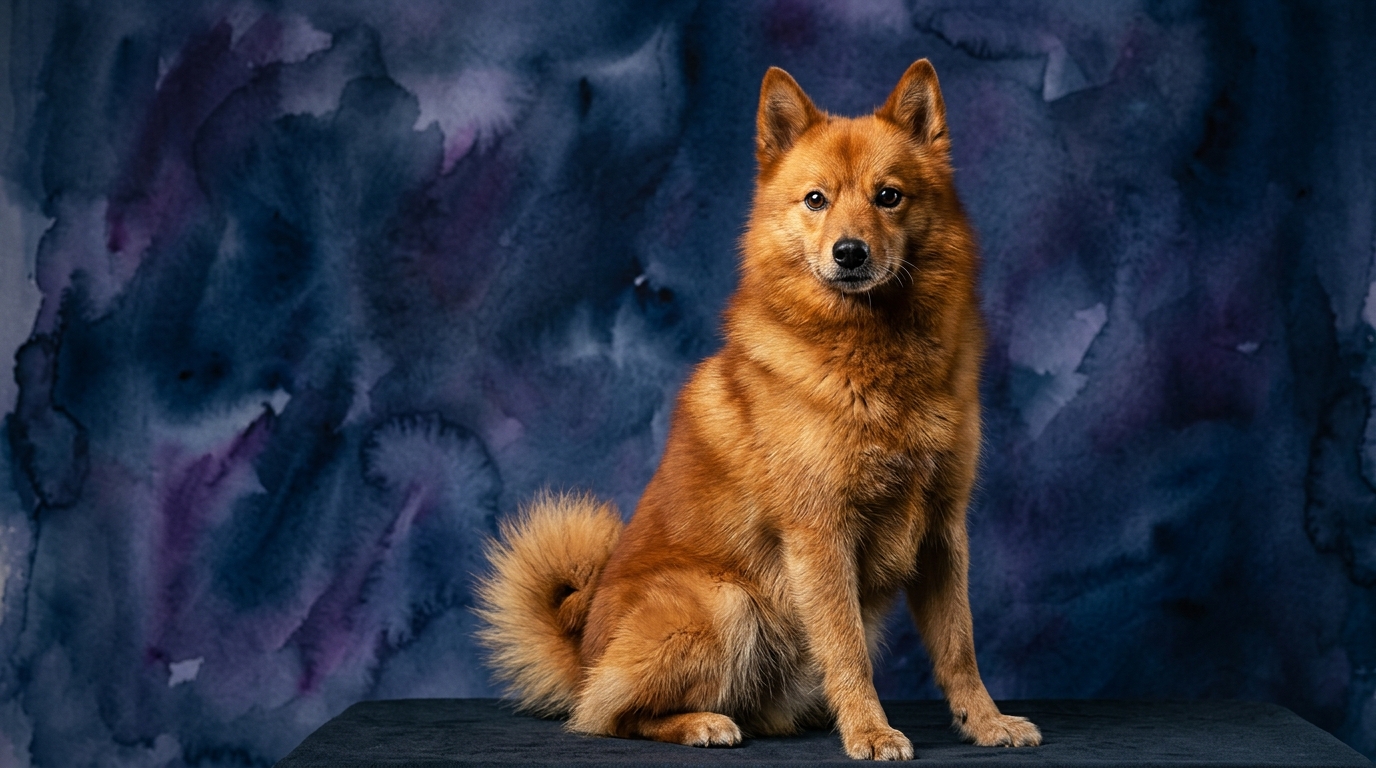
Side-by-Side Cognitive Profile: Identical Scores, Distinct Applications
While both the Tibetan Spaniel and the Finnish Spitz are assigned a 3/5 rating across all five cognitive dimensions by the Pet IQ Lab, understanding these scores requires delving into the unique ways each breed’s history and purpose have molded their cognitive expression. A 3/5 rating signifies a solid, average capacity, but the context of its deployment is where the true distinction lies.
For Problem Solving (3/5), the Tibetan Spaniel often demonstrates its acumen within a domestic sphere. This might involve strategizing how to secure a prime napping spot, subtly manipulating a family member for extra attention, or finding clever ways to bypass household rules, such as opening a cabinet for treats. Their problem-solving is often rooted in comfort, social dynamics, and achieving desired outcomes through observation and subtle persistence. Conversely, the Finnish Spitz’s problem-solving (also 3/5) typically manifests in more independent, outdoor-oriented scenarios. This could involve navigating varied terrain to locate birds, figuring out how to flush prey from dense cover, or determining the most effective way to alert their human to an intruder or interesting scent. Their solutions are often physical, environmental, and driven by their hunting instincts.
Regarding Training Speed (3/5), both breeds possess the capacity to learn at a moderate pace, but their motivation and focus differ. The Tibetan Spaniel can grasp commands readily, especially when positive reinforcement involves comfort, food, or close companionship. However, their independent spirit and 'what's in it for me?' attitude can lead to selective hearing if they perceive the task as uninteresting or unnecessary. They learn quickly what benefits them. The Finnish Spitz, also at 3/5 for training speed, learns effectively when engaged, but their strong prey drive and independent nature mean distractions from the environment can easily pull their focus. Training success often relies on harnessing their natural instincts and making the learning process a stimulating, task-oriented endeavor, rather than solely relying on a desire to please.
Social Intelligence (3/5) is where their paths diverge significantly in application. The Tibetan Spaniel excels at reading human emotions, understanding household routines, and discerning subtle social cues. They are deeply attuned to their family's mood and can offer quiet companionship or playful antics based on their observations. Their social intelligence is geared towards intimate family dynamics and subtle communication. The Finnish Spitz’s social intelligence (also 3/5) is more outwardly focused, particularly in communication. They are masters of vocal expression, using a wide range of barks, yodels, and howls to communicate observations, needs, and alerts to their human 'pack.' While affectionate, their social acumen is less about subtle emotional attunement and more about clear, albeit sometimes loud, communication and vigilance.
Instinctive Drive (3/5) for the Tibetan Spaniel is rooted in their historical role as companions and 'little lions' guarding monasteries. Their instincts center on being watchful companions, offering alert barks to perceived threats, and seeking elevated positions from which to observe their domain. Their drive is primarily for companionship, comfort, and security. The Finnish Spitz, with the same 3/5 rating, possesses a powerful, deeply ingrained hunting instinct, particularly for birds. Their drive is to track, locate, and vocally alert their human to prey. This strong prey drive, coupled with an independent working ethic, defines their core instinctive behaviors, making them naturally inclined towards focused environmental engagement and vocal expression.
Finally, Memory (3/5) in both breeds is adequate, but again, its utility varies. The Tibetan Spaniel possesses a good memory for routines, the specific habits of their human family members, preferred comfort spots, and past interactions, remembering who is generous with treats or cuddles. They recall training cues well but might choose whether to apply them based on the situation. The Finnish Spitz demonstrates a good memory for hunting territories, specific sounds associated with prey, effective alerting strategies, and the layout of their outdoor environment. They remember where interesting scents were found and the most efficient routes to patrol, applying their memory to their task-oriented existence.
Where the Tibetan Spaniel Shines Cognitively
The Tibetan Spaniel's cognitive strengths lie in their sophisticated understanding of indoor social dynamics and their ability to integrate seamlessly into a human household as a perceptive companion. Their 3/5 social intelligence is particularly adept at reading subtle human cues, often anticipating a family member’s mood or desire for interaction. This allows them to offer comfort or solicit attention with remarkable timing and delicacy, making them exceptional emotional support animals within a family context.
Furthermore, their problem-solving, while rated 3/5, is highly refined for domestic life. They exhibit an impressive capacity for 'people management,' learning which behaviors elicit desired responses from different family members. This isn't just about simple obedience; it's about a nuanced understanding of their environment and the individuals within it, allowing them to navigate complex social situations to their advantage, often securing the most comfortable spot on the sofa or an extra treat with cunning charm. Their cognitive strengths are truly geared towards harmonious, albeit sometimes subtly manipulative, companionship.
Where the Finnish Spitz Excels Cognitively
The Finnish Spitz's cognitive prowess is best observed in their independent problem-solving and keen environmental awareness, skills honed over centuries of working alone in Nordic forests. Despite also scoring 3/5 in problem-solving, their application is distinctly different, focused on practical, outdoor challenges. They are adept at navigating complex natural terrains, utilizing their senses to track and locate hidden prey, and devising strategies to corner or flush birds, often without direct human instruction.
Their 3/5 instinctive drive is a significant cognitive asset, manifesting as an unparalleled talent for focused alerting and vocal communication. This isn't just random barking; it’s a specific, melodious 'yodel' or bark pattern used to indicate the location and type of prey to their human hunter. This highly specialized form of communication requires a complex interplay of sensory perception, memory of previous encounters, and an understanding of how to effectively convey information, making their vocal intelligence a hallmark of the breed's cognitive strengths.
Their memory, while also 3/5, is particularly strong for spatial information and sensory details related to their environment. They can recall specific hunting spots, the sounds of different birds, and the most efficient routes through their territory, demonstrating a practical, task-oriented recall that is invaluable in their traditional role.
Training Dynamics: Engagement vs. Independence
When it comes to ease of training, the nuanced differences in their 3/5 training speed become apparent. The Tibetan Spaniel can be surprisingly responsive to training, particularly if the process is gentle, consistent, and reward-based, leveraging their desire for companionship and comfort. They are sensitive dogs who respond well to positive reinforcement and can learn basic obedience quickly within a familiar home environment. However, their independent streak means they may choose to ignore commands if they don’t see the immediate benefit or are otherwise preoccupied. Their 'selective deafness' isn't a lack of understanding, but often a cognitive choice to prioritize their own agenda.
The Finnish Spitz, while equally capable of learning (3/5 training speed), presents a different training challenge due to their strong independent hunting drive and vocal nature. Their training requires immense patience, consistency, and highly engaging methods that capitalize on their instincts rather than trying to suppress them entirely. Redirecting their natural urge to bark at every environmental stimulus, or their drive to chase, demands dedicated effort. They are not inherently driven to 'please' in the same way a more biddable breed might be; instead, they learn best when training feels like a stimulating task or game. Early socialization and consistent impulse control exercises are crucial for shaping a well-mannered Finnish Spitz.
Matching Breeds to Lifestyles: Active vs. Relaxed Owners
The cognitive profiles of these two breeds naturally align with different owner lifestyles. The Tibetan Spaniel is an excellent choice for more relaxed owners or those living in apartments, provided they can offer consistent companionship and moderate daily exercise. Their mental stimulation often comes from observing their human family, engaging in quiet indoor games, and navigating the subtle social landscape of the home. They thrive on close interaction and are content with shorter walks and plenty of lap time, valuing comfort and proximity above strenuous activity. Their cognitive strengths are best appreciated by owners who enjoy a perceptive, low-key companion.
Conversely, the Finnish Spitz is a spirited companion for active owners who relish outdoor adventures and are prepared for a dog with a strong, independent drive. They require regular, vigorous exercise that goes beyond a simple walk around the block; hiking, running, or engaging in dog sports like agility, scent work, or even urban mushing can help channel their energetic instincts. Their cognitive needs are met through engaging in tasks that allow them to use their keen senses and problem-solving abilities. Owners must be willing to invest time in consistent training to manage their vocal nature and strong prey drive, making them suitable for those who desire an active, engaging, and sometimes challenging partner.
The Verdict
Choose the Tibetan Spaniel if you seek a perceptive, affectionate companion who thrives on close human interaction and offers nuanced emotional connection within a relaxed, indoor-centric lifestyle.
Opt for the Finnish Spitz if you are an active owner desiring an independent, spirited companion with a strong outdoor drive, a unique vocal personality, and are prepared for consistent, engaging training.
🧠 Find Your Pet's IQ Score
Our Pet IQ Lab assessment covers 25+ tests across 5 cognitive dimensions — personalized to your breed.
Take the Full IQ Test →Frequently Asked Questions
Are Tibetan Spaniels good apartment dogs?
Yes, Tibetan Spaniels adapt very well to apartment living. They are relatively small, require moderate exercise, and are content with indoor activities and close companionship, making them ideal for urban environments.
How much barking should I expect from a Finnish Spitz?
The Finnish Spitz is known as a highly vocal breed, often called the 'barking bird dog.' They use a wide range of barks and yodels to communicate and alert, which requires consistent training from a young age to manage.
Do Tibetan Spaniels get along with other pets?
Tibetan Spaniels generally get along well with other pets, including other dogs and cats, especially if socialized from a young age. Their social intelligence allows them to adapt to multi-pet households, though they often prefer to be the center of attention.