Side-by-Side Cognitive Profiles
At The Cosmic Pet's IQ Lab, both the Tibetan Spaniel and the German Pinscher share a uniform score of 3/5 across problem-solving, training speed, social intelligence, instinctive drive, and memory. However, to truly understand their mental make-up, we must look beyond the numbers and delve into the unique ways each breed embodies these traits, shaped by centuries of selective breeding and purpose.
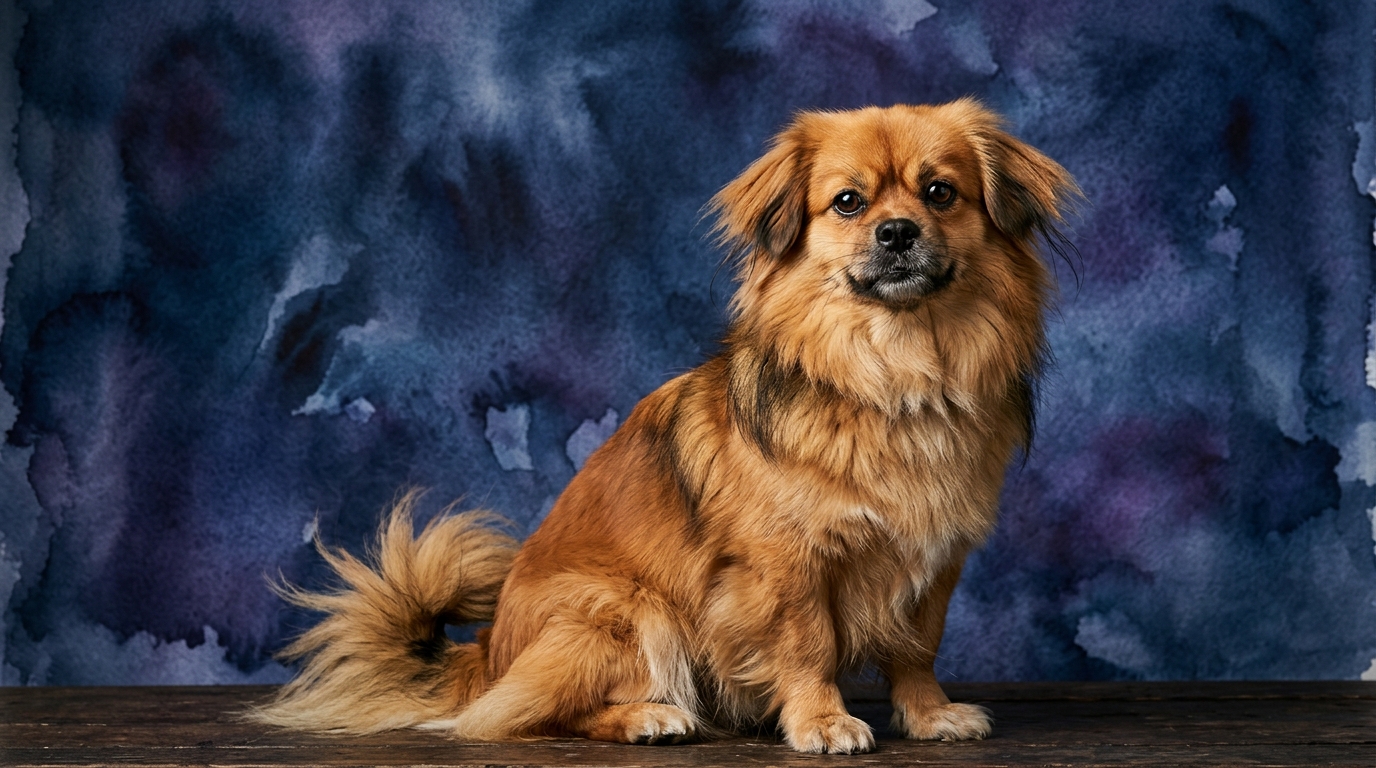
The **Tibetan Spaniel**, a companion and watchdog from the high monasteries of Tibet, exhibits its 3/5 problem-solving by cleverly navigating its home environment to find the warmest sunbeam or the most comfortable lap, often employing subtle cues to solicit attention. Its training speed, also 3/5, reflects an ability to grasp concepts quickly, yet often coupled with an independent streak that means compliance is optional unless sufficiently motivated. Social intelligence at 3/5 means they are highly observant of family dynamics and human moods, forming deep, discerning bonds, though often reserved with strangers. Their instinctive drive, a 3/5, leans towards vigilant watchfulness and alerting their family to perceived novelties, rather than a strong prey drive. Memory, at 3/5, is solid for routines, favored people, and past interactions, contributing to their discerning nature.
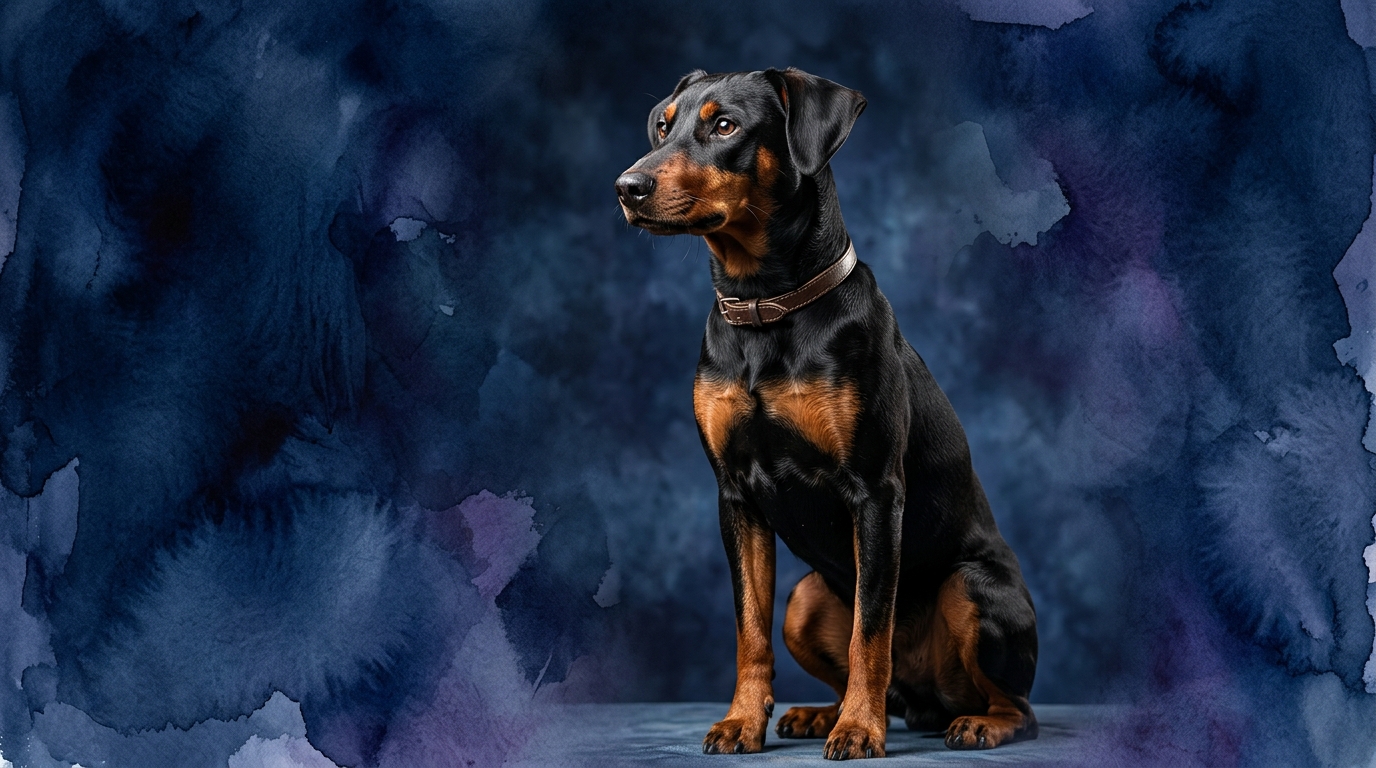
In contrast, the **German Pinscher**, a robust farm dog originating from Germany, expresses its 3/5 problem-solving through more physical and task-oriented ingenuity, such as figuring out how to bypass barriers or locate hidden toys. Their 3/5 training speed indicates a quick learner, but one who requires consistent engagement and varied tasks to prevent boredom, which can lead to independent, less desirable pursuits. Their 3/5 social intelligence is characterized by forming strong, protective bonds with their core family, often with a confident and sometimes assertive demeanor towards unfamiliar dogs or people, requiring careful socialization. An instinctive drive score of 3/5 manifests as a strong prey drive, historically for vermin, and a pronounced guarding instinct, requiring appropriate outlets. Finally, their 3/5 memory ensures they retain training, boundaries, and past experiences with clarity, making consistency paramount in their upbringing.
Where the Tibetan Spaniel Excels Cognitively
The Tibetan Spaniel's cognitive strengths shine in areas demanding nuanced social perception and self-reliant adaptability within a companion role. Their 3/5 social intelligence allows them a profound understanding of the human emotional landscape within their immediate family, often anticipating needs or moods with subtle gestures rather than overt demands. This translates into an exceptional ability to integrate seamlessly into a household, acting as a quiet, observant confidant.
Furthermore, their problem-solving, while not geared towards complex obedience tasks, excels in practical, comfort-oriented solutions. A Tibetan Spaniel can independently entertain itself, find the prime napping spot, or subtly 'herd' a family member towards a desired interaction, demonstrating a self-sufficiency that requires less constant direction compared to more task-driven breeds. Their moderate instinctive drive means they are less prone to chasing or destructive behaviors born of boredom, content to survey their domain from a comfortable perch.
Where the German Pinscher Excels Cognitively
The German Pinscher's cognitive advantages are rooted in their working heritage, manifesting as robust, action-oriented intelligence. Their 3/5 problem-solving capability is often directed towards physical challenges, such as navigating agility courses, outsmarting a puzzle toy, or identifying novelties in their environment that require investigation. This breed possesses a formidable determination when focused on a 'job,' whether it's a training exercise or a perceived duty to guard.
Their combined 3/5 instinctive drive and memory make them excellent at vigilance and recall for specific tasks. German Pinschers are quick to alert their owners to anything out of the ordinary, possessing a strong sense of territory and responsibility. This makes them adept at discerning external threats and remembering the boundaries and rules established for their protective role, provided these are consistently reinforced. Their cognitive profile supports a dog that thrives on purpose and activity, demonstrating sustained focus when adequately stimulated.
Training Dynamics: A Study in Motivation
Neither the Tibetan Spaniel nor the German Pinscher would be labeled as universally "easy" to train, but for very different reasons, despite their identical 3/5 training speed scores. The Tibetan Spaniel, with its independent spirit, often approaches training with a 'what's in it for me?' attitude. They grasp commands swiftly, but their compliance is often discretionary, requiring an owner who can make training feel like a collaborative game rather than a rigid command structure. Success with a Tibbie hinges on positive reinforcement, patience, and understanding their discerning nature, never forcing the issue. Their moderate social intelligence means they respond best to a respectful partnership, rather than an authoritarian approach.
The German Pinscher, conversely, can be an eager student when properly motivated and challenged, but their strong 3/5 instinctive drive and problem-solving abilities mean they can also be headstrong and prone to testing boundaries. They need firm, consistent, and engaging leadership, as boredom can quickly lead to self-directed activities that might not align with owner expectations. Training a German Pinscher requires variety, mental stimulation through puzzle toys or advanced obedience, and clear communication to channel their considerable energy and intelligence constructively. While they learn quickly, managing their inherent drives requires a dedicated and experienced handler who can provide consistent structure and outlets for their physical and mental energy.
Lifestyle Match: Active vs. Relaxed Owners
The differing manifestations of their 3/5 cognitive profiles lead to distinct lifestyle compatibilities. The Tibetan Spaniel, while enjoying regular walks and playtime, is generally adaptable to a more relaxed household pace. Their moderate instinctive drive and problem-solving focus on comfort mean they are often content observing the world from a comfortable vantage point, requiring less intense physical exertion or constant mental tasks. They thrive with owners who appreciate a discerning, affectionate companion content with quiet companionship and thoughtful interaction, fitting well into homes where a calm presence is valued.
The German Pinscher, however, is a breed built for action and mental engagement. Their robust 3/5 instinctive drive and physically oriented problem-solving mean they demand significant daily exercise, consistent training, and ample mental stimulation to prevent boredom and potential behavioral issues. They are an ideal match for active owners who relish outdoor activities, dog sports like agility or obedience, and are prepared to provide consistent leadership and a structured environment. This breed thrives when given a 'job' or a clear purpose, making them a superb partner for those seeking a dynamic and engaged canine companion.
The Verdict: When to Choose Each
The Verdict
Choose the Tibetan Spaniel if you desire a discerning, affectionate companion who offers quiet devotion, thrives in a respectful home, and appreciates an independent, observant presence.
Opt for the German Pinscher if you are an active owner prepared to engage a dynamic, task-oriented partner through consistent training, vigorous activity, and a clear sense of purpose.
🧠 Find Your Pet's IQ Score
Our Pet IQ Lab assessment covers 25+ tests across 5 cognitive dimensions — personalized to your breed.
Take the Full IQ Test →Frequently Asked Questions
Are Tibetan Spaniels good with children?
Tibetan Spaniels can be good with older, respectful children, especially if socialized early. They prefer gentle interactions and quiet play, and may be reserved around boisterous youngsters.
Do German Pinschers bark a lot?
Due to their strong guarding instincts, German Pinschers can be quite vocal, using their bark to alert their family to perceived threats or novelties. Consistent training is crucial to manage this tendency.
What's the biggest challenge with a German Pinscher?
The primary challenge with a German Pinscher is managing their high energy and strong drives, which demand significant commitment to training, socialization, and extensive exercise to prevent boredom and potential destructive behaviors.