Side-by-Side IQ Profile: Unpacking the 3/5 Score
Both the Tibetan Terrier and the Coton de Tuléar score a consistent 3 out of 5 across all five dimensions of intelligence measured by The Cosmic Pet Pet IQ Lab. This consistent rating suggests a balanced cognitive ability, neither excelling nor struggling significantly in any single area. For both breeds, a 3/5 indicates a capable mind, adaptable and responsive, but perhaps not pioneering new solutions with extreme rapidity or exhibiting profound working drives.
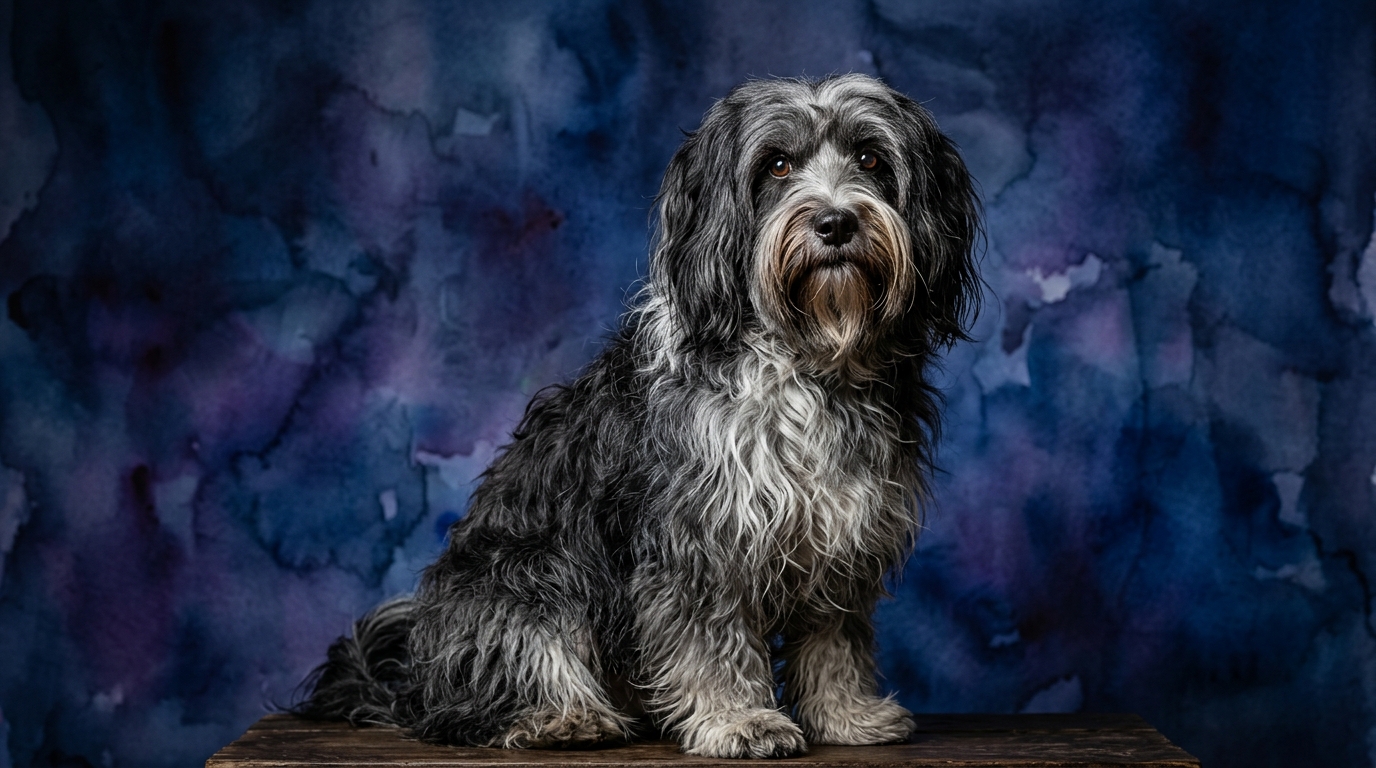
For the Tibetan Terrier, a breed with a history spanning centuries as companion and sentinel in monasteries, this 3/5 in Problem Solving indicates a thoughtful approach. They are not impulsive but will methodically assess situations, often relying on observation and learned patterns to navigate their environment or resolve minor challenges, such as figuring out how to get to a favored spot. Their Training Speed at 3/5 reflects a capacity to learn new commands and routines, though their independent streak means they respond best to clear, consistent instruction and positive reinforcement that makes sense to them, rather than rote repetition. Social Intelligence at 3/5 manifests as a deep, discerning bond with their immediate family, understanding their moods and routines, while often maintaining a reserved, watchful demeanor with strangers. Instinctive Drive at 3/5 points to their historical role: a moderate drive for observation, alerting, and companionship, rather than intense hunting or herding. Their Memory, also 3/5, allows them to retain a good repertoire of commands, remember past experiences, and recognize familiar faces and places with reliable accuracy.
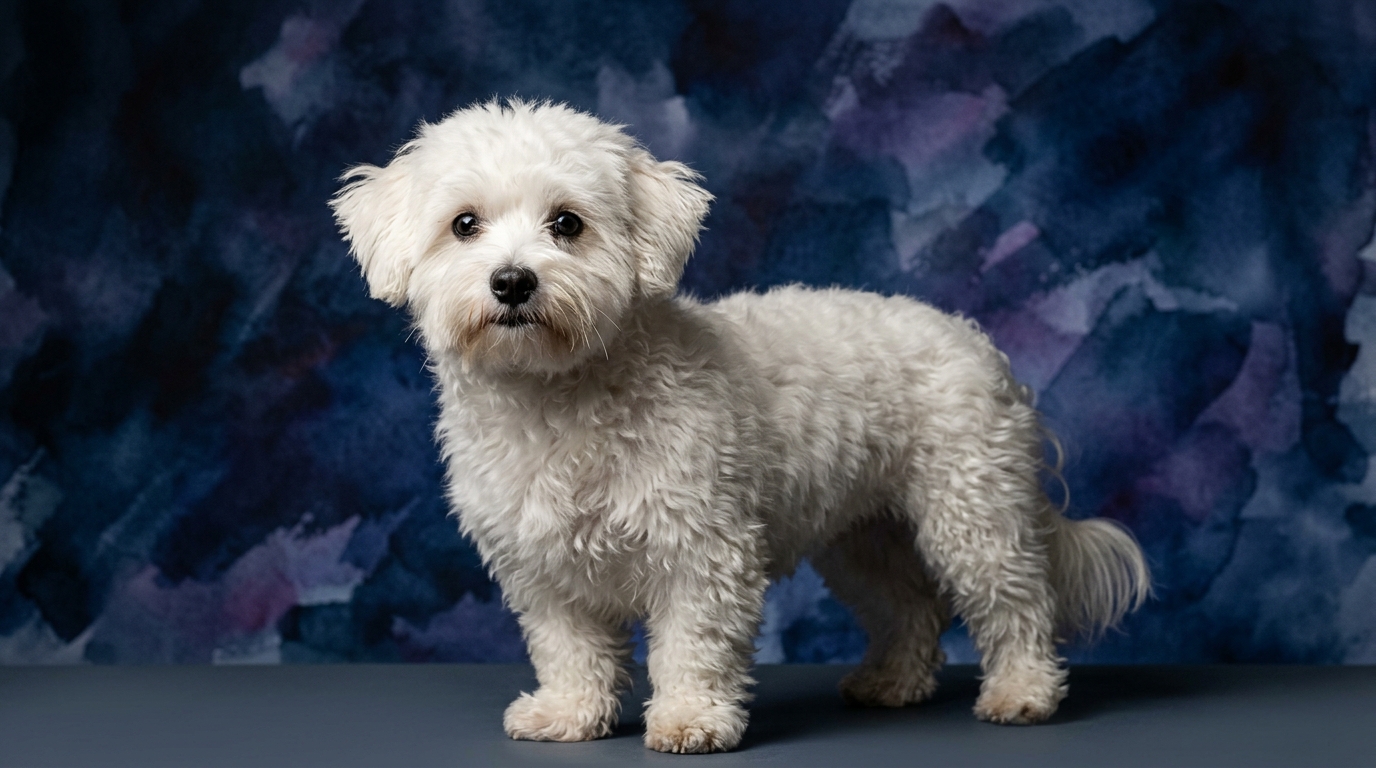
The Coton de Tuléar, a breed originating from Madagascar and known for its joyful companion nature, also earns a 3/5 in Problem Solving. For the Coton, this often means they are adept at figuring out how to get attention, manipulate toys, or navigate household obstacles, frequently employing their charm and curiosity. Their Training Speed, rated 3/5, benefits greatly from their inherent eagerness to please and love of interaction; while their raw processing speed is similar to the Tibetan Terrier, their motivation to engage in training sessions can make the learning process feel smoother and more enjoyable for the owner. Social Intelligence at 3/5 is a hallmark of the Coton, expressed through their deep emotional connection with their human family, their ability to read subtle cues, and their desire to be an integral part of daily life, often mirroring their owners' moods. Instinctive Drive at 3/5 reflects their primary role as a companion; their drives are centered around play, interaction, and providing comfort, with a moderate tendency to alert to new sounds. Their Memory, also 3/5, ensures they recall learned tricks, routines, and the individuals who provide the best cuddles or treats, allowing for consistent behavior and strong bonds.
Where the Tibetan Terrier Excels Cognitively
While their raw scores are identical, the Tibetan Terrier's cognitive strengths often manifest in areas requiring a degree of thoughtful independence and observational acumen. Their 3/5 in Problem Solving, combined with their historical role as temple guardians and companions, often translates into a keen spatial awareness and an ability to navigate complex home environments with a quiet self-sufficiency. They are often adept at understanding household dynamics without constant human intervention, perhaps figuring out how to open a specific door or access a comfortable spot through observation and a touch of persistence, rather than outright trial and error. This self-reliance in problem-solving contributes to their reputation as thoughtful, discerning companions.
Furthermore, their Social Intelligence, while scoring 3/5, tends to be more about subtle understanding and selective bonding. A Tibetan Terrier might 'win' in situations demanding a nuanced reading of a household's general mood or a specific individual's routine, adapting their behavior without needing overt cues. They might anticipate a family member's return or understand when quiet companionship is preferred, showcasing a deep, internal processing of social information that isn't always outwardly effusive. Their moderate Instinctive Drive also means they often possess a balanced sense of their environment, alert but not overly reactive, making their observational memory particularly strong for changes in routine or unusual occurrences.
Where the Coton de Tuléar Excels Cognitively
The Coton de Tuléar, despite identical 3/5 cognitive scores, often shines in areas demanding expressive social engagement and a delightful adaptability. Their Problem Solving at 3/5 frequently manifests with a playful ingenuity, particularly when the 'problem' involves gaining attention, acquiring a toy, or initiating a game. They might devise charming strategies to coax interaction from their humans, demonstrating a creative application of their cognitive abilities driven by their companion nature. This isn't just about solving a puzzle; it's about solving a social interaction puzzle with a winning personality.
Their 3/5 in Social Intelligence is often perceived as a 'win' due to its highly interactive and reciprocal nature. Cotons excel at mirroring human emotions and actively seeking to engage, making them exceptionally responsive to social cues and expressions. They are often quicker to offer comfort or solicit play through direct eye contact and body language, making their social cognitive understanding feel more immediate and outwardly communicative. This eagerness to participate and connect makes their Training Speed, also 3/5, seem more efficient, as they are often intrinsically motivated by the joy of working alongside their human, valuing the shared experience as much as the reward itself. Their memory serves this social drive well, allowing them to recall specific interactions and the best ways to elicit positive responses from their family members.
Which Is Easier to Train and Why?
When considering ease of training, despite both breeds scoring 3/5 for Training Speed, real-world experience often points to subtle differences rooted in temperament. The Coton de Tuléar is generally perceived as easier to train for the average owner. This isn't due to a superior cognitive capacity, but rather their inherent eagerness to please and their strong desire for human interaction. Cotons thrive on positive reinforcement and view training as a fun, engaging activity that strengthens their bond with their person. Their desire to be the center of attention and their joyful disposition mean they are often highly motivated to cooperate, making them responsive to commands and quick to pick up new tricks when the training is kept light and rewarding. Their social intelligence makes them very attuned to their trainer's feedback, which further streamlines the process.
The Tibetan Terrier, while equally capable of learning with a 3/5 Training Speed, can present more of a challenge due to their independent and thoughtful nature. They are not inherently driven to 'please' in the same overt way a Coton is; instead, they often need to understand the 'why' behind a command or be adequately motivated. Their intelligence allows them to learn, but their independence means they might choose whether or not to comply if they don't see the immediate benefit or if they find the task repetitive. Training a Tibetan Terrier requires patience, consistency, and a creative approach to motivation, often appealing to their problem-solving skills and rewarding their cooperation rather than expecting blind obedience. They respect a calm, confident leader but will question arbitrary demands, requiring an owner who understands their nuanced approach to learning.
Which Suits Active Owners vs. Relaxed Owners?
The choice between a Tibetan Terrier and a Coton de Tuléar also hinges significantly on an owner's lifestyle and activity level, even with their similar cognitive profiles influencing how they engage with their environment. The Tibetan Terrier, with its balanced instinctive drive and thoughtful nature, often suits owners who appreciate a companion capable of moderate activity but who also value quiet companionship. They enjoy walks, hikes, and exploring, demonstrating good stamina, but are equally content to observe from a comfortable spot. Their independence means they don't constantly demand attention, making them suitable for individuals or families who can provide consistent engagement and mental stimulation but also respect their need for downtime and self-directed activity. They are observant and watchful, making them excellent companions for owners who enjoy a dog that is present and engaged, but not overly clingy.
The Coton de Tuléar, on the other hand, with its joyful disposition and strong social intelligence, generally suits owners looking for a highly interactive and playful companion. While they don't necessarily require extreme physical exertion, they thrive on consistent social interaction, play sessions, and being an active participant in family life. Their moderate instinctive drive is channeled into playful antics and a desire to be close to their people, making them an ideal fit for relaxed owners who are home frequently and eager to engage in games, cuddles, and consistent companionship. They are adaptable to various living situations but are happiest when their human companions are readily available for affection and playful mental stimulation. Owners who enjoy a dog that is always ready for interaction and brings a cheerful presence will find a Coton a delightful match.
The Verdict: When to Choose Each
The Verdict
Choose the Tibetan Terrier if you appreciate a thoughtful, independent companion with a discerning loyalty and a moderate activity level, valuing a dog that observes and participates in its own unique, self-reliant way. They thrive with patient owners who respect their innate independence and can provide consistent, engaging training that appeals to their intelligence.
Opt for the Coton de Tuléar if you desire a highly interactive, cheerful, and charming companion who thrives on social engagement and loves to be at the heart of family life. They are an excellent fit for owners who enjoy playful interactions, consistent affection, and a dog that is eager to please and easily motivated by positive reinforcement.
🧠 Find Your Pet's IQ Score
Our Pet IQ Lab assessment covers 25+ tests across 5 cognitive dimensions — personalized to your breed.
Take the Full IQ Test →Frequently Asked Questions
Do Tibetan Terriers and Coton de Tuléars have similar needs for mental stimulation?
Yes, both breeds, with their 3/5 IQ scores across the board, benefit from regular mental stimulation to prevent boredom and foster engagement. This can include puzzle toys, learning new tricks, or engaging in interactive play sessions, tailored to their individual temperaments.
Are Tibetan Terriers and Coton de Tuléars good with children?
Both breeds can be good with children, though their approach differs. Tibetan Terriers are often patient and watchful, forming strong bonds within the family. Cotons are generally playful and affectionate, thriving on interaction, but supervision is always key with any dog and child.
Which breed is better for apartment living?
Both breeds can adapt well to apartment living provided their exercise and mental stimulation needs are met. The Coton de Tuléar might be slightly more content with indoor play and shorter walks if its social needs are consistently fulfilled, while the Tibetan Terrier appreciates a bit more outdoor exploration and observation time.