Side-by-Side Cognitive Profiles: The Pet IQ Lab Breakdown
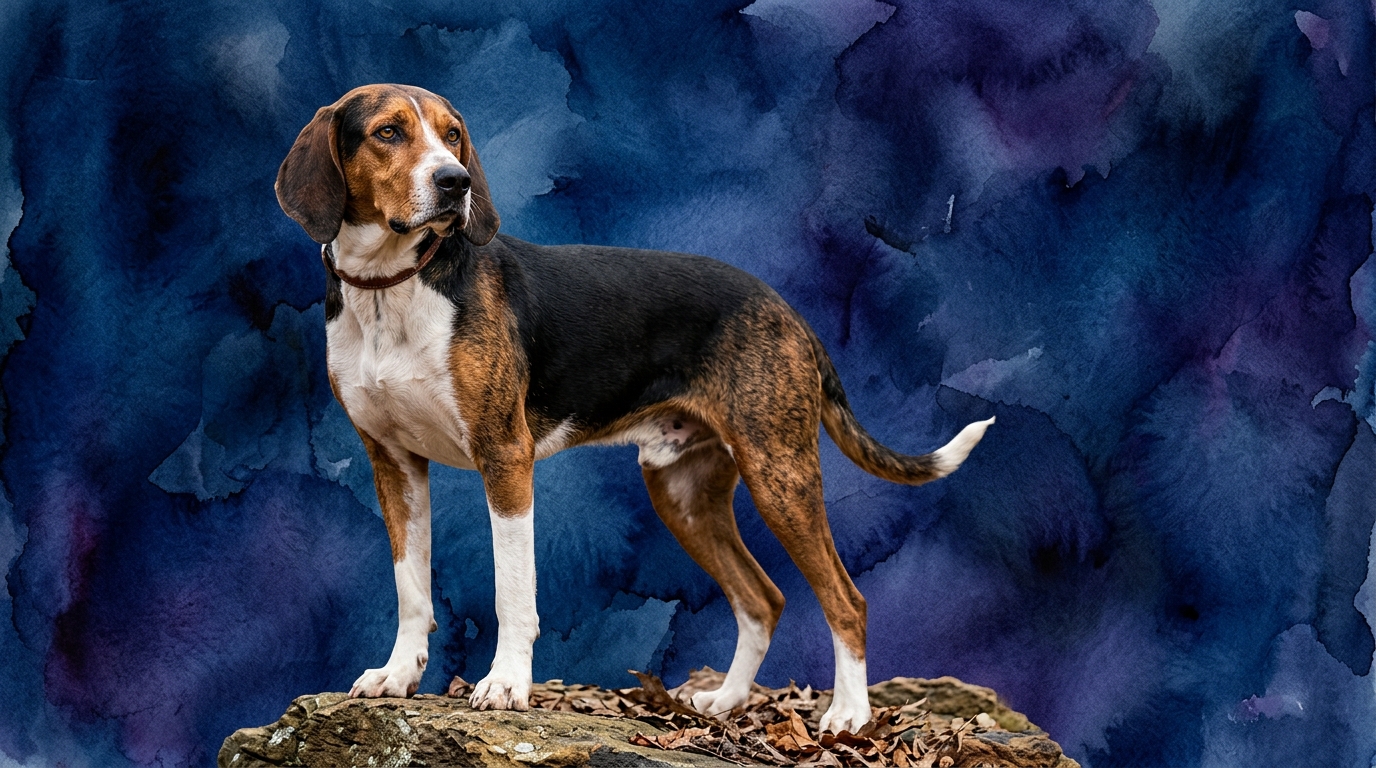
**Treeing Walker Coonhound (Hound):** Their problem Solving (3/5) is deeply rooted in scent-tracking, excelling at following complex trails and navigating terrain using olfactory cues. This isn't abstract, but practical, real-world challenges where their nose is paramount. Training Speed (3/5) is moderate, but their independent streak and single-minded focus on scent can influence consistency. Social Intelligence (3/5) is moderate, generally amicable with family, though less attuned to subtle human emotional shifts than some companion breeds. Their instinctive Drive (3/5) is profoundly tied to hunt-and-tree heritage, manifesting as a powerful urge to follow scents and vocalize. Memory (3/5) is good for routines, commands, and especially scent trails, vital for their working role and often context-dependent.
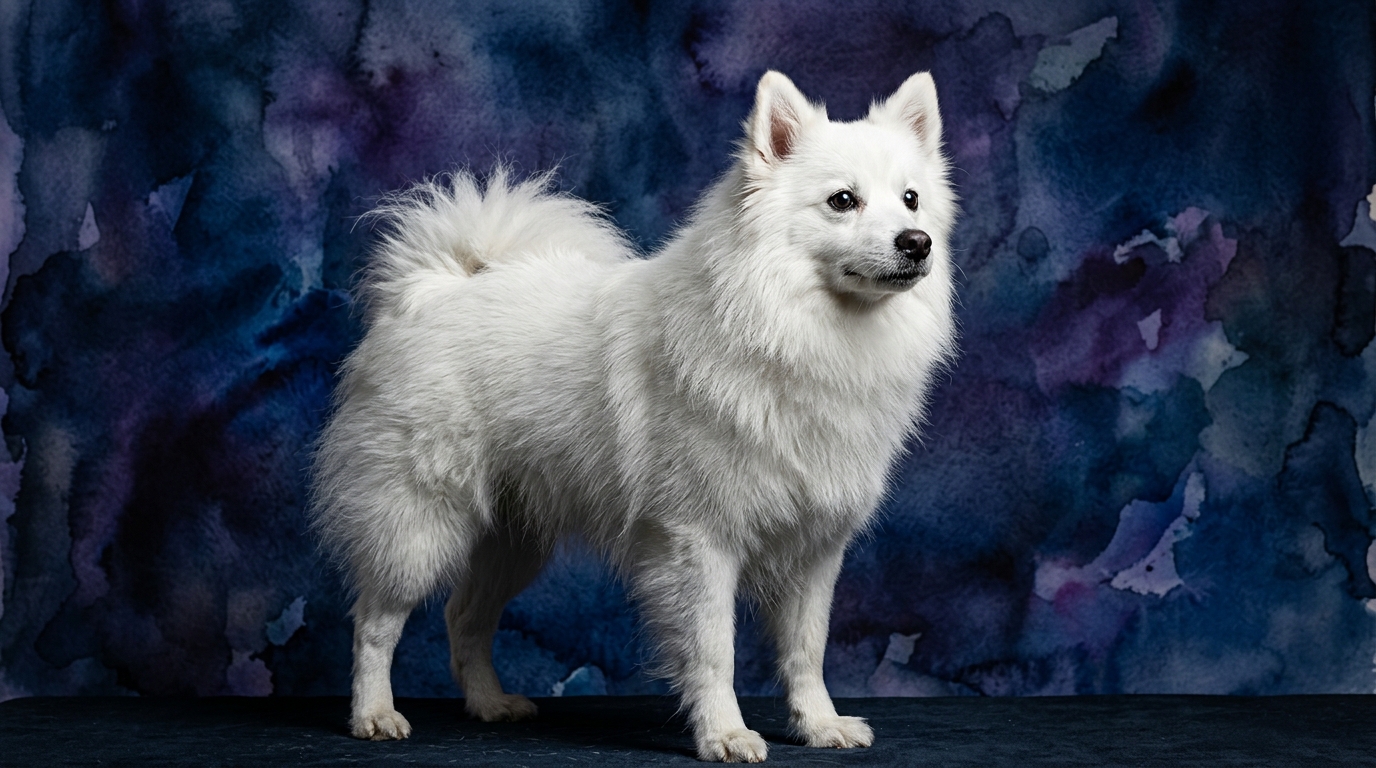
**American Eskimo Dog (Non-Sporting):** Eskies demonstrate practical problem Solving (3/5), often figuring out how to manipulate objects, open gates, or master complex trick sequences. Their problem-solving is about understanding cause-and-effect in domestic or performance contexts. Training Speed (3/5) is moderate; they are generally eager to please, picking up commands readily with consistent positive reinforcement. However, their independent spirit means they aren't always blindly obedient. Social Intelligence (3/5) is moderate to high, often very attuned to family moods and intentions, forming strong bonds. Their instinctive Drive (3/5) is rooted in their companion and performer history, manifesting as a strong desire for interaction, keen observation, and vocalization. Memory (3/5) is good for commands, routines, and household rules, excelling in recalling complex trick sequences or agility courses.
Where the Treeing Walker Coonhound's Mind Shines
The Treeing Walker Coonhound's cognitive strengths are profoundly shaped by its heritage as a trailing and treeing hound. Their primary triumph lies in their unparalleled instinctive drive and problem-solving capabilities within the realm of scent work. A Treeing Walker can meticulously follow a faint, cold scent trail for miles, navigating challenging terrain and discerning the target animal's path from countless distractions. This isn't just physical; it's a complex cognitive process involving sophisticated scent discrimination, memory of previous turns, and predictive reasoning based on animal behavior. Their focus on this task is legendary; once a scent is engaged, their singular purpose overrides almost all other stimuli, showcasing a deep, specialized intelligence for their intended purpose. Their memory is exceptional for recalling specific scent profiles and the intricacies of a particular trail, making them unmatched in scenarios requiring sustained, independent pursuit driven by olfaction.
Unpacking the American Eskimo Dog's Cognitive Strengths
The American Eskimo Dog, conversely, excels in areas reflecting its history as a versatile companion and performer. Their cognitive strengths lean towards social intelligence and adaptable problem-solving within human-centric environments. Eskies often demonstrate a keen ability to "read" their owners, understanding subtle cues and anticipating desires, making them highly responsive companions. This social attunement means they often pick up on household routines and expectations quickly, adjusting their behavior accordingly. Their problem-solving manifests not in tracking, but in figuring out logical sequences for tasks, such as manipulating latches, retrieving specific items, or mastering intricate trick routines. They possess a natural curiosity and a desire to engage, often initiating interactions or finding creative ways to entertain. This adaptability and quick thinking, combined with a good memory for learned behaviors and social dynamics, makes them particularly adept at navigating domestic settings and excelling in performance-based activities.
Training Dynamics: Which Breed Learns with More Ease?
Despite both breeds scoring 3/5 in training Speed, the *nature* of their training experience differs significantly due to their behavioral predispositions. The American Eskimo Dog often presents as "easier" to train for the average companion owner due to its inherent desire to please and focus on human interaction. While they possess an independent streak, Eskies are generally motivated by praise, treats, and engagement with their people. They pick up new commands and tricks with enthusiasm, thriving in various training modalities from basic obedience to agility. Their vocal nature can be a training challenge, requiring early management. The Treeing Walker Coonhound, while equally capable, requires a more specific and patient approach. Their powerful instinctive drive for scent work means external stimuli can easily override commands. Training reliable recall demands immense consistency and high-value rewards to compete with a trail's allure. They respond best to training that leverages their natural drives, as their independent problem-solving means they might question commands if a more compelling option arises.
Lifestyle Match: Cognitive Fit for Active vs. Relaxed Owners
Matching cognitive profiles to owner lifestyles is crucial for a harmonious relationship. For the **active owner** who enjoys outdoor pursuits like hiking, scent work, or long, exploratory walks, the Treeing Walker Coonhound is an exceptional fit. Their powerful instinctive drive and specialized problem-solving skills demand outlets that engage their nose and endurance. A relaxed owner unable to provide consistent opportunities for the Coonhound to 'work' its nose and expend energy will likely encounter a frustrated, potentially destructive, and vocal dog. Their intelligence thrives when given a purpose related to their heritage. The American Eskimo Dog, while also active, offers a different kind of engagement, suitable for owners **active in a more interactive, companion-focused way**. Eskies require mental stimulation through training, games, and social interaction, alongside regular physical exercise. Their social intelligence and adaptable problem-solving mean they excel in homes where they are central to family activities, whether learning tricks or participating in dog sports. Neither breed is truly suited for a "relaxed" owner with minimal engagement, but the *type* of activity they require differs.
The Verdict
Choose the Treeing Walker Coonhound if you are an active individual or family deeply committed to providing extensive scent-based activities, long outdoor excursions, and patient, consistent training that respects their independent, driven nature. They thrive with owners who appreciate their specialized working intelligence and can channel their powerful instincts.
Opt for the American Eskimo Dog if you seek a highly interactive, intelligent companion eager to learn tricks, participate in dog sports, and be a central, engaged member of an active family. They suit owners who enjoy consistent mental stimulation and social interaction with their canine partner.
🧠 Find Your Pet's IQ Score
Our Pet IQ Lab assessment covers 25+ tests across 5 cognitive dimensions — personalized to your breed.
Take the Full IQ Test →Frequently Asked Questions
Do both breeds require a lot of mental stimulation despite their similar IQ scores?
Absolutely. While their numerical IQ scores are identical, the *type* of mental stimulation they require differs significantly. Treeing Walkers need outlets for their scenting instincts, while American Eskimo Dogs thrive on interactive training, problem-solving games, and social engagement.
Which breed is better for a first-time dog owner?
The American Eskimo Dog might be a more manageable choice for a first-time owner due to its general eagerness to please and adaptability in domestic settings, provided the owner is committed to consistent training and socialization. Treeing Walker Coonhounds' strong independent drive and vocal nature can be challenging for inexperienced handlers.
How does their 'instinctive drive' manifest differently with the same 3/5 score?
For the Treeing Walker Coonhound, the 3/5 instinctive drive is overwhelmingly focused on scent tracking and vocalizing, demanding strenuous physical and mental engagement in outdoor pursuits. For the American Eskimo Dog, its 3/5 drive manifests as a need for social interaction, a keen watchdog nature, and an eagerness for performance-based activities like agility or tricks.