A Deep Dive into Cognitive Profiles
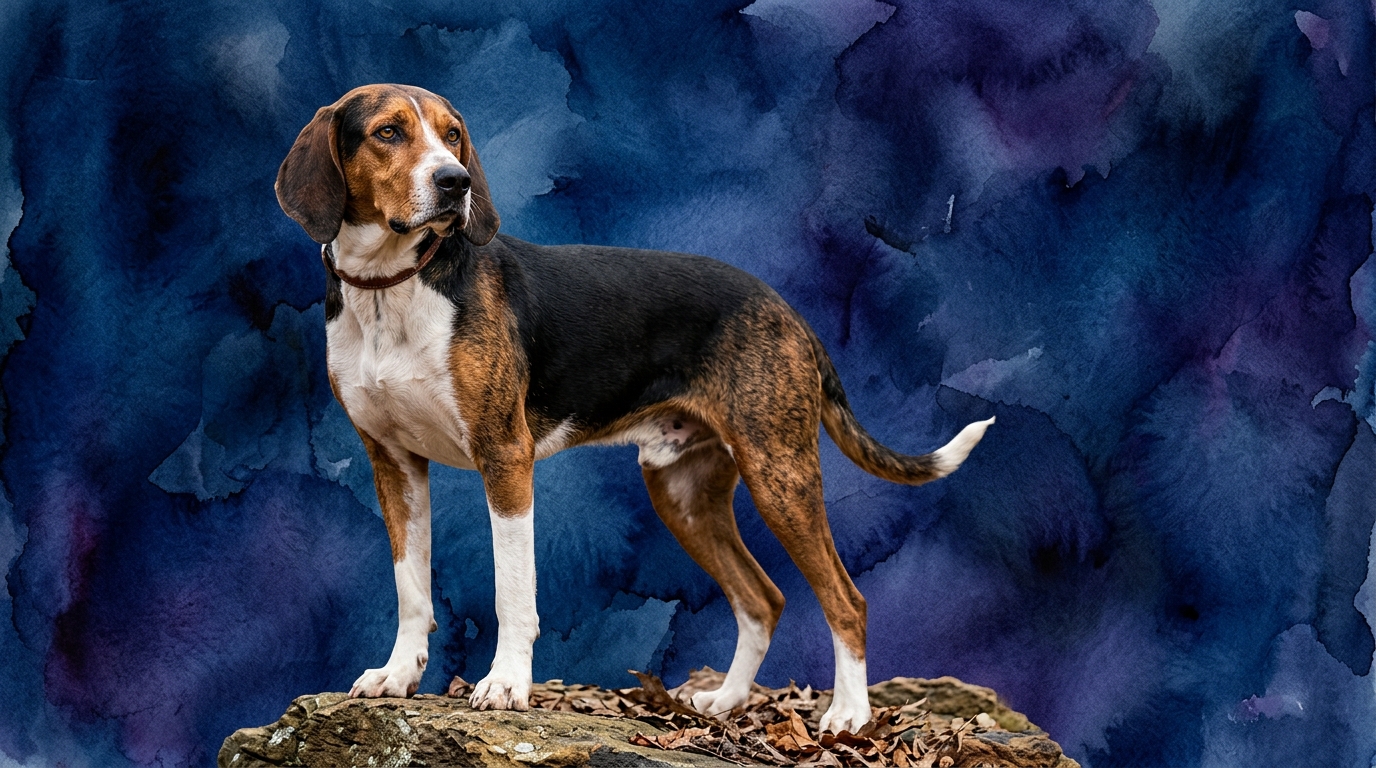
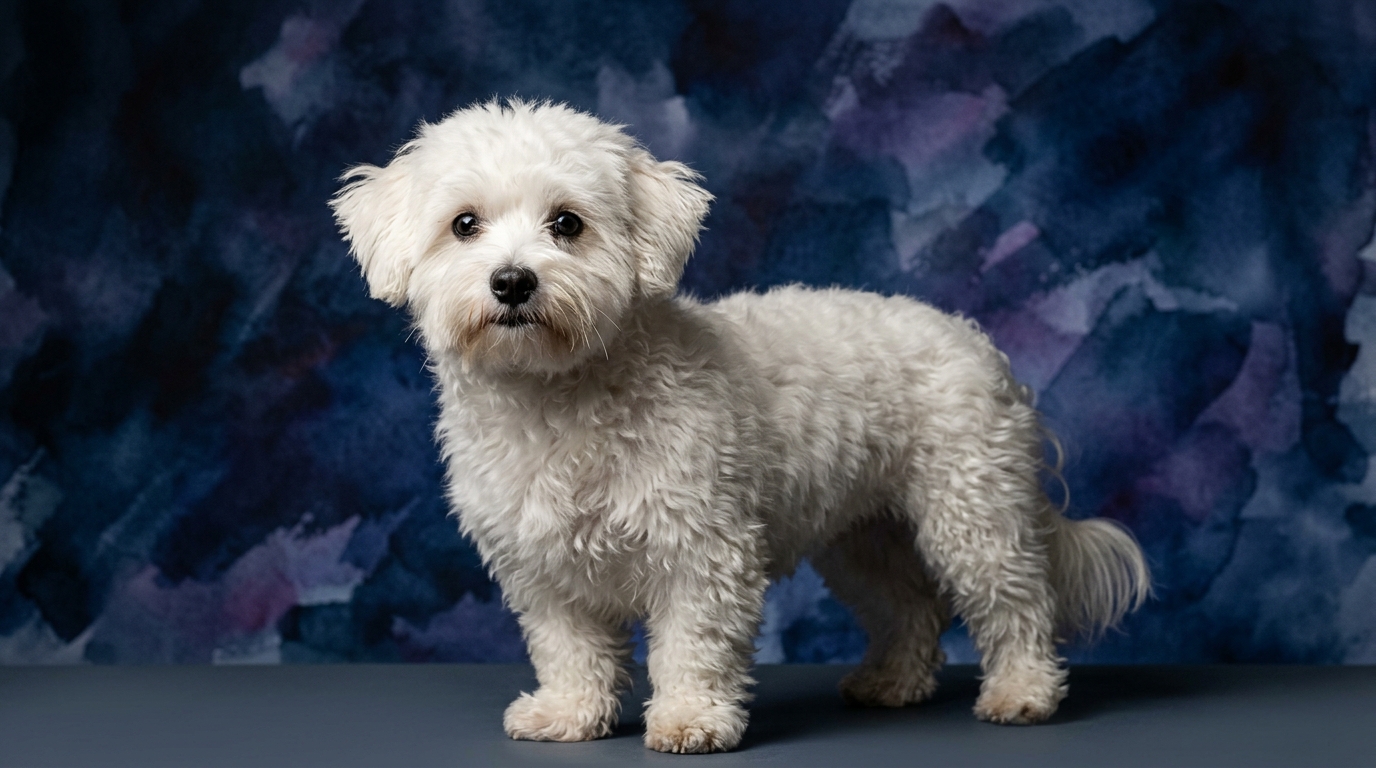
**Problem Solving (3/5 for both):** For the Treeing Walker Coonhound, a 3/5 in problem-solving manifests in their ability to independently follow complex scent trails, navigate varied terrain, and strategize how to 'tree' quarry. This requires sustained focus and decision-making far from human direction, demonstrating practical, goal-oriented ingenuity specific to their hunting heritage. The Coton de Tuléar's 3/5 in problem-solving shines through their adaptability and ability to decipher human routines and social cues. They apply their intelligence to figuring out how to get attention or manipulate toys, demonstrating cleverness in navigating domestic life and social challenges with charming resourcefulness.
**Training Speed (3/5 for both):** A 3/5 for Training Speed in a Coonhound means they are capable of learning, but their strong instinctive drive can be a significant factor. They absorb commands, yet intense focus on scent often makes them appear distracted, requiring immense patience and creative integration of their drives. The Coton's 3/5 in Training Speed often reflects a willingness to engage and a desire to please their companions. They typically pick up new commands at a moderate pace, especially with positive reinforcement, and their cooperative nature contributes to a generally positive and responsive training experience.
**Social Intelligence (3/5 for both):** The Coonhound's 3/5 in social intelligence is primarily geared towards pack dynamics and their working relationship with a hunter, exhibiting cooperation and communication within a hunting team. While affectionate with family, their social interactions are often less about nuanced emotional reciprocity and more about understanding cues related to their job. The Coton's 3/5 in social intelligence shines through their role as a devoted companion; they are adept at reading human emotions, adjusting behavior to match moods, and thriving on interaction, forming strong, reciprocal bonds within a family unit.
**Instinctive Drive (3/5 for both):** For the Treeing Walker Coonhound, this 3/5 is profoundly expressed in their unparalleled scent drive; their world is dictated by smells, and their instinct to track, chase, and 'tree' is incredibly powerful. This drive is a fundamental aspect of their being, guiding actions and motivations, demanding appropriate outlets. The Coton's 3/5 in instinctive drive is less about a singular, overwhelming urge and more about a combination of companion-oriented behaviors. This includes a strong desire for companionship, a playful disposition, and an inherent adaptability, reflecting their historical role as lap dogs.
**Memory (3/5 for both):** A 3/5 for memory in a Coonhound implies robust recall of scent trails, hunting territories, and learned hunting strategies, crucial for their working performance. They can remember complex routes and locations of past successes, with memory being exceptionally strong for environmental cues and experiences related to their primary drive. The Coton's 3/5 in memory is evident in their ability to recall routines, people, and specific pleasant or unpleasant experiences within their home. They remember commands and retain complex tricks, with memory particularly keen for social interactions and associated rewards, aiding smooth family integration.
Treeing Walker Coonhound's Distinctive Cognitive Edge
The Treeing Walker Coonhound truly excels in the realm of sustained, independent problem-solving driven by olfaction. Their cognitive processes are uniquely wired to decipher complex scent puzzles, following faint traces across varied landscapes for hours without direct human intervention, a task requiring extraordinary focus and decision-making based on sensory input. This deep-seated instinctive drive, rated 3/5, translates into a mental stamina that few other breeds possess, allowing them to maintain cognitive engagement on a single, self-directed task for extended periods. Their memory for specific scent patterns and successful hunting strategies is exceptionally robust, enabling them to refine their approach over time and become incredibly efficient in their specialized field.
Coton de Tuléar's Unique Cognitive Strengths
The Coton de Tuléar's cognitive strengths lie in their remarkable social intelligence and adaptability, both rated 3/5. They possess an uncanny ability to read and respond to human emotions and intentions, often anticipating their owner's needs or moods, which makes them highly attuned companions. This allows them to adjust their behavior to fit various social situations, from a quiet evening at home to a lively gathering. Their problem-solving, also 3/5, is often geared towards navigating social dynamics and manipulating their environment to maximize comfort and companionship. They are clever at figuring out how to initiate play, gain attention, or subtly influence household routines, showcasing a charming, people-centric form of ingenuity.
Training Dynamics: Coonhound vs. Coton
When considering ease of training, both breeds score a 3/5, yet their inherent behavioral differences create vastly different experiences. The Treeing Walker Coonhound, with its strong instinctive drive for scent work, can present a training challenge due to its independent nature and tendency to follow its nose above all else. Commands might be understood, but if a compelling scent is present, their focus can shift entirely, requiring a trainer to be exceptionally patient, consistent, and creative in making training more rewarding than the allure of a trail.
Conversely, the Coton de Tuléar's 3/5 training speed is often perceived as more cooperative due to their strong desire for social interaction and pleasing their owners. They are typically motivated by praise and treats, and their lower instinctive drive for independent hunting means fewer distractions during sessions. While they may not grasp complex commands instantly, their willingness to engage and their focus on their human makes the training process generally smoother and more responsive, though they can be sensitive to harsh methods.
Matching Cognitive Profiles to Lifestyles
Owners with an active, outdoorsy lifestyle who appreciate a dog with a powerful, independent spirit might find the Treeing Walker Coonhound a superb match. Their cognitive profile demands significant physical exertion coupled with mental stimulation that taps into their innate scenting abilities. They thrive in environments where they can engage their problem-solving and instinctive drive in long hikes, scent work games, or even participation in tracking sports, making them ideal for individuals or families who embrace exploration and outdoor adventure.
For those seeking a more relaxed, adaptable companion whose intelligence shines in social settings, the Coton de Tuléar is an excellent choice. Their cognitive strengths are perfectly suited for integrating into a variety of home environments, from apartments to larger houses, provided they receive consistent companionship and moderate daily activity. Their social intelligence and problem-solving skills make them engaging partners for indoor games, puzzle toys, and extensive interaction with their human family, appealing to owners who desire a devoted and charming presence.
The Verdict
Choose the Treeing Walker Coonhound if you are an experienced owner prepared to channel a powerful scent drive into structured activities, appreciating a dog with independent problem-solving skills for outdoor adventures.
Opt for the Coton de Tuléar if you seek a highly adaptable, socially astute companion who thrives on close human interaction and whose cleverness enriches daily home life.
🧠 Find Your Pet's IQ Score
Our Pet IQ Lab assessment covers 25+ tests across 5 cognitive dimensions — personalized to your breed.
Take the Full IQ Test →Frequently Asked Questions
Do Treeing Walker Coonhounds and Coton de Tuléars learn at the same pace?
While both breeds have a Training Speed score of 3/5, their learning experiences differ due to inherent breed traits. Coonhounds can learn quickly but their strong scent drive often distracts them, requiring more patient and consistent training focused on their natural instincts. Cotons, driven by a desire to please and less prone to intense external distractions, often appear more cooperative and responsive in training sessions, making the process feel smoother for the average owner.
Which breed is better with children, considering their social intelligence?
The Coton de Tuléar, with its social intelligence geared towards family integration and reading human cues, is generally an excellent choice for families with children, offering a gentle and adaptable presence. Treeing Walker Coonhounds can be good with respectful children, but their powerful hunting instincts and need for extensive exercise mean they might be less tolerant of boisterous play without proper supervision and training, or might unintentionally knock over smaller children due to their size and enthusiasm.
How do their problem-solving skills manifest differently in a home environment?
A Treeing Walker Coonhound's problem-solving in a home might involve figuring out how to access a tantalizing scent source, even if it means opening cupboards or gates. A Coton de Tuléar, on the other hand, might use their problem-solving to figure out how to get your attention for a game, retrieve a hidden toy, or even subtly communicate a need, demonstrating their cleverness in navigating social and domestic challenges.