
Side-by-Side IQ Profile: Unpacking Identical Scores
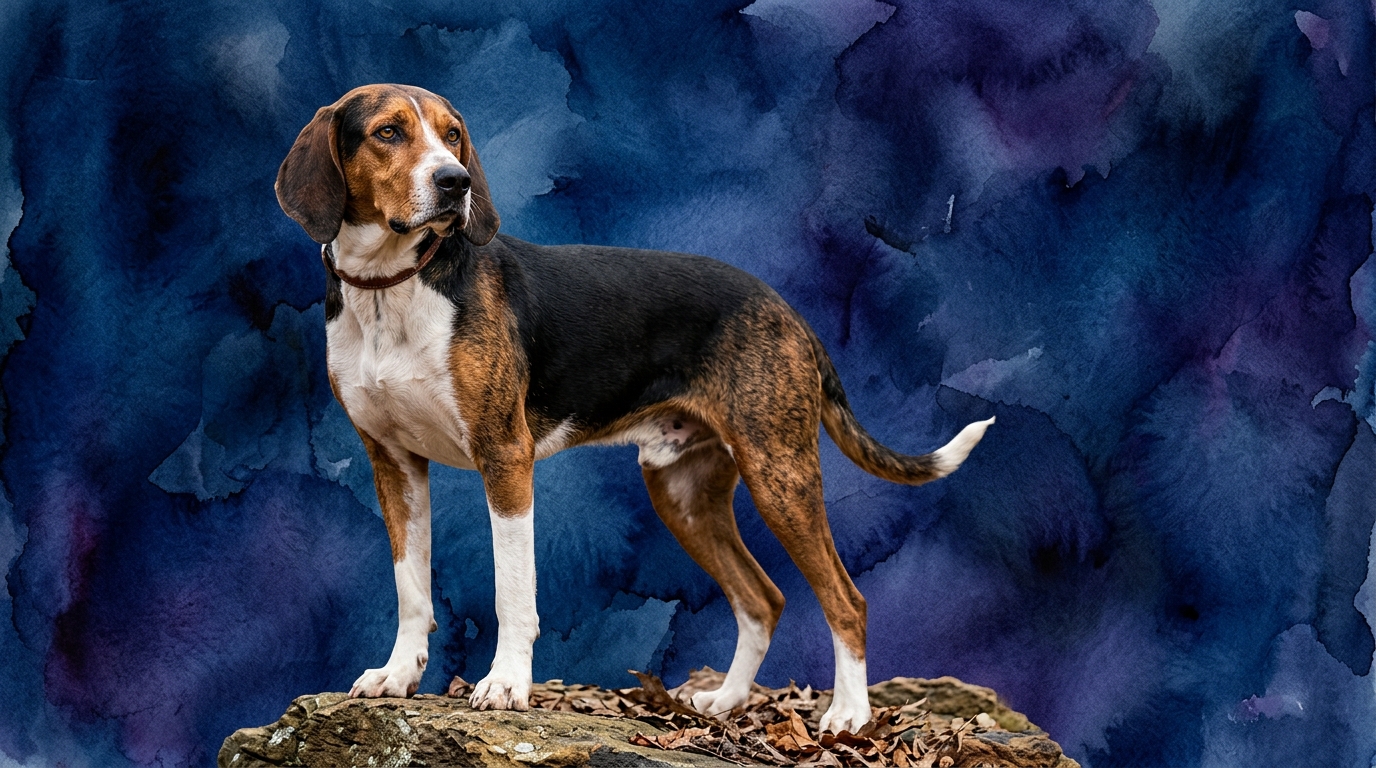
For the Treeing Walker Coonhound, a 3/5 in Problem Solving reflects their formidable ability to navigate complex scent trails, often over challenging terrain, to locate their quarry. This isn't about solving abstract puzzles; rather, it’s a highly specialized cognitive skill for practical, real-world application in pursuit. They display tenacity in figuring out how to overcome obstacles – whether a fallen log or a winding creek – to stay on a scent. Their problem-solving is intrinsically linked to their hunting purpose, demanding sustained focus and adaptability in dynamic environments. A 3/5 for Training Speed indicates a moderate pace for learning new commands. While eager to please their human companions, especially within a working context, their formidable instinctive drive can sometimes present a delightful challenge. They absorb information effectively when training methods are consistent, positive, and acknowledge their powerful olfactory distractions. Learning for a Coonhound often requires an owner who understands their intrinsic motivations and can channel them productively.
Their 3/5 in Social Intelligence manifests as a strong pack mentality and a deep connection with their human family. Treeing Walker Coonhounds are adept at reading human cues, particularly during hunts or shared activities, understanding intentions and working cooperatively. They express their needs and excitement vocally, communicating effectively within their social structure, and thrive on companionship and clear leadership from their chosen people. Their 3/5 Instinctive Drive highlights their robust, innate drive for scent work, tracking, and baying. It is the very core of their being, a powerful cognitive engine that directs much of their behavior and provides immense satisfaction when fulfilled. This isn't merely an urge; it's a sophisticated, hardwired program that enables them to excel at their historical role, requiring significant mental and physical engagement to manage. A 3/5 in Memory means these hounds possess a strong recall for scents, established trails, and learned hunting patterns. They can remember complex sequences of actions and locations relevant to their work. While they can recall basic obedience, their memory is particularly sharp for environmental cues and experiences tied to their powerful sense of smell, allowing them to revisit and interpret sensory information over time.
The Japanese Chin’s 3/5 in Problem Solving manifests differently, focusing on cleverness within their domestic sphere. They excel at figuring out how to achieve desired outcomes, such as manipulating a toy to get a treat, finding the warmest sunbeam, or subtly signaling for attention. Their problem-solving often involves observing human behavior and adapting their actions to elicit a specific response, showcasing an astute understanding of their immediate environment and social dynamics. A 3/5 in Training Speed for the Japanese Chin indicates they are capable learners, often picking up new commands and house rules with moderate repetition. They respond well to positive reinforcement and engaging, varied training sessions. However, their independent spirit and short attention span for repetitive drills mean that training is most effective when it feels like a game or a social interaction, rather than a rigid command-and-response exercise.
This breed's 3/5 in Social Intelligence is evident in their exceptional attunement to human emotions and routines. Japanese Chins are renowned for their companionable nature, often described as 'cat-like' in their graceful independence, yet deeply connected to their chosen people. They are masterful at reading subtle social cues, understanding when to offer comfort, when to solicit play, and when to simply observe, making them highly intuitive companions. The 3/5 Instinctive Drive for the Japanese Chin centers around companionship, play, and comfort. Their drive isn't for hunting but for social interaction, maintaining a comfortable routine, and engaging in charming, sometimes theatrical, behaviors to entertain themselves and their humans. They have an innate desire to be a central part of their family's life, fulfilling their historical role as lap companions and delightful household members. A 3/5 in Memory means Japanese Chins possess a good recall for daily routines, the preferences of their human family members, and their favorite spots and interactions. They remember commands and learned behaviors, especially when those behaviors are consistently reinforced with positive attention and social rewards. Their memory helps them navigate their domestic world with confidence and predict outcomes based on past experiences.
Where the Treeing Walker Coonhound Wins Cognitively
Despite identical overall scores, the Treeing Walker Coonhound's cognitive strengths shine in specific domains. Their problem-solving, though rated 3/5, is unparalleled in its application to environmental challenges and sustained pursuit. A Coonhound demonstrates a higher cognitive capacity for complex sensory discrimination, sifting through a myriad of smells to isolate and follow a specific scent thread over miles, adapting their strategy based on changes in wind or terrain. This requires a unique blend of focus, sensory processing, and spatial memory that is distinctly different from the Chin's domestic cleverness. Their instinctive drive, also 3/5, translates into a profound mental stamina for sustained tasks, a cognitive endurance that allows them to remain mentally engaged in a singular, demanding objective for extended periods, far surpassing the typical engagement span of a companion breed.
Where the Japanese Chin Wins Cognitively
Conversely, the Japanese Chin, with its identical 3/5 scores, excels in areas where the Coonhound's cognitive design is less focused. Their social intelligence, while rated the same, manifests as a more nuanced understanding of subtle human emotional states and domestic social dynamics. A Chin is often far more adept at anticipating human moods, offering comfort or initiating play at just the right moment, demonstrating a sophisticated ability to 'read the room.' Their problem-solving, though not about tracking, involves a greater capacity for observational learning within a human household, quickly discerning routines and exploiting opportunities for attention or comfort. This involves a level of social manipulation and environmental awareness tailored to a companion role that is distinctly advantageous in a domestic setting.
Which Is Easier to Train and Why
When considering ease of training, the Japanese Chin generally presents fewer inherent challenges for the average owner, despite both breeds sharing a 3/5 training speed. The Chin's instinctive drive is primarily geared towards social interaction and companionship, making them naturally inclined to pay attention to their human's cues within a home setting. Their desire to please and participate in family life means they often view training as a fun, engaging social activity. They are less likely to be overwhelmed by external distractions like enticing outdoor scents, which can profoundly impact a Coonhound's focus. The Treeing Walker Coonhound, while certainly trainable (3/5), requires an owner who deeply understands their powerful 3/5 instinctive drive for scent work. Their inherent tendency to follow a compelling scent can override learned commands, particularly in stimulating outdoor environments. Training a Coonhound often necessitates more patience, consistent reinforcement, and creative methods to channel their natural instincts rather than suppressing them, making the process feel more demanding for a novice owner.
Which Suits Active Owners vs. Relaxed Owners
For active owners, the Treeing Walker Coonhound is a clear match. Their 3/5 instinctive drive and problem-solving skills are best fulfilled through extensive outdoor activities that engage their powerful nose and provide ample physical exercise. These dogs thrive on long hikes, scent work games, or even participating in dog sports like tracking and agility. An owner who enjoys spending hours outdoors and can provide consistent mental and physical challenges will find a Coonhound to be an incredibly rewarding partner. Relaxed owners, on the other hand, will find the Japanese Chin to be an ideal companion. Their 3/5 social intelligence and moderate activity needs mean they are content with indoor play, short walks, and ample lap time. They are perfectly suited for apartment living or a less active lifestyle, thriving on close human companionship and gentle interaction rather than strenuous outdoor adventures.
The Verdict
Choose the Treeing Walker Coonhound if you are an active, experienced owner eager to engage a dog in demanding scent work, outdoor adventures, or a working role, and can provide consistent, patient training to channel their powerful instincts.
Choose the Japanese Chin if you seek an intuitive, charming, and relatively low-maintenance companion dog that thrives on close human interaction, gentle play, and a relaxed domestic lifestyle.
🧠 Find Your Pet's IQ Score
Our Pet IQ Lab assessment covers 25+ tests across 5 cognitive dimensions — personalized to your breed.
Take the Full IQ Test →Frequently Asked Questions
Do identical IQ scores mean these breeds think alike?
No, identical scores like 3/5 indicate a similar level of ability across a population, but how that intelligence manifests varies greatly by breed. A Coonhound's 3/5 problem-solving is about tracking, while a Chin's 3/5 is about domestic cleverness.
Can a Treeing Walker Coonhound be a good family pet despite its hunting drive?
Absolutely, with the right owner. Their 3/5 social intelligence means they bond deeply with family, but their 3/5 instinctive drive requires significant outlets for scent work and physical activity to ensure they are well-adjusted and happy indoors.
Are Japanese Chins difficult to train because they are 'cat-like'?
Not necessarily. While they possess an independent streak, their 3/5 social intelligence and desire for companionship mean they are receptive to training. Consistency, positive reinforcement, and making training feel like a fun interaction are key to success.