Side-by-Side IQ Profile: A Deeper Look at Identical Scores
At first glance, the identical 3/5 ratings across all five cognitive dimensions for both the Treeing Walker Coonhound and the Otterhound might suggest a lack of differentiation. However, these scores represent a baseline capability, and the true distinction lies in how these cognitive functions are expressed through each breed's specialized instincts and physical attributes. For both, a 3/5 in Problem Solving indicates they are capable of navigating challenges, particularly those related to their primary drive, but aren't typically innovative in novel, non-instinctual situations. Their solutions often stem from learned patterns and persistent application rather than spontaneous mental leaps. A 3/5 in Training Speed means they are certainly trainable, but not inherently biddable; consistency, patience, and strong motivation are key to success. Their independent hound nature means they can be selective learners, often prioritizing their nose over human commands.
Social Intelligence at 3/5 points to dogs that are generally aware of and capable of interacting with their human companions, forming bonds, but maintaining a degree of self-reliance characteristic of scent hounds. They can read cues but might not always prioritize them over a compelling scent. Instictive Drive, also at 3/5, is a defining feature for both, signifying a powerful, inherent urge to perform their historical work—tracking by scent. This drive is robust and can often override other cognitive functions, influencing their behavior significantly. Finally, Memory at 3/5 suggests good retention for routines, learned tasks, and significant experiences, especially those linked to their instincts or positive reinforcement, but not an exceptional capacity for recalling trivial details. Understanding these nuances within the identical scores is crucial to appreciating their individual cognitive landscapes.
Where the Treeing Walker Coonhound Wins Cognitively
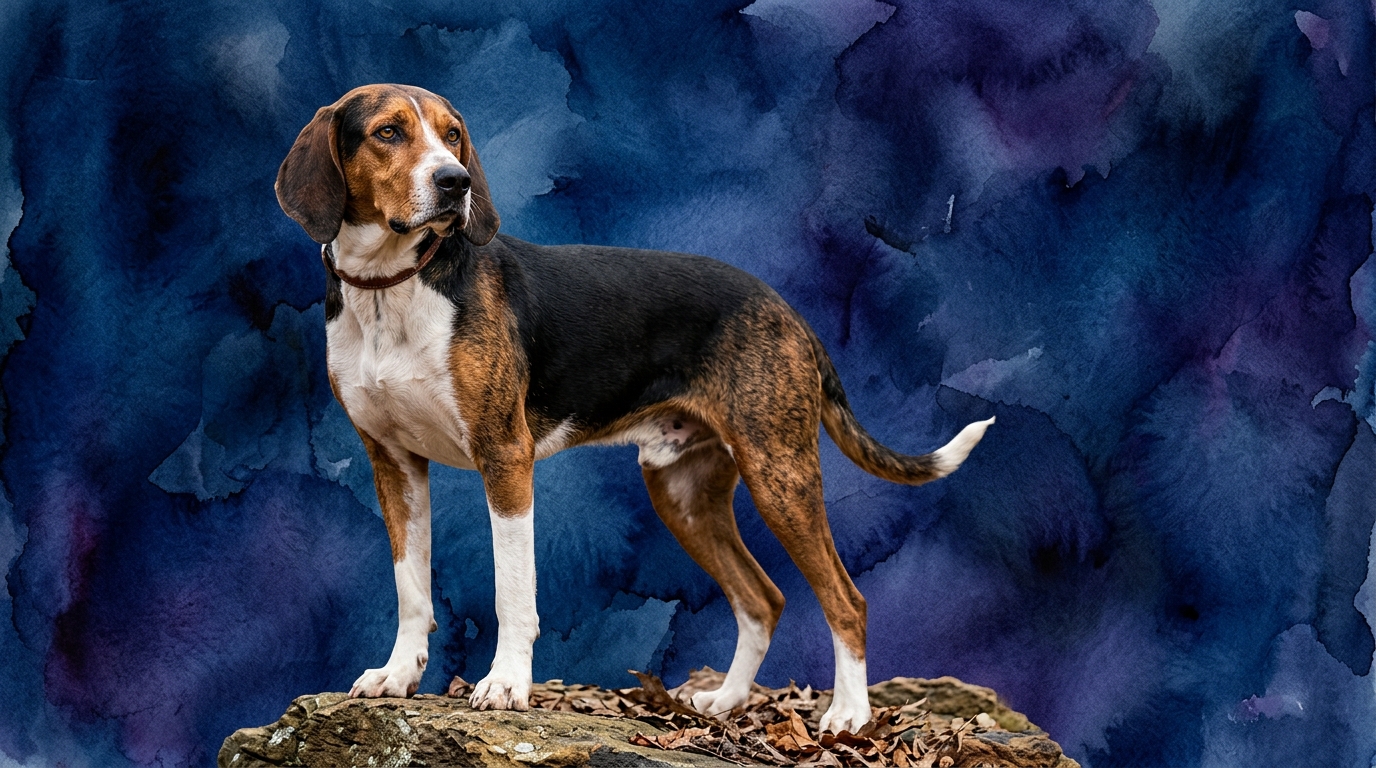
Despite sharing the same baseline IQ scores, the Treeing Walker Coonhound often exhibits cognitive strengths that are particularly pronounced in scenarios demanding agility and quick decision-making within its specialized hunting context. Their problem-solving, while rated 3/5, frequently manifests as a more adaptive and swift process when navigating complex, varied terrain or when faced with multiple scent trails. A TWC might demonstrate a quicker shift in focus or strategy to identify and pursue a 'hot' trail, leveraging their lighter build and speed to execute these mental decisions rapidly. This breed's distinct vocalizations—the nuanced 'chop' and bay—also hint at a sophisticated communication system. This suggests a refined ability to convey specific information about a trail's status or the location of quarry to their human partners, a cognitive application of their instinctive drive that requires a certain mental precision and adaptability under pressure. This capacity for rapid assessment and precise communication in a dynamic environment can be considered a unique cognitive advantage.
Where the Otterhound Wins Cognitively
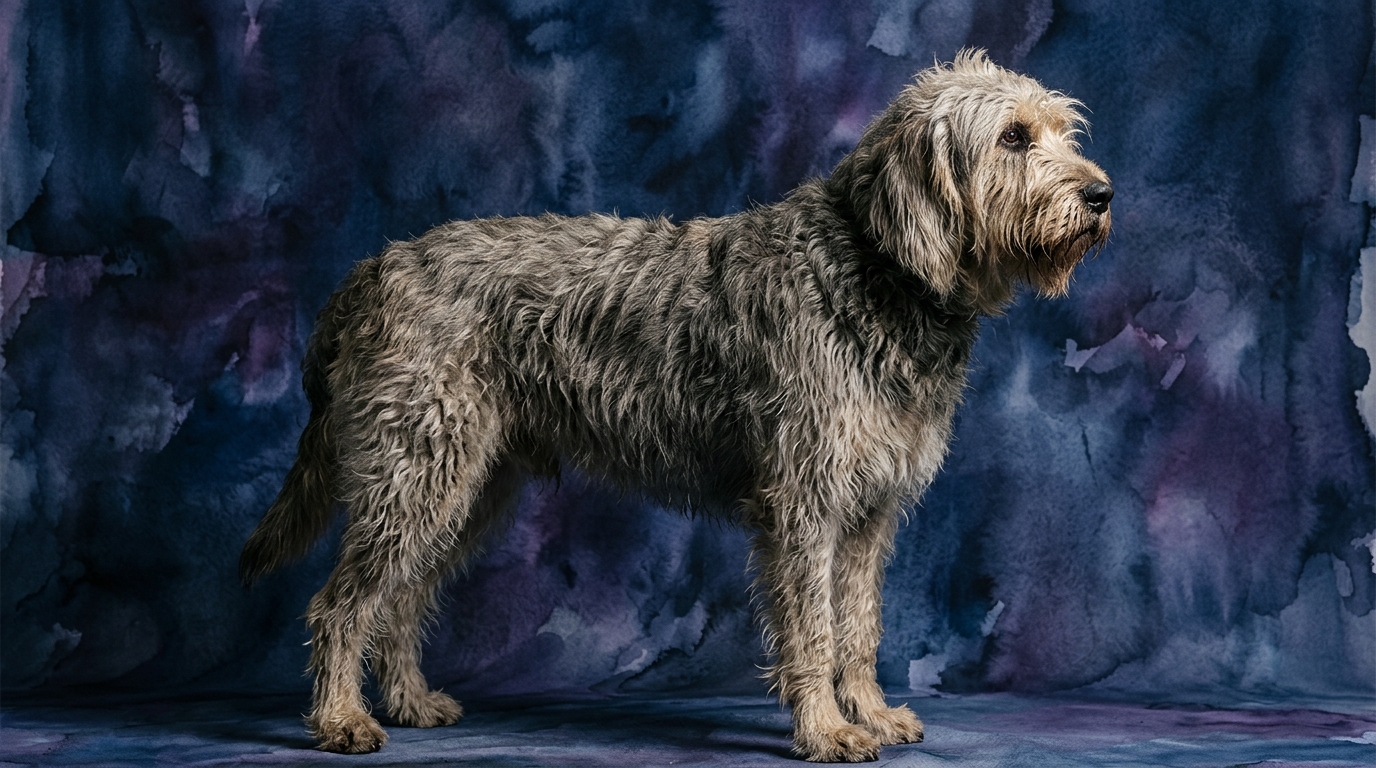
Conversely, the Otterhound's cognitive strengths, also rated 3/5, are profoundly shaped by its heritage as a tenacious water hunter, emphasizing endurance and methodical persistence. Their problem-solving excels in tasks requiring sustained effort and an unyielding focus, particularly in challenging aquatic environments. An Otterhound might demonstrate superior cognitive stamina in relentlessly following a scent trail over long distances, through water, or amidst difficult weather conditions, where their robust build and unwavering mental fortitude become critical assets. This isn't about speed, but about an enduring commitment to a challenging task until completion. Their social intelligence, while rated the same, often presents as a more unwavering, amiable disposition within the family unit, perhaps less prone to sudden scent-driven distractions indoors when compared to their treeing counterparts. This deep-seated resilience and capacity for sustained, focused effort through adversity marks a unique cognitive triumph for the Otterhound, highlighting a different kind of mental strength.
Training Them: Navigating Behavioral Differences
Both breeds share a 3/5 rating for training speed, indicating that neither is inherently 'easy' to train in the traditional sense, but the challenges stem from distinct behavioral nuances. The Treeing Walker Coonhound's primary hurdle in training is its incredibly powerful and often overriding instinctive drive to follow a scent. Their nose is a constant, compelling distraction, meaning an otherwise well-understood command can be instantly forgotten if a captivating trail crosses their path. Consistency, high-value rewards, and training environments carefully managed for scent distractions are paramount. Their vocal nature also requires dedicated training to manage barking and baying, which can be a significant undertaking. Owners must recognize that success often means leveraging, rather than suppressing, their natural instincts.
The Otterhound, while equally scent-driven, often presents a different challenge: a delightful but sometimes stubborn 'clownishness.' Their persistence, a virtue in hunting, can translate into an unyielding will during training sessions. They might understand a command but choose to test boundaries or offer alternative behaviors for amusement. This requires an owner with immense patience, a good sense of humor, and a consistent, firm yet positive approach. While both require dedicated effort, the TWC's 'wins' might be faster if scent is controlled, whereas the Otterhound's journey might be slower due to their persistent, playful testing of limits. Neither breed is for the faint of heart when it comes to training; both demand an owner dedicated to understanding and working with their unique hound temperament.
Matching Lifestyles: Active Owners vs. Relaxed Owners
Neither the Treeing Walker Coonhound nor the Otterhound is suitable for a relaxed, sedentary owner; both demand significant physical and mental engagement. The Treeing Walker Coonhound is an ideal match for highly active owners who thrive on outdoor adventure and can incorporate their dog into vigorous activities. They excel with owners who enjoy long hikes, trail running, or engaging in scent work, tracking, or competitive events that satisfy their profound need to use their nose and expend energy. Their agile build and endurance mean they can keep pace with an active lifestyle for hours. Owners must be prepared for their vocal nature and provide ample space for them to roam safely.
The Otterhound also requires a committed, active owner, but their activity profile leans towards stamina and water-based pursuits. Owners who enjoy long, rambling walks, swimming, or exploring varied terrains with a sturdy companion will find an excellent partner. Their robust build and shaggy coat make them less suited for quick bursts of speed but perfect for sustained effort and inclement weather. While both are active, the TWC suits an owner seeking a swift, agile partner for ground-based scent adventures, whereas the Otterhound is better for those desiring a persistent, water-loving companion built for endurance. Neither breed will thrive in a home where exercise is limited to short leash walks.
The Verdict
Choose the Treeing Walker Coonhound if you are an active, outdoors-loving individual eager to engage with a swift, agile partner for scent work, hiking, or field activities, and are prepared to manage a strong, vocal prey drive with consistent training.
Opt for the Otterhound if you seek a resilient, amiable, and persistent companion for long, sturdy adventures, particularly enjoying water activities, and appreciate a dog with a charmingly stubborn streak and robust build.
🧠 Find Your Pet's IQ Score
Our Pet IQ Lab assessment covers 25+ tests across 5 cognitive dimensions — personalized to your breed.
Take the Full IQ Test →Frequently Asked Questions
Are Treeing Walker Coonhounds good family pets?
Yes, Treeing Walker Coonhounds can make devoted family pets, known for being affectionate and tolerant with children when properly socialized. However, their high energy and vocal nature mean they thrive in active households that can provide ample exercise and training.
Do Otterhounds shed a lot?
Otterhounds have a dense, shaggy, double coat that does shed, but typically not excessively. Regular brushing, at least a few times a week, is essential to manage loose hair, prevent matting, and keep their coat healthy.
Can either breed live in an apartment?
Neither breed is ideally suited for apartment living due to their size, high energy levels, and strong vocal tendencies. Both require significant outdoor space, regular vigorous exercise, and mental stimulation to prevent boredom and destructive behaviors.