Side-by-Side IQ Profile: Unpacking Identical Scores
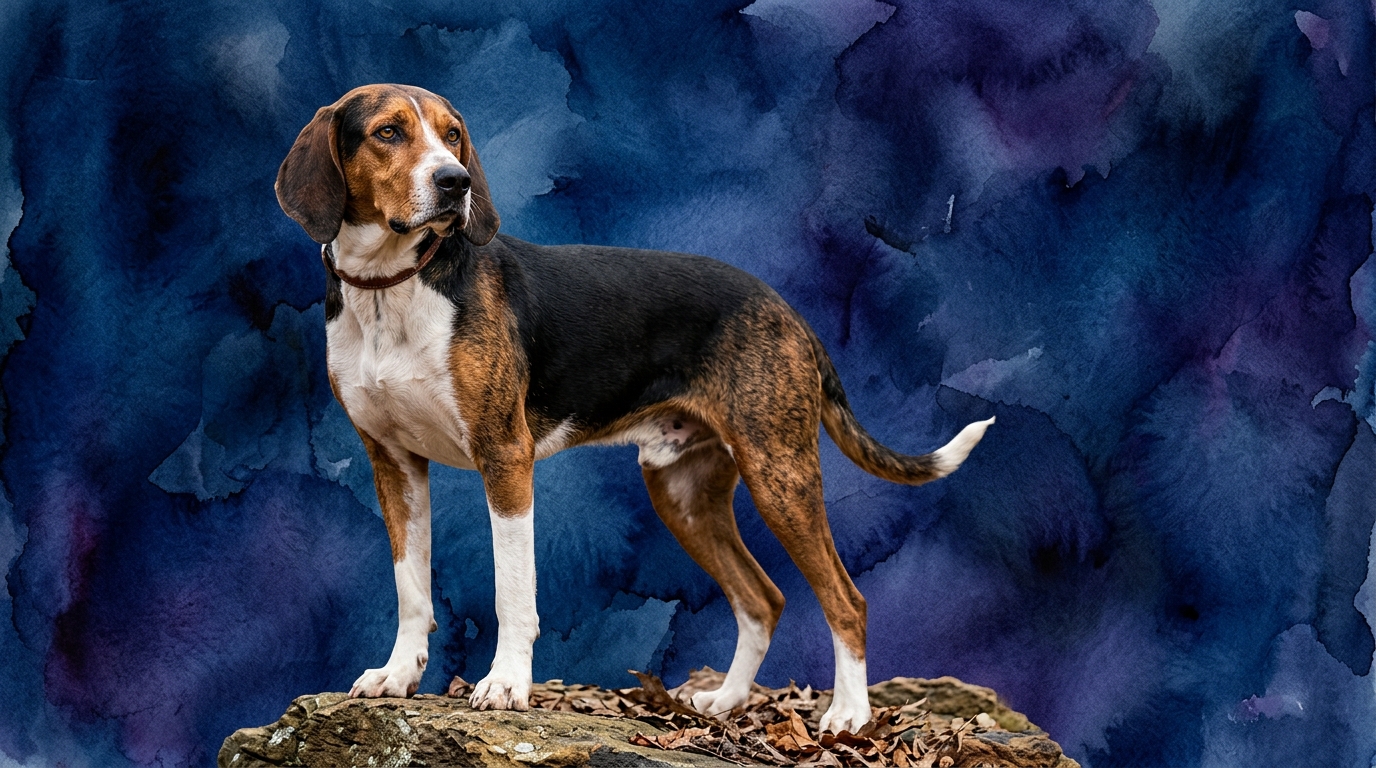
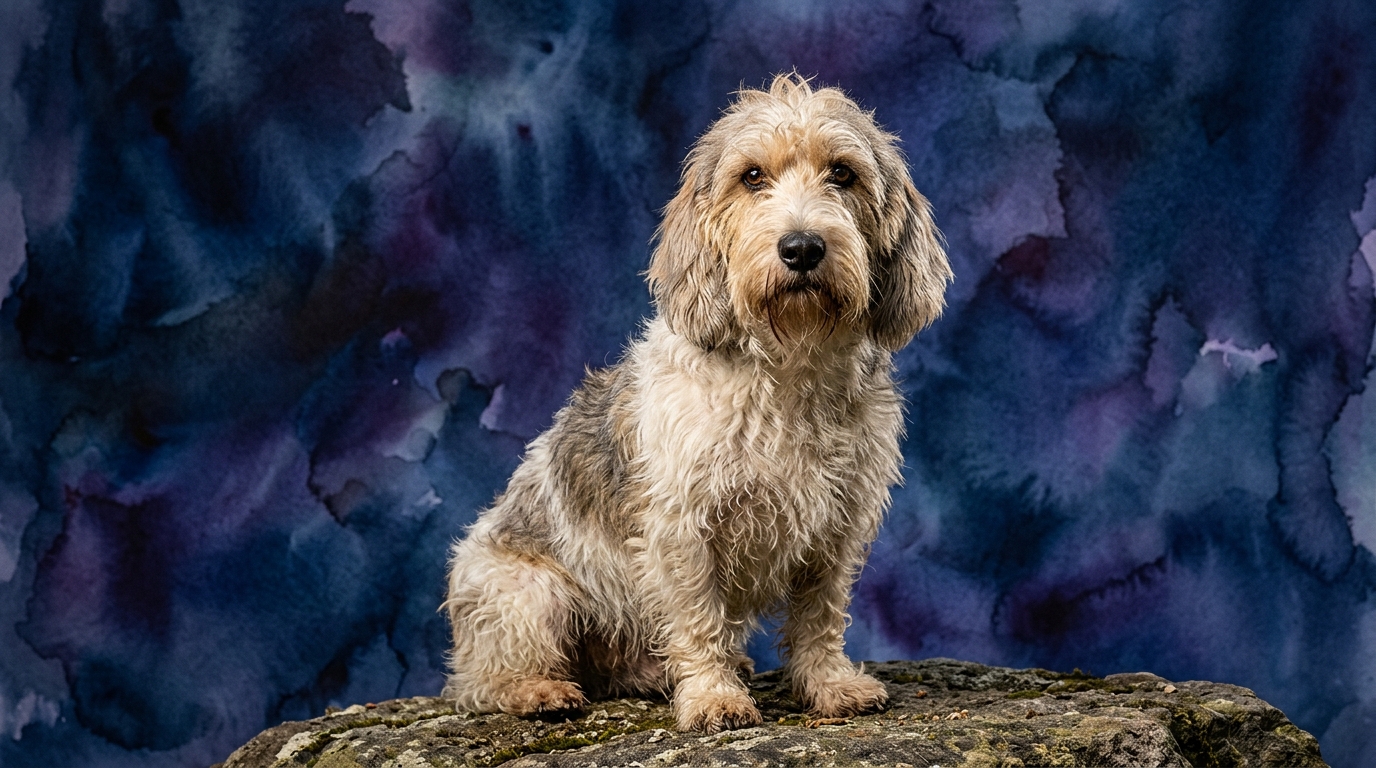
At first glance, the Treeing Walker Coonhound and the Petit Basset Griffon Vendéen appear to share identical cognitive blueprints according to The Cosmic Pet Pet IQ Lab. Both breeds score 3 out of 5 across all five dimensions: Problem Solving, Training Speed, Social Intelligence, Instinctive Drive, and Memory. This symmetry, however, doesn't imply identical mental processes or behavioral outcomes; rather, it suggests an average capacity applied in breed-specific ways.
For the Treeing Walker Coonhound, a 3/5 in Problem Solving indicates an ability to navigate complex outdoor environments, tracking game like raccoons through varied terrain and identifying when an animal has been 'treed.' Their Training Speed at 3/5 suggests they are capable learners, though their strong independent drive for scent work can sometimes override immediate obedience. Social Intelligence at 3/5 means they can form strong bonds with their human families and understand social cues, but might prioritize their primary hunting instincts. Their Instinctive Drive, also 3/5, is powerfully geared towards scenting, pursuing, and 'treeing' prey. Finally, a Memory score of 3/5 reflects their capacity to recall scent trails, hunting routes, and learned commands over time.
The Petit Basset Griffon Vendéen, also scoring 3/5 in Problem Solving, applies this capacity to meticulously unraveling intricate scent trails in dense undergrowth, often working independently to locate small game like rabbits or hare. Their 3/5 Training Speed highlights a responsiveness to consistent instruction, though their characteristic 'happy-go-lucky' independence and natural curiosity can introduce training challenges. Social Intelligence at 3/5 points to their sociable nature, forming strong connections with their pack (human or canine) and generally being amiable, though their pursuit of an interesting scent can temporarily eclipse social engagement. Their Instinctive Drive, 3/5, is a persistent, methodical drive to hunt by scent, characterized by a determined, unwavering focus. A 3/5 Memory score helps them retain complex scent patterns and the locations of game, alongside household routines and learned commands.
Where the Treeing Walker Coonhound Excels Cognitively
While their scores are numerically identical, the Treeing Walker Coonhound's cognitive strengths are distinctly honed for sustained, open-country pursuit and the unique challenge of 'treeing.' Their 3/5 Problem Solving manifests as exceptional navigational prowess over long distances, adapting to changing scent conditions and terrain obstacles to keep a trail. This isn't just about following a line; it's about predicting where prey might go, circumventing barriers, and using spatial reasoning to locate an animal that has taken to a tree. Their memory, also a 3/5, is particularly robust for remembering vast hunting territories and the nuances of specific game trails, allowing them to return to productive areas or pick up a cold scent with impressive accuracy.
The Treeing Walker Coonhound's instinctive drive, at 3/5, is a powerful engine for endurance and vocal communication. This drive isn't merely about finding scent; it's about the relentless, high-energy chase and the distinctive 'bawl' or 'chop' that communicates their progress to a distant handler. This specific manifestation of instinct requires a cognitive ability to maintain focus on a single, prolonged task despite numerous distractions, a mental stamina that mirrors their physical endurance. They demonstrate a remarkable ability to process and prioritize auditory cues from their own baying and the environment, using this information to refine their hunt.
Where the Petit Basset Griffon Vendéen Shines Cognitively
The Petit Basset Griffon Vendéen, despite sharing the same 3/5 scores, demonstrates a distinct cognitive brilliance in the art of intricate, close-range scent work and independent decision-making. Their 3/5 Problem Solving is particularly adept at dissecting complex scent puzzles within dense undergrowth, requiring a methodical, persistent approach rather than high-speed pursuit. They excel at 'unraveling' a trail, often backtracking and circling to confirm a scent, a process that demands a high degree of analytical focus and determination. This form of problem-solving is less about speed and more about thoroughness and precision in challenging environments.
The PBGV’s 3/5 instinctive drive is channeled into an unwavering, almost stubborn, persistence. Once they are on a scent, their focus is absolute, demonstrating a mental fortitude to ignore external distractions and commit entirely to the task at hand. Their memory, also 3/5, supports this by allowing them to retain the subtle nuances of a scent trail, differentiating between fresh and old tracks and recalling successful hunting patterns. Furthermore, their social intelligence, while also 3/5, often manifests in a charming, outgoing disposition within the home, indicating a cognitive flexibility to switch between intense independent work and engaging companionship more readily than some other hounds.
Which is Easier to Train and Why
When considering ease of training, both breeds present unique challenges and advantages despite their identical 3/5 Training Speed. The Treeing Walker Coonhound, with its intense focus on scent and powerful drive for the chase, can be a dedicated student when the training aligns with its natural instincts. They are generally eager to please their human companions, which aids in foundational obedience. However, their highly developed instinctive drive means that once a compelling scent is detected, their attention can quickly shift from handler commands to the pursuit. This makes off-leash reliability and recall particularly challenging in stimulating environments, requiring extensive, consistent training and strong positive reinforcement to override their natural inclination.
The Petit Basset Griffon Vendéen, while also driven by scent, presents a different training dynamic. Their 3/5 Training Speed means they are capable of learning, but their independent, sometimes 'stubborn' nature and inquisitive spirit can make them less immediately compliant. They are often described as having a 'mind of their own,' preferring to investigate intriguing smells rather than instantly obeying a command. Training a PBGV often requires a sense of humor, patience, and creative motivation to keep them engaged. They respond best to positive reinforcement and short, fun training sessions that prevent boredom. While they may not bolt with the same speed as a TWC on a scent, their persistence means they will methodically follow a trail if given the opportunity, making consistent recall training equally vital, albeit for different reasons related to their methodical nature rather than explosive speed.
Suitability for Active vs. Relaxed Owners
The Treeing Walker Coonhound is unequivocally suited for active owners who can meet their substantial energy and exercise requirements. These are dogs built for endurance, requiring daily vigorous exercise, such as long runs, hikes, or extensive walks in secure, stimulating environments. Their cognitive stimulation also comes from 'working' activities like scent work, tracking, or even competitive sports that mimic their hunting heritage. Owners who enjoy outdoor adventures and can provide consistent mental and physical challenges will find a devoted companion. A relaxed owner who cannot provide this outlet may find a TWC becomes restless, vocal, and potentially destructive, as their unspent energy and mental drive seek an outlet.
The Petit Basset Griffon Vendéen, while also an active breed, falls into a slightly different category of 'active.' They thrive with owners who can provide regular, moderate exercise, including daily walks, playtime in a fenced yard, and opportunities for sniffing and exploring. Their shorter legs mean they aren't built for the same sustained, high-speed endurance as a TWC, but they possess plenty of stamina for exploring and playing. They are well-suited for owners who enjoy regular outdoor activities but perhaps not extreme endurance sports. While they appreciate a good couch cuddle, their inquisitive minds and hunting instincts mean they are not content to be purely sedentary. Owners who enjoy engaging their dogs in scent games, puzzle toys, and consistent, varied walks will find the PBGV to be a delightful, energetic companion. They are adaptable but need their mental and physical needs met to prevent boredom and potential mischievousness.
The Verdict
Choose the Treeing Walker Coonhound if you are an active, outdoors-oriented individual or family who can provide extensive daily exercise, embrace their powerful scent drive, and appreciate a vocal, dedicated hunting companion.
Opt for the Petit Basset Griffon Vendéen if you seek an energetic yet adaptable companion who thrives on regular walks, engaging scent games, and enjoys a charming, sociable personality with a touch of independent spirit.
🧠 Find Your Pet's IQ Score
Our Pet IQ Lab assessment covers 25+ tests across 5 cognitive dimensions — personalized to your breed.
Take the Full IQ Test →Frequently Asked Questions
Do Treeing Walker Coonhounds need a lot of space?
Yes, Treeing Walker Coonhounds are energetic dogs built for endurance and thrive in environments where they have ample space to run and explore. A large, securely fenced yard is ideal, and they greatly benefit from owners who can take them on long runs or hikes to satisfy their need for physical activity.
Are Petit Basset Griffon Vendéens good with children?
Petit Basset Griffon Vendéens are generally known for their cheerful, outgoing, and affectionate nature, making them typically good companions for children. Their sturdy build and playful demeanor allow them to tolerate the boisterousness of younger kids, though supervision is always recommended with any dog and child.
Which breed is more prone to barking?
Both breeds have a tendency to be vocal, characteristic of many hounds. Treeing Walker Coonhounds are bred to 'bay' or 'chop' when on a trail or when they've treed game, and this vocalization can extend to their home life. Petit Basset Griffon Vendéens also enjoy using their voices, often baying or 'singing' when excited or when they detect an interesting scent, though perhaps less intensely than a TWC.