Side-by-Side IQ Profile
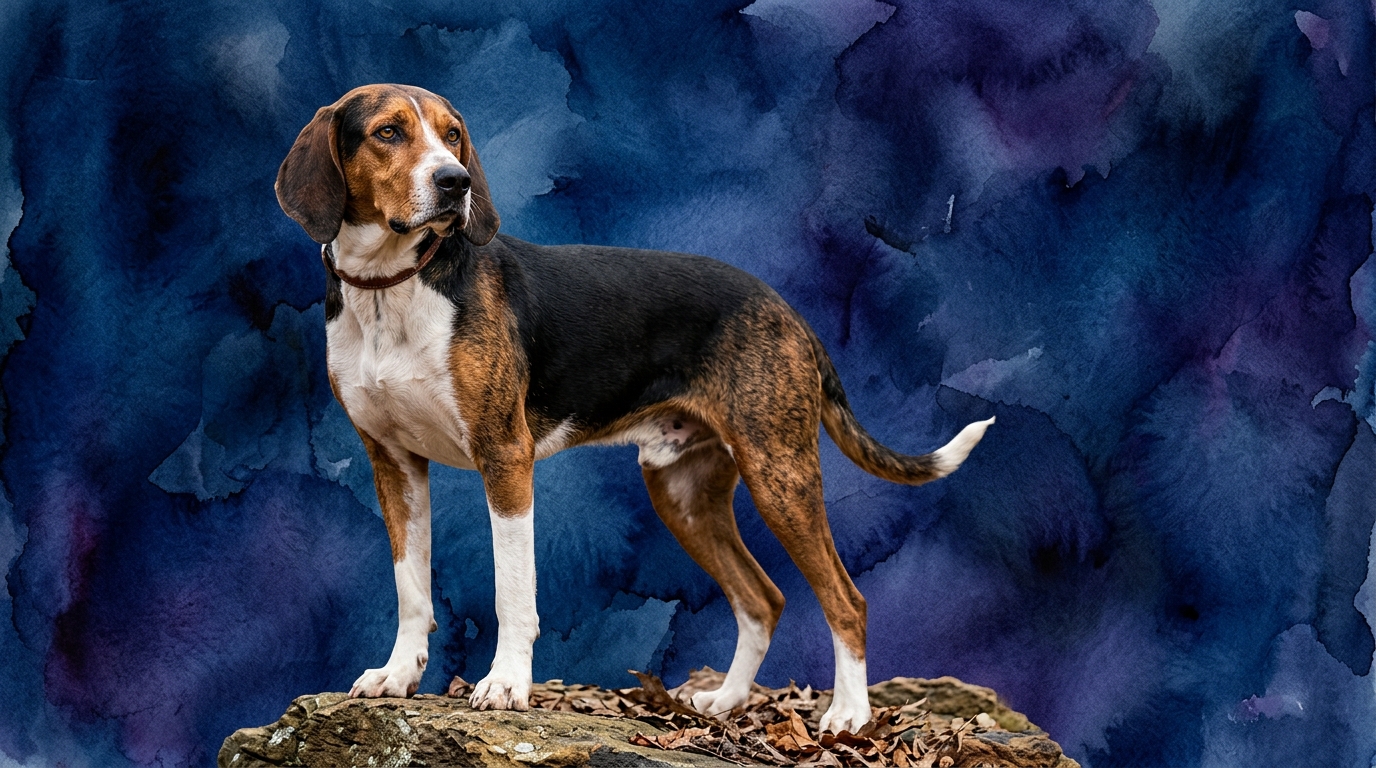
The Treeing Walker Coonhound's cognitive profile reflects its heritage as an independent, pursuit-driven hound. Its Problem Solving (3/5) centers on deciphering intricate scent trails, demonstrating a methodical, persistent approach to tracking quarry through varied terrain; this isn't about solving abstract puzzles but rather navigating a complex sensory world. Training Speed (3/5) suggests a moderate pace of learning human commands, often requiring patience and consistent motivation, as their primary focus can quickly shift to compelling environmental scents. Their Social Intelligence (3/5) indicates a generally cooperative nature within their pack, whether canine or human, but they retain a degree of independence characteristic of hounds. Instinctive Drive (3/5) is primarily expressed through their powerful drive to hunt and track, a deep-seated motivation that shapes much of their behavior and cognitive effort. Finally, their Memory (3/5) is strong for scent patterns and geographical locations relevant to their hunting pursuits, allowing them to recall specific trails and successful hunting grounds.
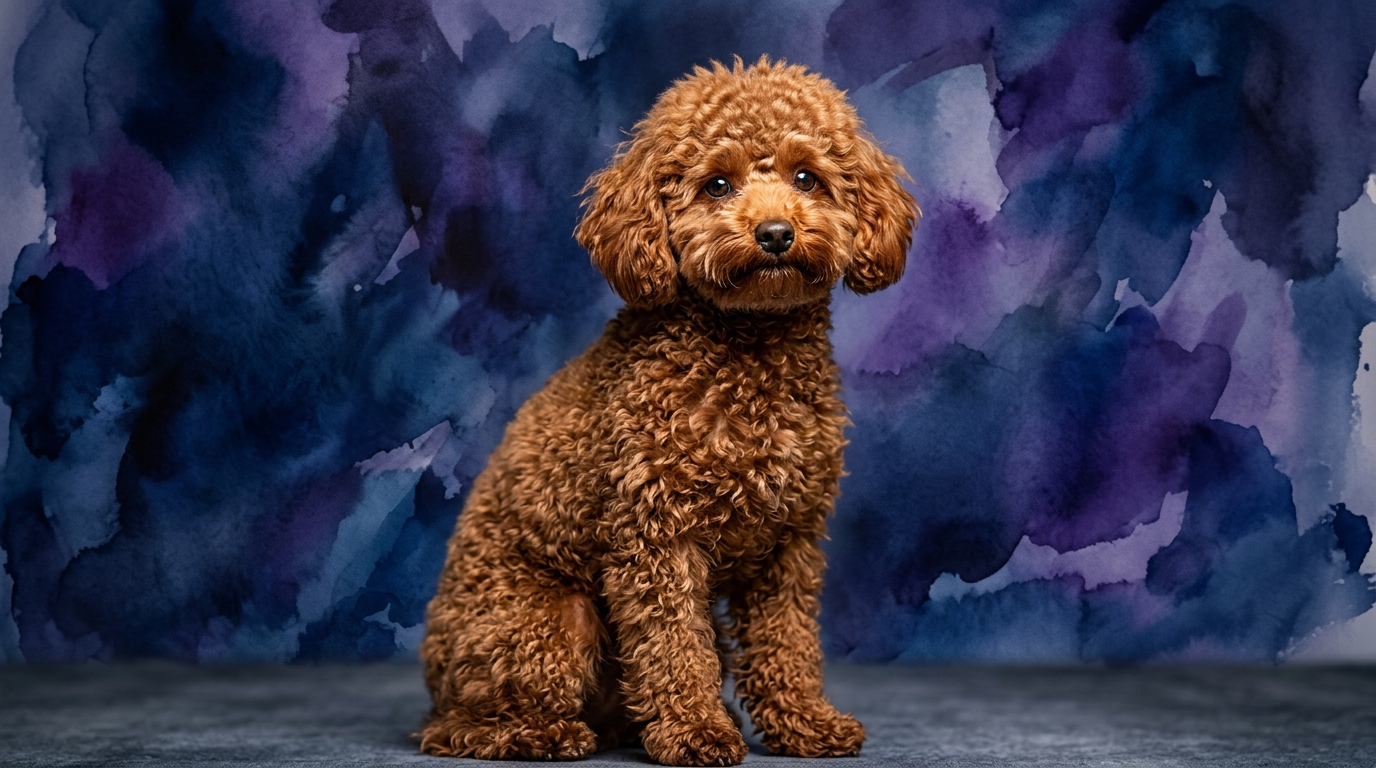
In stark contrast, the Toy Poodle's profile showcases a breed highly attuned to human interaction and general adaptability. Its Problem Solving (5/5) indicates a superior capacity for abstract thought and quick understanding of novel situations, making them adept at learning complex tasks and figuring out solutions to environmental challenges. Their Training Speed (5/5) is exceptionally rapid, absorbing new commands and routines with remarkable ease, often eager to engage in learning activities. Social Intelligence (3/5) highlights their capacity for forming strong bonds and understanding human cues, though their primary cognitive strength lies more in individual problem-solving and training rather than complex social dynamics with other dogs. Their Instinctive Drive (3/5) is somewhat generalized, expressed through a desire for engagement and activity, but without the specific, overpowering drive seen in specialized working breeds. Crucially, their Memory (5/5) is excellent, allowing them to retain a vast repertoire of commands, routines, and experiences over long periods, contributing significantly to their trainability and adaptability.
Where Treeing Walker Coonhound Wins Cognitively
The Treeing Walker Coonhound excels in specialized cognitive domains intrinsically linked to its historical purpose. Its unparalleled ability to process and follow complex scent trails, even those hours old or crossing diverse environments, is a profound cognitive strength. This involves a sophisticated form of problem-solving (rated 3/5 overall, but specialized to 5/5 in scent work) where the dog must autonomously interpret subtle olfactory cues, differentiate target scents from distractions, and make independent decisions about direction and persistence. Their instinctive drive (3/5) manifests as an unwavering focus and endurance in pursuit, a mental tenacity that allows them to push through fatigue and distractions, relying on an internal map of scents and terrain. This deep-seated drive, coupled with a specific memory (3/5) for scent profiles and successful hunting patterns, allows them to operate effectively and independently in challenging outdoor scenarios where human guidance might be impossible.
Where Toy Poodle Wins Cognitively
The Toy Poodle’s cognitive strengths lie in its remarkable versatility and capacity for general learning, making it highly adaptable to a wide range of human environments and expectations. Its problem-solving (5/5) abilities are outstanding, allowing it to quickly grasp abstract concepts, understand cause-and-effect relationships, and apply learned behaviors to new contexts with minimal repetition. This manifests in their aptitude for learning intricate tricks, excelling in obedience and agility, and even solving puzzle toys designed for higher-level canine cognition. The Toy Poodle's exceptional training speed (5/5) is directly linked to its rapid associative learning and strong desire to cooperate with humans, enabling them to acquire new commands and routines almost effortlessly. Furthermore, their superior memory (5/5) for instructions and experiences ensures that once a behavior is learned, it is retained effectively, contributing to their reputation as consistently reliable and responsive companions across various disciplines.
Which is Easier to Train and Why
When evaluating ease of training, the Toy Poodle (Training Speed 5/5) holds a distinct advantage over the Treeing Walker Coonhound (Training Speed 3/5). The Toy Poodle typically approaches training with an eager-to-please attitude and a strong focus on human interaction. Their rapid associative learning means they quickly connect a command with an action and a reward, often picking up new cues in just a few repetitions. This inherent biddability and attentiveness to their handler make them highly responsive to positive reinforcement methods and allow for the rapid acquisition of a broad repertoire of behaviors, from basic obedience to complex tricks and competitive dog sports.
In contrast, the Treeing Walker Coonhound's training experience is shaped by its powerful, independent instinctive drive (3/5) for scent work. While capable of learning, their attention can be easily diverted by compelling odors, making it challenging to maintain focus on human commands, especially in stimulating environments. Their training speed (3/5) is moderate, requiring more patience, consistency, and creative motivation from their handler. Training a Coonhound often involves working *with* their natural instincts, rather than against them, by incorporating scent games or providing ample outlets for their tracking desires. While they can achieve high levels of obedience, it typically demands a more dedicated and understanding approach compared to the Poodle's inherent eagerness to comply.
Which Suits Active Owners vs Relaxed Owners
The Treeing Walker Coonhound is unequivocally better suited for active owners who are prepared to integrate their dog into a vigorous outdoor lifestyle. Their instinctive drive (3/5), while not as high as some extreme working breeds, still demands significant physical exertion and mental engagement related to their tracking heritage. Owners who enjoy long hikes, running, or can provide opportunities for scent work or competitive tracking will find the Coonhound a fulfilling companion. A relaxed or sedentary owner would likely struggle with the breed's need for consistent, stimulating activity, which, if unmet, can lead to frustration and undesirable behaviors.
The Toy Poodle, while certainly benefiting from regular exercise and mental stimulation, offers greater flexibility, making it adaptable to a broader range of owner activity levels. Their moderate instinctive drive (3/5) means they enjoy walks, playtime, and engaging in activities like agility or obedience, but their smaller size and general adaptability mean they can also thrive with less intense exercise than a Coonhound. A relaxed owner who is committed to daily walks, indoor play, and consistent mental challenges through training and puzzle toys can provide a fulfilling life for a Toy Poodle. They are well-suited for urban living or owners with varying schedules, as long as their cognitive needs for learning and interaction are consistently met.
The Verdict
Choose a Treeing Walker Coonhound if you are an active individual or family deeply committed to providing consistent outlets for a dog's independent tracking instincts and robust physical needs in outdoor environments. This breed thrives with owners who appreciate and can channel their specialized scenting abilities and enduring pursuit drive.
Opt for a Toy Poodle if you seek a highly adaptable, companion eager to learn and engage in a variety of activities, from complex obedience to simply being a cherished family member. They are an excellent choice for owners who value quick trainability, a strong memory for commands, and a dog that can thrive in diverse living situations, provided its mental and moderate physical exercise needs are met.
🧠 Find Your Pet's IQ Score
Our Pet IQ Lab assessment covers 25+ tests across 5 cognitive dimensions — personalized to your breed.
Take the Full IQ Test →Frequently Asked Questions
Do Treeing Walker Coonhounds and Toy Poodles have similar social needs?
Both breeds have a moderate Social Intelligence score of 3/5, indicating they can form strong bonds with their human families. However, the Coonhound's independence may make it less overtly clingy than some Toy breeds, while the Poodle often thrives on being a central part of family activities and interaction.
Is a Treeing Walker Coonhound suitable for apartment living?
A Treeing Walker Coonhound can adapt to apartment living only if its significant needs for daily, vigorous exercise and mental stimulation are consistently met outside the home. Without ample opportunities to run, explore scents, and engage its working drive, an apartment can quickly become too restrictive for this active hound.
What kind of mental stimulation benefits a Toy Poodle most?
Toy Poodles benefit greatly from mental stimulation that challenges their problem-solving and memory abilities, such as learning new tricks, engaging in puzzle toys, participating in obedience or agility training, and even learning complex routines. Their quick training speed makes them excellent candidates for advanced canine sports and brain games.