Side-by-Side Cognitive Profile
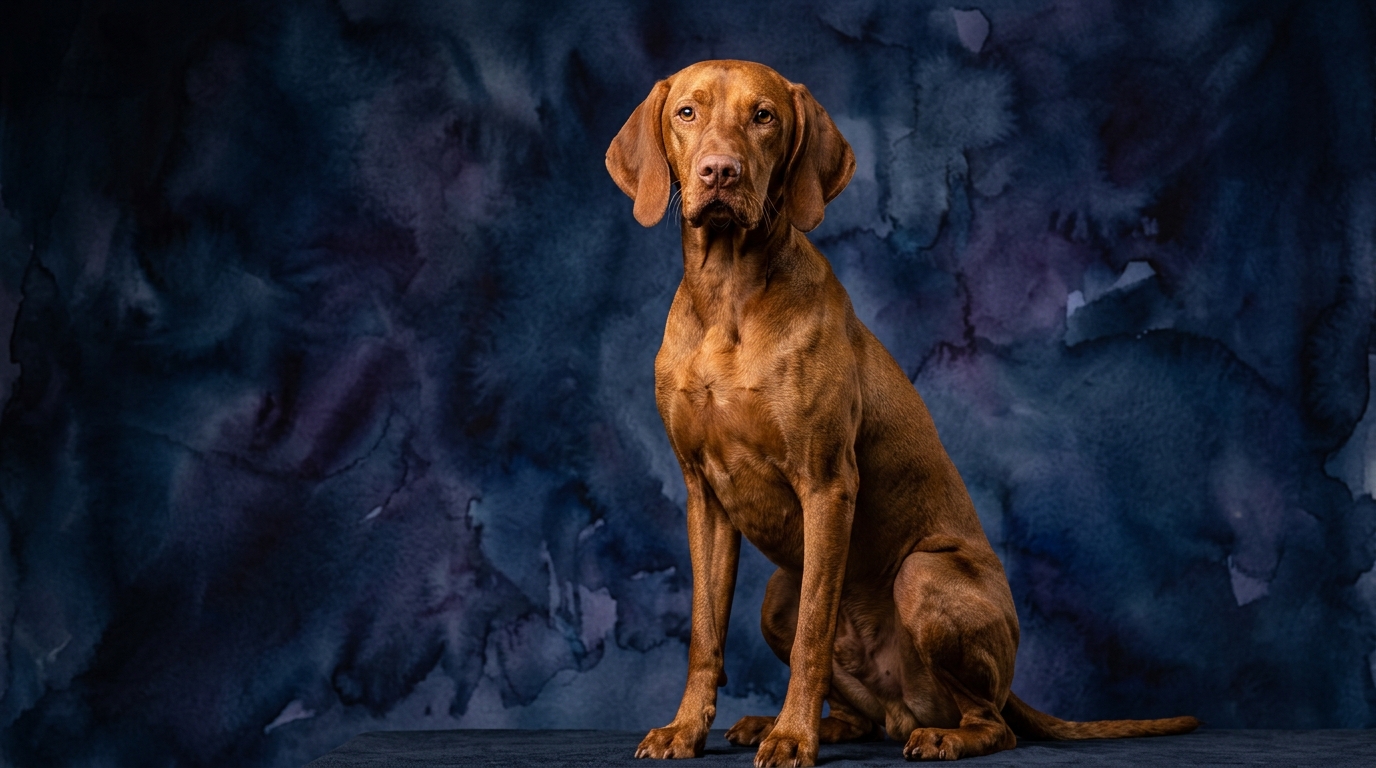
The Vizsla, a Sporting breed ranked #31 by Coren, demonstrates a cognitive profile geared towards partnership and field work. Their Problem Solving is rated 4/5, indicating a strong capacity for navigating complex situations and quickly devising solutions. Training Speed is also 4/5, showcasing their rapid assimilation of new commands and routines. A perfect 5/5 in Social Intelligence highlights their exceptional ability to read human cues and form deep bonds. Their Instinctive Drive, also 5/5, is intensely focused on hunting and retrieving, with a keen sense for scent work. Finally, their Memory at 4/5 ensures robust retention of learned behaviors and experiences crucial for their tasks.
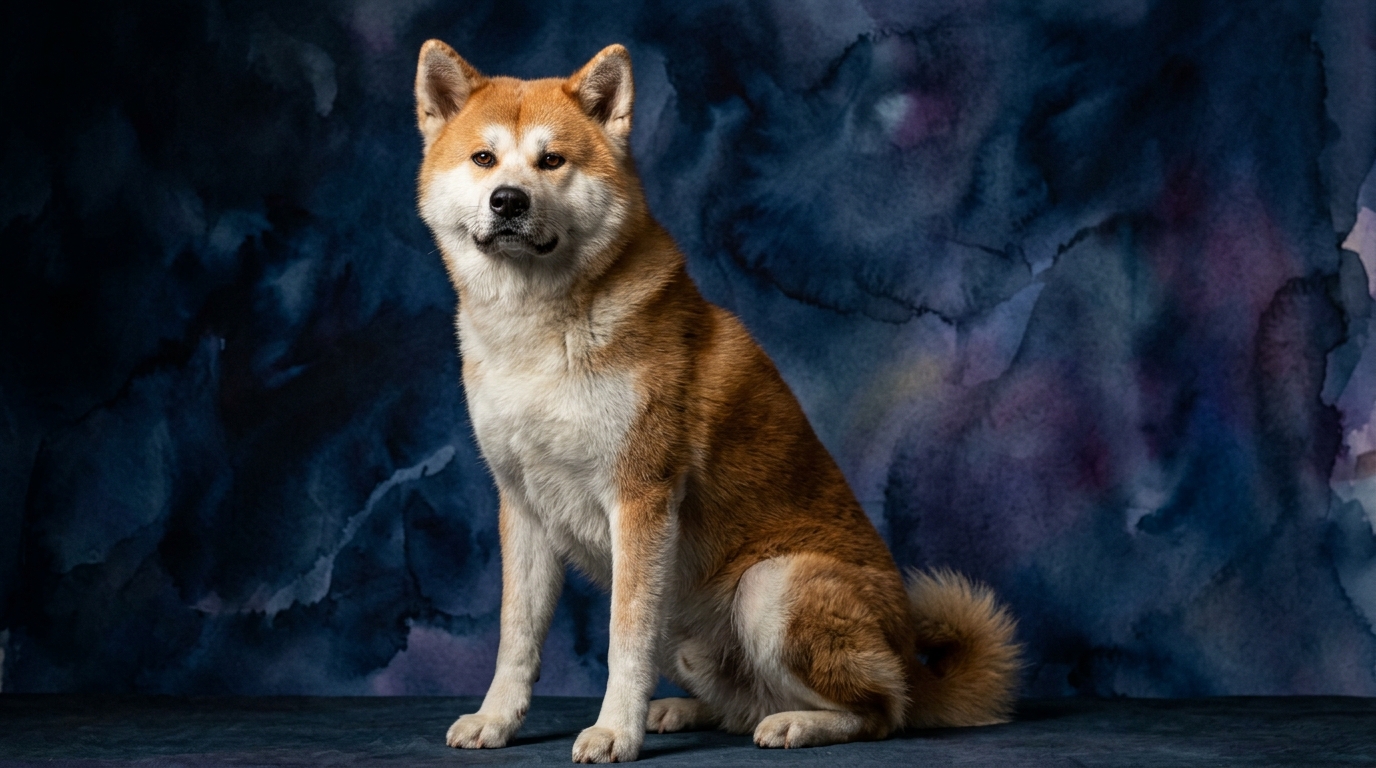
In contrast, the Akita, a Working breed ranked #54, exhibits a more independent and protective cognitive framework. Their Problem Solving stands at 3/5, suggesting a deliberate approach to challenges, often preferring to find their own solutions rather than immediate reliance on human input. Training Speed is 2/5, indicating a more measured learning pace requiring patience and consistency. Social Intelligence is 3/5, reflecting deep loyalty to their inner circle but a reserved or aloof demeanor towards strangers. Their Instinctive Drive, a formidable 5/5, is profoundly expressed in guarding and protection, characterized by unwavering vigilance. Memory, like the Vizsla, is 4/5, particularly strong for routines, boundaries, and specific individuals.
Where the Vizsla Wins Cognitively
The Vizsla’s cognitive profile showcases clear advantages in areas demanding rapid adaptation and strong interpersonal connection. Their Problem Solving score of 4/5 means they are quick to analyze new situations and devise effective strategies, often demonstrating resourcefulness in novel environments or during complex tasks like agility courses. This cognitive flexibility allows them to excel in varied activities, from intricate scent work to detailed obedience routines, where quickly understanding new rules and executing them precisely is paramount. They excel at deciphering patterns and anticipating outcomes in dynamic settings.
Furthermore, the Vizsla’s exceptional Social Intelligence, scoring a perfect 5/5, places them among the most responsive and empathetic canine companions. This translates to an acute ability to interpret human body language, tone, and emotional states, fostering a deep, almost intuitive bond. They thrive on collaborative tasks, seamlessly integrating into family dynamics and often anticipating their owner's next move, a cognitive strength that makes them highly attuned partners in both daily life and specialized training. This profound social awareness makes them incredibly eager to cooperate and understand human intentions.
Where the Akita Wins Cognitively
While the Akita’s overall Coren rank is lower, their cognitive strengths lie in areas demanding independent judgment and unwavering dedication to a specific role. Their Instinctive Drive, matching the Vizsla at 5/5, is profoundly expressed in their protective instincts, a distinct cognitive advantage for a guardian breed. This isn't just a physical drive; it’s a sophisticated cognitive framework for assessing threats, understanding territorial boundaries, and making independent decisions to safeguard their family, often without direct human command. This type of drive requires a specific kind of mental fortitude and situational awareness, making them highly effective in their ancestral role.
The Akita’s Memory, rated 4/5, combined with its more reserved Social Intelligence, contributes to a cognitive strength in loyalty and reliability. They form lasting recollections of routines, perceived threats, and the specific individuals within their trusted circle, which is crucial for their role as discerning protectors. This robust memory, applied to their guarding instincts, allows them to consistently enforce boundaries and remember specific experiences, making them steadfast and predictable in their protective duties. This independent cognitive processing, even with lower social scores, allows them to operate effectively as self-reliant protectors.
Which Is Easier to Train and Why
Based on their cognitive profiles, the Vizsla is unequivocally the easier breed to train. Their Training Speed of 4/5 indicates a rapid assimilation of new commands and concepts, meaning fewer repetitions are needed for them to grasp and internalize lessons. This quick uptake is significantly bolstered by their 5/5 Social Intelligence; Vizslas are inherently eager to please and highly attuned to their owner’s feedback, making them extremely receptive to positive reinforcement and eager to collaborate during training sessions. They actively seek human connection and direction, which streamlines the learning process and fosters a highly responsive training partner.
In contrast, the Akita's Training Speed of 2/5 suggests a more deliberate learning curve, requiring greater patience and consistency from their trainer. Their lower Social Intelligence (3/5) means they are less inclined to immediately defer to human instruction or seek constant validation. Akitas often require a clear, logical reason for performing a command and can be quite independent in their thought process, which can be perceived as stubbornness during training. They respond best to fair, firm, and consistent methods that respect their independent nature, making the training journey longer and more nuanced than with a Vizsla, often requiring a deeper understanding of canine motivation.
Which Suits Active Owners vs. Relaxed Owners
The Vizsla’s cognitive makeup makes them an ideal match for active owners who thrive on shared adventures and consistent mental engagement. Their 5/5 Instinctive Drive fuels an insatiable need for physical exertion and mental stimulation, manifesting as a desire for long runs, challenging hikes, or complex scent games. Owners who can provide daily outlets for their Problem Solving (4/5) and high energy will find the Vizsla a joyful and responsive companion, eager to participate in anything from dog sports to exploring new trails. A Vizsla with insufficient mental and physical exercise can become restless or destructive, using their problem-solving skills to find their own “fun” in ways not always appreciated by their owners.
Conversely, the Akita, while possessing a strong Instinctive Drive (5/5) for protection, is generally better suited for owners who appreciate a more relaxed, yet still committed, lifestyle, emphasizing mental challenges over constant high-impact activity. Their lower Training Speed (2/5) and more reserved Social Intelligence (3/5) mean they aren't constantly demanding engagement in the same way a Vizsla might. They require consistent, patient training and socialization, but their preferred activities often involve structured walks, guarding duties, and quiet companionship within their home environment. Owners who value an independent, watchful presence and can provide firm, consistent guidance without needing a dog to be a constant adventure buddy will find the Akita a profoundly loyal, albeit less overtly “active,” partner.
The Verdict
Opt for a Vizsla if you are an active individual or family seeking a highly trainable, socially intelligent companion eager to participate in demanding physical activities and deeply bond with you.
Select an Akita if you appreciate an independent, loyal guardian with a strong protective drive and are prepared to invest in patient, consistent training and socialization for a more reserved companion.
🧠 Find Your Pet's IQ Score
Our Pet IQ Lab assessment covers 25+ tests across 5 cognitive dimensions — personalized to your breed.
Take the Full IQ Test →Frequently Asked Questions
Do Vizslas need a lot of mental stimulation?
Yes, Vizslas absolutely require substantial mental stimulation. Their high Problem Solving (4/5) and Instinctive Drive (5/5) mean they thrive on engaging tasks like puzzle toys, obedience training, and scent work, beyond just physical exercise, to prevent boredom and maintain their cognitive sharpness.
Are Akitas good with children and other pets?
Akitas can be good with children and other pets within their immediate family if properly socialized from a young age, but their lower Social Intelligence (3/5) and strong protective instincts mean they may be reserved with unfamiliar children and can display prey drive towards other animals, requiring careful management.
How do the different instinctive drives impact daily life for these breeds?
The Vizsla's hunting drive means they are often scanning for game, have a strong recall for retrieving, and need outlets for their energy in activities like field work or dog sports. The Akita's guarding drive translates to vigilance, territorial behavior, and a tendency to observe and protect their home and family, requiring owners to manage their protective instincts responsibly.