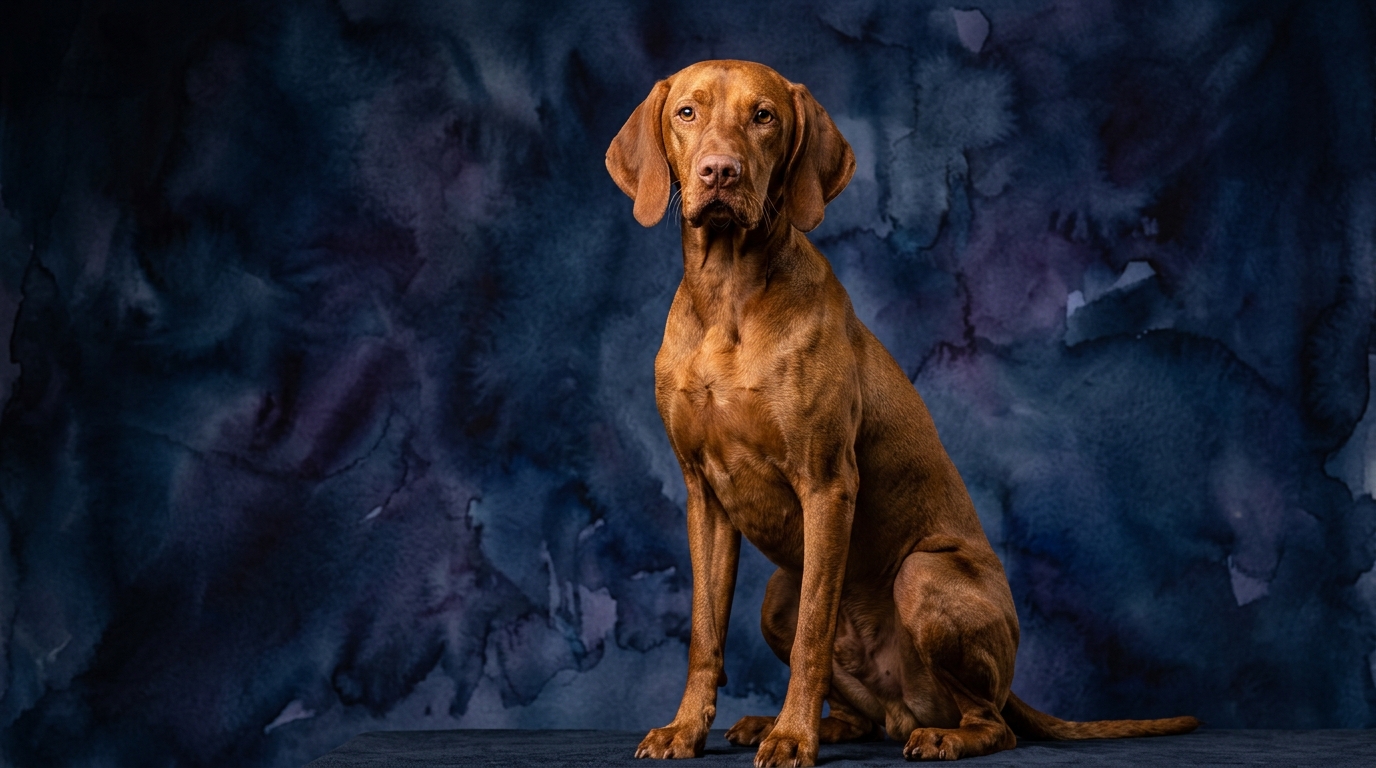
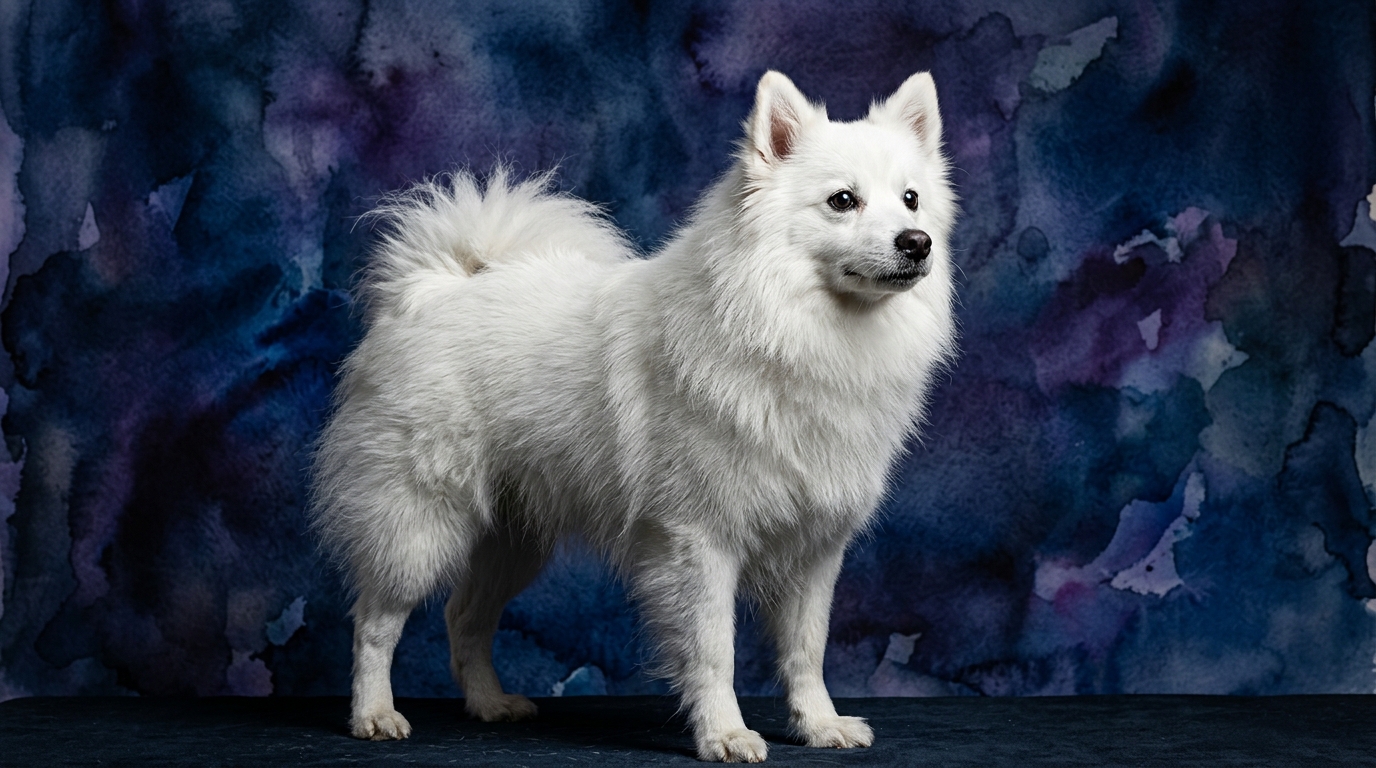
Side-by-Side IQ Profile: Vizsla vs. American Eskimo Dog
The Vizsla, a breed from the Sporting Group, registers at a notable 31st on the Coren ranking, a testament to their inherent working acumen. Our Cosmic Pet Pet IQ Lab data further illuminates their cognitive strengths across five key dimensions. This breed consistently demonstrates a robust mental capacity, aligning with their history as versatile hunting dogs.
Specifically, Vizslas score 4/5 in Problem Solving, indicating a strong ability to independently navigate complex situations and adapt strategies when faced with novel challenges. Their Training Speed is also 4/5, reflecting a quick grasp of new commands and routines, eager to learn and respond to instruction efficiently. An exceptional 5/5 in Social Intelligence highlights their profound understanding of human cues, emotions, and social dynamics, making them incredibly attuned to their people. Their Instinctive Drive, rated at a perfect 5/5, signifies an intense natural inclination for their breed-specific tasks, such as hunting, retrieving, and demanding high levels of physical and mental engagement. Finally, a Memory score of 4/5 ensures good retention of learned behaviors, commands, and past experiences, contributing to their consistent performance.
The American Eskimo Dog, hailing from the Non-Sporting Group, does not appear on the Coren ranking, yet possesses a distinct cognitive profile well-suited to its role as a companion and alert family member. Our IQ Lab data paints a picture of a balanced and capable canine. This breed exhibits a consistent, moderate aptitude across all cognitive dimensions, making them reliable and engaging companions.
For the American Eskimo Dog, Problem Solving is rated 3/5, suggesting they are capable of figuring out common problems and learning routines effectively, though they might require more guidance for highly complex tasks. Their Training Speed also stands at 3/5, indicating they learn at a moderate pace, benefiting significantly from consistent, positive reinforcement methods. Social Intelligence, at 3/5, means they understand human interactions sufficiently for companionship, being affectionate and connected without the intense, sometimes overwhelming, focus on human emotional states seen in some breeds. Instinctive Drive is likewise 3/5, reflecting a present but not all-consuming urge to 'work' or engage in specialized tasks, making them adaptable to various family dynamics. Lastly, their Memory score of 3/5 ensures they retain information adequately for daily routines and basic commands, with occasional refreshers proving beneficial for less frequently used cues.
Where the Vizsla Wins Cognitively
The Vizsla's cognitive profile showcases several distinct advantages, particularly for owners seeking a highly engaged and cooperative partner. Their superior Problem Solving (4/5) allows them to navigate intricate environments or novel challenges with remarkable independence, often figuring out solutions without constant human intervention. This translates to a dog capable of making good decisions in dynamic situations, whether in a field or during complex enrichment games. Furthermore, their exceptional Social Intelligence (5/5) means Vizslas are profoundly intuitive, picking up on subtle human cues, emotions, and intentions with remarkable accuracy. This deep understanding fosters an incredibly strong, almost telepathic bond, making them highly responsive to their handler's desires and moods. This heightened social awareness, coupled with their rapid Training Speed (4/5), makes them extraordinarily quick at acquiring new commands and routines, often anticipating what is expected of them. Their intense Instinctive Drive (5/5) is another significant cognitive win, as it provides a powerful internal motivation that can be channeled into specific tasks. This drive makes them excel in activities requiring focus, endurance, and purpose, such as scent work, agility, or competitive obedience, where their natural inclinations align perfectly with structured tasks. This breed's entire cognitive architecture seems finely tuned for partnership and performance, making them truly remarkable for active, dedicated owners.
Where the American Eskimo Dog Wins Cognitively
While the American Eskimo Dog's cognitive scores are consistently moderate (3/5), these very qualities present unique advantages, particularly for owners seeking a balanced and less demanding mental companion. Their moderate Problem Solving (3/5) means they are clever and capable of learning, but less likely to independently devise complex schemes or mischievous plans that require constant 'dog-proofing' of the home. This translates to a more manageable daily existence, where their cleverness is charming rather than challenging. The 3/5 score in Social Intelligence allows them to be affectionate and deeply connected with their families, yet often with a touch more independence than breeds with extreme social intelligence. This can mean they are less prone to the intense 'velcro dog' tendencies or severe separation anxiety that can sometimes accompany higher scores, offering a healthy balance between attachment and self-sufficiency. Their balanced Instinctive Drive (3/5) is another cognitive benefit, as it means their urge to 'work' or engage in intense, specialized activities is present but not all-consuming. They enjoy mental stimulation and activity, but their well-being isn't solely dependent on constant, high-level job assignments, making them more adaptable to varied family lifestyles. This overall cognitive profile of consistent 3/5s suggests a highly adaptable, well-rounded intelligence that is perfectly suited for companionship, offering enough mental engagement to be interesting without demanding constant, high-octane intellectual challenges. They are bright, trainable, and present fewer cognitive 'management' challenges than breeds with more extreme scores, making them excellent choices for owners appreciating a clever dog without the intensity of a dedicated working animal.
Which is Easier to Train and Why
When evaluating ease of training, the Vizsla generally presents a more straightforward path for handlers due to their inherent cognitive makeup. Their 4/5 Training Speed means they pick up new commands and concepts with remarkable swiftness, often requiring fewer repetitions than many other breeds. This rapid acquisition is significantly amplified by their exceptional 5/5 Social Intelligence; Vizslas are profoundly attuned to their handler's body language, vocal tone, and emotional state, making them highly responsive and eager to please. Their strong Instinctive Drive (5/5) further contributes to their trainability, as this natural motivation can be expertly channeled into structured tasks, making them excel in obedience, agility, and field work. They thrive on having a 'job' and find immense satisfaction in working collaboratively with their human. However, this very intelligence and drive mean that a Vizsla requires consistent, engaging, and varied training to prevent boredom and potential behavioral issues arising from under-stimulation. In contrast, the American Eskimo Dog, with a 3/5 Training Speed, is still quite trainable but typically requires more patience and repetition. They are intelligent and generally willing to learn, but their cognitive profile suggests they may not absorb new information as rapidly. Their training benefits immensely from positive reinforcement, fun, and varied sessions, as they can sometimes exhibit independent thinking or a playful stubborn streak if not adequately motivated. While they may not possess the same intense drive to please as a Vizsla, an Eskie's desire for interaction and moderate instinctive drive can be effectively harnessed through engaging, reward-based methods, making them a joy to teach for owners who appreciate a slightly more deliberate learning curve.
Which Suits Active Owners vs. Relaxed Owners
The choice between a Vizsla and an American Eskimo Dog hinges significantly on an owner's lifestyle and their capacity for providing mental and physical stimulation. For active owners, the Vizsla is an undeniable match. Their perfect 5/5 Instinctive Drive, coupled with high Problem Solving (4/5) and Memory (4/5), means these dogs thrive on constant physical and mental engagement. They are built for endurance and purpose, excelling in activities like running, hiking, hunting, competitive dog sports such as agility or flyball, and complex scent work. An under-stimulated Vizsla, lacking outlets for their profound energy and keen mind, can quickly develop undesirable behaviors like destructiveness, excessive barking, or anxiety. They require an owner who views their dog as a true partner in adventure and is committed to daily, vigorous exercise and challenging mental tasks. Conversely, the American Eskimo Dog is a better fit for more relaxed owners, though 'relaxed' should not be mistaken for sedentary. While they possess energy and enjoy play, their moderate Instinctive Drive (3/5) and balanced cognitive profile mean they are content with regular walks, supervised playtime in a secure yard, and moderate mental games, rather than requiring intense, specialized 'work.' They adapt well to a family routine that includes consistent activity but isn't built around extreme athletic demands. Eskies are alert and enjoy being involved in family life, and their intelligence is sufficiently engaged with daily interactions, training, and a variety of toys. They are more adaptable to apartment living than a Vizsla, provided they receive adequate daily exercise and mental enrichment without the need for constant, high-impact activities.
The Verdict
For those seeking an intensely engaged, highly intuitive, and physically capable canine partner for demanding activities, competitive sports, or a deeply intuitive bond, the Vizsla is the clear choice.
If an owner desires an alert, charming, and moderately active companion who is intelligent and trainable without requiring an extremely high-octane mental or physical commitment, the American Eskimo Dog will prove to be a delightful and rewarding addition.
🧠 Find Your Pet's IQ Score
Our Pet IQ Lab assessment covers 25+ tests across 5 cognitive dimensions — personalized to your breed.
Take the Full IQ Test →Frequently Asked Questions
Are Vizslas prone to separation anxiety due to their high social intelligence?
Yes, their exceptional social intelligence (5/5) means Vizslas form very strong bonds with their families and can be prone to separation anxiety if not properly socialized and accustomed to alone time from a young age. Their deep connection makes them highly sensitive to perceived abandonment and prolonged isolation.
Do American Eskimo Dogs make good watchdogs with their 3/5 instinctive drive?
While their instinctive drive (3/5) isn't specifically geared towards guarding, American Eskimo Dogs are naturally alert and vocal, making them excellent watchdogs who will readily alert their owners to anything unusual in their environment. Their keen senses and tendency to bark at strangers or novel sounds make them effective first-line alarms.
How do their problem-solving scores impact daily life?
A Vizsla's 4/5 problem-solving means they might independently figure out how to open gates, access forbidden areas, or unravel complex puzzles, requiring owners to be proactive in 'dog-proofing' and providing challenging enrichment. An American Eskimo Dog's 3/5 means they are clever enough for daily challenges and basic training but less likely to devise intricate schemes, making their environment slightly easier to manage without constant vigilance against their ingenuity.