
The Cosmic Pet Pet IQ Lab: Vizsla vs. Bedlington Terrier Cognitive Profiles
At The Cosmic Pet Pet IQ Lab, we delve beyond simplistic notions of 'smart' to explore the nuanced cognitive architecture of different breeds, assessing five critical dimensions of intelligence. This detailed framework allows us to understand how breeds like the Vizsla and the Bedlington Terrier process information, learn, and interact with their world in distinct ways.
The Vizsla, a breed celebrated for its prowess in the field, presents a compelling cognitive profile: Problem Solving at 4/5, Training Speed at 4/5, Social Intelligence at an exceptional 5/5, Instinctive Drive also at 5/5, and Memory at 4/5. These scores depict a dog capable of complex thought, deeply motivated by purpose and connection, readily adapting to new challenges, and remembering intricate sequences. Their strong social intelligence means they are acutely aware of human intent and emotion, fostering profound partnership.
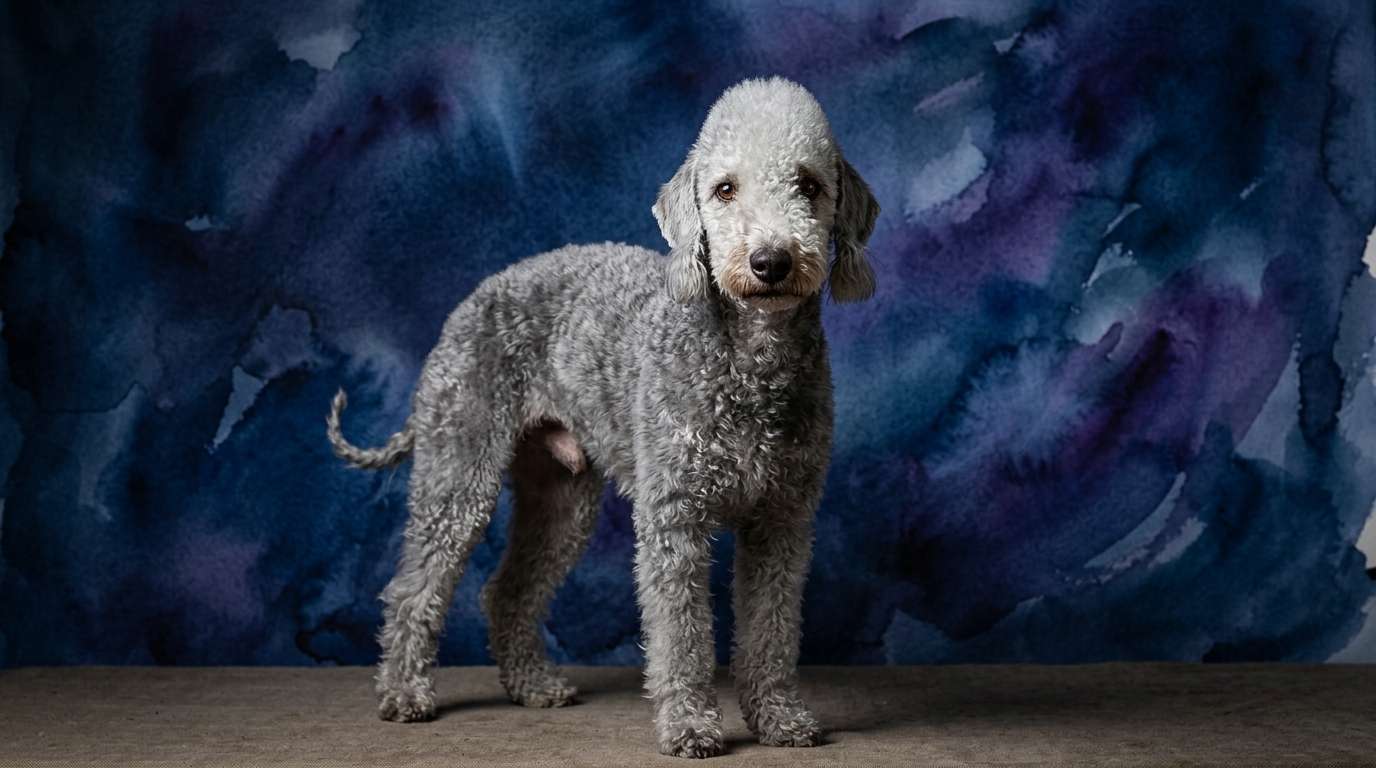
In contrast, the Bedlington Terrier, with its distinctive lamb-like appearance, exhibits a consistent cognitive profile across the board: Problem Solving, Training Speed, Social Intelligence, Instinctive Drive, and Memory all at 3/5. This does not suggest a lack of capacity, but rather a different kind of mental processing. Their scores indicate an independent thinker, one who might approach problem-solving with persistence on their own terms, learn at a steady pace, and engage socially with a more reserved, yet still affectionate, demeanor. Their instinctive drive is often channeled into specific terrier pursuits rather than broad collaborative tasks.
Where the Vizsla Demonstrates Cognitive Strengths
The Vizsla's cognitive architecture truly shines in its exceptional Social Intelligence (5/5) and powerful Instinctive Drive (5/5). Their elevated social intelligence makes them remarkably attuned to human cues, intentions, and emotions, making them exceptionally responsive partners. This manifests as a strong desire to collaborate, often anticipating a handler's next move and working seamlessly in tandem, whether in the field or during daily interactions. This deep connection makes them eager to engage in shared experiences.
Coupled with this, their strong instinctive drive, primarily for tracking and retrieving, provides inherent motivation readily channeled into productive tasks. This drive, combined with a Problem Solving score of 4/5, allows them to navigate complex environments with agility and purpose, such as retrieving an item from a challenging spot or following intricate scent trails. Their Training Speed of 4/5 reflects their readiness to absorb and execute new commands efficiently, often requiring fewer repetitions due to their attentiveness and motivation.
Unpacking the Bedlington Terrier's Unique Mental Landscape
The Bedlington Terrier's consistent scores of 3/5 across all cognitive dimensions offer insights into a mind that operates with a distinct blend of independence and terrier tenacity. Rather than viewing these scores as limitations, it's more accurate to understand them as indicators of a self-reliant and determined nature. Their cognitive processes are often geared towards individual exploration and persistent pursuit of their own interests, rather than an immediate desire for handler-directed collaboration. This breed frequently displays a quiet confidence in tackling tasks on its own terms, a hallmark of its terrier lineage.
Their Problem Solving ability (3/5) is not about a lack of capacity, but rather how they apply it; they are adept at finding creative, sometimes mischievous, solutions to reach a desired outcome, often without direct human guidance. This might look like figuring out how to open a gate or access a forbidden treat through sheer persistence. The Bedlington's Instinctive Drive (3/5) is focused on classic terrier activities like digging and chasing small prey. Their Memory (3/5) is sufficient for retaining commands, but they might prioritize their independent agenda over immediate recall if the motivation isn't compelling enough.
Training Aptitude: A Tale of Two Temperaments
When it comes to training, the Vizsla's cognitive profile makes them generally more amenable and faster learners. Their high Social Intelligence (5/5) means they thrive on interaction and positive reinforcement, viewing training as a shared activity that strengthens their bond. They are eager to please and quick to pick up new commands, benefiting immensely from consistent, engaging sessions. Their Problem Solving (4/5) and Training Speed (4/5) allow them to progress rapidly through obedience, agility, or field work, often excelling at advanced tasks. They genuinely enjoy the mental stimulation structured training provides, making them rewarding partners for those who enjoy teaching.
The Bedlington Terrier, on the other hand, presents a different training dynamic. Their moderate Training Speed (3/5) and Social Intelligence (3/5) mean that while they are certainly capable of learning, they often require more patience, consistency, and a highly motivating approach. They are not inherently driven to please in the same overt way as a Vizsla; instead, they respond best to methods that appeal to their independent spirit and innate drives. Training sessions need to be kept fun, varied, and short to maintain their interest, as their problem-solving skills might be applied to finding ways to end a session they deem uninteresting. Effective training with a Bedlington often involves convincing them that cooperation is their idea, or that the reward for compliance is truly worth it.
The role of instinctive drive is also crucial here. A Vizsla's powerful hunting drive is often easily channeled into retrieve work, scent tracking, or competitive field events alongside their handler. For the Bedlington Terrier, their instinctive drive, primarily for digging and pursuing small animals, can sometimes be a distraction in training if not properly managed. While they can be trained to high standards, owners must understand that their focus might momentarily shift if a compelling scent or movement captures their attention, requiring strong recall and impulse control training built on a foundation of mutual respect and clear, consistent boundaries. This isn't about a lack of intelligence, but a prioritization of deeply ingrained natural behaviors.
Matching Cognitive Profiles to Lifestyles
For active owners seeking a dog deeply integrated into their dynamic lifestyle, the Vizsla is an exceptional match. Their high instinctive drive and strong social intelligence mean they thrive when given a 'job' and ample opportunities for physical and mental exertion. They excel in homes where daily runs, hikes, or extensive play sessions are the norm, and where owners are keen to engage in dog sports such as agility, obedience, or field trials. A Vizsla craves partnership and purpose; an owner who can consistently provide structured activities, advanced training, and a deep, collaborative bond will find an incredibly devoted and fulfilled companion. They are not content with mere backyard access; they need interactive engagement.
The Bedlington Terrier, while certainly not a sedentary breed, suits owners with a different kind of energy and expectation. They are ideal for individuals who appreciate a companion with a strong, independent streak and are prepared to engage in consistent, patient training tailored to their unique motivations. While they enjoy activity, their cognitive profile suggests they don't demand constant handler-directed tasks in the same way a Vizsla does. They are well-suited for owners who can provide outlets for their investigative nature, such as secure yards for exploration, walks that allow for sniffing and discovery, and engaging puzzle toys. They can adapt to various living situations but require an owner who respects their self-possessed nature and isn't seeking an always-eager-to-please shadow. Their exercise needs are moderate to high, but often fulfilled through bursts of activity and investigative walks rather than sustained, handler-led endurance work.
The Verdict
Opt for the Vizsla if you seek a highly cooperative, driven canine partner eager for complex tasks, advanced training, and a close, responsive bond in an active environment.
Choose the Bedlington Terrier if you appreciate an independent, persistent companion who thrives on consistent, patient guidance and enjoys a more self-directed exploration of their world, even if it means a slower training pace.
🧠 Find Your Pet's IQ Score
Our Pet IQ Lab assessment covers 25+ tests across 5 cognitive dimensions — personalized to your breed.
Take the Full IQ Test →Frequently Asked Questions
Does the Bedlington Terrier's lower IQ score mean it struggles to learn?
Not at all; their scores reflect a different learning style, often characterized by independence and selective focus rather than an inability to comprehend. They learn effectively when motivated by methods that resonate with their terrier instincts and self-reliance.
How does the Vizsla's high social intelligence impact its behavior?
The Vizsla's exceptional social intelligence means they are acutely attuned to human emotions and cues, fostering a deep desire to please and collaborate. This makes them highly responsive to training and eager participants in family activities, often seeking constant companionship.
Can a Bedlington Terrier excel in dog sports despite its training speed score?
Absolutely, a Bedlington Terrier can excel in dog sports, especially those that tap into their natural drive and agility like earthdog trials or agility. Success hinges on a trainer who understands their independent streak and uses engaging, reward-based methods to channel their energy effectively.