Side-by-Side IQ Profile: Vizsla vs. Coton de Tuléar
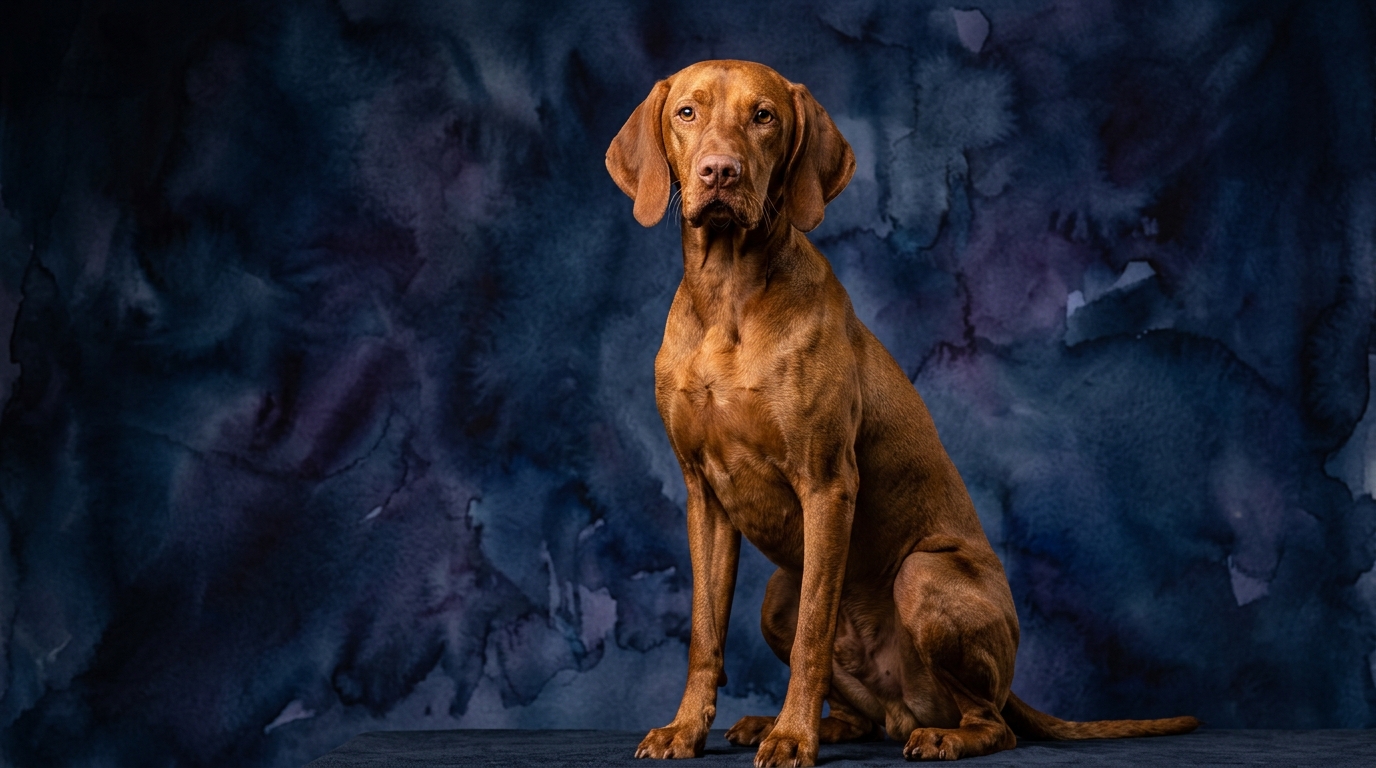
At The Cosmic Pet Pet IQ Lab, we evaluate canine intelligence across five key dimensions. The Vizsla, a Sporting Group dog with a Coren rank of #31, showcases a robust cognitive profile. Their Problem Solving is rated 4/5, indicating an ability to navigate complex environments and devise solutions to challenges, often with a goal-oriented focus. Training Speed is also 4/5, reflecting their eagerness and capacity to rapidly acquire new commands and routines. Social Intelligence for the Vizsla stands at an impressive 5/5, demonstrating an exceptional aptitude for understanding human cues, forming deep bonds, and working cooperatively. Their Instinctive Drive, a powerful 5/5, underscores their innate desire to hunt, retrieve, and engage in vigorous physical and mental activities. Finally, their Memory is 4/5, allowing them to retain intricate sequences and learned behaviors over time, crucial for their working roles.
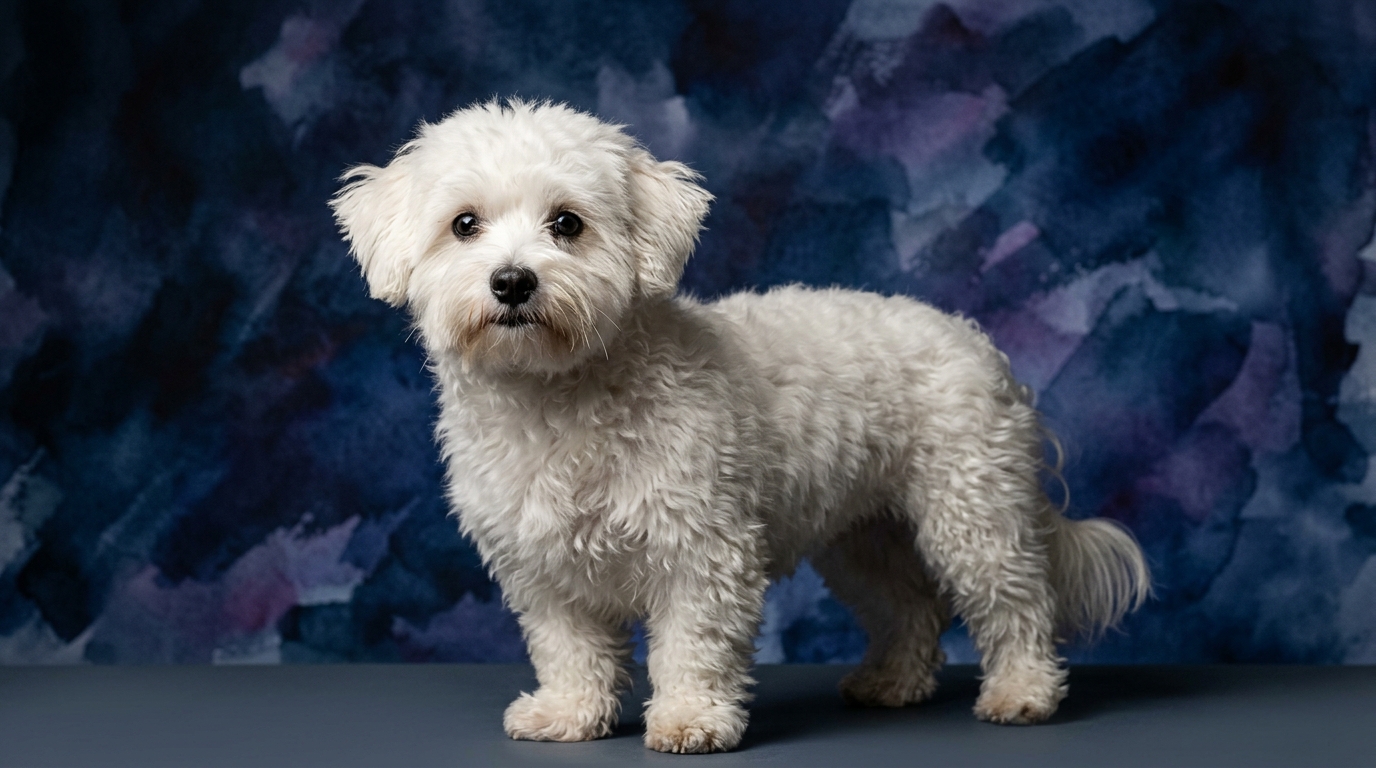
In contrast, the Coton de Tuléar, a charming Non-Sporting companion, exhibits a different set of cognitive strengths tailored to their role. This breed is not Coren-ranked, suggesting a different application of their mental abilities. Their Problem Solving is rated 3/5, meaning they can handle typical household puzzles but might not excel at highly intricate tasks requiring sustained strategic thought. Training Speed is 3/5, indicating they learn at a moderate pace, responding well to consistent, positive reinforcement. Social Intelligence for the Coton is 3/5, showing an amiable disposition and a capacity for pleasant interaction, though perhaps not the intense cooperative focus of a working breed. Their Instinctive Drive is also 3/5, pointing to a moderate level of intrinsic motivation for play and exploration, without the intense prey drive seen in many sporting dogs. Their Memory is 3/5, allowing them to recall basic commands and routines effectively, suitable for a companion lifestyle.
Where the Vizsla Excels Cognitively
The Vizsla's cognitive architecture clearly positions them as a front-runner in tasks demanding focus, physical prowess, and collaborative problem-solving. Their 4/5 Problem Solving score means they excel at navigating complex agility courses, figuring out how to open clever puzzle toys, or strategizing to locate a hidden scent. This isn't just about raw brain power; it’s about applying their mental faculties to achieve a tangible outcome, often involving movement and sensory input. Their 5/5 Social Intelligence allows them to anticipate human intentions, making them exceptionally attuned partners in activities like hunting or competitive obedience. They don't just follow commands; they actively engage in a dialogue of subtle cues, interpreting body language and tone with remarkable precision. This deep social awareness, combined with their 5/5 Instinctive Drive, means they possess an unwavering determination to complete tasks, whether it's retrieving a dummy from water or mastering a new, multi-step trick. Their 4/5 Memory ensures they internalize these complex sequences and social lessons, building a vast repertoire of learned behaviors that they can deploy efficiently, making them highly reliable in repetitive, high-stakes scenarios.
Where the Coton de Tuléar Excels Cognitively
While the Coton de Tuléar's scores might appear lower across the board, their cognitive strengths are perfectly aligned with their purpose as delightful, adaptable companions, and in this context, they truly shine. Their 3/5 Social Intelligence translates into a wonderfully engaging and affectionate demeanor, making them masters of charming human interaction without the intense demands of a working partner. They excel at reading emotional states and offering comfort, thriving on close companionship rather than complex cooperative tasks. Their moderate 3/5 Instinctive Drive means they are less prone to chasing wildlife or needing constant, intense mental stimulation, making them significantly easier to integrate into a relaxed household. This lower drive can be a cognitive 'win' for owners seeking a calm presence, as it results in fewer behavioral challenges stemming from unmet primal urges. Their 3/5 Problem Solving, while not geared towards intricate work, allows them to skillfully navigate social dynamics within the home, adapting to routines and preferences with an endearing flexibility that less driven breeds might struggle with. They are adept at learning what brings them affection and comfort, using their cognitive abilities to foster harmonious living.
Training Dynamics: Which is Easier to Train and Why?
Determining which breed is 'easier' to train depends heavily on the owner's goals and experience. The Vizsla, with its 4/5 Training Speed and powerful 5/5 Instinctive Drive, is often a rapid learner for specific, task-oriented commands. They absorb new information quickly and are highly motivated to work, especially when the training taps into their natural retrieving or scenting drives. Their 4/5 Memory ensures they retain these lessons, allowing for advanced training and generalization of commands across different environments. However, their intense drive and high energy mean that training isn't just about teaching commands; it's about channeling their immense potential. Without consistent, engaging direction, their energy can manifest as boisterous behavior or an inability to settle. They require an owner who can match their mental and physical intensity, providing clear structure and purpose.
The Coton de Tuléar, with its 3/5 Training Speed and 3/5 Instinctive Drive, requires a different approach. They will learn, but perhaps not at the breakneck pace of a Vizsla. Patience, positive reinforcement, and breaking down training into smaller, manageable steps are key. Their desire to please their human companions, a manifestation of their 3/5 Social Intelligence, can be a strong motivator, making them receptive to gentle guidance. Unlike the Vizsla, whose drive compels them to work, the Coton's motivation often stems from the joy of interaction and the reward of attention. This means they are less likely to become frustrated or 'shut down' by training, but also less likely to push through difficult tasks purely out of an innate drive. While they might take longer to master complex sequences, their generally lower energy and less intense drives mean they are less likely to develop problematic behaviors if training isn't consistently rigorous, making them more forgiving for novice owners.
Lifestyle Match: Active vs. Relaxed Owners
For active owners seeking a true partner in adventure, the Vizsla is an unparalleled choice. Their 5/5 Instinctive Drive and high energy demand outlets like trail running, extensive hiking, hunting, or participation in dog sports such as agility or flyball. An owner who thrives on outdoor activity and can provide consistent, challenging mental and physical stimulation will find the Vizsla to be an incredibly rewarding companion. Their 5/5 Social Intelligence means they deeply connect with their owner during these activities, forming an almost telepathic bond crucial for cooperative work. They are not content to be couch potatoes; they need a lifestyle that engages both their body and their sharp mind, making them unsuitable for owners who prefer a sedentary existence.
Conversely, the Coton de Tuléar is ideally suited for more relaxed owners who value companionship and a calm home environment. While they enjoy playtime and daily walks, their 3/5 Instinctive Drive means they don't require marathon exercise sessions or intense mental puzzles to be content. A moderate walk, some indoor games, and plenty of cuddle time are often sufficient. Their 3/5 Social Intelligence makes them wonderful lap dogs and affectionate family members, content to be near their people without demanding constant engagement in high-energy tasks. They adapt well to apartment living or homes with less active routines, thriving on consistent affection and a predictable environment. Owners who appreciate a gentle, charming presence and are prepared for regular grooming will find the Coton to be a perfect fit.
The Verdict
Opt for a Vizsla if you lead an active, outdoorsy lifestyle, are prepared for consistent, engaging training, and desire a highly cooperative, driven canine partner for sports or fieldwork. Their intense social intelligence and powerful instincts make them thrive with owners who can match their energy and provide purpose.
Select a Coton de Tuléar if you seek a cheerful, affectionate companion for a more relaxed home environment, are prepared for moderate training efforts, and value a dog whose primary cognitive strength lies in adaptable, charming social interaction. Their moderate drives make them excellent companions for those seeking a less demanding, yet deeply rewarding, presence.
🧠 Find Your Pet's IQ Score
Our Pet IQ Lab assessment covers 25+ tests across 5 cognitive dimensions — personalized to your breed.
Take the Full IQ Test →Frequently Asked Questions
Are Vizslas good for first-time owners?
Vizslas can be challenging for first-time owners due to their high energy, intense drives, and need for consistent training and mental stimulation. They thrive with experienced owners who understand their working breed needs.
Do Coton de Tuléars need a lot of exercise?
Coton de Tuléars have moderate exercise needs; daily walks and indoor play are usually sufficient to keep them happy and healthy. They are adaptable to various living situations and do not require intense physical activity.
How do their social needs differ?
Vizslas have a 5/5 social intelligence, thriving on deep, cooperative bonds and active participation with their owners in tasks and activities. Coton de Tuléars, with 3/5 social intelligence, are affectionate companions who enjoy being near their family and thrive on pleasant, less demanding interactions.